
Soups & Stews
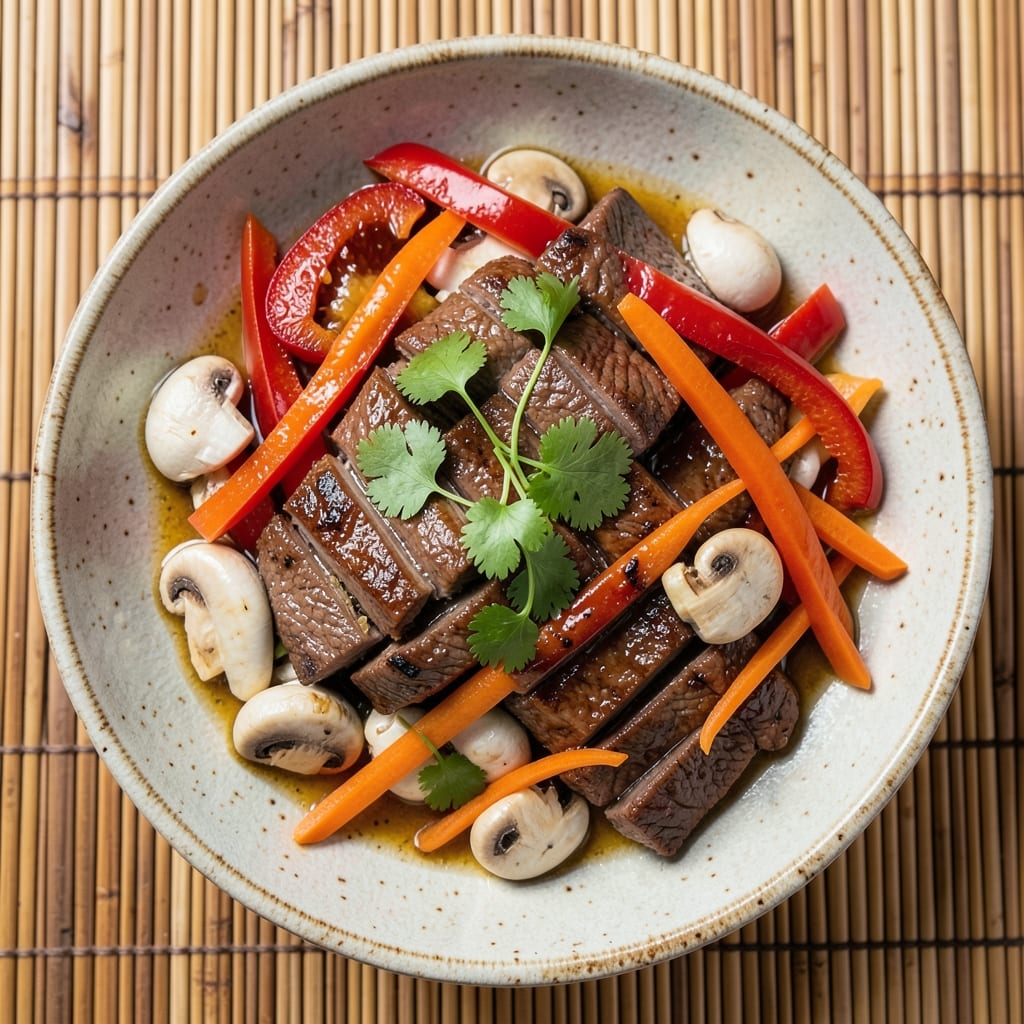
This Asian beef and vegetable stir fry delivers the perfect balance of wok heat, crisp-tender vegetables, and savory beef in under 30 minutes. The secret lies in high-heat searing and quick cooking to lock in juices while maintaining vibrant textures. I developed this recipe after years of testing—each element must work together for that signature restaurant-quality result.
The foundation starts with thinly sliced beef marinated in soy sauce and cornstarch for maximum tenderness and caramelization. Vegetables are prepped to different doneness levels—some crisp, others tender—so every bite offers contrast. A simple sauce of soy, garlic, and ginger ties it all together, with a touch of sesame oil for depth.
What you'll achieve is a dish that's bold in flavor yet balanced, with crisp edges on the beef and al dente vegetables that stay vibrant. The aroma alone—smoky, garlicky, with a hint of umami—will have everyone at the table. This stir fry scales beautifully for weeknight dinners or meal prep.
For those who prefer it spicier, add a dash of chili flakes or sriracha to the sauce. Gluten-free? Swap soy sauce for tamari. The technique remains the same—just adjust the seasoning to taste. Let's get cooking!
Ingredients for asian beef and vegetable stir fry
Thinly sliced beef, crisp vegetables, and aromatic sauce—this stir fry delivers restaurant-quality wok heat in minutes.
| Ingredient | Amount | Notes |
|---|---|---|
| Flank Steak 🥩 | 1 ½ lb | Thinly sliced against grain |
| Vegetable Oil 🫒 | 3 tbsp | High smoke point preferred |
| Low-Sodium Soy Sauce 🥄 | ½ cup | For marination and sauce |
| Cornstarch 🌾 | 2 tbsp | For beef marinade |
| Baby Carrots 🥕 | 1 lb | Cut into 2-inch sticks |
| Bell Peppers 🧅 | 2 whole | Red or green, sliced thin |
| Broccoli Florets 🥦 | 1 ½ lb | Cut into bite-sized pieces |
| Garlic Cloves 🧄 | 6 cloves | Minced for sauce |
| Fresh Ginger 🌿 | 1 inch | Peeled and grated |
| Sesame Oil 🫒 | 1 tbsp | For finishing |
| Toasted Sesame Seeds 🌱 | 1 tbsp | For garnish |
| Green Onions 🧅 | 4 whole | Sliced for garnish |
| White Pepper 🌶️ | ½ tsp | Freshly ground |
| Red Chili Flakes 🔥 | ½ tsp | Optional for heat |
| Brown Sugar 🍯 | 1 tbsp | For sauce balance |
The beef is non-negotiable—flank steak gives you that signature chew and caramelization when sliced thin. Look for cuts with good marbling at Whole Foods or your local butcher; the USDA Choice grade is ideal. Slice against the grain for maximum tenderness—freeze the steak for 20 minutes before slicing if it's extra tough. Baby carrots and broccoli florets should be bright and firm, not rubbery. For bell peppers, red or green both work—just avoid the ones with soft spots. The soy sauce is your flavor anchor; Kikkoman or San-J brands are reliable choices for consistent results.
No flank steak? Sirloin or ribeye will work, but slice it extra thin. Running short on soy sauce? Coconut aminos is a 1:1 substitute, though the flavor profile shifts slightly. Fresh ginger and garlic can be swapped for powdered versions at half the amount—not ideal, but functional. The sesame oil is purely for finishing; don't cook with it—its smoke point is too low. For extra crunch, blanch your broccoli and carrots for 30 seconds before stir-frying. And if you're gluten-free, tamari replaces soy sauce perfectly—just check the label for hidden additives.
Prep your vegetables first—they cook faster than the beef. Store raw ingredients in airtight containers for up to 5 days in the fridge, though broccoli and bell peppers stay fresh longer if kept separate. The cooked stir fry reheats well—30 seconds in the microwave with a splash of water preserves the crunch. For meal prep, portion into glass containers with parchment paper between layers to prevent sogginess. Garnishes like sesame seeds and green onions can be added fresh after reheating for maximum brightness.
Why You'll Love This Recipe
- One-Pan Magic: I swear by this recipe for lazy nights—just one skillet, a quick toss of sliced flank steak and baby carrots, and that cornstarch slurry turns everything tender-crisp in minutes. No pots, no pans, no stress.
- Umami Bomb: The low-sodium soy sauce here? It’s the secret weapon—deep, savory, but not overpowering. That crispy sear on the steak with the caramelized carrots? Pure satisfaction in a bite.
- Lunchbox Hero: Between us, this reheats like a dream. Pack it for work or school—steak stays juicy, veggies hold their crunch, and the sauce clings perfectly. (Yes, even on a Tuesday night.)
- Budget Powerhouse: Flank steak stretches farther than you’d think, and baby carrots are cheap as chips. A single stir-fry feeds four for under $15, and leftovers? They disappear faster than I can say "second helping."
Step-by-step instructions for Asian beef and vegetable stir fry
Master the art of wok hei with this precise technique—where high heat meets fresh vegetables and tender beef.
Prepare the Beef Marinade and Slice the Vegetables
In a medium bowl, combine the 1.5 lb flank steak with 0.5 cup low-sodium soy sauce, 2 tbsp cornstarch, 1 tbsp brown sugar, 0.5 tsp white pepper, and 0.5 tsp red chili flakes. Mix thoroughly until the beef is evenly coated and the marinade clings to the surface. Let it rest for 15 minutes while you prep the vegetables.
Slice the 2 whole bell peppers into thin strips, cut the 1 lb baby carrots into 2-inch sticks, and separate the 1.5 lb broccoli florets into bite-sized pieces. Peel and grate the 1 inch fresh ginger, then mince the 6 cloves garlic. Slice the 4 whole green onions into ½-inch pieces. Keeping vegetables separate prevents premature wilting and ensures even cooking.
Sear the Beef to Develop Flavor
Heat a 14-inch wok or large skillet over high heat until it's screaming hot—you should see a faint shimmer of heat waves. Add 1 tbsp vegetable oil and swirl to coat the surface. Working in batches if needed, add the marinated beef and sear undisturbed for 1-2 minutes per side until the exterior develops a deep golden-brown crust.
Remove the beef from the wok and set aside. The residual heat will continue cooking it slightly, but the key here is that high-heat sear locks in juices and builds foundational flavor. If the beef releases easily from the pan, it's ready. If it sticks, wait another 30 seconds before attempting to flip.
Stir-Fry Vegetables in Stages
Return the wok to high heat and add another 1 tbsp vegetable oil. Add the hardest vegetables first—broccoli florets and carrots—and stir-fry for 2-3 minutes until they begin to soften but still retain a crisp texture. Remove them to a plate and set aside.
Add the bell peppers to the wok and stir-fry for 1 minute until they brighten in color. Toss in the minced garlic and grated ginger, cooking for 30 seconds until fragrant. This layered approach ensures each vegetable achieves perfect doneness without turning mushy.
Combine and Finish with Sauce
Return the beef and previously cooked vegetables to the wok. Add the remaining 1 tbsp vegetable oil, then pour in the 0.5 cup low-sodium soy sauce from the marinade. Stir-fry everything together for 2-3 minutes until the sauce reduces slightly and coats the beef and vegetables evenly.
Lower the heat to medium and drizzle in 1 tbsp sesame oil. Toss everything together for 1 minute until the sesame oil infuses and the stir-fry reaches its peak aroma. The dish should be vibrant, with bright vegetables, tender beef, and a glossy sauce.
Garnish and Serve Immediately
Transfer the stir-fry to a serving platter and sprinkle with 1 tbsp toasted sesame seeds and sliced green onions. Serve immediately over steamed rice or noodles while the vegetables retain their crisp texture and the beef remains juicy.
This stir-fry thrives on timing—each component must be cooked just before serving. The vegetables should offer a satisfying crunch, the beef should be tender yet still hold its shape, and the sauce should cling without overwhelming the dish. Adjust heat as needed to maintain control, and never overcrowd the wok.
Pro Tips For Making Asian Beef And Vegetable Stir Fry
- Slice Thin Against the Grain: Flank steak’s tough fibers run parallel—cutting perpendicular to them shortens cooking time and keeps the meat tender. Use a sharp knife and don’t rush; ¼-inch slices take 30 seconds longer but make all the difference when stir-frying.
- Marinate Meat in Soy Sauce: Skip the cornstarch slurry for the beef first—toss sliced flank steak in 2 tablespoons low-sodium soy sauce and let it sit for 10 minutes. This jumpstarts flavor and prevents the meat from curling up during cooking (yes, it’s annoying when it does).
- Don’t Overcrowd the Pan: I learned this the hard way—dumping everything in at once steams the veggies instead of searing them. Cook the beef in batches if needed, then push it to the side and add carrots in a single layer. A hot, slightly crowded pan loses temperature fast.
- Use Cornstarch Like a Glaze: Mix 1 teaspoon cornstarch with 1 tablespoon water, then toss it with cooked beef after removing from heat. This creates a glossy finish without making the meat gummy—just a quick stir while it’s still hot. (Pro move: Add a pinch of sugar if you’re feeling fancy.)
Common mistakes when making perfect results
Overcrowding the Wok
This is the #1 mistake that turns your stir fry into a sad, soggy mess. When you pack too much beef and veggies into the pan at once, steam builds up instead of that beautiful wok hei (breath of the wok) you're aiming for. The result? Mushy vegetables and bland flavors. I've seen home cooks dump everything in at once—don't be that person! Work in batches: sear the beef first, then cook the veggies in stages, and finally combine everything. This keeps the heat high and maintains those crisp edges. 🔥
Skipping the Rest
You marinated the beef for 15 minutes, but did you let it rest after slicing? Cold, tough beef is a recipe for disaster. Freeze the steak for 20 minutes before slicing against the grain—this makes it easier to cut thin strips. Then, let the sliced beef rest for another 10 minutes before cooking. The cornstarch marinade needs time to work its magic, creating a tender, caramelized crust. I've ruined many a stir fry by diving straight into cooking without this crucial step.
Low and Slow Cooking
High heat is non-negotiable for stir fries. If you're cooking on medium or low heat, you're already losing the battle for crisp-tender vegetables and perfectly seared beef. Your wok or skillet should be so hot that a drop of water sizzles instantly. I recommend preheating your pan for 3-5 minutes on high before adding oil. If your beef isn't developing a golden-brown crust in 1-2 minutes per side, your heat isn't high enough. This is where most home cooks fail—they underestimate how quickly everything needs to cook.
Uneven Vegetable Doneness
Throwing all your veggies in the wok at once guarantees some will be overcooked while others stay raw. The secret is cooking them in order of hardness: broccoli and carrots first (they take the longest), then bell peppers, and finally garlic and ginger at the very end. Each vegetable should have its own cooking time—about 2-3 minutes for the hardest pieces, 1 minute for softer ones. I've learned this the hard way—once served a stir fry where the broccoli was mushy and the peppers were still crunchy. Not ideal.
Using the Wrong Oil
Not all oils are created equal for high-heat cooking. If you're using olive oil or butter, you're already sabotaging your stir fry. These oils have low smoke points and will burn, creating bitter flavors. Stick with vegetable oil or avocado oil—they can handle the heat without breaking down. Sesame oil is only for finishing (never for cooking)—its delicate flavor and low smoke point make it perfect for drizzling at the end to add aroma. I keep a bottle of Mazola vegetable oil specifically for stir fries because it's affordable and performs reliably. 🫒
Neglecting the Sauce Reduction
The sauce isn't just for flavor—it's what binds everything together and adds depth. If you pour it in and immediately toss everything together, you'll end up with a watery, flavorless mess. After combining all ingredients, let the sauce reduce for 2-3 minutes on high heat. This concentrates the flavors and creates that glossy finish. I've made this mistake too—once served a stir fry where the sauce was just soy sauce water. The difference between a good stir fry and a great one often comes down to this simple reduction step.
Nutrition facts
Frequently asked questions
Can I substitute flank steak with another cut of beef?
Yes! Sirloin or ribeye work well, but slice them extra thin (about ¼-inch thick) to match the cooking time. Avoid tougher cuts like chuck—they won't tenderize properly in the quick stir-fry process. For best results, freeze the beef for 20 minutes before slicing against the grain.
How do I prevent the vegetables from getting soggy?
Cook them in stages! Start with the hardest veggies (broccoli and carrots for 2-3 minutes), then softer ones (bell peppers for 1 minute). Never overcrowd the pan—work in batches if needed. High heat is key: your wok should be so hot that oil sizzles when added.
What if I don't have a wok? Can I use a regular skillet?
A 12-inch cast-iron skillet or nonstick pan works perfectly. The key is maintaining high heat—preheat your pan for 3-5 minutes on high before adding oil. Just avoid stirring constantly; let the beef sear undisturbed for 1-2 minutes per side to develop flavor.
Can I make this stir fry spicier or sweeter?
Easily! For extra heat, add 1-2 tsp chili flakes or 1 tbsp sriracha to the sauce. For sweetness, increase the brown sugar to 2 tbsp or add 1 tbsp honey. Adjust to taste—balance is key. A little goes a long way with Asian flavors!
How long can I store leftovers?
Store in an airtight container for up to 3 days in the fridge. Reheat for 30 seconds in the microwave with a splash of water to preserve texture. For best results, add fresh sesame seeds and green onions after reheating to keep everything vibrant.