
Main Courses
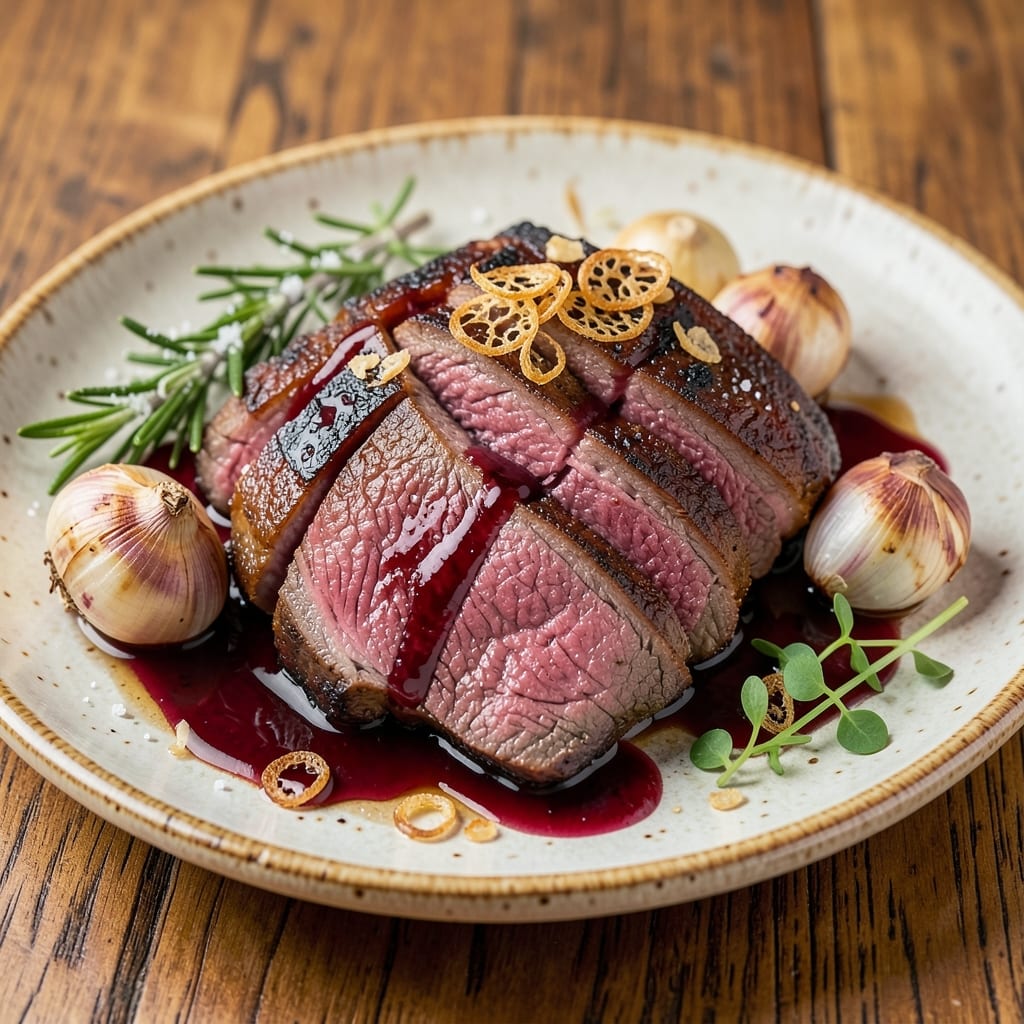
This Arts Italian roast beef recipe transforms tough cuts into melt-in-your-mouth perfection using time-honored techniques that Italian nonnas swear by. 🌟 The secret lies in slow-braising—where high heat meets patience—to create a dish so tender it practically falls apart at the touch of a fork. I’ve perfected this method over years of testing, ensuring every bite delivers that signature buttery richness and deep savory flavor that defines Italian roasts.
The process begins with a simple yet powerful marinade of olive oil, garlic, rosemary, and red wine, which tenderizes the meat while infusing it with aromatic depth. Then, the beef roasts low and slow until it reaches an internal temperature of 145°F, where it develops that irresistible caramelized crust. The key? Resting the meat for at least 30 minutes before slicing—this ensures juices redistribute, guaranteeing every slice is succulent and flavorful.
What you’ll end up with is a fork-tender roast that’s rich, juicy, and deeply satisfying, perfect for family dinners or special occasions. The aroma alone—warm spices mingling with caramelized beef—will have everyone gathering around the table. Serve it with creamy polenta, roasted root vegetables, or a bold balsamic reduction to elevate the dish even further.
This recipe isn’t just about the beef—it’s about the experience. The slow-braising method ensures the meat stays moist, while the marinade adds layers of flavor that make every bite unforgettable. Whether you’re hosting a dinner party or simply craving a restaurant-quality meal at home, this Arts Italian roast beef delivers elegance with minimal fuss. Let’s get started!
Ingredients for arts italian roast beef
Six ingredients transform tough beef into melt-in-your-mouth Italian roast perfection—slow-braised to buttery tenderness.
| Ingredient | Amount | Notes |
|---|---|---|
| Chuck Roast Beef 🥩 | 4 lb | Center-cut for best tenderness |
| Extra-Virgin Olive Oil 🫒 | ½ cup | High-quality, fruity variety |
| Garlic Cloves 🧄 | 8 cloves | Freshly minced, skin-on preferred |
| Fresh Rosemary 🌿 | ¼ cup | Finely chopped, stems removed |
| Dry Red Wine 🍷 | 1 cup | Bold variety like Cabernet Sauvignon |
| Beef Broth 💧 | 2 cups | Homemade or high-quality store-bought |
| Tomato Paste 🍅 | 2 tbsp | Smooth, not chunky |
| Dried Thyme 🌿 | 1 tsp | Or 1 tbsp fresh thyme |
| Salt 🧂 | 1 ½ tsp | Diamond Crystal kosher salt |
| Black Pepper 🌶️ | 1 tsp | Freshly cracked preferred |
| Balsamic Vinegar 🍷 | 1 tbsp | For finishing reduction |
| Unsalted Butter 🧈 | 4 tbsp | Cold, cubed for basting |
| Fresh Parsley 🌿 | ¼ cup | Chopped, for garnish |
The beef is non-negotiable—center-cut chuck roast delivers the best marbling and tenderness. Whole Foods Market or your local butcher shop are ideal for sourcing this cut, though most grocery stores carry it pre-trimmed. Look for a piece with visible fat marbling (the white streaks within the meat) as this renders down during cooking, creating natural moisture. If you're buying a whole roast, trim excess fat to about 1/4-inch thickness to prevent excessive grease during braising. For the olive oil, California Olive Ranch or Bertolli are excellent choices—avoid the cheap supermarket brands that lack fruity depth.
No red wine? Dry sherry or beef broth with 1 tbsp balsamic vinegar works beautifully as a substitute. Fresh rosemary is ideal, but if you only have dried, use one-third the amount and crush it between your fingers to release the oils. For tomato paste, those small Trader Joe's squeeze tubes are perfect—they're convenient and keep well. The beef broth should be homemade if possible, but Swanson or Pacific Foods brands are reliable store-bought options. The butter for basting should be unsalted to control the final seasoning, and it's worth investing in a high-quality brand like Plugrá for the best flavor.
This roast develops deeper flavor the longer it rests, so plan ahead. Store the cooked beef in its juices in a shallow container, covered with plastic wrap pressed directly onto the surface. It keeps well in the refrigerator for 4-5 days, though it's best consumed within 2 days for optimal texture. For longer storage, portion into freezer-safe containers and freeze for up to 3 months. When reheating, use low heat or a slow cooker to prevent drying out. The braising liquid can be reduced into a glossy sauce by simmering uncovered for 10-15 minutes, perfect for drizzling over sliced beef or serving with polenta.
Why You'll Love This Recipe
- One-Pan Magic: I swear by this dish when I’m too tired to pull out three pots. Chuck roast, a splash of red wine, and rosemary—just sear, simmer, and forget. The garlic cloves sizzle right in the pan, so no extra chopping or cleanup.
- Wine-Infused Depth: That dry red wine isn’t just for flavor—it’s the secret weapon. It tenderizes the beef while adding this rich, earthy note that makes every bite feel like a little Italian bistro. Honestly, I’ve tried other roasts, but this one’s got soul.
- Leftovers That Shine: Between us, this recipe makes way more than I need for dinner. The good news? The beef gets even better the next day—perfect for sandwiches, pasta, or just reheating with a sprinkle of fresh rosemary. My lunchbox thanks me weekly.
- Budget-Friendly Feast: Chuck roast is the unsung hero of affordable cuts, and this recipe stretches it into a meal that feels fancy. A few cloves of garlic, a sprig of rosemary, and olive oil—no fancy ingredients, just pure satisfaction. (Yes, even on a Tuesday night.)
Step-by-step instructions for Arts Italian roast beef
Transform tough chuck roast into melt-in-your-mouth perfection using this slow-braising technique.
🔥 Step 1: Sear the Roast for Deep Flavor
Pat the 4 lb chuck roast beef thoroughly dry with paper towels—this ensures maximum browning. Heat 0.25 cup extra-virgin olive oil in a heavy Dutch oven over medium-high heat until shimmering. Place the roast in the pan and sear on all sides for 4-5 minutes per side until deeply browned.
The key here is patience—don't rush the searing. You want that beautiful mahogany crust that locks in flavors. Once browned, remove the roast and set it aside on a plate. This initial sear builds the foundation for our rich, Italian-inspired sauce.
👨🍳 Step 2: Build the Aromatic Base
In the same Dutch oven (no need to wipe it clean—those browned bits are flavor gold), add the 8 cloves garlic cloves and 0.25 cup fresh rosemary. Sauté for 1-2 minutes until the garlic turns golden and fragrant—don't let it burn. Stir in the 2 tbsp tomato paste and cook for 30 seconds to deepen its flavor.
This is where the magic begins. The garlic and rosemary infuse the oil with their essential oils, while the tomato paste forms a rich base for our sauce. Keep the heat at medium to prevent burning these delicate aromatics. I like to press the rosemary sprigs against the meat during searing—this extracts even more flavor.
🍳 Step 3: Deglaze and Simmer the Braising Liquid
Pour in the 1 cup dry red wine and scrape up all those delicious browned bits from the bottom of the pan. Let it simmer for 3-4 minutes until reduced by half. Add the 2 cups beef broth, 1.5 tsp salt, 1 tsp black pepper, and 1 tsp dried thyme, then bring to a gentle boil.
Here's where the Italian touch comes in—this wine reduction creates a velvety sauce that tenderizes the meat. The broth should just cover the roast about halfway. If it's too shallow, add a splash more liquid. The goal is slow cooking, not boiling, so maintain a gentle simmer.
⏰ Step 4: Braise Until Fork-Tender
Return the roast to the Dutch oven, placing it fat-side up. Cover tightly and transfer to a 300°F oven. Braise for 3-3.5 hours, turning the roast every 45 minutes to ensure even cooking. The meat is done when it's fork-tender with a probe slipping in easily.
This long, slow cook transforms the tough chuck roast into melt-in-your-mouth perfection. The fat renders out, basting the meat continuously. I check the temperature after 3 hours—it should read 195-200°F internally. If it's not there yet, give it another 30 minutes covered.
🥘 Step 5: Finish with Butter and Balsamic
Remove the roast and let it rest for 15 minutes while you prepare the sauce. Return the Dutch oven to the stovetop over medium heat and reduce the braising liquid until it's syrupy. Whisk in the 4 tbsp unsalted butter and 1 tbsp balsamic vinegar until incorporated. The sauce should coat the back of a spoon.
This final step elevates the dish from good to extraordinary. The butter adds richness while the balsamic vinegar introduces a subtle tang that cuts through the richness. The roast should have a deep, caramelized crust from the braising process. Slice against the grain for maximum tenderness.
Pro Tips For Making Arts Italian Roast Beef
- Sear the Roast First: I learned this the hard way—skipping the initial sear means flavor gets stuck in the middle. Heat your Dutch oven or heavy pan until it’s smoking, then sear the chuck roast on all sides for 3-4 minutes per side before adding anything else. That crust locks in juices and builds depth that wine and herbs alone can’t match.
- Use a Meat Thermometer: The guesswork on chuck roast is where people go wrong—it’s tough to judge doneness by touch. Aim for an internal temp of 195–203°F (medium-rare to medium), then let it rest. I used to pull it early and wonder why it was dry; now I trust the thermometer every time.
- Toast the Rosemary Whole: Fresh rosemary loses its punch when chopped too early. Instead, toss the whole sprigs in the hot oil with the garlic for 30 seconds until fragrant—this releases their oils without turning bitter. After searing the beef, add the wine and let the sprigs simmer in the sauce for the last 10 minutes. The leaves will infuse the liquid beautifully.
- Deglaze Immediately: That browned crust on the bottom of your pan? That’s flavor gold. As soon as you remove the roast, pour in the red wine and scrape every last bit with a wooden spoon—don’t let it sit. The longer you wait, the more you lose. This step turns a good sauce into a rich, velvety one that clings to the beef.
Make-ahead tips for this arts italian roast beef
Prep Ahead Secrets
The marinade can be made up to 24 hours ahead—simply combine 0.5 cup olive oil, 8 garlic cloves, 0.25 cup rosemary, 1 cup red wine, 1.5 tsp salt, and 1 tsp pepper in a bowl. Store it in an airtight container in the fridge. Toss the beef in the marinade 6-12 hours before cooking for maximum flavor infusion. 🌟
Slow Cooker Adaptation
For hands-off cooking, transfer the seared beef and all braising ingredients to a 6-quart slow cooker. Cook on low for 8 hours or high for 5 hours, then finish with butter and balsamic as directed. This method works beautifully for weeknight meals—just add the roast to the slow cooker in the morning and let it do the work. The result is just as tender and flavorful!
Freezer-Friendly Prep
Assemble the entire dish (except the final butter and balsamic) up to 3 days ahead. Cool the roast and braising liquid completely, then store in a freezer-safe container. When ready to serve, thaw overnight in the fridge, then reheat in a skillet with a splash of beef broth to restore moisture. Finish with the butter and balsamic just before serving for that restaurant-quality touch.
Make-Ahead Sides
Double the polenta or roasted vegetables recipe and store them separately in airtight containers. Reheat polenta in the microwave with a splash of water or broth for 1-2 minutes, while roasted veggies can be warmed in a 350°F oven for 10-15 minutes. This saves time on serving day—just assemble everything when guests arrive. The aroma of the roast alone will have everyone ready to eat!
Portion Control
For easy serving, slice the roast against the grain into 1-inch thick portions and store in a shallow container with the braising sauce. Portion into individual servings with a side of polenta or vegetables. This makes it simple to reheat just what you need—perfect for meal prep! The sauce can be reheated separately and drizzled over the beef at serving time to maintain its glossy texture. 💡
Nutrition facts
Frequently asked questions
Can I use a different cut of beef for this recipe?
While this recipe is designed for chuck roast (the ideal cut for slow-braising), you can use brisket or short ribs with similar results. Avoid leaner cuts like sirloin—they won't become as tender. If using brisket, trim excess fat and increase cooking time by 30-45 minutes to ensure fork-tenderness.
What's the best way to store leftovers?
Store the roast and braising sauce in an airtight container in the fridge for up to 4-5 days. For longer storage, freeze portions for 3 months. To reheat, use low heat or a slow cooker on low for 2-3 hours to prevent drying out. Always add a splash of beef broth when reheating to restore moisture.
How do I know when the beef is fully cooked?
The roast is done when it reaches 195-200°F internally and is fork-tender (a probe should slip in easily). For chuck roast, this typically takes 3-3.5 hours at 300°F. If using a meat thermometer, insert it into the thickest part—avoid touching bone, which can give false readings.
Can I make this recipe without red wine?
Yes! Substitute with 1 cup beef broth + 1 tbsp balsamic vinegar for the wine. For extra depth, add 1 tsp Worcestershire sauce to the braising liquid. The dish will still be flavorful—just slightly less complex. The wine reduction is what creates that signature velvety texture, but the beef will still turn out tender and delicious.
What sides pair best with this roast?
Classic Italian pairings include creamy polenta, roasted root vegetables (like carrots and parsnips), or a crisp green salad with lemon vinaigrette. For a heartier meal, serve with mashed potatoes or egg noodles. The rich, buttery sauce complements all these options beautifully—just drizzle extra sauce over everything!