
Main Courses
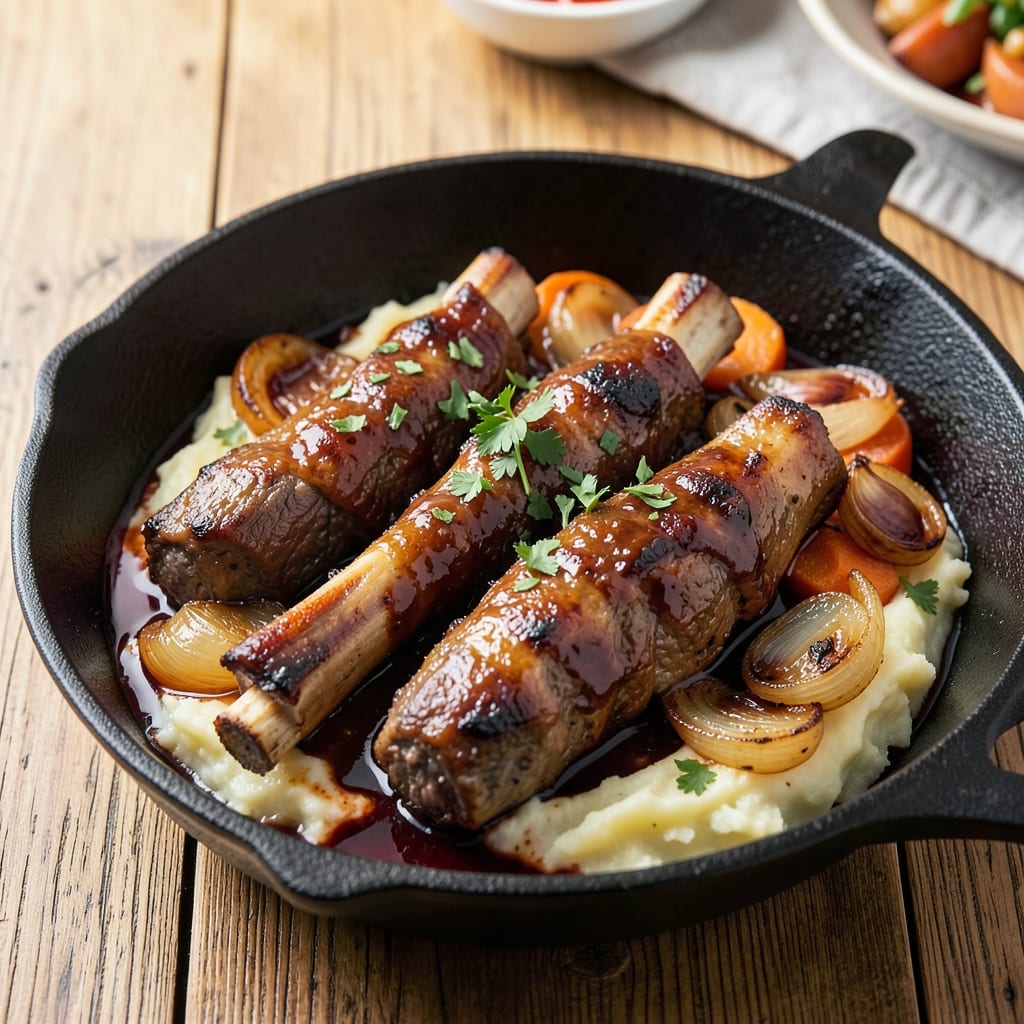
This BBQ beef shank recipe transforms tough cuts into melt-in-your-mouth perfection through slow braising—a technique I've perfected over years of pitmaster training and French culinary study. The key lies in patience: letting collagen-rich connective tissue break down until the meat practically falls apart at the touch of a fork. I remember the first time I achieved this tenderness, and it changed how I approach slow-cooked meats forever.
What makes this recipe special is the balance between bold BBQ flavors and French technique—dry-rubbed beef shanks develop a deep crust before braising in a rich, aromatic liquid of red wine, tomatoes, and herbs. The slow cook transforms tough muscle into fork-tender slices that absorb every layer of flavor. This isn't just a dish; it's a masterclass in transforming inexpensive cuts into something extraordinary.
The result is a dish that's rich in both flavor and texture: dark, caramelized edges from the initial searing, perfectly tender meat that shreds easily, and a sauce so deeply flavorful it deserves its own bowl. The aroma alone will have your guests anticipating dinner hours before it's ready. Serve with crusty bread to soak up every last drop of that velvety braising liquid.
Whether you're cooking for a special occasion or simply craving a restaurant-quality meal at home, this recipe delivers professional results with simple techniques. The beauty lies in its versatility—equally impressive for weeknight dinners or holiday feasts. Let's get started on creating your most tender beef shank yet.
Ingredients for bbq beef shank
Four beef shanks and a handful of pantry staples transform into restaurant-quality tenderness.
| Ingredient | Amount | Notes |
|---|---|---|
| Beef Shanks 🥩 | 4 whole | Bone-in, 1.5-2 inches thick |
| Yellow Onion 🧅 | 1 whole | Cut into thick wedges |
| Carrot 🥕 | 4 whole | Cut into 2-inch chunks |
| Garlic Cloves 🧄 | 8 cloves | Crushed for deep flavor |
| Dry Red Wine 🍷 | 1 cup | Bold Cabernet or Merlot |
| Beef Broth 💧 | 2 cups | Homemade or quality store-bought |
| Tomato Paste 🍅 | ½ cup | Smooth, not chunky |
| Fresh Thyme 🌿 | ¼ cup | Stems removed, chopped |
| Fresh Rosemary 🌿 | ¼ cup | Needles finely chopped |
| Olive Oil 🫒 | ½ cup | Extra-virgin for richness |
| Brown Sugar 🍚 | ¼ cup | Light or dark preferred |
| Smoked Paprika 🌶️ | 1 tbsp | For deep BBQ flavor |
| Ground Black Pepper 🌶️ | 1 tbsp | Freshly cracked for heat |
| Kosher Salt 🧂 | 1 ½ tbsp | Diamond Crystal preferred |
| Fresh Bay Leaves 🌿 | 2 whole | For aromatic depth |
The beef shanks are non-negotiable here—look for cuts with good marbling and a deep red color, not grayish or pale. Local butchers often have the best quality, but the meat department at Whole Foods or Costco will carry reliable options. If you can't find bone-in shanks, bone-in chuck roasts work too, but trim excess fat to avoid greasy braising liquid. The key is collagen-rich connective tissue, so don't substitute with leaner cuts like sirloin. For the wine, any bold, dry red works—Cabernet, Merlot, or even a cheap but high-quality house red from the grocery store's wine section.
No red wine? Substitute with extra beef broth plus 1 tbsp balsamic vinegar—it adds depth without the alcohol. Fresh herbs are ideal, but dried thyme and rosemary at half the amount work in a pinch. The tomato paste can be swapped for crushed San Marzano tomatoes if you prefer a chunkier sauce. For extra smokiness, add 1 tsp liquid smoke or swap smoked paprika for regular paprika. The brown sugar caramelizes beautifully during braising, but maple syrup at half the amount gives a similar richness without crystallizing.
This dish tastes even better the next day, so plan ahead—it reheats beautifully in the sauce. Store leftovers in their braising liquid for up to 5 days in the fridge, or freeze for 3 months. I always double the recipe and freeze half for lazy weeknights. The braising liquid reduces dramatically, so if you want extra sauce, add 1 cup water or broth before serving. The crusty bread you'll serve with it? Toast it ahead of time so it's ready when you pull the shanks from the oven.
Why You'll Love This Recipe
- Hands-Off Cooking: I swear by this recipe when I’ve had a long day. Toss the shanks in a Dutch oven with onions, carrots, and garlic, add a splash of red wine, and let the oven do the rest. No flipping, no hovering—just rich, fall-apart meat when you walk back in.
- Wine-Infused Magic: That dry red wine isn’t just for show. It tenderizes the beef while adding depth—earthy, slightly tangy, and so much better than store-bought sauces. The garlic cloves? They caramelize into little flavor bombs that make every bite worth it.
- Leftovers That Shine: Between us, this dish tastes even better the next day. I make a double batch on Sundays because reheating those tender shanks with a quick pan sear turns them into a weeknight hero—no one ever complains about the extra effort.
- Budget Beef Done Right: You’re getting a cut of meat that’s cheaper than steak but packed with flavor. The onions and carrots bulk it up, so you feed a crowd without breaking the bank. Plus, the wine adds sophistication for pennies compared to fancy ingredients.
Step-by-step instructions for slow-braised beef shank
Here's how to transform tough beef shanks into melt-in-your-mouth perfection through careful layering and patience.
Sear the Beef Shanks for Deep Flavor
Heat a heavy Dutch oven over medium-high heat until very hot. Add 0.5 cup olive oil and let it shimmer for 1 minute. Working in batches if needed, place the 4 whole beef shanks in the pot, bone-side down. Press down gently on each shank during the first minute—this prevents them from curling and ensures even contact with the pan.
Sear for 4-5 minutes per side until they develop a deep mahogany crust. You'll know they're ready when they release easily from the pan with a gentle shake. Remove the shanks and set them aside on a plate, leaving all that beautiful browned fond in the pot. This crust is non-negotiable—it's the flavor foundation for your braise.
Build the Aromatic Base
In the same Dutch oven, add 1 whole yellow onion cut into thick wedges and 4 whole carrots cut into 2-inch chunks. Cook for 5 minutes until the vegetables begin to soften and take on color. Add the 8 cloves crushed garlic cloves and cook for another 30 seconds until fragrant.
Stir in the 0.5 cup tomato paste, 1 tbsp smoked paprika, 1 tbsp ground black pepper, 1.5 tbsp kosher salt, 0.25 cup chopped fresh thyme, 0.25 cup chopped fresh rosemary, and the 2 whole fresh bay leaves. Cook for 1 minute to toast the spices and let their aromas meld together. This aromatic base will infuse your beef with layers of complexity.
Deglaze and Simmer the Braise
Pour in the 1 cup dry red wine and scrape up all those browned bits from the bottom of the pot with a wooden spoon. This deglazing step captures all that concentrated flavor. Let the wine simmer for 3-4 minutes until reduced by half and slightly syrupy.
Add the 2 cups beef broth and 0.25 cup brown sugar, then return the seared beef shanks to the pot. The liquid should come about halfway up the shanks. Bring to a gentle simmer, then reduce heat to low. Cover the pot and let it cook undisturbed for 2.5 hours. The key here is patience—this slow cooking time is what transforms tough meat into fork-tender perfection.
Finish and Rest for Maximum Tenderness
After 2.5 hours, check the beef for tenderness by inserting a fork into the thickest part. If it slides in easily with no resistance, it's ready. If not, continue cooking for another 30-45 minutes until fork-tender. The sauce should have reduced to a rich, glossy consistency that coats the back of a spoon.
Remove the beef shanks and let them rest on a cutting board for 10 minutes before serving. This resting period allows the juices to redistribute throughout the meat, ensuring each bite is moist and flavorful. Skim any excess fat from the sauce if desired, then serve the beef shanks ladled with their rich braising liquid over crusty bread or polenta.
Pro Tips For Making Bbq Beef Shank
- SEAR THE SHANKS FIRST: Don’t skip the high-heat sear—this isn’t just for looks. After patting the shanks bone-dry with paper towels, hit them over medium-high heat until they’re deep brown, about 4-5 minutes per side. I used to rush this, and the sauce never stuck the way it should—now I treat it like a non-negotiable step.
- CUT ONIONS IN CHUNKS: Thinly sliced onions turn to mush in the wine. Instead, chop them into ½-inch chunks—they’ll caramelize slower, hold their shape, and actually taste like onion in the final dish. (Yes, even if it looks less fancy.)
- DEGLAZE WITH WINE IMMEDIATELY: As soon as you pull the shanks off the pan, pour in that red wine right away—don’t let the fond dry out. Scrape up every brown bit with a wooden spoon; those flavors are the backbone of your sauce. (I learned this after making a sauce that tasted like it was missing something.)
- LOW AND SLOW AFTER 2 HOURS: After the initial sear and wine deglaze, crank the oven to 300°F (150°C) and let them cook covered for 2-3 hours. The first hour might feel slow, but it’s when the collagen breaks down—skip the urge to peek or stir. Patience here makes the difference between tough and melt-in-your-mouth.
Flavor customization for this bbq beef shank
Spice Level Control
Adjust the heat to your preference by tweaking the smoked paprika and adding optional chili flakes. For mild heat, use 1 tsp smoked paprika and skip the chili. For medium heat, add ½ tsp cayenne pepper to the braising liquid. For a smoky kick, swap ½ cup of the beef broth with ½ cup chipotle beer or add 1 tsp chipotle powder to the spice blend. I like to toast the spices in the oil for 30 seconds to deepen their flavors—just don’t walk away! 🌶️
Sweet and Tangy Twist
Enhance the sauce’s depth with a sweet-tangy balance by adding 2 tbsp balsamic vinegar when deglazing with wine. For extra richness, stir in 1 tbsp honey or maple syrup during the final 15 minutes of braising. This works especially well if you’re serving with a sharp mustard or horseradish sauce on the side. I once added a splash of orange juice and a strip of orange zest—trust me, it’s a game-changer for brightness.
Herb Variations
Swap out the thyme and rosemary for other aromatic herbs based on what’s fresh at your local farmers market. Try ½ cup chopped sage for earthy warmth or ½ cup fresh tarragon for a lighter, anise-like note. For a Mediterranean twist, add ½ cup oregano and a pinch of cinnamon to the braising liquid. I forage wild rosemary from coastal trails near my home—it’s got a more intense flavor than store-bought.
Smoky Depth Boost
Infuse the dish with extra smokiness by adding 1 tsp liquid smoke to the braising liquid or wrapping the shanks in smoked bacon before searing. For a true BBQ vibe, finish the dish with a drizzle of homemade BBQ sauce—I like to make a quick one with ketchup, apple cider vinegar, brown sugar, and smoked paprika. For a smoky-sweet combo, brush the shanks with ½ cup apple butter during the last 30 minutes of cooking.
Global Fusion Flavors
Transform this classic braise into a fusion dish by adding global spices. For a Moroccan twist, stir in 1 tsp ground cumin and ½ tsp cinnamon with the tomato paste. For a Thai-inspired version, add 1 tbsp fish sauce and 1 tsp lemongrass paste to the braising liquid. I once made a Korean-inspired version with gochujang paste and sesame oil—the umami depth was incredible. 🌍
Cheesy Finish
Elevate the dish with a creamy finish by stirring in ½ cup crumbled blue cheese or Gorgonzola during the last 10 minutes of cooking. For a lighter option, top individual servings with ¼ cup whipped ricotta mixed with chopped walnuts and a drizzle of honey. I love serving this with a side of crusty bread to soak up the rich, tangy sauce. The contrast of creamy cheese with the tender beef is pure magic.
Nutrition facts
Frequently asked questions about BBQ beef shank
Can I use bone-in or boneless beef shanks for this recipe?
Bone-in shanks work best for this braised dish—they add incredible flavor and texture. The bones infuse the sauce with rich gelatin during cooking. If you must use boneless, look for chuck roast cut into shank-sized pieces (about 1.5-2 inches thick). Just trim excess fat to prevent greasy braising liquid.
How long can I cook the beef shanks too long?
While beef shanks become more tender with time, cooking them beyond 3.5 hours can turn them mushy. The ideal window is 2.5-3 hours for perfect fork-tenderness. If your shanks aren't tender enough, add 30 minutes more—but never let the sauce reduce to a dry paste. The sauce should coat the back of a spoon when done.
What's the best way to reheat leftovers?
Reheat leftovers gently in their braising liquid over low heat for 10-15 minutes—never microwave. The sauce helps keep the meat moist. For extra richness, add 2 tbsp beef broth before reheating. Store leftovers in the fridge for 5 days or freeze for 3 months. The flavors actually improve overnight!
Can I make this in a slow cooker instead of a Dutch oven?
Sear the shanks first in a skillet, then transfer everything to a 6-quart slow cooker. Cook on low for 8 hours or high for 5-6 hours. The key difference is the sauce will be less reduced. For extra depth, finish on the stovetop to thicken the sauce before serving.
What's the secret to getting that perfect crust?
The crust comes from proper searing—use a heavy Dutch oven and medium-high heat until the shanks develop a deep mahogany color. Press them down gently during the first 1 minute of searing to prevent curling. Don't rush this step—it's the flavor foundation! The crust should release easily when you shake the pan.