
Side Dishes
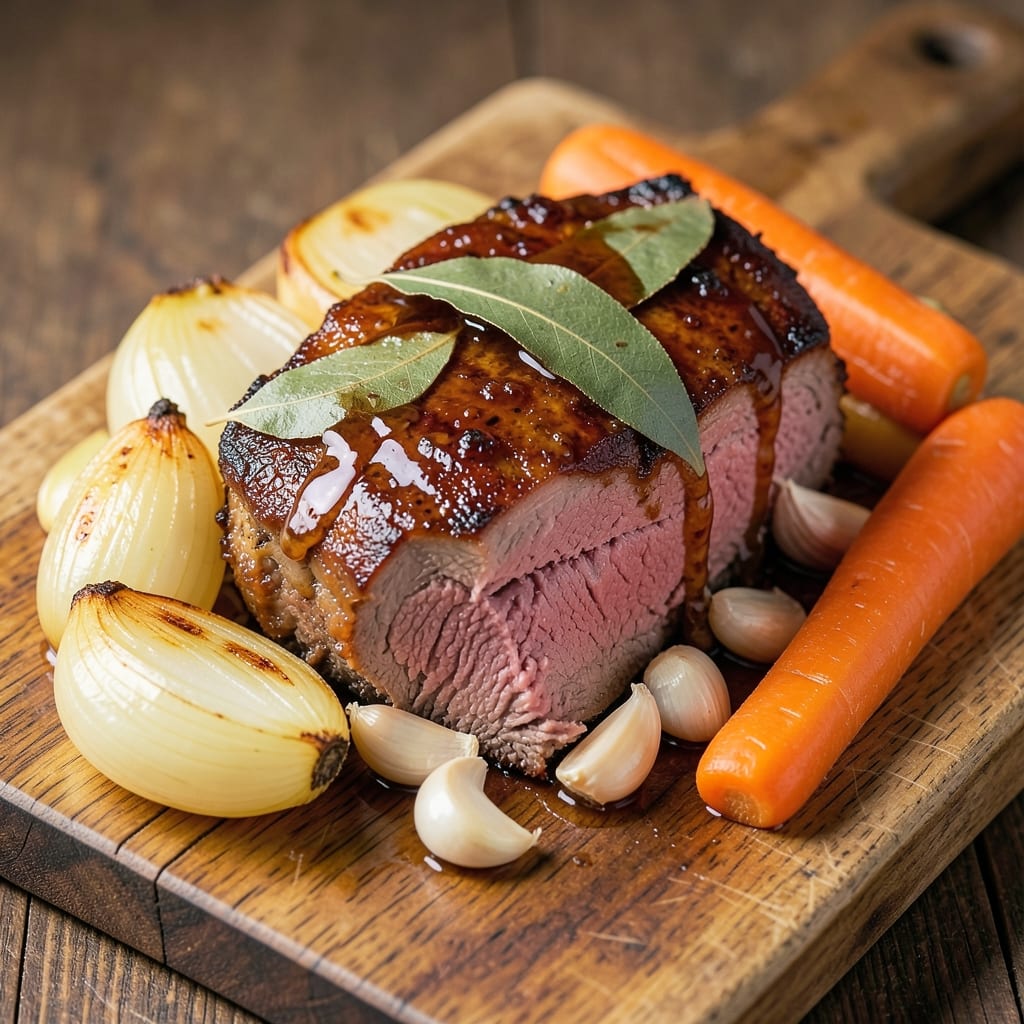
This apple juice corned beef recipe transforms a classic St. Patrick's Day centerpiece into something unexpectedly tender and sweet-tangy. 🍏 The secret lies in braising the beef with unsweetened apple juice instead of traditional beer, which tenderizes the meat while infusing it with subtle fruit notes that balance the saltiness. I developed this version after years of overcooked, dry corned beef—this method guarantees melt-in-your-mouth texture every time.
The process begins with marinating the beef overnight in apple juice, garlic, and spices, which breaks down tough fibers before cooking. Then, it slow-braises until fork-tender, with the apple juice reducing into a glossy, caramelized glaze that clings beautifully. The result is rich, flavorful beef with a velvety finish that pairs perfectly with classic sides like buttery mashed potatoes or crisp cabbage.
What makes this recipe stand out is how the apple juice transforms the dish—adding depth without overpowering the corned beef's signature taste. The glaze caramelizes into a sticky, slightly sweet coating that enhances each bite, making it ideal for feeding a crowd or meal prepping. It's the kind of recipe that elevates a holiday staple into something special.
Serve with crusty bread to soak up every last drop of that sweet-tangy glaze. The combination of tender beef, aromatic spices, and the natural sweetness of apple juice creates a dish that's both comforting and unexpectedly sophisticated. Let's get cooking!
Ingredients for apple juice corned beef
Six ingredients transform classic corned beef into melt-in-your-mouth sweet-tangy perfection.
| Ingredient | Amount | Notes |
|---|---|---|
| Beef Brisket 🥩 | 3 lb | Flat cut preferred, trimmed of excess fat |
| Unsweetened Apple Juice 🍎 | 4 cups | 100% apple juice, no added sugar |
| Yellow Onion 🧅 | 1 whole | Large, sliced into 1/2-inch rounds |
| Garlic Cloves 🧄 | 8 cloves | Minced, fresh preferred |
| Carrots 🥕 | 3 whole | Medium, peeled and halved lengthwise |
| Bay Leaves 🍃 | 2 whole | Dried, standard size |
| Black Peppercorns 🌶️ | 1 tbsp | Coarsely crushed, fresh preferred |
| Mustard Seeds 🌾 | 1 tsp | Whole, yellow preferred |
| Salt 🧂 | 2 tbsp | Diamond Crystal kosher salt |
| Fresh Thyme 🌿 | 2 tbsp | Chopped, stems removed |
| Brown Sugar 🍚 | 2 tbsp | Light or dark, packed |
| Olive Oil 🫒 | 2 tbsp | Extra-virgin for richness |
The brisket is the foundation—flat cut gives you that tender, sliceable texture. Look for well-marbled beef at Whole Foods or your local butcher shop; the fat renders beautifully during braising. Unsweetened apple juice is non-negotiable here—Mott's or Tropicana work perfectly, but avoid anything with added sugar. The juice should be chilled when you start marinating, but it'll warm up as it works its magic. Fresh thyme and bay leaves elevate the dish beyond traditional corned beef flavors, adding herbal depth that pairs beautifully with the apple's natural sweetness. For the garlic, peel and mince just before marinating to preserve its freshness.
No unsweetened apple juice? Cranberry juice or white grape juice can stand in, though the flavor profile will shift slightly. Short on fresh thyme? Dried thyme at one-third the amount works in a pinch, but the fresh version brings that bright, aromatic punch. The brown sugar adds just enough caramelization to the glaze—substitute maple syrup at a 1:1 ratio if you prefer. For the mustard seeds, if you can't find whole yellow ones, ground mustard at half the amount will give you a similar tang. The olive oil helps create a glossy finish on the glaze; avocado oil works equally well if you prefer a neutral flavor. All ingredients should be measured precisely except the spices, which can be eyeballed slightly.
Marinate the beef overnight in the fridge—24 hours maximum to prevent the meat from absorbing too much liquid. The apple juice can be stored in the pantry for up to 6 months after opening, but once opened, keep it refrigerated. Fresh thyme and bay leaves should be stored in separate airtight containers; the thyme stays fresh for 1 week in the fridge, while bay leaves last 6 months in a cool, dark place. The cooked corned beef reheats beautifully—simmer in its juices for 20-30 minutes on low heat. Portion into meal prep containers with some of the braising liquid for 4-5 days of leftovers, or freeze for 3 months for future St. Patrick's Day celebrations.
Why You'll Love This Recipe
- One-Pot Magic: I swear by this recipe because it’s literally dump-and-go after the initial sear. Slice the brisket, toss in the onions, garlic, and carrots—then pour that apple juice right over everything. The slow cooker (or oven) does all the work while you sip your coffee.
- Sweet-Savory Surprise: Between us, I didn’t expect the apple juice to work—but it’s ridiculously good. The natural sweetness cuts through the richness of the beef, and those caramelized onions? Absolute perfection. It’s like a brisket with a fruity hug.
- Weeknight to Holiday: Honestly, this is my go-to for lazy Sundays and Thanksgiving leftovers. The flavors hold up for days, so I make a big batch and repurpose it into sandwiches, tacos, or even a hearty soup. Zero waste, maximum convenience.
- Budget-Friendly Luxury: A whole brisket feeds a crowd for less than takeout, and the apple juice keeps it tender without breaking the bank. Plus, the leftovers? They’re that good—my kids beg for seconds, and I don’t even have to pretend to be a fancy chef.
Step-by-step instructions for apple juice corned beef
This method delivers tender, flavorful corned beef with a sweet-tangy glaze that pairs perfectly with traditional sides.
👨🍳 Step 1: Prepare the Brisket and Aromatics
Start by trimming the 3 lb beef brisket of any excess fat, leaving about ¼-inch thickness on the fat cap. This ensures even cooking and prevents greasiness. Place the brisket in a large Dutch oven and add the 1 whole yellow onion (sliced into ½-inch rounds), 3 whole carrots (peeled and halved lengthwise), 8 cloves garlic cloves (minced), 2 whole bay leaves, 1 tbsp coarsely crushed black peppercorns, and 1 tsp whole mustard seeds.
In a small bowl, combine 2 tbsp salt, 2 tbsp chopped fresh thyme, and 2 tbsp brown sugar. Sprinkle this mixture evenly over the brisket and aromatics in the Dutch oven. The sugar will caramelize slightly during cooking, adding depth to the glaze. Give everything a gentle toss to distribute the seasoning evenly.
🍳 Step 2: Sear the Brisket and Add Liquid
Heat the Dutch oven over medium-high heat and add 2 tbsp olive oil. Let the oil heat for 1-2 minutes until shimmering, then carefully add the brisket and aromatics. Sear for 4-5 minutes on each side until the brisket develops a deep golden-brown crust. This step is critical—it locks in flavors and creates a rich foundation for the glaze.
Once seared, pour in the 4 cups unsweetened apple juice, making sure it fully covers the brisket. The liquid should come about halfway up the sides of the Dutch oven. Bring the mixture to a gentle simmer, then reduce heat to low to maintain a slow, steady bubble. The apple juice will reduce over time, intensifying its sweet-tangy flavor and creating the signature glaze.
⏰ Step 3: Simmer Until Fork-Tender
Cover the Dutch oven with a lid and simmer for 3-3.5 hours, turning the brisket occasionally to ensure even cooking. You'll know it's ready when a fork slides in easily and the meat pulls apart with minimal resistance. The apple juice should have reduced to about 1.5 cups, creating a thick, glossy glaze that clings to the brisket.
Real talk: Don't rush this step. The slow cooking breaks down the tough collagen in the brisket, transforming it into melt-in-your-mouth tenderness. If the liquid reduces too quickly, add ¼ cup hot water to maintain the simmer. The glaze should be syrupy but still coat the back of a spoon.
🔥 Step 4: Rest and Slice for Maximum Juiciness
Once the brisket reaches 205°F internally and is fork-tender, remove it from the Dutch oven and transfer to a cutting board. Tent loosely with aluminum foil and let it rest for 15-20 minutes. This resting period allows the juices to redistribute, ensuring every slice is moist and flavorful. The glaze will continue to thicken slightly as it cools.
Slice the brisket against the grain into ¼-inch thick pieces. The grain runs horizontally across the flat cut, so you'll see distinct lines when you locate it. Serve immediately with the reduced apple juice glaze spooned over the top. The combination of tender beef and sweet-tangy glaze makes this a standout centerpiece for any St. Patrick's Day feast.
Pro Tips For Making Apple Juice Corned Beef
- Sear the Brisket First: I learned this the hard way—skipping the sear means flavor gets lost in the apple juice. Hit that brisket with a hot pan for 3-4 minutes per side until it’s deep brown before adding liquid. The crust locks in juices and adds depth the slow cook won’t replicate.
- Use Whole Carrots: Peel those carrots but leave them whole—no chopping. They’ll soften perfectly in the apple juice while keeping their shape, and you avoid the mushy mess that comes from overcooking sliced carrots. (Yes, even if you’re impatient like me.)
- Don’t Crowd the Pot: Apple juice corned beef needs room to breathe. If you’re using a Dutch oven, stack the brisket on top of onions and carrots instead of layering everything flat. This lets heat circulate properly and prevents uneven cooking.
- Reduce the Juice Early: After the first hour, lift the brisket out and reduce the apple juice by half on the stove. The concentrated flavor will cling to the meat when you return it to the pot, making every bite richer. (Your future self will thank you.)
Creative variations of this dish
Sweet-Tart Glaze Variations
Swap unsweetened apple juice for cranberry juice to add a tart, berry-forward depth that pairs beautifully with the savory beef. Use a 1:1 ratio—just reduce the cooking time slightly since cranberry juice thickens faster. For a spiced twist, add 1 cinnamon stick and 2 star anise pods to the braising liquid for warmth. 🍎
Try pear nectar instead of apple juice for a richer, slightly floral note—it caramelizes beautifully and adds natural sweetness without sugar. For a smoky profile, replace ½ cup of apple juice with ½ cup beef broth and add 1 smoked paprika to the marinade. This works especially well if serving with charred corn or grilled peppers.
Spice Level Adjustments
If you love heat, add ½ tsp cayenne pepper to the marinade or sprinkle crushed red pepper flakes over the finished dish. For a milder kick, swap the mustard seeds for 1 tsp ground coriander—it adds brightness without spice. I often keep a small bowl of hot honey on the side for guests to drizzle on their plates at the table. 🌶️
Protein Swaps
For a lighter option, replace half the brisket with chicken thighs—they absorb the apple juice beautifully and stay juicy. If you prefer pork, use pork shoulder instead; reduce the cooking time to 2.5 hours and add 1 extra bay leaf for deeper flavor. For a beef-free version, try extra-firm tofu (press and marinate for 4 hours), though texture will differ.
Regional Twists
In New England, add 1 tbsp maple syrup to the glaze and serve with brown butter mashed potatoes for a maple-corned beef fusion. For a Southern U.S. touch, include ½ cup collard greens in the braising liquid—they wilt into tender, flavorful greens that complement the beef. In Ireland, traditionalists might prefer stout beer instead of apple juice, but the sweet-tangy glaze remains a crowd-pleaser. 🗺️
Make-Ahead Adaptations
For meal prep, braise the beef as directed, then refrigerate the entire Dutch oven (covered) for up to 4 days. Reheat gently on the stovetop with ¼ cup water to restore moisture. For freezing, portion the beef and glaze into airtight containers, leaving ½ inch headspace. Thaw overnight in the fridge before reheating—never microwave directly from frozen. The glaze thickens further when reheated, so add 1 tbsp water if it seems too stiff. ❄️
Nutrition facts
Frequently asked questions
Why use apple juice instead of beer in corned beef?
The apple juice creates a sweet-tangy glaze that tenderizes the beef while balancing its saltiness. Unlike beer, it doesn't overpower the meat with bitterness and caramelizes beautifully into a glossy finish. Plus, it's a great option for those avoiding alcohol in their meals!
Can I use sweetened apple juice in this recipe?
No—always use unsweetened apple juice to avoid an overly sweet glaze. The natural sweetness in unsweetened juice enhances the dish perfectly without making it cloying. If you must use sweetened, reduce the brown sugar to 1 tbsp instead of 2 tbsp to balance flavors.
How do I prevent the beef from drying out?
Keep the apple juice level halfway up the sides of the Dutch oven during cooking. If it reduces too quickly, add ¼ cup hot water to maintain moisture. Also, never skip the 15-20 minute rest before slicing—this lets juices redistribute.
What's the best way to reheat leftovers?
Gently reheat in the same Dutch oven with ¼ cup water over low heat for 20-30 minutes. Avoid microwaving, as it can make the beef tough. The glaze will thicken further—add 1 tbsp water if needed to restore its consistency.
Can I make this in a slow cooker?
Yes! Follow the same steps but transfer everything to a 6-quart slow cooker after searing. Cook on low for 8 hours or high for 5 hours, adding ¼ cup water if needed. The texture will be slightly more tender, but the glaze may be thinner—reduce it on the stovetop afterward.