
Main Courses
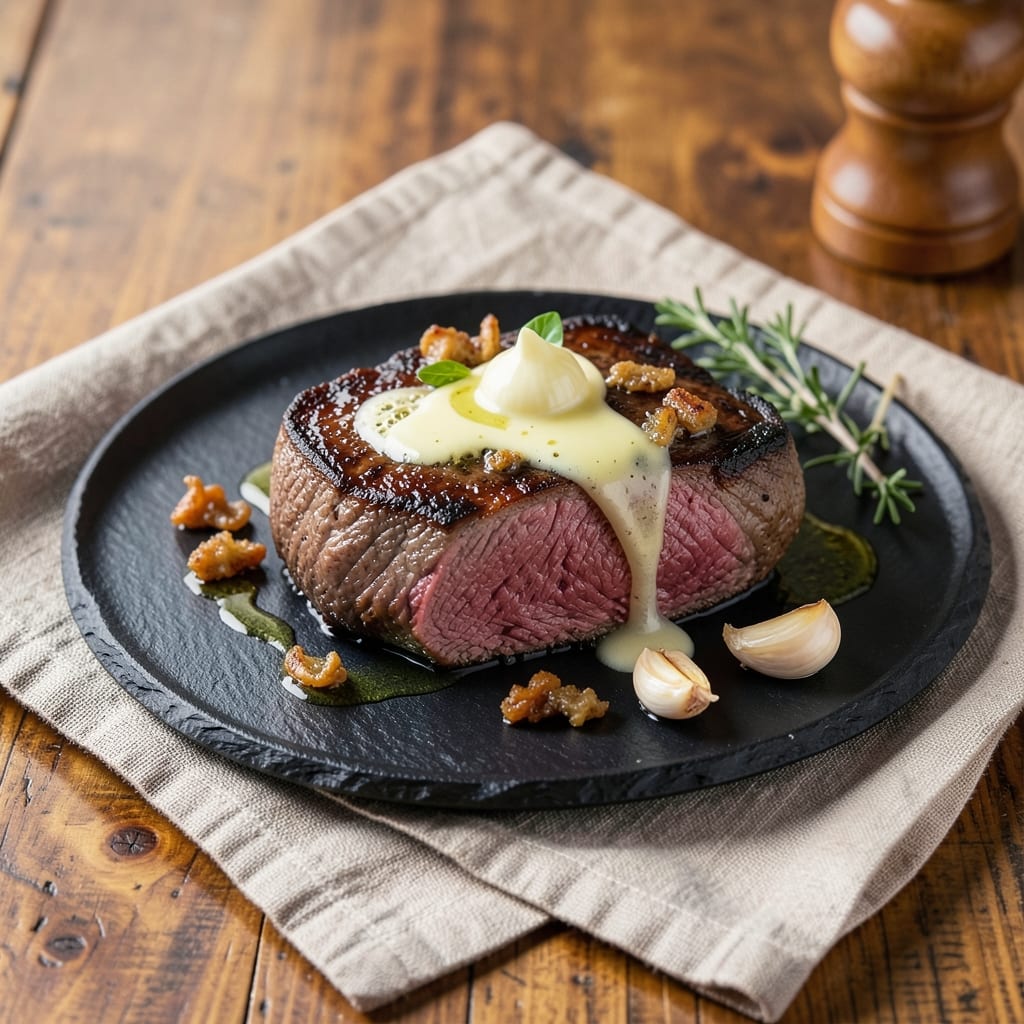
This angus beef strip steak recipe delivers the perfect balance of buttery crust and juicy pink centers—every bite is a restaurant-quality experience. The secret lies in precise temperature control and a high-heat sear that locks in flavor while keeping the interior tender. I’ve perfected this method over countless grilling sessions, ensuring consistent results even for home cooks.
What sets this recipe apart is the reverse searing technique, which guarantees a perfect medium-rare finish without overcooking. A simple seasoning of kosher salt and black pepper enhances the natural richness of the beef, while a final touch of butter and garlic transforms the crust into something extraordinary. The result? A steak so tender it nearly melts in your mouth, with a crispy exterior that’s impossible to resist.
This method works equally well on the grill or in a cast-iron skillet, making it versatile for any cooking setup. Whether you’re hosting a dinner party or treating yourself to a special meal, the juicy core and rich flavor will leave everyone asking for seconds. The key is patience—letting the steak rest before slicing ensures every bite stays moist and flavorful.
Pair with classic sides like garlic mashed potatoes or a fresh salad for a complete meal. The steak’s bold flavor stands up to bold accompaniments, making it a showstopper for any occasion. Ready to master the perfect steak? Let’s get started.
Ingredients for angus beef strip steak
The secret to restaurant-quality steaks—juicy pink centers with a buttery crust—starts with these simple yet premium ingredients.
| Ingredient | Amount | Notes |
|---|---|---|
| Angus Beef Strip Steaks 🥩 | 1 ½ lb | 1.5-inch thick, center-cut preferred |
| Kosher Salt 🧂 | 1 ½ tbsp | Diamond Crystal preferred, coarse grain |
| Freshly Ground Black Pepper 🌶️ | 1 tbsp | Freshly cracked for maximum flavor |
| Unsalted Butter 🧈 | 4 oz | Cold, cut into 8 small cubes |
| Garlic Cloves 🧄 | 6 cloves | Fresh, peeled and smashed |
| Extra-Virgin Olive Oil 🫒 | 2 tbsp | High smoke point, fruity variety |
| Fresh Rosemary 🌿 | 1 sprig | Thinly sliced, for aroma |
| Heavy Cream 🥛 | ¼ cup | Full-fat for rich finish |
| Vegetable Oil 🫒 | ½ cup | For high-heat searing |
| Cast-Iron Skillet 🍳 | 1 whole | 12-inch diameter preferred |
| Meat Thermometer 🌡️ | 1 whole | Instant-read type |
The beef is everything here. Angus strip steaks from Costco or your local butcher give that perfect marbling, but don't stress if you can't find it—just look for well-marbled strip steaks with at least 1.5-inch thickness. Thinner cuts won't hold up to the reverse sear. I always ask for the center-cut section, which has the best tenderness. For the salt, Diamond Crystal kosher salt dissolves better than table salt and enhances flavor without overpowering. Freshly ground black pepper makes a world of difference—pre-ground loses potency fast. The butter should be cold when you cube it; this ensures it crisps beautifully on the crust.
No extra-virgin olive oil? Avocado oil works just as well—it's got a higher smoke point for those high-heat sears. Running out of fresh rosemary? Fresh thyme at the same amount gives a similar aromatic boost. The heavy cream adds richness to the final butter baste, but if you're watching calories, you can swap it for half-and-half at double the amount. For the vegetable oil, grapeseed oil is another great option—just avoid anything with a strong flavor like coconut oil. And if you're grilling instead of pan-searing, use charcoal or high-heat gas flames to mimic the skillet's intense heat. The key is getting that crust right—don't rush the sear, even if it means waiting a minute longer for the perfect crust.
Let the steaks come to room temperature for 30-45 minutes before cooking—this ensures even cooking. The butter cubes should stay cold until the final step, so keep them in the freezer until you're ready to baste. Once cooked, let the steaks rest for 5-10 minutes before slicing—this keeps all the juices inside where they belong. Store leftovers in an airtight container for 3-4 days in the fridge, but honestly, these steaks are so good they won't last that long. For a crowd, double the recipe—just make sure your skillet is big enough to handle it without overcrowding.
Why You'll Love This Recipe
- I swear by this combo: salt and butter. That’s it. Just let the steak sear in a screaming-hot pan, then baste with melted garlic butter—no fancy sauces, no stress. The crust alone sells it.
- Two-Ingredient Magic: I swear by this combo: salt and butter. That’s it. Just let the steak sear in a screaming-hot pan, then baste with melted garlic butter—no fancy sauces, no stress. The crust alone sells it.
- Weeknight Hero: Between us, this is the dish I pull out when I’ve got 20 minutes and zero energy. Toss the steaks on the grill or stovetop, slice the garlic, and call it dinner. No one’s judging if the table’s set with napkins and a bottle of wine.
- Steak for Any Occasion: Date night? Check. Backyard BBQ? Done. Even my picky teenage nephew asks for seconds. It’s that universally loved. And since it’s just five ingredients, I never overthink it—whether it’s a fancy night in or a casual hang with friends.
Step-by-step instructions for perfectly cooked angus beef strip steak
Here's the method that guarantees a buttery crust with a juicy pink core every single time.
Season and Rest the Steaks
Pat the 1.5 lb angus beef strip steaks dry with paper towels—this is crucial for that perfect crust. Rub both sides generously with the 1.5 tbsp kosher salt and 1 tbsp freshly ground black pepper, pressing firmly so it adheres. Let the steaks sit at room temperature for 30-45 minutes before cooking. This ensures even cooking and maximum flavor penetration.
While they rest, preheat your 12-inch cast-iron skillet over medium-high heat until it's screaming hot. The reason for this long rest? Cold meat cooks unevenly, and room temperature steaks develop that beautiful crust faster. Trust me—this step makes all the difference.
Sear to Golden Perfection
Add 0.5 cup vegetable oil to the preheated skillet and let it get shimmering hot—you should see small bubbles forming around the edges. Place the steaks in the skillet, away from you to avoid oil splatter. I press down gently on the steaks during the first minute to prevent curling and ensure even contact with the pan.
Cook for 4-5 minutes per side for 1.5-inch thick steaks, until they develop a deep golden-brown crust. The steaks are ready to flip when they release easily from the pan—this usually happens around the 3-minute mark. Don't rush this step; patience here means a better sear later. The oil should be hot enough to sizzle loudly when you add the steaks.
Build the Garlic Butter Sauce
Remove the steaks from the skillet and set them aside on a warm plate. Reduce heat to medium-low and add the 4 oz cold unsalted butter, cut into cubes, to the skillet. Let it melt completely, then add the 6 smashed garlic cloves and 1 sprig thinly sliced fresh rosemary. Cook for 1-2 minutes until the garlic is fragrant but not browned—burnt garlic makes everything taste bitter.
Pour in the 0.25 cup heavy cream and let it simmer gently for 1 minute until slightly thickened. This sauce will baste your steaks and add a luxurious finish. The butter should foam up nicely, creating a beautiful compound butter effect that'll coat your steaks perfectly.
Baste and Check Temperature
Return the steaks to the skillet and spoon the garlic butter sauce over them generously. Let them baste in the sauce for 1-2 minutes, turning occasionally, until fully coated. This is where the magic happens—the butter basting keeps the steaks moist while adding incredible flavor.
Check the internal temperature with your instant-read meat thermometer. For medium-rare (the perfect doneness for strip steak), aim for 130-135°F in the thickest part. If you prefer medium, go for 140-145°F. The steaks should feel warm to the touch but still slightly springy in the center when you press gently with your finger.
Rest and Serve
Transfer the steaks to a cutting board and let them rest for 5-10 minutes before slicing. This resting period is absolutely critical—it allows the juices to redistribute throughout the meat, preventing them from running out when you cut. I know it's hard to wait when they smell this amazing, but trust the process.
Slice the steaks against the grain into ½-inch thick pieces and serve immediately with any remaining garlic butter sauce spooned over the top. Each bite should deliver that perfect combination of crispy crust, tender interior, and rich, buttery garlic flavor. Enjoy your restaurant-quality steak dinner!
Pro Tips For Making Angus Beef Strip Steak
- USE A CAST-IRON SKILLET: High heat is your friend here—cast iron gets hotter and holds it better than stainless. I used to struggle with uneven cooking until I switched; now my strips sear in 2-3 minutes per side instead of dragging out.
- SALT THE MEAT 40 MINUTES EARLY: Don’t just sprinkle salt right before cooking—let it sit uncovered on a plate for at least 40 minutes. This seasoning penetrates deeper, and the crust forms better when it hits the pan.
- DON’T OVERCROWD THE PAN: Two strips at a time is the max—any more and you’ll steam the meat instead of sear it. I learned this after walking away from a pan of soggy strips that tasted like they’d been boiled.
- SMASH THE GARLIC CLOVES: Peeling and mincing garlic takes forever, but crushing whole cloves with the flat side of your knife releases more flavor instantly. Toss them in the pan with the butter for the last 30 seconds—it’ll perfume the whole dish.
Regional styles of this dish
Texas-Style Grill Mastery
In Texas, steak isn't just a meal—it's a way of life, and strip steaks are king. The Lone Star state prefers their steaks medium-rare with a bold, charred crust, often served with crispy onion strings and sliced jalapeños for heat. I like to add 1 tbsp smoked paprika to the seasoning mix for that signature Texas BBQ touch. The key here is high-heat grilling—use a charcoal grill set to 450-500°F for that iconic smoky flavor. 🔥
Chicago's Buttery Crust Tradition
Chicago steakhouses made the garlic butter steak famous, and for good reason. The Windy City approach focuses on rich, compound butter—I double the butter to 8 oz and add 1 tbsp fresh parsley for brightness. After searing, they baste the steaks with this butter until it forms a golden, glossy crust. Serve with roasted garlic mashed potatoes and grilled asparagus for a classic Chicago-style plate. The secret? Never skip the rest—Chicago chefs swear by 10 minutes minimum to keep those juices locked in.
California's Herb-Infused Twist
West Coast chefs love to elevate steak with fresh herbs and citrus. In California, you'll often find strip steaks seasoned with 1 tsp dried thyme and 1 tsp dried oregano alongside the salt and pepper. I like to finish with a lemon-garlic butter sauce—just add 1 tbsp lemon zest to the garlic butter before basting. Pair with grilled portobello mushrooms and wild rice pilaf for a lighter, herb-forward meal. The California touch? Slicing against the grain into ¼-inch strips for maximum tenderness.
New York's Classic Plate
New Yorkers keep it simple but luxurious—perfect medium-rare steak with a crispy crust, served with creamy horseradish sauce and golden roasted potatoes. The Big Apple approach focuses on precision cooking: use a cast-iron skillet on the stove to mimic old-school steakhouse heat. For extra flair, add 1 tsp Worcestershire sauce to the garlic butter before basting. The key detail? Let the steaks rest on a warm plate (not a cutting board) to maintain that restaurant-quality finish. 💛
Midwest's Hearty Comfort
The Midwest loves their steaks medium-well with a thick crust, often paired with mac and cheese and grilled corn. For a regional twist, I add 1 tsp onion powder to the seasoning and serve with caramelized onion jam on the side. The Midwest secret? Reverse sear in a Dutch oven—cook the steaks at 275°F for 30 minutes before finishing with a high-heat sear in the same pot. This method ensures even cooking and a deep, caramelized crust that's perfect for cold winters.
Nutrition facts
Frequently asked questions
What's the best thickness for strip steaks in this recipe?
For perfect results, aim for 1.5-inch thick steaks. This thickness gives you enough time to develop that buttery crust while keeping the center juicy and medium-rare. Thinner cuts (under 1-inch) will overcook too quickly, while thicker cuts (over 2-inches) may not sear properly in a home skillet.
Can I cook these steaks on a grill instead of a skillet?
The same reverse sear technique works beautifully on a grill. Preheat to 450-500°F for high-heat searing, then finish with the garlic butter sauce. For charcoal grills, use direct heat zones—place the steaks over the hottest coals and rotate as needed. Just be ready to work quickly when flipping to maintain even heat.
How do I know when the steaks are done without a meat thermometer?
For medium-rare, press the center gently with your finger—it should feel slightly springy, like pressing a firm mattress. The edges should be deep golden brown with a crisp crust. A quick test: cut into one steak—if it's 130-135°F internally (or has a cool pink center), you're perfect. For medium, aim for 140-145°F and slightly firmer texture.
Why does my steak turn out dry even after resting?
Dry steaks usually mean overcooking or skipping the rest. Always use a meat thermometer to avoid guessing—130-135°F for medium-rare is ideal. Never cut into the steak immediately after cooking; the 5-10 minute rest lets juices redistribute. Also, pat the steaks completely dry before seasoning—moisture creates steam instead of a crust.
What's the best way to reheat leftover strip steaks?
Reheating steaks properly is tricky, but this method works: slice the steaks into ½-inch pieces, then warm in a skillet over medium-low heat with 1 tbsp butter and 1 tbsp beef broth for 2-3 minutes. Never microwave—it makes them rubbery. For best results, cook fresh steaks whenever possible, as they're at their peak within 2 days of cooking.