
Sauces & Condiments
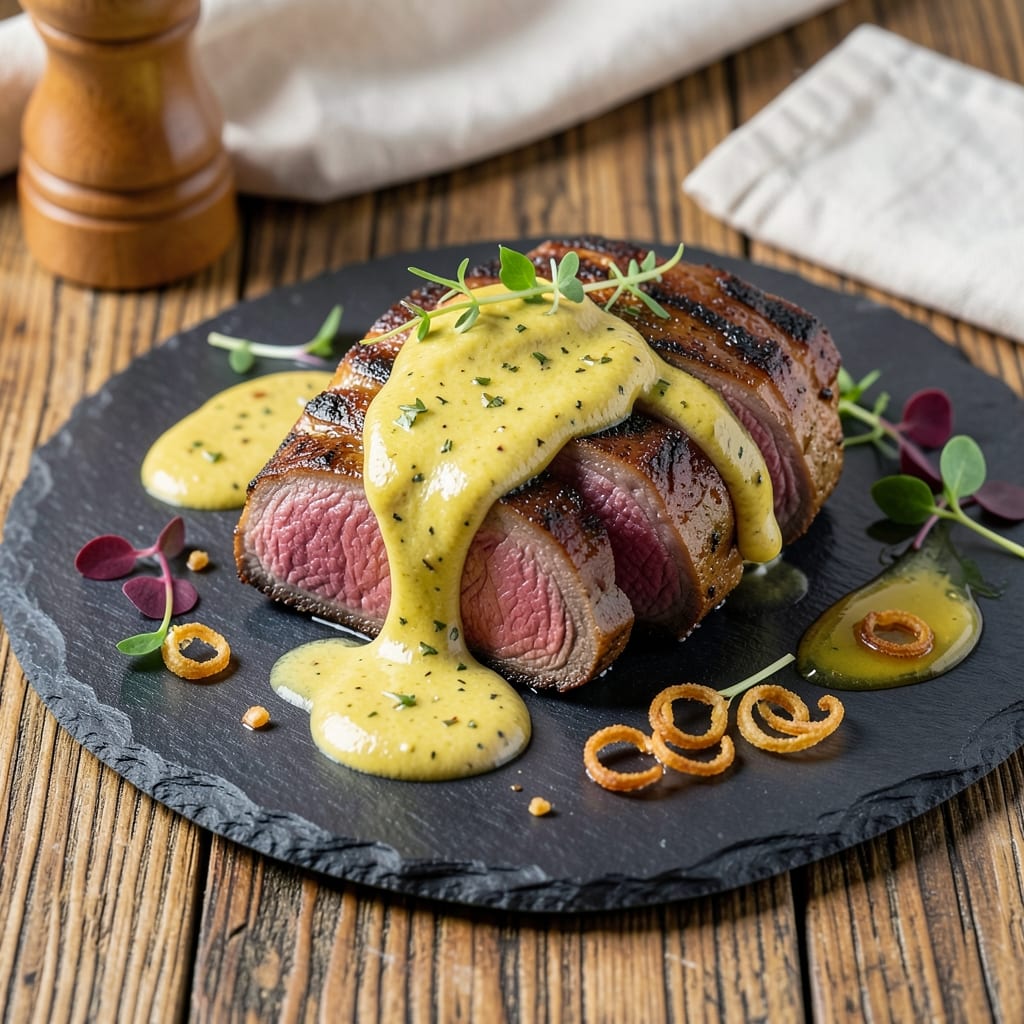
The Barefoot Contessa beef tenderloin with horseradish sauce delivers restaurant-quality results with a horseradish-kissed crust and impossibly tender, juicy meat. This recipe combines classic reverse sear technique with a bold horseradish sauce that adds a tangy, spicy kick—perfect for special occasions or when you want to impress. The secret lies in precise temperature control and a sauce that balances heat with richness.
What sets this dish apart is the foolproof reverse sear method, ensuring a perfect medium-rare center while creating a caramelized crust. The horseradish sauce—made with just a few ingredients—elevates every bite, cutting through the richness of the beef with its sharp, zesty flavor. It’s the kind of dish that feels luxurious but is actually straightforward to execute.
By the time you serve this, you’ll have a juicy, perfectly cooked beef tenderloin with a crust that’s crispy and flavorful, all paired with a sauce that’s bright and complex. The result is a main course that’s sure to be the star of your dinner table, whether you’re cooking for a date night or a holiday feast.
Pair it with roasted vegetables or a simple side salad to complete the meal. The sauce also works as a dipping sauce for the beef slices, adding an extra layer of flavor. Let’s get started on this showstopper recipe!
Ingredients for barefoot contessa beef tenderloin with horseradish sauce
Six ingredients for the beef, five for the sauce—simple yet luxurious components for restaurant-quality results.
| Ingredient | Amount | Notes |
|---|---|---|
| Beef Tenderloin 🥩 | 4 lb | Center-cut, trimmed of silver skin |
| Kosher Salt 🧂 | 2 tbsp | Diamond Crystal preferred for clarity |
| Freshly Ground Black Pepper 🌶️ | 1 tbsp | Coarsely ground for texture |
| Unsalted Butter 🧈 | ½ cup | Cold, cubed for crust formation |
| Fresh Horseradish Root 🥕 | ½ cup | Grated, not prepared horseradish |
| Heavy Cream 🥛 | 1 cup | Full-fat for sauce richness |
| Dijon Mustard 🍯 | 1 tbsp | High-quality for depth of flavor |
| Fresh Lemon Juice 🍋 | 2 tbsp | Freshly squeezed for brightness |
| Olive Oil 🫒 | 2 tbsp | Extra-virgin for finishing |
| Garlic Cloves 🧄 | 4 cloves | Minced for sauce base |
| Fresh Thyme Leaves 🌿 | ¼ cup | Chopped, stems removed |
| Granulated Sugar 🍬 | 1 tsp | Balances horseradish heat |
The beef tenderloin is non-negotiable here—center-cut with visible marbling ensures tenderness. Whole Foods or local butchers carry the best quality, but any reputable grocery store's premium section will work. Trim the silver skin before cooking, and let the meat sit at room temperature for 30 minutes before searing. For the horseradish, fresh root is essential—prepared horseradish lacks the sharp, vibrant kick. Look for roots with smooth, firm skin, and store any extras in the fridge for up to 2 weeks.
No fresh horseradish? Prepared horseradish at half the amount works in a pinch, but the flavor won't be as bright. Substitute heavy cream with half-and-half for a lighter sauce, though it won't be as rich. For the butter, European-style melts better—Plugrá is a great option. The sugar balances the heat, so don't skip it even if you're sensitive to sweetness. Fresh thyme can be swapped for dried at one-third the amount, but fresh is ideal. If you're short on time, pre-minced garlic from a jar works, though fresh is always better.
The beef tenderloin reheats beautifully—20 minutes at 300°F ensures it stays juicy. Store leftovers in an airtight container for 3-4 days or freeze for 3 months. The horseradish sauce keeps for 5 days in the fridge, though it's best used within 2 days for maximum brightness. Portion the sauce into small jars for easy reheating—just warm gently on the stove. For a showstopper presentation, serve the beef sliced against the grain with the sauce spooned alongside.
Why You'll Love This Recipe
- Two-Ingredient Magic: The beef tenderloin does all the heavy lifting—just salt, pepper, and butter. Honestly, I swear by the simplicity: you’re basically letting the meat shine while the horseradish adds that kick that makes it feel special.
- Horseradish Heat Hacks: That fresh horseradish root? It’s the secret weapon—sharp, bright, and lingers just enough to wake up every bite. I’ll be real: it’s the one ingredient that turns a good roast into a showstopper without extra effort.
- Weeknight to Dinner Party: Same recipe, zero stress—whether it’s feeding two or six. The sauce keeps well, and the tenderloin reheats beautifully, so I’ve used it for everything from lazy Sundays to hosting friends who think I’m a fancy chef.
- Leftovers That Don’t Suck: Cold slices the next day? Still buttery, still tender, still packed with flavor. Between us, this is the only roast I make when I’m lazy because the leftovers actually taste better than takeout. (Yes, even on a Tuesday night.)
Step-by-step instructions for beef tenderloin with horseradish sauce
Master this technique and you'll achieve a perfectly seared crust with a juicy, tender interior every time.
Prepare and Season the Beef Tenderloin
Remove the beef tenderloin from the refrigerator and let it sit at room temperature for 30 minutes. This ensures even cooking throughout. Pat the surface completely dry with paper towels—moisture is the enemy of a good sear.
In a small bowl, combine the 2 tablespoons kosher salt and 1 tablespoon freshly ground black pepper. Generously coat the entire surface of the tenderloin with this seasoning, pressing it into the meat so it adheres evenly. Place the seasoned tenderloin on a wire rack set over a rimmed baking sheet to allow air circulation on all sides.
Sear the Beef Tenderloin
Preheat your oven to 450°F. Heat 2 tablespoons olive oil in a large oven-safe skillet over medium-high heat until shimmering. Place the tenderloin in the skillet and sear for 4-5 minutes per side, turning carefully with tongs, until it develops a deep golden-brown crust.
Transfer the skillet to the preheated oven and roast for 15-20 minutes for medium-rare (internal temperature 125-130°F). Use a meat thermometer to check the internal temperature—this is the only reliable way to ensure perfect doneness. Remove the tenderloin from the oven and let it rest for 15 minutes before slicing.
Prepare the Horseradish Sauce
While the beef rests, melt the ½ cup unsalted butter in a saucepan over medium heat. Add the 4 minced garlic cloves and cook for 30 seconds until fragrant. Stir in the ½ cup grated fresh horseradish root, 1 teaspoon granulated sugar, and 1 tablespoon Dijon mustard, cooking for 2 minutes to mellow the horseradish's heat.
Reduce the heat to low and gradually whisk in the 1 cup heavy cream, ensuring it doesn't curdle. Simmer for 3-4 minutes until the sauce thickens slightly. Remove from heat and stir in the 2 tablespoons fresh lemon juice and ¼ cup chopped fresh thyme leaves. Keep the sauce warm until serving.
Slice and Serve
Using a sharp carving knife, slice the rested beef tenderloin into ½-inch thick medallions, cutting against the grain for maximum tenderness. Arrange the slices on a warm platter and drizzle generously with the prepared horseradish sauce.
The sauce should coat the beef beautifully, adding a bright, tangy contrast to the rich, juicy meat. Serve immediately with roasted vegetables or a fresh salad to complement the dish. Each bite should deliver a perfect balance of crispy crust, tender interior, and the signature horseradish kick.
Pro Tips For Making Barefoot Contessa Beef Tenderloin With Horseradish Sauce
- USE A MEAT THERMOMETER: The Barefoot Contessa recipe calls for medium-rare (130°F internal temp), but I learned the hard way—guessing leads to overcooking. A good thermometer takes the stress out, and you’ll nail that perfect pink center every time. (Pro tip: Insert it sideways into the thickest part—no bone to hit.)
- PEEL HORSERADISH LIKE A PRO: Fresh horseradish loses its kick when oxidized, so don’t grate it until you’re ready to use it. Scrub the root, trim the ends, and peel it lengthwise with a vegetable peeler—like you’re shaving a potato. This keeps the texture smooth and the heat sharp. (Yes, it’s messy, but worth it.)
- SEAR IN BATCHES: A crowded pan steams the beef instead of searing it, which ruins that golden crust. Work in two batches if needed—just 2-3 minutes per side over screaming-hot heat. The butter will foam like crazy, but that’s how you know it’s working. (Your future self will thank you for crispy edges.)
- REST THE MEAT RIGHT: After pulling the beef from the oven, tent it loosely with foil and let it sit for a full 10 minutes. I used to cut into it too soon, and the juices would pool on the plate instead of staying inside. This step guarantees tender, juicy slices—no dry surprises here.
Common mistakes when making perfect results
Over-Searing the Crust
One of the biggest mistakes is over-searing the beef tenderloin, which can turn the crust bitter and dry. I’ve seen this happen when people crank the heat too high or leave the meat in the pan too long. Stick to medium-high heat and sear for just 4-5 minutes per side—any longer risks burning the outside before the inside cooks through. A cast-iron skillet like the Lodge 10.25-inch is perfect for this because it retains heat evenly without scorching.
Skipping the Rest
Rushing to slice the beef immediately after roasting is another common error. The beef needs that 15-minute rest to redistribute its juices—skipping this step leads to dry, stringy slices. I’ve learned this the hard way: once, I sliced too soon and ended up with meat that tasted like shoe leather. Use a meat thermometer to confirm 125-130°F internal temperature before resting, and resist the urge to cut into it early.
Using Prepared Horseradish
Substituting prepared horseradish for fresh root changes the sauce entirely. Prepared horseradish is milder and lacks the sharp, vibrant kick that fresh grated root provides. If you’re short on time, use half the amount of prepared horseradish, but know it won’t deliver the same depth of flavor. Fresh horseradish root is worth the effort—look for smooth, firm roots at the grocery store, and grate it just before cooking to preserve its potency.
Overcooking the Beef
Medium-rare (or even medium) is the ideal doneness for beef tenderloin, but many people overcook it out of fear. Using a meat thermometer is non-negotiable here—aim for 125-130°F internal temperature for medium-rare. If you’re serving guests who prefer well-done, plan to cook it to 145°F and rest for 20 minutes, but even then, the texture won’t be as tender. Trust the thermometer, not the time.
Ignoring the Sugar in Sauce
The 1 teaspoon granulated sugar in the horseradish sauce might seem unnecessary, but it’s crucial for balancing the heat. Without it, the sauce can taste overly sharp and harsh. I’ve made this sauce without sugar, and while it’s still good, the flavor is less harmonious. The sugar also helps caramelize the horseradish slightly, adding depth. Don’t skip it—even if you’re sensitive to sweetness, the amount is minimal.
Not Prepping Ingredients Ahead
Mise en place is key, especially with a dish like this that has multiple components. Chopping garlic, grating horseradish, and measuring spices while the beef rests ensures everything is ready when you need it. I once forgot to prep the horseradish sauce ingredients ahead of time, and by the time I got to it, the beef was already overcooked. Keep a small bowl of grated horseradish and minced garlic ready—it makes the process smoother and less stressful.
Nutrition facts
Frequently asked questions
Can I substitute fresh horseradish with prepared horseradish?
You can use prepared horseradish, but it won't deliver the same vibrant kick. For the best results, use half the amount of prepared horseradish (about ¼ cup instead of ½ cup fresh). The fresh root provides a sharper, more complex flavor that balances beautifully with the beef's richness. If you're short on time, prepared horseradish still works—just reduce the quantity.
How do I adjust the recipe for fewer servings?
This recipe serves 6, so for 4 servings, reduce the beef to 2.5 pounds and halve all other ingredients. For 2 servings, use 1.5 pounds beef and reduce ingredients proportionally. The cooking times remain the same, but adjust the horseradish sauce to ½ cup for 4 servings or ¼ cup for 2 servings.
Can I make the horseradish sauce ahead of time?
Yes, but it's best used within 2 days for maximum brightness. Store it in an airtight container in the fridge, and reheat gently on the stove before serving. If making ahead, add the lemon juice and thyme just before serving to preserve their freshness. The sauce can also be frozen for up to 1 month, though texture may change slightly.
What's the best way to reheat leftover beef tenderloin?
Reheat slices in a 300°F oven for 20 minutes to maintain juiciness. Avoid microwaving, as it can make the meat dry. For extra flavor, add a splash of beef broth or the horseradish sauce to the reheating dish. Slice leftovers against the grain for tenderness, and serve with fresh horseradish sauce to revive its bright flavors.
How do I handle a beef tenderloin with uneven thickness?
If your tenderloin has varying thickness, sear the thickest sides first, then flip to the thinner sides. Use a meat thermometer to check doneness in the thickest part—it should reach 125-130°F for medium-rare. For extra insurance, place a thin slice of butter on the thinner sides before roasting to help protect them from overcooking.