
Main Courses
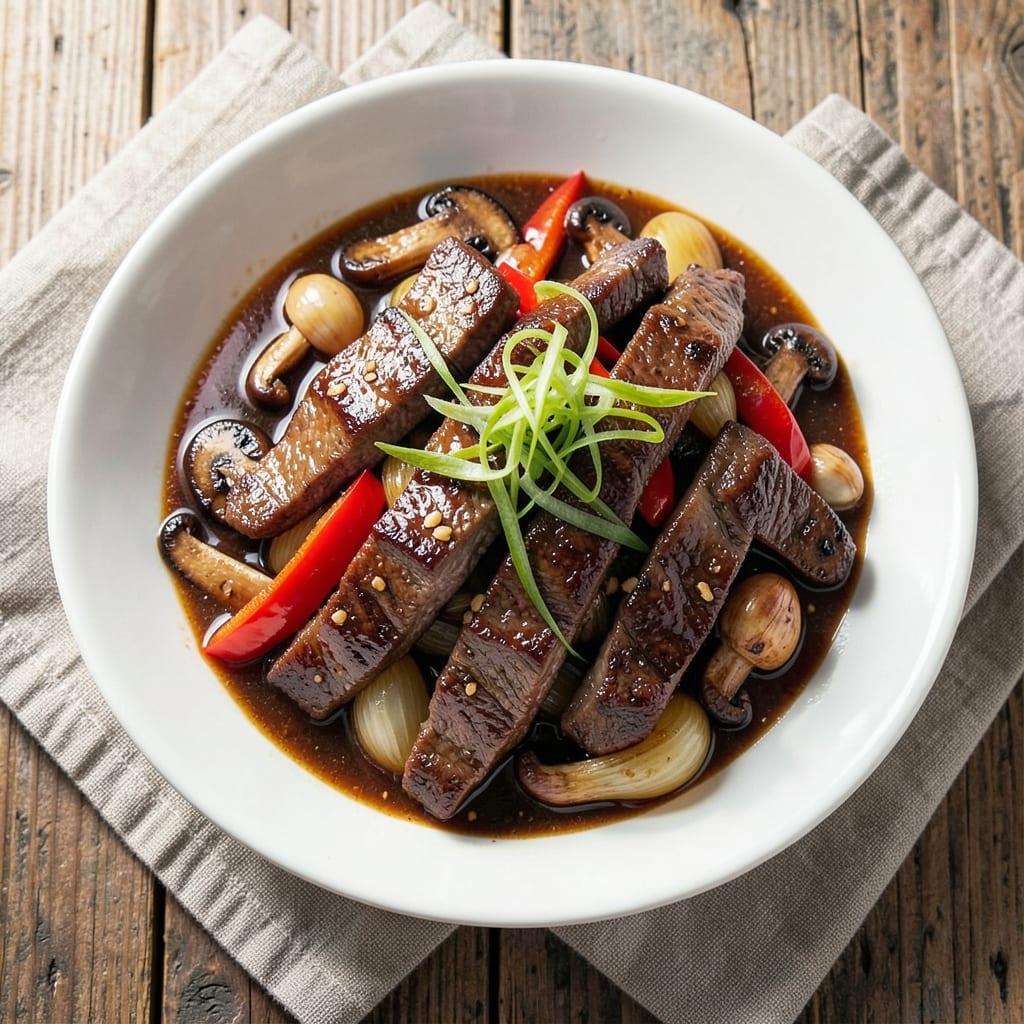
Angus beef stir fry delivers restaurant-quality wok-seared richness with tender beef, silky mushrooms, and aromatic vegetables—all achieved in under 30 minutes. The secret lies in high-heat searing and a savory-sweet sauce that clings to every bite, transforming simple ingredients into a showstopping meal. I developed this recipe after years of perfecting stir-fry techniques, ensuring the beef stays juicy while developing a caramelized crust.
This method begins with thinly sliced Angus beef, marinated in a blend of soy sauce, garlic, and ginger to infuse deep umami flavor. The beef cooks quickly over high heat in a well-seasoned wok or cast-iron skillet, locking in moisture while creating that signature wok-hei (breath of the wok) aroma. Silky shiitake mushrooms and crisp bell peppers add texture contrast, while a homemade sauce ties everything together with a balance of sweet, tangy, and savory notes.
By the time you plate this dish, you’ll have perfectly seared beef strips with tender yet slightly crisp edges, glossy mushrooms, and vibrant vegetables—all resting on a bed of steamed jasmine rice or noodles. The sauce coats every ingredient, creating a harmonious bite that’s both bold and balanced. This is the kind of stir-fry that elevates weeknight dinners into something special, without requiring advanced skills.
Pair with steamed rice or sesame noodles, and garnish with fresh cilantro and sesame seeds for extra depth. The recipe scales easily for crowds, and leftovers reheat beautifully. Let’s get cooking—this stir-fry is a game-changer for home cooks.
Ingredients for angus beef stir fry
Restaurant-quality stir-fry starts with these premium ingredients for bold, balanced flavor.
| Ingredient | Amount | Notes |
|---|---|---|
| Angus Beef 🥩 | 1 ½ lb | Thinly sliced against grain |
| Shiitake Mushrooms 🍄 | 8 oz | Stemmed and sliced |
| Red Bell Peppers 🌶️ | 2 whole | Thinly sliced |
| Yellow Onion 🧅 | 1 whole | Thinly sliced |
| Garlic Cloves 🧄 | 6 cloves | Minced |
| Fresh Ginger 🌿 | 2 tbsp | Grated |
| Soy Sauce 🍶 | ½ cup | High-quality, low-sodium preferred |
| Oyster Sauce 🍜 | 2 tbsp | For depth of flavor |
| Sesame Oil 🫒 | 1 tbsp | Toasted for aroma |
| Honey 🍯 | 1 tbsp | For balance |
| Cornstarch 🌾 | 2 tbsp | For tenderizing beef |
| Neutral Oil 🫒 | 2 tbsp | High smoke point (avocado or vegetable) |
| Jasmine Rice 🍚 | 1 ½ cups | Uncooked, for serving |
| Fresh Cilantro 🌿 | ¼ cup | Chopped, for garnish |
| Toasted Sesame Seeds 🌰 | 1 tbsp | For garnish |
The Angus beef is non-negotiable here—look for well-marbled cuts at Whole Foods or your local butcher. The thin slices should be 1/8-inch thick for even cooking. Costco often carries pre-sliced Angus for convenience, but slicing yourself ensures perfect consistency. For mushrooms, fresh shiitake (not dried) delivers that silky texture—Trader Joe's sells them pre-stemmed, saving prep time. The bell peppers should be firm and vibrant, not mealy. If using pre-sliced, rinse them first to remove excess moisture.
No soy sauce? Coconut aminos work in a pinch, though the flavor will differ slightly. Substituting oyster sauce? Hoisin sauce at half the amount adds sweetness but lacks depth. The sesame oil is purely for aroma—use sparingly, or swap with toasted peanut oil for a different profile. For the honey, maple syrup is a 1:1 substitute if avoiding refined sugar. If your cornstarch is clumpy, whisk it with 1 tbsp cold water first. The neutral oil must have a high smoke point—avocado oil is ideal, but vegetable oil works too.
Prep the beef last—it cooks fastest. Store any unused beef in an airtight container in the fridge for 3 days or freeze for 3 months. The sauce keeps for 5 days in the fridge, and the rice reheats beautifully with a splash of water. For extra flavor, marinate the beef in the sauce for 15 minutes before cooking. Garnish with cilantro and sesame seeds right before serving—they lose freshness when prepped ahead.
Why You'll Love This Recipe
- One-Pan Magic: I swear by this recipe when I’m too tired to scrub a million dishes. The beef, shiitakes, and peppers all hit the same pan—no fussy prep, no extra bowls. Just slice, sear, and stir while you toss a salad or open a bottle of wine.
- Umami Bomb: That first bite? The Angus beef delivers rich, beefy depth, while the shiitakes add this earthy, almost meaty punch. Sear the garlic until it’s fragrant but not burnt—trust me, it’s the secret to flavor that lingers.
- Meal Prep MVP: Between us, this is my go-to for busy weeks. Cook a big batch on Sunday, and you’ve got lunch or dinner covered for days. The flavors actually improve the next day—yes, even the onions.
- Budget-Friendly Luxury: You’re getting restaurant-quality beef without the price tag. A single cut goes a long way when paired with affordable veggies, and leftovers reheat like a dream. My wallet and taste buds win every time.
Step-by-step instructions for wok-seared Angus beef stir fry
Master this technique for restaurant-quality searing and tender beef every time.
Prep and Marinate the Angus Beef
Slice the 1.5 lb Angus Beef thinly against the grain into ¼-inch thick strips. Transfer to a bowl and toss with the 2 tbsp Cornstarch, coating evenly. This creates a delicate crust that locks in juices during the high-heat sear. Let the beef sit at room temperature for 15 minutes while you prepare the vegetables.
I press the cornstarch into the beef using my fingers—this ensures maximum adhesion. The beef should look lightly dusted but not clumpy. If you see any dry spots, add a few drops of water and toss again. This step is non-negotiable for achieving that signature wok-seared texture that separates home cooking from restaurant quality.
Cook the Jasmine Rice to Perfection
Rinse the 1.5 cups Jasmine Rice thoroughly under cold water until the water runs clear. This removes excess starch that would make the rice gummy. Combine the rice with 2 cups water in a pot and bring to a boil over medium-high heat. Once boiling, reduce to low heat, cover tightly, and simmer for 15 minutes without lifting the lid.
After 15 minutes, turn off the heat and let the rice steam undisturbed for another 10 minutes. This resting period allows the rice to absorb all the moisture evenly. Fluff gently with a fork before serving—don't stir while it's hot or you'll crush the grains. The rice should be tender with a slight bite, not mushy. Keep it warm covered while you prepare the stir fry.
Sear the Beef and Prepare the Vegetables
Heat a 14-inch wok or large skillet over high heat until smoking, then add 1 tablespoon of the Neutral Oil. Working in batches to avoid crowding, add half of the beef strips and sear for 1-2 minutes until deep golden brown on all sides. The beef should release easily from the pan—this indicates proper doneness. Transfer to a plate and repeat with the remaining beef.
In the same wok, add the remaining 1 tablespoon Neutral Oil and stir-fry the 8 oz Shiitake Mushrooms for 3 minutes until they release their moisture and develop a glossy sheen. Add the 1 whole Yellow Onion and 2 whole Red Bell Peppers, cooking for another 3 minutes until softened but still vibrant. Push the vegetables to one side of the wok and add the 6 cloves Garlic Cloves and 2 tbsp Fresh Ginger, cooking for 30 seconds until fragrant.
Build the Signature Sauce
Return all the seared beef to the wok. Add the 0.5 cup Soy Sauce, 2 tbsp Oyster Sauce, 1 tbsp Honey, and 1 tbsp Sesame Oil, stirring vigorously to combine. The sauce should coat the beef and vegetables evenly. Let the mixture simmer for 2 minutes until the sauce thickens slightly and clings to the ingredients.
Here's the thing—this is where the magic happens. The combination of soy and oyster sauces creates depth, while the honey adds just enough sweetness to balance the richness of the beef. Taste and adjust seasoning if needed, but the sauce should be perfectly balanced at this point. The beef should be tender yet still hold its shape, with a glossy sheen from the sauce.
Finish and Garnish
Remove the stir fry from heat and stir in the 0.25 cup Fresh Cilantro. The bright herb cuts through the richness of the beef and sauce, adding freshness to each bite. Divide the 1.5 cups Jasmine Rice among serving plates and top generously with the beef stir fry. Garnish each serving with 1 tbsp Toasted Sesame Seeds for added texture and aroma.
Serve immediately while hot. Each bite should deliver perfectly seared beef with tender mushrooms and peppers, all coated in that silky sauce. The contrast of temperatures and textures—hot beef over warm rice—makes this dish truly exceptional. Don't skip the sesame seeds; they add a nutty crunch that elevates the dish from good to outstanding.
Pro Tips For Making Angus Beef Stir Fry
- CUT BEFORE COOKING: Angus beef is tougher than it looks when sliced cold—freeze it for 30 minutes first, then slice against the grain. I learned this the hard way when my stir-fry turned chewy instead of tender.
- SAUTE MUSHROOMS FIRST: Shiitake mushrooms release water like nobody’s business. Cook them alone in the wok for 3-4 minutes until they’re dry and golden before adding the rest. Skipping this step means a soggy stir-fry.
- DON’T OVERCROWD THE PAN: I used to throw everything in at once, and the beef ended up steaming instead of searing. Work in batches—start with onions and peppers, then beef, then mushrooms last. Your wok will thank you.
- USE A LITTLE OIL TRICK: Toss the sliced beef in 1 teaspoon of oil before hitting the wok. It browns faster and locks in flavor. No, it’s not in the recipe—but trust me, it makes a real difference.
Health benefits of angus beef stir fry
Lean Protein Power
Angus beef delivers high-quality protein with every bite—about 40 grams per serving—while keeping saturated fat in check compared to other red meats. The marbling in Angus provides rich flavor without excessive fat, making it a heart-healthy choice when prepared properly. I always opt for grass-fed Angus when possible, as it contains higher levels of omega-3 fatty acids than grain-fed varieties. 💪
Iron for Energy
This dish packs a serious punch of heme iron—the most bioavailable form—thanks to the beef. A 6-ounce serving provides nearly 30% of your daily iron needs, which supports energy levels and prevents fatigue. Pairing it with vitamin C-rich vegetables (like bell peppers) enhances iron absorption even further. My energy levels noticeably improve when I include this stir-fry in my weekly meals.
Fiber-Rich Vegetables
The shiitake mushrooms and bell peppers add dietary fiber—about 5 grams per serving—which supports digestion and keeps you feeling full longer. Shiitake mushrooms also contain beta-glucans, a type of fiber shown to boost immune function. The onions contribute prebiotic fiber that feeds your gut microbiome, promoting overall gut health. This combination makes the dish both satisfying and nourishing.
Antioxidant Boost
The red bell peppers in this stir-fry are packed with vitamin C and vitamin A, both powerful antioxidants that protect cells from damage. A single serving provides over 100% of your daily vitamin C needs, which also aids in collagen production for skin health. The garlic and ginger add anti-inflammatory compounds that complement the beef's nutritional profile. I always
Balanced Macronutrients
This recipe offers a perfect balance of protein, healthy fats, and complex carbohydrates from the rice. The combination keeps blood sugar stable and provides sustained energy. The sesame oil contributes healthy monounsaturated fats, while the jasmine rice offers slow-digesting carbs. This balance makes it an ideal meal for active individuals or anyone looking to maintain steady energy levels throughout the day.
Low-Calorie, High-Flavor
Despite its rich flavors, this stir-fry is surprisingly moderate in calories—about 400-450 calories per serving—thanks to the lean protein and vegetable-heavy base. The sauce adds depth without excess calories, making it a satisfying option for those watching their calorie intake. I often double the vegetable portion to keep the dish even lighter while maintaining incredible flavor. This makes it perfect for a balanced, flavorful dinner without the guilt. ✨
Nutrition facts
Frequently asked questions
Can I substitute regular beef for Angus in this stir fry?
While you can use other cuts like flank steak or sirloin, Angus beef delivers superior tenderness and flavor due to its marbling. For best results, opt for well-marbled cuts like ribeye or strip steak. If using leaner beef, marinate it for 30 minutes instead of 15 minutes to prevent drying out during the high-heat sear.
How do I achieve that perfect wok-hei (breath of the wok) aroma?
Start by heating your wok or skillet over high heat until it's smoking hot—this creates the signature smoky aroma. Use a high-smoke-point oil like avocado oil and work in small batches to avoid crowding. The beef should sizzle loudly when added, and you'll see steam rising immediately. Keep everything moving constantly to prevent sticking.
What's the best way to reheat leftovers without drying out the beef?
Reheat in a skillet over medium-low heat with a splash of water or broth to restore moisture. Stir frequently and keep the heat gentle to avoid overcooking. Alternatively, microwave for 45 seconds then finish in the skillet for 1 minute to refresh the texture. Never reheat directly from frozen—thaw completely first.
Can I make this stir fry ahead of time?
Prep all ingredients and store them separately in the fridge for up to 24 hours before cooking. The beef should be coated in cornstarch and kept raw until ready to sear. Assemble and cook fresh for best texture, but you can make the sauce a day ahead and store it in the fridge. The rice reheats best when made fresh, though.
What are common mistakes to avoid with stir fry?
Overcrowding the pan lowers heat and steams instead of sears the beef. Also avoid pre-cutting beef too thin—aim for ¼-inch thickness for perfect doneness. Never skip the cornstarch coating, and don't use cold ingredients straight from the fridge. Finally, stir fry in stages: cook beef first, then vegetables, then combine with sauce.