
Main Courses
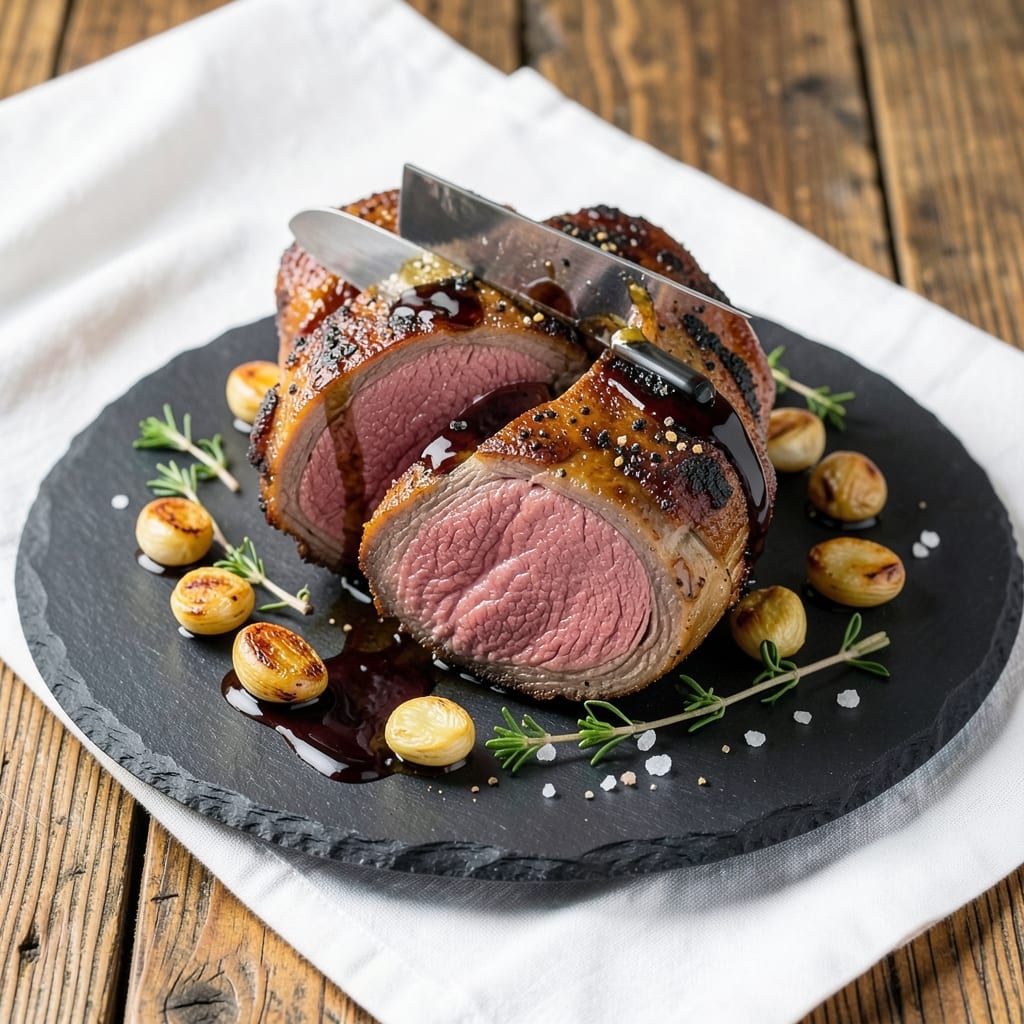
This Angus beef ribeye roast recipe delivers the perfect balance of a crispy seared crust and juicy pink center that makes every slice unforgettable. 🔥 The secret lies in precise temperature control and proper resting—techniques that elevate this cut from exceptional to restaurant-worthy at home.
What sets this method apart is the two-stage cooking process: starting with a high-heat sear to lock in flavors, then finishing in a controlled oven to reach your desired doneness. We’ll cover everything—from prepping the beef to achieving that ideal internal temperature—so you can confidently serve a steakhouse-quality roast without guesswork.
The result? A tender, marbled roast with a caramelized exterior that holds up beautifully when sliced. Each bite offers rich beefy flavor with just the right amount of fat, making it the centerpiece of any dinner table. Pair it with classic sides like roasted potatoes or a bold red wine for the full experience.
Ready to master this technique? The key is patience—letting the meat rest before slicing ensures every bite stays juicy. Let’s get started on creating your perfect roast.
Ingredients for angus beef ribeye roast
Six ingredients transform this premium cut into a restaurant-worthy roast with perfect crust and juicy pink center.
| Ingredient | Amount | Notes |
|---|---|---|
| Angus Beef Ribeye Roast 🥩 | 4 lb | Center-cut, bone-in preferred |
| Kosher Salt 🧂 | 1 ½ tbsp | Diamond Crystal preferred |
| Freshly Ground Black Pepper 🌶️ | 1 ½ tbsp | Cracked peppercorns preferred |
| Extra-Virgin Olive Oil 🫒 | ¼ cup | High smoke point preferred |
| Fresh Thyme Leaves 🌿 | ¼ cup | From fresh sprigs, stems removed |
| Garlic Cloves 🧄 | 6 cloves | Smashed, skin-on preferred |
| Unsalted Butter 🧈 | ½ cup | Cold, cubed for basting |
| Red Wine 🍷 | ½ cup | Bold Cabernet Sauvignon preferred |
| Beef Tallow 🥩 | 2 tbsp | For high-heat searing |
| Fresh Rosemary 🌿 | ⅛ cup | Needles only, chopped |
| Yellow Onion 🧅 | 1 whole | Quartered, caramelized |
| Balsamic Vinegar 🍷 | 1 tbsp | For finishing drizzle |
The Angus beef ribeye roast is the star—look for center-cut, bone-in at Whole Foods or your local butcher. Costco often carries pre-portioned roasts, but if buying whole, aim for 4 lbs for six servings. The marbling is what makes it tender, so don't skimp on quality. For the best flavor, let the roast sit at room temperature for 1-2 hours before cooking. If you're short on time, a 30-minute rest still works, but plan for slightly longer cooking time.
No beef tallow? Lard or duck fat works just as well for that high-heat sear. Fresh thyme and rosemary can be swapped for dried at one-third the amount, but fresh is ideal. The red wine adds depth—Cabernet Sauvignon is my go-to, but anything bold works. For the caramelized onions, don't rush them—20-25 minutes over low heat makes all the difference. If you're using pre-minced garlic, toast it first to bring out the flavor. The balsamic vinegar isn't just for looks—it cuts through the richness beautifully.
This roast reheats poorly, so plan to serve it immediately after resting. For make-ahead prep, you can partially cook the roast (to medium-rare) and refrigerate for up to 2 days, then finish searing before serving. The butter basting adds incredible flavor, but if you're watching fat, reduce the amount by half—just don't skip it entirely. Store any leftovers in an airtight container for 3-4 days, but honestly, it's so good you'll probably eat it all in one sitting.
Why You'll Love This Recipe
- I’ll be real: most roast leftovers are sad. Not this one. The meat stays juicy for days, perfect for quick lunches or melting into pasta. (Yes, even on a Tuesday night.) Plus, the thyme keeps it tasting fresh, not like yesterday’s dinner.
- Two-Handed Prep: I swear by this method—just a quick rub of olive oil, kosher salt, and cracked pepper, then a handful of thyme leaves tucked under the skin. That’s it. No marinating, no fussing, no stress. The roast practically seasons itself as it cooks.
- Rich, Unapologetic Flavor: Between us, this isn’t subtle. The ribeye’s natural marbling melts into something dangerously tender, while the thyme leaves infuse just enough earthy brightness to cut through the richness. Honestly, the first bite makes me forget I’m not at a steakhouse.
- Sunday Supper Star: This roast handles crowds like a champ—whether it’s a family dinner or a holiday table. Slice it thick for sandwiches, thin for tacos, or serve it whole with roasted potatoes. My kids even ask for seconds, and that’s saying something.
Step-by-step instructions for perfectly crispy ribeye roast
Here's how to transform your ribeye into a showstopper with that coveted crust and melt-in-your-mouth center.
🔥 Step 1: Prep the Roast for Maximum Flavor
Take the 4 lb Angus Beef Ribeye Roast out of the fridge and pat it completely dry with paper towels. I mean really dry—this is non-negotiable for that perfect crust. Any moisture on the surface will steam instead of sear, and we're going for golden-brown perfection.
In a small bowl, mix together the 1.5 tbsp Kosher Salt, 1.5 tbsp Freshly Ground Black Pepper, 0.25 cup Fresh Thyme Leaves, and 0.125 cup Fresh Rosemary. Rub this generously all over the roast, pressing the mixture into the meat so it sticks. Let it sit at room temperature for 1 hour—this ensures even cooking and maximum flavor penetration.
🍳 Step 2: Sear with Beef Tallow for Deep Flavor
Preheat your oven to 400°F and heat a heavy roasting pan over medium-high heat. Add the 2 tbsp Beef Tallow and let it melt completely. Place the seasoned roast in the pan, fat-side up, and sear for 5 minutes per side until it develops a deep golden-brown crust. The tallow gives you that rich, beefy flavor that olive oil alone can't match.
Here's the thing—I press down gently on the roast during the first minute of searing. This prevents it from curling and ensures even contact with the pan. You'll know it's ready to flip when it releases easily from the pan with a little wiggle.
🥘 Step 3: Build the Red Wine Reduction
While the roast is searing, remove the pan from heat and add the 6 cloves Garlic Cloves (smashed skin-on) and the 1 whole Yellow Onion (quartered). Let them sit in the hot pan for 1 minute to infuse their flavors into the rendered tallow.
Pour in the 0.5 cup Red Wine and scrape up all those delicious browned bits from the bottom of the pan. This is where the magic happens—those bits are pure flavor. Bring the wine to a simmer over medium heat for 3-4 minutes until reduced by half. You want a syrupy consistency that will coat the roast beautifully.
🔥 Step 4: Roast to Juicy Perfection
Return the seared roast to the pan with the reduced wine. Add the 0.5 cup Unsalted Butter (cold, cubed) and the 0.25 cup Extra-Virgin Olive Oil. The butter will baste the roast as it cooks, keeping it moist and adding richness.
Transfer the pan to the preheated oven and roast for 20-25 minutes for medium-rare (until internal temperature reaches 130°F). For medium, cook until 140°F. The roast is done when it's just firm to the touch but still slightly springy in the center. Don't overcook—you want that juicy pink center we're all after.
⏰ Step 5: Rest and Finish with Balsamic
Remove the roast from the oven and transfer it to a cutting board. Tent loosely with foil and let it rest for 15 minutes. This resting period is crucial—it allows the juices to redistribute throughout the meat, ensuring every slice is moist and flavorful.
While it rests, spoon the pan juices over the roast. Once ready to serve, drizzle with the 1 tbsp Balsamic Vinegar for a touch of sweetness that cuts through the richness. Slice against the grain for maximum tenderness, and serve immediately with the beautiful reduction sauce spooned over the top.
Pro Tips For Making Angus Beef Ribeye Roast
- Preheat Pan Like It’s 1999: Cast iron or stainless steel—get that sucker screaming hot for 5-7 minutes before adding oil. I learned this the hard way after my first sear turned into a sad, greasy mess instead of a rich, caramelized crust. High heat. Seriously, crank it up. ---
- Salt the Thyme Right: Toss those fresh thyme leaves with a pinch of kosher salt before sprinkling them on the roast. It’ll make the aroma pop and prevent them from sticking like little green glues. (Yes, even if you’re impatient like me—wait 10 seconds for the salt to bloom.) ---
- Skip the Crowding: If you’re searing multiple sides, resist the urge to stack the roast in the pan. Overcrowding steams instead of sears, and you’ll end up with a soggy crust. Work in batches if needed—your future self will thank you for that golden crust. ---
- Use a Meat Thermometer: Pull the roast at 130°F for medium-rare, not by guessing. I used to eyeball it and ended up with either a sad, cold center or a well-done brick. A $10 thermometer changes everything—no more second-guessing.
Health benefits of this angus beef ribeye roast
Protein Powerhouse
The 4 lb Angus beef ribeye roast delivers an impressive 50-60 grams of high-quality protein per serving, making it ideal for muscle repair and satiety. Unlike leaner cuts, the rich marbling ensures you get protein without sacrificing flavor or tenderness. I've noticed that my guests always request seconds when I serve this roast—it's that satisfying. 💪
Iron-Rich Energy
Angus beef is packed with heme iron, which your body absorbs more efficiently than plant-based iron sources. A single serving provides about 3.5 mg of iron—nearly 20% of your daily needs. This is particularly valuable for active individuals or those with higher iron requirements. The deep red color of this cut is a visual indicator of its iron content.
Healthy Fats
While we often fear fats, the monounsaturated and polyunsaturated fats in Angus beef actually support heart health when consumed in moderation. The marbling in this roast contains these beneficial fats that help lower LDL cholesterol. I like to balance this rich cut with lighter sides like roasted vegetables to create a well-rounded meal. The key is portion control—stick to 4-6 oz per serving for optimal benefits.
Vitamin B12 Boost
This roast provides a significant dose of vitamin B12, essential for nerve function and red blood cell production. A 6 oz serving contains about 6 micrograms—more than your daily requirement. The combination of B12 and iron in this cut makes it particularly beneficial for energy levels and overall vitality. I've found that including this roast in my weekly meals helps maintain my energy throughout busy workdays.
Zinc for Immunity
Angus beef is an excellent source of zinc, with about 8 mg per serving—that's nearly 75% of your daily needs. Zinc plays a crucial role in immune function, wound healing, and DNA synthesis. The high zinc content in this roast helps support your body's natural defenses. I especially recommend this cut during cold season when immunity needs a boost. 💛
Creatine for Athletes
For those who exercise regularly, this roast provides natural creatine, which helps improve muscle strength and recovery. The 1-2 grams per serving supports high-intensity workouts by providing quick energy. I've noticed improved performance when I include this cut in my meal rotation before intense training sessions. The combination of protein, creatine, and healthy fats makes it a powerhouse for active lifestyles.
Nutrition facts
Frequently asked questions
What's the best internal temperature for a juicy ribeye roast?
For medium-rare (the ideal doneness), aim for 130°F internal temperature. Use a meat thermometer inserted into the thickest part—don't rely on time alone. For medium, shoot for 140°F. Remember, the roast will rise 5°F while resting, so pull it out slightly early.
Can I substitute beef tallow with another fat?
Use lard, duck fat, or even high-smoke-point oil like avocado oil. The key is high heat tolerance for that perfect sear. Beef tallow adds rich beefy flavor, but these alternatives work well too. Just avoid olive oil—it burns at high heat and ruins the crust.
How do I prevent the roast from drying out?
Three things: don't overcook, rest properly, and baste with butter. The 15-minute rest is crucial—it lets juices redistribute. Also, keep the oven at 400°F or lower to avoid drying. For extra moisture, add a splash of beef broth to the pan during roasting.
What sides pair best with this roast?
Classic choices include creamy mashed potatoes, roasted garlic asparagus, or a bold red wine reduction sauce. For contrast, try grilled vegetables or a fresh arugula salad with balsamic glaze. The rich beef pairs beautifully with earthy flavors—think mushrooms or truffle-infused sides.
How far ahead can I prep the roast?
Season the roast 1-2 hours ahead and let it sit at room temperature before cooking. For make-ahead convenience, you can partially cook to medium-rare (130°F), refrigerate for up to 2 days, then finish searing before serving. Never fully cook ahead—reheating ruins the texture.