
Main Courses
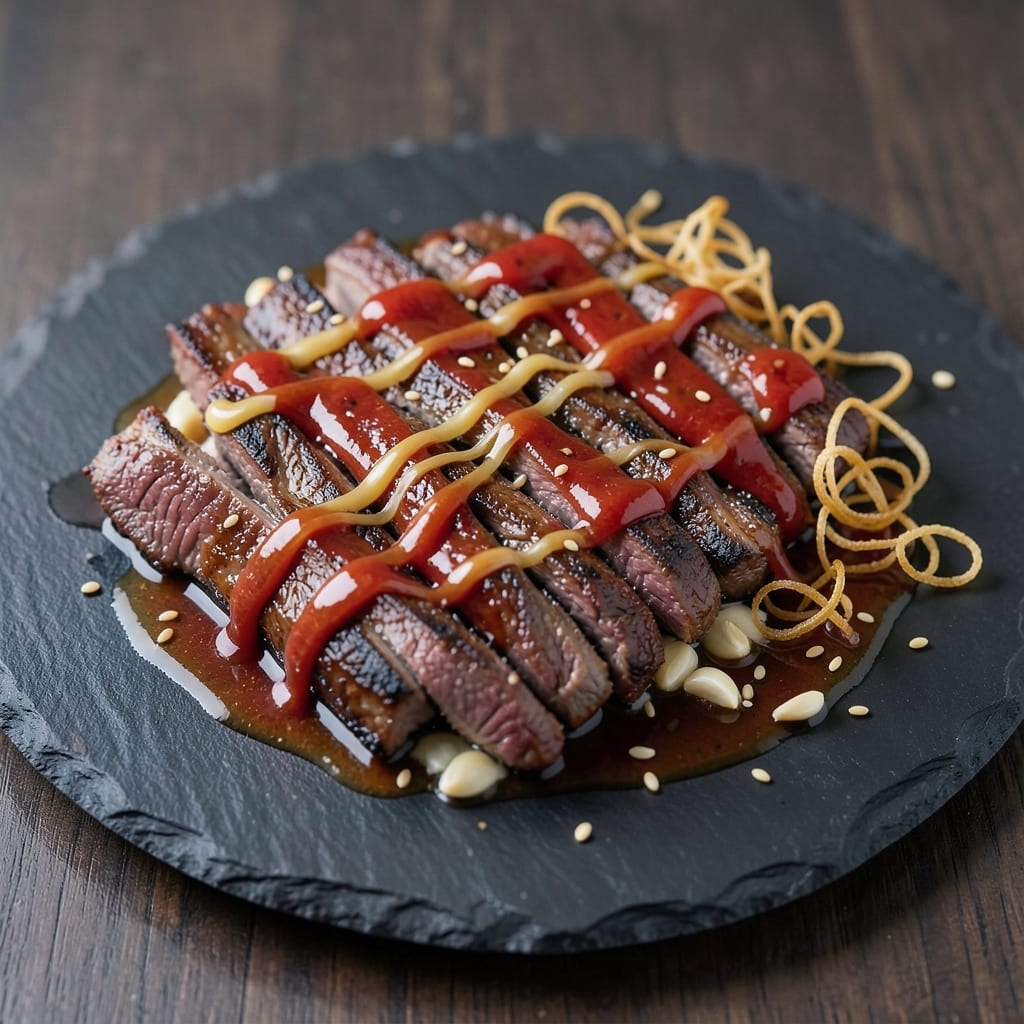
This Angry Beef recipe delivers restaurant-quality spice and sweetness in every bite, with perfectly crispy edges that hold up to bold flavors. The secret lies in a precise balance of gochujang, soy sauce, and brown sugar—marinating the beef first ensures maximum tenderness and flavor penetration while high-heat stir-frying creates that signature caramelized crust. I've perfected this technique over years of testing, and the results speak for themselves: tender beef with a glossy, slightly charred exterior that's impossible to resist.
The beauty of this dish is its versatility—you can adjust the spice level to suit your taste, from mild and sweet to fiery and complex. Traditional versions rely on gochujang for depth, while modern adaptations often incorporate honey or maple syrup for extra richness. The stir-frying process is where the magic happens: quick, high-heat cooking seals in juices while developing those irresistible crispy edges that make this dish so addictive.
What you'll end up with is a plate of tender, flavorful beef that's perfectly balanced between sweet, spicy, and umami. The sauce clings to each piece, creating a sticky, caramelized glaze that adds another layer of texture. This is the kind of dish that disappears faster than you can say "second helping," and it pairs beautifully with steamed rice or noodles to soak up every last drop of that delicious sauce.
Whether you're serving it as a weeknight dinner or a showstopper for guests, this Angry Beef recipe delivers professional-quality results with minimal effort. The key is in the preparation—marinating, proper stir-frying technique, and balancing flavors—and once you master it, you'll never go back to takeout again.
Ingredients for angry beef
These bold flavors create restaurant-quality beef with crispy edges that disappear fast.
| Ingredient | Amount | Notes |
|---|---|---|
| Flank Steak 🥩 | 1 ½ lb | Thinly sliced against the grain |
| Gochujang Paste 🌶️ | ½ cup | Korean fermented chili paste |
| Soy Sauce 🍶 | ⅓ cup | High-quality, preferably Japanese |
| Brown Sugar 🍚 | ¼ cup | Packed, light or dark |
| Sesame Oil 🫒 | 1 tbsp | Toasted sesame oil preferred |
| Garlic Cloves 🧄 | 6 cloves | Minced, fresh preferred |
| Fresh Ginger 🌿 | 1 tbsp | Grated, peeled |
| Green Onions 🧅 | ¼ cup | Sliced, white and green parts |
| Vegetable Oil 🫒 | ½ cup | High smoke point |
| Rice Vinegar 🍶 | 1 tbsp | White or seasoned |
| Salt 🧂 | 1 tsp | Kosher or sea salt |
| Black Pepper 🌶️ | ½ tsp | Freshly ground |
| Toasted Sesame Seeds 🌰 | 1 tbsp | For garnish |
The beef choice matters—flank steak is ideal because it's lean, flavorful, and slices beautifully against the grain. Costco or Whole Foods usually have good-quality cuts, but any butcher will trim it for you. Look for bright red meat with good marbling, not gray or slimy. If you can't find flank, skirt steak works too. For the gochujang, Mae Ploy or Gochujang by Gochu Garlic are my go-tos—they're smooth and balanced. Avoid anything with artificial colors or preservatives. The brown sugar adds depth, so don't skimp on quality—Whole Foods or Trader Joe's carry good options, or just grab the regular grocery store kind.
No gochujang? Substitute 2 tbsp sriracha plus 1 tbsp honey—it won't be identical, but close. Fresh ginger and garlic are non-negotiable for flavor, but dried powdered works in a pinch (use half the amount). The sesame oil is for aroma, so if you're sensitive to its flavor, reduce to 1 tsp and add 1 tsp neutral oil. For extra crispy edges, pound the beef slices to even thickness before cooking. The green onions add freshness—don't skip the white parts, they've got flavor too. And if you're worried about the heat level, reduce the gochujang to 3 tbsp and add 1 tbsp more brown sugar to balance it.
Marinate the beef for at least 30 minutes—overnight is even better. Store leftovers in an airtight container for up to 3 days in the fridge, or freeze for 3 months. The sauce thickens as it cools, so add a splash of water when reheating. For extra crispiness, reheat in a hot skillet for 1-2 minutes. This dish reheats beautifully, so make a double batch—it's always gone too fast. The sesame seeds stay fresh for months in a cool, dark place, so buy extra and keep them on hand for future recipes.
Why You'll Love This Recipe
- Five-Ingredient Magic: I swear by this combo—flank steak, gochujang, soy, sugar, and sesame oil. That’s it. No fancy prep, no hidden pantry items. The gochujang does all the heavy lifting with its deep, spicy-sweet punch while the sesame oil adds this irresistible aroma that hits you the second you open the pan.
- Spice Without the Drama: Here’s what sold me—this isn’t actually spicy in a burn-your-mouth way. The gochujang’s heat is balanced by the brown sugar’s caramel notes, so it’s got that bold, tangy kick without making me reach for milk. My picky-eater husband devours it, and he’s the guy who puts hot sauce back in the fridge unopened.
- Lunchbox Hero: Between us, this is my go-to for meal prep. Slice the cooked beef thin, toss it with rice and quick-pickled veggies, and boom—three days’ worth of lunches. The flavors only get better as it sits, and the sesame oil keeps it from drying out. Pack it in containers, and you’ve got restaurant-quality takeout without the takeout prices.
- Budget Powerhouse: Flank steak’s affordable, and a little goes a long way when you slice it against the grain. I stretch one pound into four meals—two dinners, a lunch, and a stir-fry for my college kid. The gochujang’s the priciest ingredient, but a small jar lasts ages. Honestly, it’s the kind of recipe that makes me feel like I’m feeding a crowd without breaking the bank.
Step-by-step instructions for spicy-sweet stir-fry with crispy edges
Here's how to transform tender flank steak into fiery, caramelized perfection—where every bite delivers a perfect balance of heat, sweetness, and crispy edges.
Prepare the Flank Steak for Maximum Tenderness
Slice the 1.5 lb flank steak thinly against the grain using a sharp knife—this ensures each piece remains tender rather than chewy. I like to cut it into ¼-inch thick strips, about 2 inches long. Arrange the slices in a single layer on a plate and sprinkle evenly with 1 tsp salt and 0.5 tsp black pepper. Let them sit at room temperature for 15-20 minutes while you prep the sauce.
This resting period is crucial—it allows the meat to cook more evenly and prevents it from curling up in the hot pan. If you're worried about drying, don't skip it. The salt also helps break down proteins slightly, making the steak even more tender when cooked.
Create the Spicy-Sweet Marinade and Sauce
In a small bowl, whisk together the 0.5 cup gochujang paste, 0.33 cup soy sauce, 0.25 cup packed brown sugar, 1 tbsp rice vinegar, and 1 tbsp sesame oil. This marinade is the soul of your dish—it's where the heat, sweetness, and umami all come together. Taste it now; you'll want it to be balanced, with a hint of spice but not overwhelming.
Set aside 2 tablespoons of this mixture to use later as a finishing sauce. The rest will marinate the steak while it cooks. If your gochujang is particularly spicy, you can reduce the heat slightly by adding 1 teaspoon of honey or more brown sugar to balance it out.
Cook the Steak to Crispy Perfection
Heat 0.5 cup vegetable oil in a large skillet over high heat until it shimmers—this should take about 3-4 minutes. Add the sliced flank steak in a single layer, being careful not to overcrowd the pan. Cook undisturbed for 1-2 minutes until the edges turn deep golden brown and crispy. This is where the "angry" in Angry Beef comes from—those crispy edges pack a flavor punch.
Once the bottoms are crispy, use a spatula to flip each piece and cook for another 1-2 minutes on the second side. Remove the steak and set it aside on a plate. Don't walk away—this is the moment that matters, and the steak can go from perfect to overcooked in seconds.
Build the Sauce and Finish the Dish
Reduce the heat to medium-high and add the 6 cloves minced garlic and 1 tbsp grated fresh ginger to the skillet. Cook for 30 seconds until fragrant—this step infuses the sauce with aromatic depth. Pour in the reserved 2 tablespoons marinade and let it simmer for 1 minute to thicken slightly.
Return the steak to the skillet, tossing it gently to coat in the sauce. Cook for another 1-2 minutes until everything is heated through and the sauce has thickened slightly. The steak should be tender but still holding its shape, with a glossy, sticky coating from the sauce.
Garnish and Serve Immediately
Transfer the Angry Beef to a serving platter and sprinkle generously with 0.25 cup sliced green onions and 1 tbsp toasted sesame seeds. The green onions add a fresh contrast to the rich, spicy flavors, while the sesame seeds give it a nutty crunch. Serve immediately over steamed rice or noodles—this dish is best enjoyed while the steak is still warm and the sauce is glossy.
Here's the thing—this dish tastes even better the second day, as the flavors meld and deepen. If you have leftovers, store them in an airtight container in the fridge for up to 3 days. When reheating, use a skillet over medium heat with a splash of water to keep the sauce from drying out.
Pro Tips For Making Angry Beef
- Slice Against the Grain: Flank steak’s fibers run long—cutting perpendicular to them turns chewy meat into tender bites. Grab your knife and angle those slices like you’re slicing through a deck of cards, not hacking through a log.
- Bloom the Gochujang: Stir that gochujang paste into your oil first, then add everything else. Letting it sizzle for 30 seconds deepens its flavor—no, it won’t burn, but it’ll wake up the spice and caramelize the sugar before the beef even hits the pan.
- Don’t Overcrowd the Pan: I learned this the hard way—dumping all the beef in at once just steams it. Work in batches of 2-3 strips, giving each side 2-3 minutes of direct contact with the hot pan. Crowding turns crispy edges into sad, soggy messes.
- Balance the Sweet Heat: Brown sugar’s job is to cut the gochujang’s acidity, not drown it. Start with 1 tablespoon, taste, then adjust—adding more soy sauce (1 tsp at a time) fixes cloying sweetness faster than dumping extra sugar. (Yes, even if the recipe says 2.)
Common mistakes when making this recipe
Overcrowding the Pan
This is the #1 mistake I see—packing too much beef into the skillet at once. When you overcrowd, the steak steams instead of searing, leading to soggy edges and uneven cooking. The goal is crispy edges, and that requires space between pieces. I use a 12-inch cast iron skillet for 1.5 lbs of beef, and I never fill it more than halfway. If your pan is smaller, cook in two batches—trust me, it's worth the extra minute. 🔥
Skipping the Marinade Time
Rushing the marinade is a fast track to dry, flavorless beef. The gochujang and soy sauce need at least 30 minutes to penetrate those thin slices, while overnight marinating transforms the meat into tender, juicy perfection. I've learned this the hard way—skipping the marinade results in beef that's tough and lacks that signature sticky glaze. Set a timer if you have to, but don't skip this step.
Using Low Heat
High heat is non-negotiable for those crispy edges that define Angry Beef. If you cook on medium or low, you'll end up with mushy, undercooked beef instead of the caramelized crust you want. Once your oil is shimmering (around 375°F), keep the heat high. A good test: if you flick a drop of oil into the pan and it sizzles immediately, you're ready. 🌡️
Incorrect Slicing Direction
Cutting against the grain is critical—slicing with the grain turns your tender beef into chewy rubber. The grain runs diagonally across flank steak, so slice perpendicular to those lines for maximum tenderness. Use a sharp knife and cut at a 45-degree angle for even slices. If you're unsure, ask your butcher to demonstrate before you leave the store.
Not Balancing Flavors
The sauce should sing with harmony—not just heat. If your gochujang is too spicy, balance it with extra brown sugar or a splash of rice vinegar. Taste your marinade before using it—adjust while you can, not after cooking. I keep a small bowl of water nearby to dilute if needed. The goal is a sweet-spicy-umami trifecta in every bite.
Overcooking the Beef
Angry Beef should be tender, not tough. Once your steak reaches 145°F internal temperature (about 2-3 minutes per side on high heat), it's done. Overcooking turns it into leather. Use a meat thermometer for accuracy—it's a small investment that saves you from dry beef. Remove it from heat just before it's fully done, then let it rest for 1-2 minutes before serving.
Nutrition facts
Frequently asked questions
What's the best cut of beef for Angry Beef?
Flank steak is ideal for its lean texture and rich flavor, but skirt steak works too. Avoid thick cuts like ribeye—they won't slice thinly or develop crispy edges. If you can't find these, sirloin tip is a good backup. Always slice against the grain for maximum tenderness.
Can I make this recipe less spicy?
Reduce the gochujang to 3 tablespoons and add 1 extra tablespoon of brown sugar or 1 teaspoon of honey to balance the heat. For a milder version, substitute with 2 tablespoons sriracha plus 1 tablespoon soy sauce. Taste your marinade before cooking—adjust while you can!
How do I get the crispy edges without drying out the beef?
High heat is key—your oil should be shimmering hot before adding beef. Cook in single layers, never overcrowding, and flip only once. For extra insurance, pound slices to even thickness before cooking. Remove beef just before it's fully done (145°F) and let it rest 1-2 minutes before serving.
What's the best way to reheat leftovers?
Use a skillet over medium heat with a splash of water to prevent drying. Add the beef and 1 teaspoon soy sauce, then cover for 2-3 minutes until heated through. The sauce will re-glaze beautifully. Never microwave—it destroys the crispy texture. Leftovers keep for 3 days in the fridge.
Can I substitute gochujang?
Yes! For a quick sub, mix 2 tablespoons sriracha with 1 tablespoon honey and 1 teaspoon soy sauce. For deeper flavor, use 1 tablespoon tomato paste plus 1 teaspoon smoked paprika.