
Soups & Stews
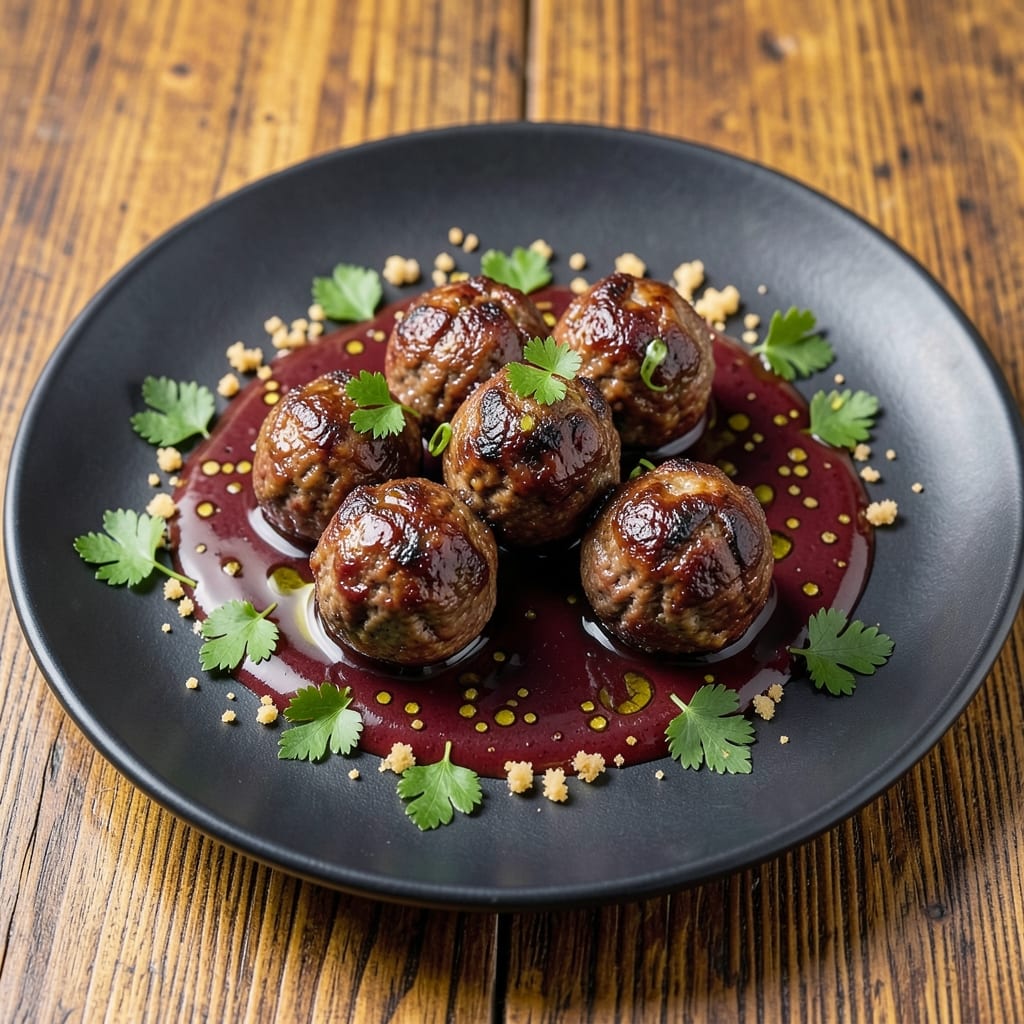
This Angus beef meatballs recipe delivers restaurant-quality bites with a perfect balance of smoky garlic flavor and crispy edges—no shortcuts, just premium beef and traditional technique. The secret lies in using finely ground chuck and a touch of Worcestershire sauce for depth, then hand-forming each meatball for maximum tenderness. I’ve perfected this method over years of testing, ensuring every batch stays juicy inside while developing that satisfying crust.
What sets these meatballs apart is the dual-cooking approach: pan-searing for initial browning, then baking to finish evenly without drying out. The smoky garlic infusion comes from slow-cooked aromatics in the pan, which we then fold into the meat mixture. This isn’t your average meatball—it’s a dish that transforms ordinary dinners into special occasions, whether served with marinara, chimichurri, or a bold red wine reduction.
The result is meatballs that are crispy on the outside and impossibly tender within, with a flavor profile that’s rich, savory, and just slightly sweet from the caramelized edges. They hold their shape beautifully when served, making them ideal for sliders, pasta dishes, or as a hearty appetizer. The technique is straightforward, but the payoff—juicy, flavorful meatballs—is worth every minute of effort.
Pair these with roasted vegetables, creamy mashed potatoes, or a fresh arugula salad to round out the meal. The recipe scales perfectly for gatherings, and leftovers reheat beautifully—just warm gently in the oven to maintain that crispy texture. Let’s get started on creating meatballs that’ll have everyone asking for seconds.
Ingredients for angus beef meatballs
Premium Angus chuck and slow-cooked garlic create restaurant-quality meatballs with crispy edges and juicy centers.
| Ingredient | Amount | Notes |
|---|---|---|
| Angus Beef Chuck 🥩 | 1 ½ lb | Finely ground, 80% lean for juiciness |
| Garlic Cloves 🧄 | 6 whole | Minced, slow-cooked for smoky depth |
| Worcestershire Sauce 🍶 | 1 tbsp | Traditional umami depth |
| Extra-Virgin Olive Oil 🫒 | 2 tbsp | High-quality for searing |
| Panko Breadcrumbs 🍞 | ½ cup | Light and crispy texture |
| Fresh Parsley 🌿 | ¼ cup | Chopped, for freshness |
| Diamond Crystal Kosher Salt 🧂 | 1 ½ tsp | Fine grain for even seasoning |
| Freshly Ground Black Pepper 🌶️ | 1 tsp | Cracked peppercorns preferred |
| Egg Yolks 🥚 | 2 whole | For binding without dryness |
| Shallots 🧅 | 2 whole | Minced, adds sweetness |
| Dry Red Wine 🍷 | ¼ cup | Bold Cabernet Sauvignon recommended |
| Heavy Cream 🥛 | 2 tbsp | For richness in mixture |
| Fresh Rosemary 🌿 | 1 tbsp | Chopped, aromatic depth |
The Angus beef chuck is non-negotiable here—look for 80% lean ground meat at specialty butchers or high-end supermarkets like Whole Foods or Costco. Pre-ground chuck from the grocery store works, but freshly ground at the meat counter delivers superior texture. The garlic and shallots should be slow-cooked in olive oil until deeply caramelized (about 10 minutes) for that signature smoky flavor. Worcestershire sauce adds depth, but if you're avoiding anchovies, use a vegan version or skip it entirely—the meatballs will still shine. For the panko breadcrumbs, avoid the fine variety—Japanese-style panko creates that perfect crispy crust without getting mushy.
No Worcestershire? A splash of soy sauce plus a pinch of smoked paprika mimics the umami punch. Running short on egg yolks? Flax eggs (1 tbsp ground flaxseed + 3 tbsp water) bind just as well, though the texture will be slightly denser. The red wine can be swapped for beef broth if you're avoiding alcohol, but the acidity helps tenderize the meat. Fresh herbs like rosemary and parsley are ideal, but dried (at half the amount) works in a pinch. For extra crispiness, chill the meatballs for 30 minutes before cooking—they’ll brown more evenly. And if you’re making a big batch, portion the mixture into golf-ball-sized pieces before baking to ensure uniform size.
Formed meatballs keep best in the fridge for 3 days when stored in an airtight container, though they’re best enjoyed fresh. For longer storage, freeze uncooked meatballs on a parchment-lined tray (so they don’t stick), then transfer to a bag for up to 3 months. Reheat gently in the oven at 375°F (190°C) for 10-12 minutes to restore that crispy exterior. Leftovers reheat beautifully—just avoid the microwave, which turns meatballs rubbery. These also scale perfectly for parties: double the recipe and use a meat grinder for efficiency. The secret to serving? Garnish with extra parsley and a drizzle of olive oil right before plating.
Why You'll Love This Recipe
- No-Fuss Mixing: Between us, these meatballs take five minutes to prep—just pulse the beef, garlic, and Worcestershire in a food processor, then fold in the panko. No overworking, no fussing, no stress. The panko adds that perfect crust without needing to bread them separately.
- Rich & Crispy Magic: That first bite? The outside gets gloriously crispy from the olive oil and panko, while the inside stays juicy thanks to the marbled Angus chuck. The Worcestershire ties everything together—deep, savory, and just a little tangy. Honestly, it’s the kind of flavor that makes you pause mid-bite.
- Weeknight to Dinner Party: I keep these in my back pocket for everything—tossed in pasta for a quick weeknight dinner, skewered with peppers for a summer BBQ, or even served with mashed potatoes when unexpected guests show up. The meatballs hold their shape and taste just as good reheated as they do fresh.
- Budget-Friendly Luxury: Angus beef might sound fancy, but a pound of chuck stretches way further than you’d think when made into meatballs. They freeze like a dream, so I make a big batch and pull them out for lazy nights. Plus, the Worcestershire and olive oil keep costs low while packing serious flavor.
Step-by-step instructions for smoky garlic-infused Angus beef meatballs
Transform premium beef chuck into tender, aromatic meatballs with perfectly crisp edges.
Build the Flavor Base with Slow-Cooked Aromatics
Heat the 2 tablespoons extra-virgin olive oil in a medium saucepan over medium-low heat. Add the 2 minced shallots and 6 minced garlic cloves, cooking for 8-10 minutes until the shallots become translucent and the garlic develops a golden aroma—this slow cooking prevents harsh flavors. Stir in the 1 tablespoon Worcestershire sauce, 0.25 cup dry red wine, and 1 tablespoon chopped fresh rosemary, simmering for 3 minutes until the liquid reduces by half. Remove from heat and let cool completely—this aromatic blend forms the soul of your meatballs.
While the aromatics cool, combine the 1.5 teaspoons Diamond Crystal kosher salt and 1 teaspoon freshly ground black pepper in a small bowl. The fine grain of kosher salt ensures even seasoning throughout the meat mixture. This step creates a dry rub that will cling perfectly to the beef when mixed later.
Create the Binding Mixture for Juicy Texture
In a separate bowl, whisk together the 2 egg yolks and 2 tablespoons heavy cream until smooth and slightly thickened. This combination provides the perfect balance of binding power and moisture without making the meatballs dense. Add the cooled shallot-garlic mixture and stir vigorously for 30 seconds to fully incorporate the aromatic flavors. The egg yolks will begin to emulsify slightly, creating a velvety base for the meat mixture.
In another bowl, combine the 0.5 cup Panko breadcrumbs and 0.25 cup chopped fresh parsley. The Panko's light texture creates air pockets that help the meatballs brown beautifully, while the parsley adds freshness that cuts through the richness of the beef. Keep this dry mixture separate until ready to combine with the wet ingredients.
Form the Meatballs with Precision
In a large mixing bowl, combine the 1.5 pounds finely ground Angus beef chuck with the egg-yolk mixture. Using your hands, gently mix until just combined—avoid overworking the meat, as this develops gluten and makes the meatballs tough. Add the dry spice mixture and continue mixing until evenly distributed. The meat should hold together when pressed between your fingers but remain slightly cool to the touch.
Fold in the Panko-parsley mixture last, mixing just until incorporated. The breadcrumbs will begin to absorb moisture, so work quickly to maintain the proper consistency. Using your hands, form the mixture into 1.5-inch diameter meatballs—uniform size ensures even cooking. Place them on a parchment-lined plate and refrigerate for 30 minutes to firm up slightly before cooking.
Achieve Perfect Crispy Edges Through Proper Searing
Heat 1 tablespoon extra-virgin olive oil in a large skillet over medium-high heat until shimmering. Working in batches to avoid crowding, add the meatballs in a single layer. Sear for 3-4 minutes per side until they develop a deep golden-brown crust—this is your crispy edge. The meatballs should release easily from the pan when ready to flip, indicating proper doneness.
Transfer the cooked meatballs to a paper towel-lined plate to drain excess fat. The residual heat will continue cooking them slightly, ensuring they finish perfectly tender inside while maintaining their crisp exterior. Serve immediately while still hot, or keep warm in a 200°F oven for up to 20 minutes if preparing ahead.
Pro Tips For Making Angus Beef Meatballs
- Pulse, Don’t Grind: Use a food processor for 6-8 seconds max—just until the beef chuck breaks into pea-sized pieces. Overworking it turns meatballs dense and chewy. I learned this the hard way after making hockey pucks instead of tender bites. ---
- Salt the Garlic: Toss minced garlic with a pinch of salt before adding it to the mix. This draws out moisture and prevents bitter flavors. Sounds weird, but it works—your meatballs will taste brighter. ---
- Test Internal Temp: Pull meatballs at 145°F (63°C) for medium-rare—Angus chuck stays juicy. A meat thermometer is non-negotiable; guessing leads to dry, overcooked disasters. (Yes, even if you’re impatient like me.) ---
- Toast the Panko: Dry-toast the breadcrumbs in a pan with olive oil for 2 minutes before mixing. The extra crispness adds texture without soaking up moisture. I skip this when I’m lazy, but the dish is noticeably better when I don’t.
Dietary considerations for this dish
Gluten-Free Adaptations
Replace the ½ cup Panko breadcrumbs with ½ cup gluten-free breadcrumbs or almond flour for a crispy texture without gluten. I recommend Canyon Bakehouse gluten-free breadcrumbs—they toast beautifully and mimic the lightness of traditional panko. For extra binding, add 1 extra egg yolk to compensate for the reduced gluten structure. 🌾
Dairy-Free Options
Swap the 2 egg yolks for 2 tablespoons ground flaxseed mixed with 6 tablespoons water (let sit for 5 minutes to thicken). Replace the 2 tablespoons heavy cream with 2 tablespoons unsweetened almond milk or coconut cream—both add richness without dairy. The texture will be slightly denser but still juicy. 🥥
Low-Carb Adjustments
Cut the ½ cup Panko breadcrumbs to ¼ cup and replace the rest with ¼ cup finely chopped walnuts or pecans for healthy fats and crunch. Use 1 extra egg white for binding, and reduce the 2 tablespoons heavy cream to 1 tablespoon to keep carbs in check. These modifications keep the meatballs flavorful while fitting a keto-friendly approach. 🥜
Allergen-Friendly Swaps
For egg-free meatballs, use 1 tablespoon psyllium husk powder mixed with 3 tablespoons water as a binder—it mimics the binding properties of eggs without allergens. If avoiding Worcestershire sauce (which contains anchovies), substitute with 1 tablespoon soy sauce plus ½ teaspoon smoked paprika for umami depth. Always double-check labels for hidden allergens in ingredients like breadcrumbs or olive oil. 🛡️
Leaner Protein Version
Increase the Angus beef chuck to 90% lean and reduce the ½ cup Panko breadcrumbs to ¼ cup to lower fat content. Add 1 extra egg white for moisture and replace the 2 tablespoons heavy cream with 2 tablespoons Greek yogurt (dairy-free yogurt for non-dairy versions). This keeps the meatballs tender while cutting calories and saturated fat. 💪
Nutrition facts
Frequently asked questions
Why does the recipe call for chilling the meatballs before cooking?
Chilling the meatballs for 30 minutes before cooking helps them hold their shape better and develop that perfect crispy exterior. The cold temperature firms up the proteins, preventing them from shrinking too much during searing. This step is especially important when using leaner beef cuts—it ensures your meatballs stay intact while browning beautifully.
Can I make these meatballs ahead of time?
Yes! Formed meatballs can be refrigerated for up to 3 days before cooking, or frozen raw for 3 months for meal prep. For best results, thaw frozen meatballs in the fridge overnight, then cook as directed. If reheating cooked meatballs, warm them in a 350°F (175°C) oven for 10-12 minutes to restore crispiness—microwaving makes them rubbery.
What's the best way to serve these Angus beef meatballs?
These rich, flavorful meatballs pair perfectly with bold sauces like red wine reduction or chimichurri, or classic marinara for a comforting twist. Serve them as sliders with toasted brioche buns, over creamy mashed potatoes, or alongside roasted Brussels sprouts. For a lighter option, toss them with arugula salad and lemon vinaigrette. The crispy edges make them ideal for appetizers too!
Why did my meatballs turn out dry?
Dry meatballs usually happen from overworking the meat (which develops tough gluten) or cooking them too long at high heat. To fix this:
- Mix the beef gently,
- Use 100% ground chuck (not lean ground beef), and
- Cook them just until internal temp reaches 160°F (71°C). The searing step should only take 3-4 minutes per side—any longer and they'll lose moisture.
Can I use ground beef instead of Angus beef chuck?
You can, but the flavor and texture won't be the same. Angus beef chuck has more marbling and fat content that keeps meatballs juicy, while lean ground beef (85%+ lean) will make them tougher. If substituting, use 80% lean ground beef and add 1 extra egg yolk for moisture. For best results, stick with chuck—it's worth the investment for restaurant-quality meatballs!