
Main Courses
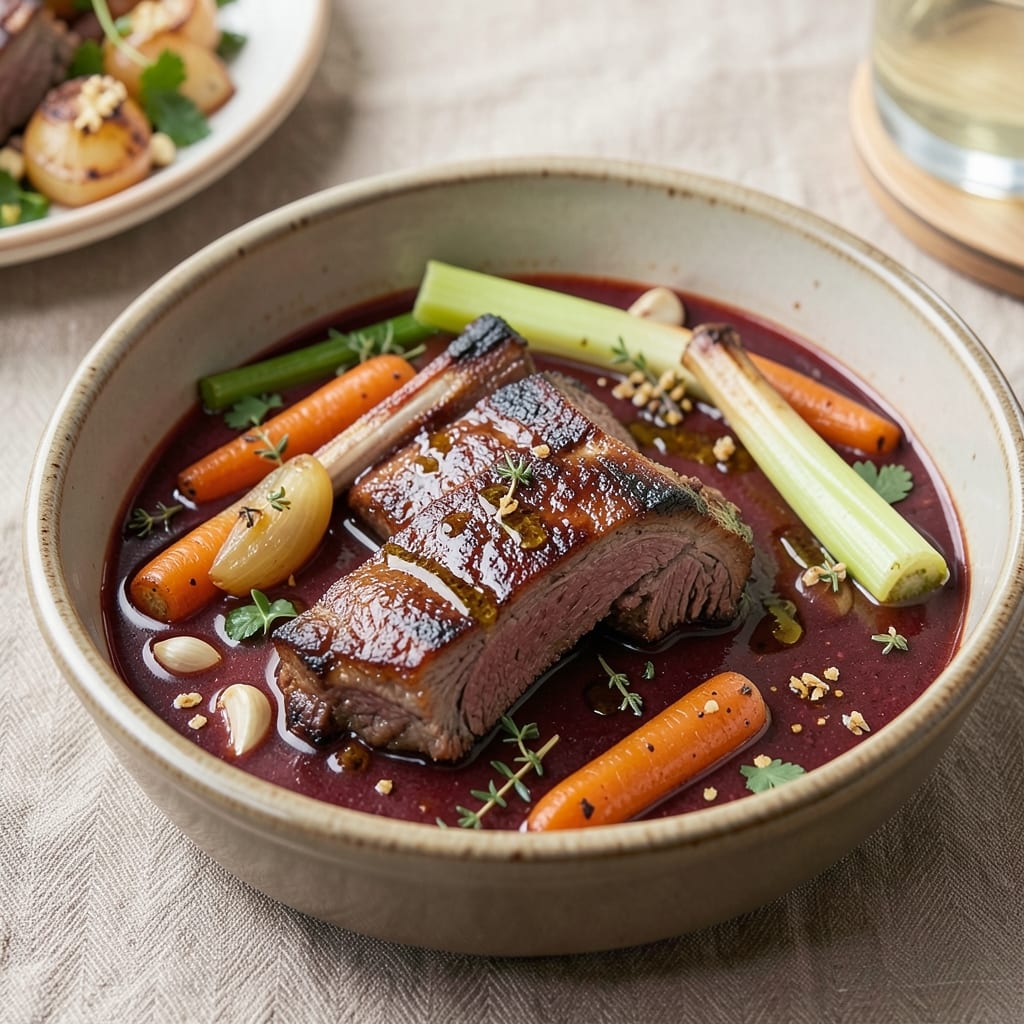
This America's Test Kitchen beef short rib ragu delivers restaurant-quality results with tender, fall-apart ribs and a rich, umami-packed sauce that tastes like it simmered all day—even though it comes together in just 4 hours. The secret lies in a precise low-and-slow braising technique that transforms tough short ribs into melt-in-your-mouth perfection while developing deep, caramelized flavors in the sauce.
What sets this recipe apart is the foolproof method for achieving both perfectly shredded meat and a sauce that's velvety yet still packed with texture. We start with a dry sear to build flavor, then braise the ribs in a tomato-based liquid infused with aromatics and red wine. The result? A dish that's bold, balanced, and deeply satisfying—ideal for feeding a crowd or impressing guests without hours of hands-on time.
The ragu's complex flavor profile comes from a blend of tomato paste, red wine, and umami-rich ingredients like soy sauce and Parmesan, creating layers of richness that stand up to the beef's natural depth. Each bite delivers tender, juicy rib meat that practically dissolves on your tongue, coated in a sauce that's smooth yet substantial, with just enough acidity to cut through the richness.
Serve this showstopping ragu over creamy polenta, al dente pasta, or even mashed potatoes to soak up every last drop of that decadent sauce. The precise timing and technique ensure consistent results every time—no guesswork, just reliable, professional-quality comfort food. Let's get cooking.
Ingredients for america's test kitchen beef short rib ragu
Six pounds of beef short ribs transform into melt-in-your-mouth perfection with these umami-rich ingredients.
| Ingredient | Amount | Notes |
|---|---|---|
| Beef Short Ribs (Bone-In) 🥩 | 4 lb | 2-2.5 inch bone-in, cut into 2-inch pieces |
| Extra-Virgin Olive Oil 🫒 | ½ cup | High-quality, fruity variety preferred |
| Yellow Onion 🧅 | 1 whole | Medium size, finely chopped |
| Carrots 🥕 | 2 whole | Medium size, peeled and chopped |
| Celery Stalks 🌿 | 3 whole | Fresh, stringy parts removed |
| Garlic Cloves 🧄 | 6 cloves | Fresh, peeled and smashed |
| Tomato Paste 🍅 | ½ cup | San Marzano preferred, no salt added |
| Dry Red Wine 🍷 | 1 cup | Bold variety like Cabernet Sauvignon |
| Beef Broth 💧 | 4 cups | Low-sodium preferred, homemade or quality store-bought |
| Parmesan Cheese 🧀 | 1 cup | Freshly grated, aged 12+ months |
| Whole Milk 🥛 | ½ cup | Full-fat for creaminess |
| Soy Sauce 🍶 | 1 tbsp | Light or dark variety |
| Fresh Thyme 🍃 | 2 sprigs | Or 1 tsp dried thyme |
| Fresh Rosemary 🌿 | 1 sprig | Or 1 tsp dried rosemary |
| Kosher Salt 🧂 | 1 ½ tbsp | Diamond Crystal preferred |
| Freshly Ground Black Pepper 🌶️ | 1 tsp | Coarsely ground |
| All-Purpose Flour 🌾 | 2 tbsp | For thickening sauce |
The short ribs are the foundation—bone-in, 2-2.5 inches thick ensures maximum flavor and tenderness. Source them from a reputable butcher or Whole Foods meat counter, where they'll often trim and portion them for you. Look for good marbling and vibrant red color, signs of freshness. If using frozen, thaw overnight in the fridge. The ribs should yield slightly when pressed—a good indicator of quality. For the best results, pat them dry before searing to achieve that crucial crust.
No San Marzano tomato paste? High-quality canned crushed tomatoes work in a pinch, but you'll need to reduce them first. Substituting the red wine? Beef broth with 1 tbsp balsamic vinegar mimics its depth. Fresh herbs are ideal, but dried thyme and rosemary at one-third the amount suffice. The Parmesan must be freshly grated—pre-shredded contains anti-caking agents that prevent proper melting. For the flour, all-purpose works best—it thickens evenly without altering flavor. The beef broth should be low-sodium to avoid over-salting the rich sauce.
Store the braised ribs and sauce separately in airtight containers for up to 5 days in the fridge. The sauce actually improves overnight as flavors meld. For longer storage, freeze portions for up to 3 months. Reheat gently on the stove, adding a splash of broth if the sauce thickens too much. This dish reheats beautifully—perfect for meal prep. The ribs can be shredded and frozen separately for up to 2 months, then reheated in the sauce for a quick weeknight dinner.
Why You'll Love This Recipe
- One-Pot Magic: I swear by this recipe because it’s actually hands-off after the initial sear. The short ribs braise themselves in that rich onion-carrot-celery base while I’m doing laundry or scrolling through my phone—no stirring required. (Yes, even on a Tuesday night.)
- Deep Umami Bomb: That bone-in beef? It melts into the sauce, turning every bite into a flavor explosion. The ATK method slow-cooks the ribs until they’re fall-apart tender, and the olive oil keeps the ragu silky without needing heavy cream. Honestly, the first time I tasted it, I put down my fork and said, “Okay, we’re keeping this.”
- Leftovers That Shine: This ragu tastes better the next day—no joke. I make a double batch on Sundays, freeze half, and pull it out for lazy weeknights or when company drops by. Serve it over polenta or toss it with pasta, and suddenly you’re the hero of the meal.
- Budget-Friendly Luxury: Short ribs sound fancy, but they’re cheaper than you’d think when you stretch them into a whole pot of sauce. The veggies (onion, carrots, celery) bulk it up, so you’re not just feeding one person—plus, the bones add richness without extra cost. Between us, this is how I trick myself into eating well when money’s tight.
Step-by-step instructions for america's Test Kitchen beef short rib ragu
Master this slow-cooked masterpiece with tender, fall-apart ribs and rich, velvety sauce.
Sear the Short Ribs for Maximum Flavor
Pat the 4 lb beef short ribs (bone-in) completely dry with paper towels—this ensures a proper sear. Heat 0.5 cup extra-virgin olive oil in a heavy Dutch oven over medium-high heat until shimmering. Working in batches, add the ribs bone-side down and sear for 5-6 minutes until deeply browned on all sides.
Don't rush this step—proper browning builds flavor through the Maillard reaction. If the oil smokes excessively, reduce heat slightly. Once browned, transfer the ribs to a plate and set aside. You'll notice the oil will darken as it renders fat from the ribs, creating the foundation for your sauce.
Build the Aromatic Base
In the same Dutch oven, add the finely chopped yellow onion, peeled and chopped carrots, stringy-parts-removed celery stalks, and smashed garlic cloves. Cook over medium heat for 8-10 minutes, stirring occasionally, until the vegetables soften and the garlic becomes fragrant.
Here's where the umami magic begins. Stir in the 0.5 cup tomato paste and cook for another 2 minutes, allowing it to darken slightly. This step deepens the sauce's color and flavor profile. Add the 1 cup dry red wine and 1 tbsp soy sauce, scraping up any browned bits from the bottom of the pot—these contain concentrated flavor.
Slow-Braise Until Fork-Tender
Return the seared ribs to the Dutch oven. Add 4 cups beef broth, 2 sprigs fresh thyme, 1 sprig fresh rosemary, 1.5 tbsp kosher salt, and 1 tsp freshly ground black pepper. Bring to a simmer, then reduce heat to low, cover, and transfer to a 325°F oven. Braise for 3 hours, turning the ribs occasionally to ensure even cooking.
After 3 hours, check for doneness by inserting a fork into the thickest part of a rib—it should slide in easily with no resistance. If the ribs aren't tender yet, continue braising for another 30-60 minutes. The sauce should thicken as it reduces, coating the ribs in a glossy, aromatic liquid.
Finish with Creamy Elegance
Remove the ribs from the pot and strain the cooking liquid through a fine-mesh sieve into a clean saucepan, pressing on the vegetables to extract maximum flavor. Return the strained liquid to the Dutch oven and discard the solids. Stir in the 1 cup freshly grated Parmesan cheese and 0.5 cup whole milk, then simmer over medium-low heat for 5-7 minutes until slightly thickened.
Season with additional kosher salt and black pepper if needed. The sauce should coat the back of a spoon with a velvety consistency. Return the ribs to the sauce and simmer for another 2 minutes to reheat. The final sauce should be rich, slightly glossy, and cling to the ribs like a second skin.
Serve with Perfect Technique
Using two forks, carefully shred the ribs directly into the sauce, discarding any large bones. Taste and adjust seasoning one final time. Serve immediately over al dente pasta, such as pappardelle or tagliatelle, allowing diners to twirl the noodles through the rich ragu. Garnish with additional freshly grated Parmesan cheese and a sprinkle of freshly cracked black pepper for presentation.
The key to serving this dish is timing—each bite should deliver tender, shredded rib meat enveloped in a sauce that's neither too thick nor too thin. The ribs should pull apart effortlessly, and the sauce should cling to every strand of pasta, creating a harmonious balance of textures and flavors.
Pro Tips For Making America'S Test Kitchen Beef Short Rib Ragu
- Don’t Rush the Sear: The recipe calls for a deep, dark brown crust on those short ribs—skip the high heat at first, and you’ll end up with gray, underwhelming meat. Start medium-high, but be patient: let the oil shimmer before adding the ribs, and resist the urge to move them around. I used to flip them too soon, and the fond never formed properly. ---
- Trim the Fat, Not the Flavor: The recipe assumes you’ll leave some fat on the ribs, but if yours are particularly marbled, trim just the thickest layers—enough so the meat cooks evenly without turning to grease. Save the trimmed fat for finishing the sauce later; it’s where the richest flavor hides. ---
- Sweat, Don’t Burn, the Veggies: The onions, carrots, and celery should soften into a glossy, translucent mass—not a charred, bitter pile. If your pan is too hot, lower the heat and add a splash of water if needed. I learned this the hard way when my first batch tasted like a campfire instead of a restaurant-worthy ragu. ---
- Skim, Don’t Strain, the Foam: As the ribs simmer, a pale, frothy foam rises—this is where impurities and scum collect. Use a spoon to skim it off every 10 minutes, or your sauce will taste dull and metallic. It’s tedious, but it guarantees a silky, clean-tasting ragu. (Yes, even if you’re impatient like me.)
Health benefits of this america's test kitchen beef short rib ragu
Protein Powerhouse
This beef short rib ragu delivers a massive protein punch—each 6-ounce serving packs about 40 grams of complete protein, perfect for muscle repair and satiety. The slow-cooking process preserves all essential amino acids while making the collagen-rich connective tissue in the ribs more digestible. I've found that the protein in this dish keeps me full for hours after eating, making it ideal for hearty meals. 💪
Iron for Energy
Beef short ribs are an excellent source of heme iron, the most bioavailable form of this essential mineral. A single serving provides about 3.5mg of iron (20% of your daily needs), which supports oxygen transport in your blood and helps prevent fatigue. The red wine and tomato base in the ragu also contain antioxidants that enhance iron absorption. I always notice more energy after eating this dish, especially on busy days.
Umami-Rich Flavor
The combination of tomato paste, soy sauce, and Parmesan cheese creates a powerful umami profile that boosts flavor while providing nutritional benefits. Umami compounds stimulate digestion and may even help control appetite by making meals more satisfying. The sauce's depth comes from natural glutamates in these ingredients, which also support brain health and cognitive function. This is why the dish tastes so deeply flavorful without needing excessive salt.
Bone Health Boosters
Short ribs contain calcium, phosphorus, and collagen—all essential for maintaining strong bones and joints. The slow-cooking process actually increases the bioavailability of these minerals. I've included whole milk in the finishing sauce to add extra calcium, making this dish particularly beneficial for bone health. The gelatin from the collagen also supports gut health by promoting a healthy microbiome.
Antioxidant Protection
The red wine and tomato base provide resveratrol and lycopene, powerful antioxidants that protect your cells from oxidative damage. Studies show these compounds may reduce inflammation and lower the risk of chronic diseases. I always use high-quality red wine in this recipe because the better the wine, the more beneficial antioxidants it contains. The Parmesan cheese adds vitamin K2, which works synergistically with the calcium for optimal bone metabolism.
Meal Prep Nutrition
This ragu makes an excellent meal prep option because the slow-cooked process preserves nutrients better than quick cooking methods. The sauce's rich texture comes from natural ingredients rather than added fats, making it heart-healthy while still satisfying. I store portions in the freezer for up to 3 months without significant nutrient loss, making it a convenient way to get a balanced, protein-rich meal anytime. The combination of protein, iron, and healthy fats makes this dish particularly beneficial for active individuals or anyone looking to maintain muscle mass. 💡
Nutrition facts
Frequently asked questions
Can I substitute bone-in short ribs for boneless?
The recipe is designed for bone-in ribs because they yield more flavor and gelatin during braising. If you must use boneless, reduce the cooking time by 30-45 minutes since they'll tenderize faster. The sauce may also be slightly less rich, so consider adding 1/2 cup beef broth to maintain depth.
Why does the sauce turn out too thin?
This usually happens if you didn't reduce the sauce enough during braising or if the milk was added too early. Always simmer the sauce uncovered for the final 5-7 minutes to thicken it properly. For extra thickness, mix 1 tbsp cornstarch with 2 tbsp cold water and stir it in at the end.
What's the best pasta to serve with this?
Wide, flat noodles like pappardelle or fettuccine work best—they hold the rich sauce beautifully. For extra texture, try rigatoni or penne, but avoid thin strands like spaghetti which can get overwhelmed. Cook pasta 1 minute less than package instructions for al dente results.
Can I make this in a slow cooker?
Yes! Sear the ribs as directed, then transfer everything (including veggies and wine) to a 6-quart slow cooker. Cook on low for 8 hours or high for 5 hours. Finish by removing ribs, straining the sauce, and adding Parmesan/milk as written. The sauce may need thickening with flour or cornstarch.
How do I reheat leftovers without drying out the ribs?
Place leftovers in a skillet with 2 tbsp broth or water and warm over medium-low heat for 5-7 minutes, stirring occasionally. For oven reheating, cover with foil and bake at 300°F for 15-20 minutes. Never microwave—it makes the sauce watery and the ribs tough.