
Main Courses
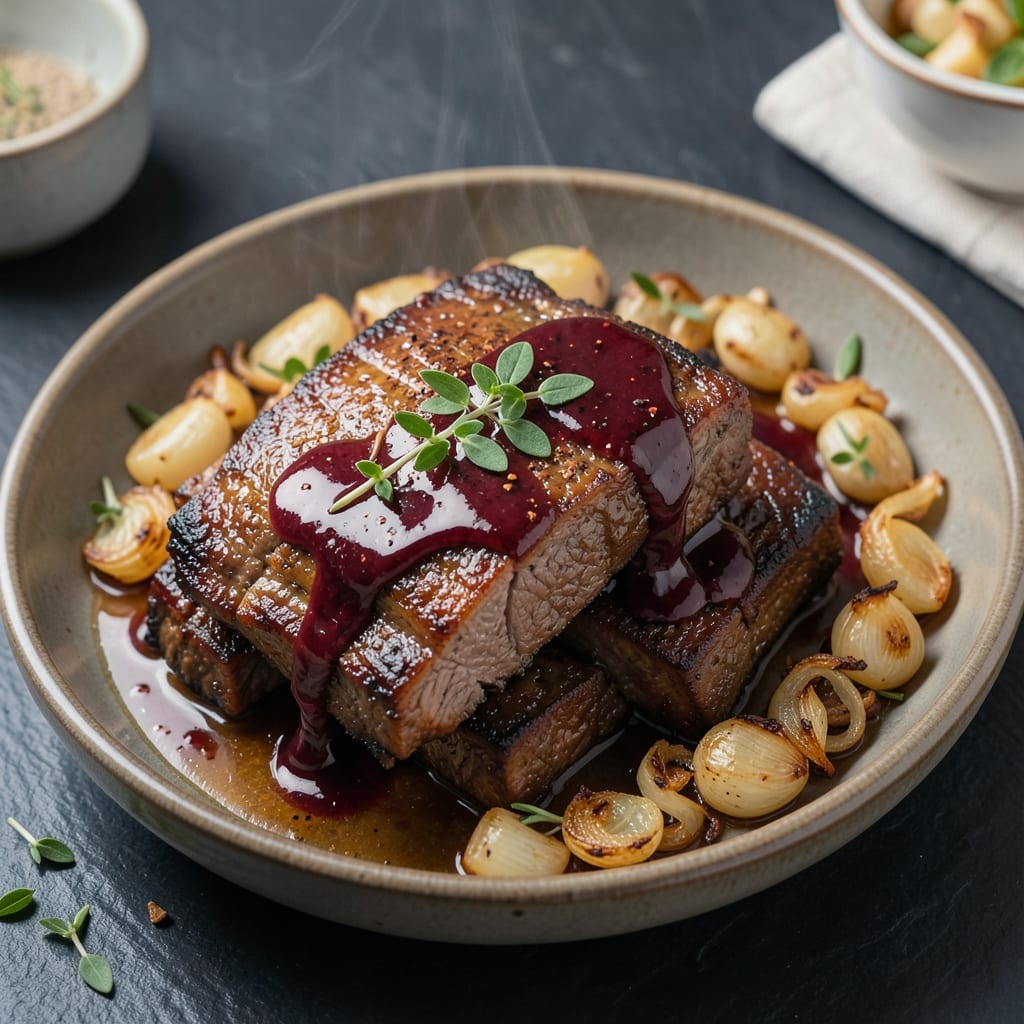
Argentine beef ribs recipe transforms tough cuts into melt-in-your-mouth tenderness through slow braising and bold chimichurri. This method honors traditional asado techniques, where ribs are cooked low and slow until they fall apart at the touch. The secret lies in the marinade—garlic, oregano, and red wine create a flavor base that infuses deeply, while the chimichurri adds a vibrant, herby crunch that cuts through the richness.
The process begins with a dry rub of coarse salt and smoked paprika, which forms a flavorful crust as the ribs cook. Then, they braise in a mix of red wine and beef broth until fork-tender, typically around 3 hours at 300°F. The chimichurri, made with fresh parsley, garlic, and olive oil, is tossed on just before serving to keep it bright and crisp. This approach ensures every bite delivers both depth and texture—tender meat with a satisfying bite.
What sets this recipe apart is the balance of techniques: the slow braise breaks down collagen for melt-in-your-mouth tenderness, while the chimichurri adds freshness that keeps the dish lively. The result is a dish that feels both rustic and refined, perfect for gatherings or a special weeknight dinner. Serve with grilled provoleta or a simple salad to complete the Argentine experience.
This method is designed to be foolproof, with clear steps for marinating, braising, and finishing. The chimichurri can be made ahead, and the ribs reheat beautifully, making it ideal for meal prep. Whether you're recreating an asado at home or simply craving restaurant-quality beef, this recipe delivers on both flavor and technique.
Ingredients for argentine beef ribs
Argentinian beef ribs and vibrant chimichurri transform tough cuts into restaurant-quality tenderness.
| Ingredient | Amount | Notes |
|---|---|---|
| Argentine-Style Beef Short Ribs 🥩 | 3 lb | Bone-in, 1.5-2 inches thick |
| Red Wine 🍷 | 1 cup | Bold dry variety like Malbec |
| Beef Broth 🥄 | 2 cups | Low-sodium preferred |
| Smoked Paprika 🌶️ | 2 tbsp | High-quality for depth |
| Coarse Sea Salt 🧂 | 1 tbsp | Diamond Crystal preferred |
| Fresh Oregano 🌿 | ¼ cup | Mexican oregano ideal |
| Garlic Cloves 🧄 | 8 cloves | Peeled, smashed slightly |
| Extra-Virgin Olive Oil 🫒 | ½ cup | For chimichurri base |
| Fresh Flat-Leaf Parsley 🌿 | 1 ½ cups | Stems removed, tightly packed |
| Red Wine Vinegar 🍶 | 2 tbsp | For chimichurri acidity |
| Ground Black Pepper 🌶️ | 1 tsp | Freshly cracked |
| Red Chili Flakes 🔥 | ½ tsp | Optional for heat |
| Fresh Lemon Juice 🍋 | 1 tbsp | Brightens chimichurri |
| Yellow Onion 🧅 | 1 whole | For braising liquid |
| Carrots 🥕 | 2 whole | Whole, for braising |
The ribs are the foundation—opt for Argentinian-style short ribs from a specialty butcher if possible, as they have superior marbling. Costco or Whole Foods carry excellent options, but any well-marbled beef rib will work. Look for cuts with thick fat caps and bright red meat—this ensures maximum tenderness. If using frozen ribs, thaw them overnight in the fridge. The smoked paprika should be Spanish or Hungarian for authentic asado flavor, available at Penzeys or bulk spice sections. Fresh oregano is non-negotiable here—dried lacks the bright, citrusy notes essential for chimichurri.
No red wine on hand? Dry sherry or beef broth with a splash of balsamic substitutes well, though the flavor profile shifts slightly. For the chimichurri, fresh parsley is critical—dried loses its vibrant color and flavor. If you can't find Mexican oregano, regular oregano works, but reduce to one-third the amount. The olive oil should be fruity and peppery—California extra-virgin or Spanish picual are excellent choices. For the braising liquid, vegetable broth can replace beef broth, though it'll be less rich. The onion and carrots add natural sweetness to the braise—don't skip them, even if you're using store-bought broth.
The ribs reheat beautifully—3 hours braising yields fork-tender results, but they're even better the next day. Store ribs in their braising liquid in the fridge for up to 5 days, or freeze for 3 months. Chimichurri keeps for 4 days in the fridge, covered with a thin layer of olive oil to preserve freshness. Portion the chimichurri into small jars for easy tossing—it's perfect over grilled vegetables, eggs, or even toasted bread. For a crowd, double the chimichurri recipe; it's easier to make ahead than the ribs themselves.
Why You'll Love This Recipe
- One-Pot Magic: I swear by this recipe because it’s literally dump-and-slow-cook. Brown the ribs, toss in wine and broth, and let the oven do the work—no flipping, no basting, no stress. The smoked paprika does the heavy lifting while you sip something cold.
- Wine-Infused Richness: That first sip of red wine in the sauce isn’t just flavor—it’s depth. The ribs fall apart with a melt-in-your-mouth tenderness, and the crust? Crispy enough to stand up to mashed potatoes or crusty bread. (Yes, even on a Tuesday night.)
- Leftovers That Shine: Between us, these ribs taste better the next day. I’ll reheat a portion in the sauce for tacos or a quick pasta, and no one ever guesses it’s not fresh. Honestly, I make double batches just for this reason.
- Budget-Friendly Luxury: Short ribs are cheaper than you think, and a bottle of red wine stretches farther than you’d imagine. This recipe turns a modest ingredient list into something that feels like a fancy dinner—without the restaurant price tag. My daughter picks out the ribs at the store, but still asks for seconds.
Step-by-step instructions for Argentine beef ribs with chimichurri
Master the slow-braised technique and vibrant chimichurri to create melt-in-your-mouth ribs with bright, herby contrast.
🍳 Step 1: Prepare the Ribs for Braising
Pat the 3 lb Argentine-Style Beef Short Ribs completely dry with paper towels—this ensures maximum browning. In a small bowl, combine the 2 tbsp Smoked Paprika, 1 tbsp Coarse Sea Salt, 1 tsp Ground Black Pepper, and 0.5 tsp Red Chili Flakes. Rub this mixture evenly over all surfaces of the ribs, pressing it into the meat so it adheres well.
Place the seasoned ribs in a large, heavy-bottomed Dutch oven or deep oven-safe skillet. Set the oven to 425°F and let the ribs sit at room temperature while the oven preheats. This step is crucial—cold meat won't sear properly, and you'll miss out on that deep, caramelized flavor that forms during the initial browning.
🔥 Step 2: Sear and Begin the Braise
Carefully transfer the Dutch oven to the preheated oven and roast the ribs for 20 minutes. This high-heat sear creates a rich, flavorful crust that will later dissolve into the braising liquid. After 20 minutes, remove the ribs from the oven and set them aside on a plate.
In the same Dutch oven, add 0.5 cup Extra-Virgin Olive Oil and place it over medium heat. Dice the 1 whole Yellow Onion and slice the 2 whole Carrots into thick rounds. Add these to the Dutch oven along with 8 smashed Garlic Cloves and cook for 5 minutes, stirring occasionally, until the onions soften and the garlic becomes fragrant. Pour in 1 cup Red Wine and scrape up any browned bits from the bottom of the pan—this is where all the flavor hides.
🥘 Step 3: Build the Braising Liquid and Return Ribs
Add 2 cups Beef Broth to the Dutch oven and bring the mixture to a gentle simmer. Return the ribs to the pot, bone-side down, and cover tightly with a lid or foil. Transfer the Dutch oven to a 325°F oven and braise for 3 hours. This low-and-slow approach breaks down the tough connective tissue, transforming the ribs into tender, fork-tender perfection.
After 3 hours, check the ribs for tenderness. They should be effortlessly fork-tender, with the meat pulling away from the bone easily. If they're not quite there, continue braising for another 30-45 minutes, checking periodically. The liquid should have reduced slightly, creating a rich, flavorful sauce.
👨🍳 Step 4: Prepare the Chimichurri
While the ribs braise, make the chimichurri by combining 1.5 cups Fresh Flat-Leaf Parsley, 0.25 cup Fresh Oregano, 2 tbsp Red Wine Vinegar, 1 tbsp Fresh Lemon Juice, and 0.5 cup Extra-Virgin Olive Oil in a food processor. Pulse until the herbs are finely chopped but still retain some texture—you want a vibrant, herby sauce, not a smooth paste. Taste and adjust the seasoning with additional Coarse Sea Salt or Red Wine Vinegar if needed.
This chimichurri is the star of the dish, cutting through the richness of the braised ribs with its bright, tangy, and herby notes. The acidity from the vinegar and lemon juice balances the deep, savory flavors of the braise, creating a harmonious bite. Let the chimichurri sit at room temperature while you finish the ribs.
⏰ Step 5: Rest and Serve
Once the ribs are fork-tender, remove them from the Dutch oven and transfer them to a serving platter. Tent loosely with foil and let them rest for 15 minutes. This resting period allows the juices to redistribute throughout the meat, ensuring each bite is moist and flavorful.
Ladle the braising liquid through a fine-mesh strainer into a saucepan and reduce it over medium heat until it thickens slightly, coating the back of a spoon. This concentrated sauce is perfect for drizzling over the ribs or serving on the side. To serve, spoon the chimichurri generously over the ribs and drizzle with the reduced braising sauce. The combination of tender, fall-off-the-bone meat, vibrant chimichurri, and rich sauce creates a dish that's both hearty and balanced.
Pro Tips For Making Argentine Beef Ribs
- Sear the Ribs First: After years of skipping this, I finally learned—sear them hard in a screaming-hot pan (or Dutch oven) until deep brown, 3-4 minutes per side. That crust locks in flavor when you later braise in wine and broth, so don’t rush it. (Yes, even if you’re impatient like me.)
- Deglaze with Wine Immediately: As soon as you pull the ribs out of the pan, pour in that red wine right away—don’t let the fond dry out. Scrape up every browned bit with a wooden spoon; those bits are pure flavor. If you wait, you’re basically throwing money into the sink.
- Skip the Crowding: I used to pile all the ribs in one layer, thinking they’d cook faster. Wrong. They steam instead of caramelize. Arrange them bone-side down in a single layer, then add the second layer—this guarantees a proper crust and even cooking.
- Save the Broth for Later: Don’t dump all the beef broth in at once. Start with just enough to deglaze, then add the rest after the ribs have simmered 30 minutes. This keeps the sauce rich and concentrated instead of watery. (Trust me, you’ll notice the difference.)
Best sauces and condiments for these flavors
Classic Chimichurri
The star of this dish, this vibrant green sauce balances the richness of braised ribs with its bright, herby acidity. I blend 1.5 cups fresh parsley, 0.25 cup Mexican oregano, 2 tbsp red wine vinegar, and 0.5 cup olive oil until just combined—never over-processed. The key is freshness: use parsley within 24 hours of purchase, and pulse the herbs in 3-second bursts to maintain texture. 💚
Spicy Chimichurri
For heat lovers, add 1 tsp finely chopped red jalapeño or ½ tsp cayenne pepper to the chimichurri base. I also increase the red wine vinegar to 3 tbsp to balance the heat. This version pairs perfectly with the ribs' natural richness, adding a fiery kick that lingers. Garnish with extra red chili flakes before serving.
Creamy Chimichurri
For a richer texture, blend in 2 tbsp crumbled feta cheese or 1 tbsp Greek yogurt with the chimichurri ingredients. This adds a creamy contrast that complements the tender ribs beautifully. I recommend using full-fat feta for maximum creaminess and flavor. Store any leftovers in an airtight container for up to 4 days.
Red Wine Reduction
The braising liquid becomes a luxurious sauce when reduced. After removing the ribs, strain the liquid and simmer it in a saucepan over medium heat for 10-15 minutes until it thickens to coat the back of a spoon. Deglaze the Dutch oven with an extra ¼ cup red wine to capture all the fond. This sauce is perfect for drizzling over the ribs or serving as a dipping sauce for crusty bread.
Grilled Chimichurri
For a smoky twist, grill the chimichurri ingredients before blending. Toast the parsley and oregano in a dry skillet over medium heat for 1 minute until fragrant, then proceed with the recipe. This adds a subtle charred depth that pairs wonderfully with the ribs' caramelized crust. I find this works especially well with Argentinian Malbec wine in the braising liquid.
Sweet Chimichurri
Add a touch of sweetness by including 1 tbsp honey or 1 tsp maple syrup in the chimichurri. This balances the acidity and adds complexity, making it a great option for those who prefer a more rounded flavor profile. The sweetness also enhances the natural richness of the braised ribs. Store any extra chimichurri in the fridge for up to 5 days—it keeps beautifully.
Nutrition facts
Frequently asked questions
What makes Argentine beef ribs different from other beef ribs?
Argentine beef ribs come from well-marbled cuts with thick fat caps, giving them natural tenderness and rich flavor. The key difference is the slow braising method—traditional Argentine asado techniques focus on low-and-slow cooking (3 hours at 325°F) to break down collagen, while also using bold seasonings like smoked paprika and oregano. The ribs are often served with chimichurri, a fresh herb sauce that adds brightness.
Can I substitute beef broth with something else?
Yes! For a deeper flavor, use red wine instead of half the broth (e.g., 1 cup wine + 1 cup broth). Vegetable broth works in a pinch, though it'll be less rich. Avoid water—it dilutes the meat's natural juices and lacks the umami depth of beef broth. The braising liquid should always be flavorful enough to reduce into a sauce.
How do I know when the ribs are fully tender?
Ribs are done when they're fork-tender—the meat should pull away from the bone easily with minimal resistance. After 3 hours, test by inserting a fork into the thickest part. If it slides in like butter, they're ready. If not, add 30-45 more minutes and check again. Overcooking can dry them out, so aim for 203°F internal temp (use a meat thermometer).
Can I make chimichurri ahead of time?
Chimichurri keeps for 4-5 days in the fridge, stored in an airtight container with a thin layer of olive oil on top to preserve freshness. For best texture, blend it fresh if serving within 24 hours, but it holds up well for leftovers. The herbs will soften slightly but remain flavorful. Freezing isn't recommended—it dulls the vibrant color and texture.
What’s the best way to reheat leftover Argentine beef ribs?
Reheat ribs in their braising liquid over low heat for 10-15 minutes, or cover tightly and warm in a 300°F oven for 20-30 minutes. Avoid microwaving—it makes the meat rubbery. For chimichurri, simply stir it gently before serving. Leftover ribs reheat beautifully and taste even better the next day, as the flavors meld further.