
Soups & Stews
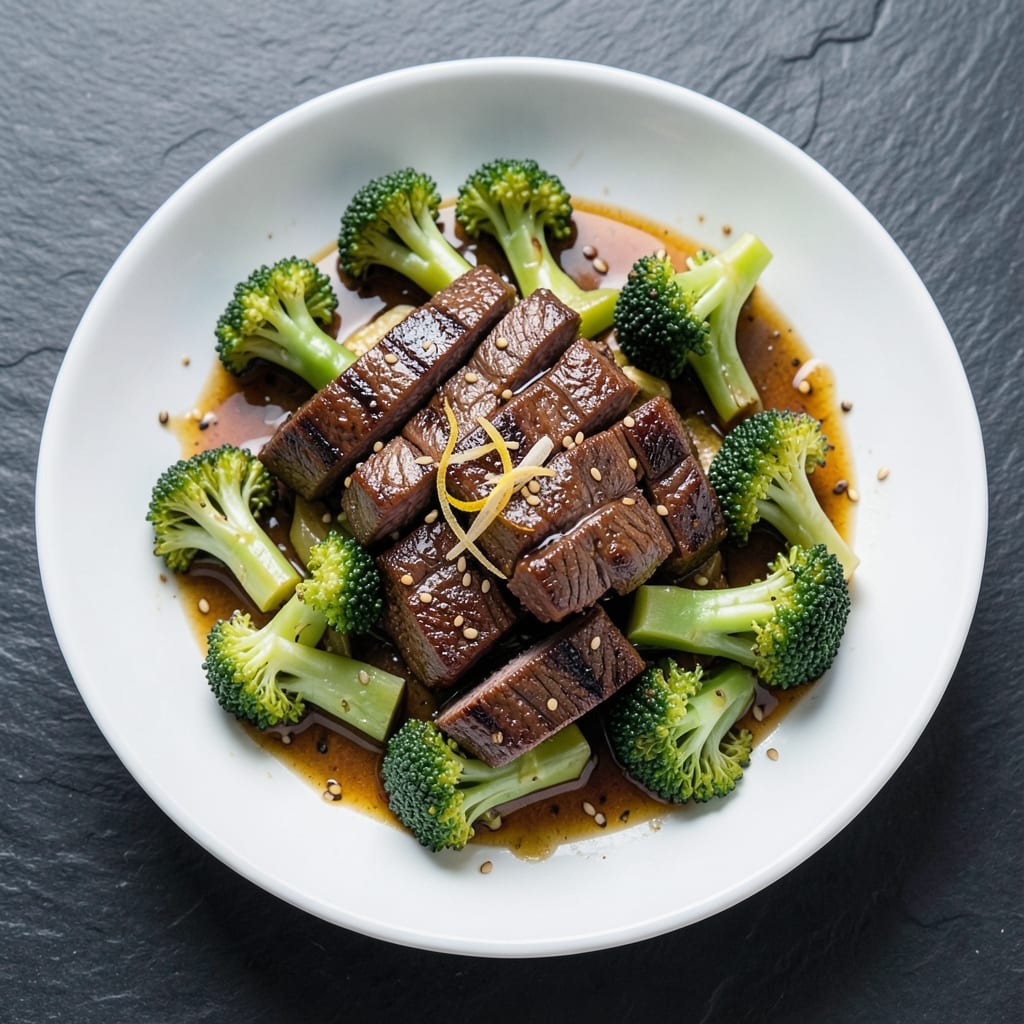
America's Test Kitchen beef and broccoli stir fry delivers restaurant-quality results with a wok-heated sauce balance that transforms simple ingredients into something extraordinary. The secret lies in high-heat stir-frying and a sauce that caramelizes just enough to coat every bite without overpowering the beef's natural tenderness. This isn't your average takeout version—it's a methodically perfected dish that achieves that signature charred aroma and velvety sauce consistency in just 25 minutes.
What sets this recipe apart is the precise technique of cooking the beef in batches to maintain high heat, ensuring a crisp-tender texture that's impossible to achieve with crowded pans. The sauce, made with a blend of soy sauce, oyster sauce, and a touch of cornstarch, develops depth as it reduces while tossing with the beef and broccoli. Every element comes together in perfect harmony—savory, slightly sweet, with just the right amount of umami.
The result is a dish that's foolproof yet impressive, with beef that's seared on the outside and tender inside, broccoli that's bright green and slightly charred, all coated in a glossy, balanced sauce. This is the kind of meal that elevates weeknight dinners from ordinary to extraordinary, proving you don't need a wok to achieve professional results at home.
Serve it over steamed jasmine rice or noodles for the full experience, and don't be surprised if everyone asks for seconds. The technique is simple, but the flavor impact is undeniable—this is how you make takeout-quality beef and broccoli stir fry that actually tastes homemade.
Ingredients for america's test kitchen beef and broccoli stir fry
Restaurant-quality beef and broccoli stir fry hinges on precise ingredient balance and high-heat technique.
| Ingredient | Amount | Notes |
|---|---|---|
| Flank Steak 🥩 | 1 ½ lb | Cut into 1-inch strips, trimmed of fat |
| Broccoli Florets 🥦 | 4 cups | Large florets, cut into bite-sized pieces |
| Low-Sodium Soy Sauce 🥢 | 3 tbsp | High-quality brand preferred |
| Oyster Sauce 🍜 | 2 tbsp | Kikkoman brand recommended |
| Cornstarch 🌾 | 1 tbsp | For sauce thickening |
| Sesame Oil 🫒 | 1 tbsp | Toasted sesame oil preferred |
| Neutral Oil 🫒 | 2 tbsp | Avoid flavored oils |
| Garlic Cloves 🧄 | 4 cloves | Minced finely for sauce |
| Fresh Ginger 🌿 | 1 tbsp | Minced finely, peeled |
| Honey 🍯 | 1 tbsp | For sauce balance |
| Jasmine Rice 🍚 | 1 ½ cups | Uncooked, for serving |
| Salt 🧂 | ½ tsp | Kosher salt for seasoning |
| Black Pepper 🌶️ | ¼ tsp | Freshly ground preferred |
| Green Onion 🧅 | 2 whole | Sliced thin, for garnish |
The flank steak is non-negotiable—its lean texture and grain make it ideal for quick searing. Look for cuts with good marbling at Whole Foods or your local butcher shop, where they can trim it precisely. Avoid pre-cut strips; doing it yourself ensures even cooking. For broccoli, Trader Joe's often carries pre-cut florets, but whole heads yield more usable pieces. Freshness matters here: broccoli should snap when bent, not feel rubbery. The soy sauce should be low-sodium—high-sodium versions can overpower the delicate sauce balance. Kikkoman oyster sauce is the gold standard, but Lee Kum Kee works well too. If using a substitute, ensure it's gluten-free if needed.
No oyster sauce? Hoisin sauce at half the amount adds depth, though it's slightly sweeter. The cornstarch is critical for that signature velvety texture—don't substitute with flour, which can make the sauce cloudy. For sesame oil, toasted is essential; regular sesame oil lacks the nutty aroma. The honey should be raw for subtle floral notes, but regular honey works in a pinch. If you're avoiding honey, agave nectar at equal measure mimics the sweetness without altering the sauce's chemistry. The garlic and ginger should be minced finely—a microplane works best for even distribution. Pre-minced jarred versions lack freshness and can make the sauce bitter.
Store the flank steak in the coldest part of your fridge, wrapped tightly in plastic, and use within 3 days for peak tenderness. Broccoli keeps for 5-7 days in the crisper drawer, but it's best used within 3 days for vibrant color. The sauce components can be prepped 1 day ahead and stored in airtight containers in the fridge. When reheating, add a splash of water to the sauce to restore its glossy consistency. The rice should be cooked just before serving—it reheats poorly. Garnish with green onions immediately before eating, as they wilt quickly. Leftovers keep for 3 days in the fridge, but the sauce may separate slightly; stir vigorously before reheating.
Why You'll Love This Recipe
- One-Pan Magic: I swear by this for lazy nights—just sear the flank steak, toss in the broccoli, and let the soy and oyster sauce work their magic. No chopping boards, no extra pans, just a single sheet pan that’s basically self-cleaning.
- Umami Bomb: That combo of low-sodium soy and oyster sauce? It’s the secret weapon. The broccoli stays crisp-tender while the steak gets this perfect chewy bite—like a restaurant-quality takeout, but way better.
- Lunchbox Hero: Between us, this is my go-to for meal prep. The cornstarch gives the beef that satisfying texture, and it reheats like a dream. Pack it cold for lunch or serve it hot—either way, it’s a hit.
- Budget Win: Flank steak stretches far, and broccoli’s cheap as dirt. Honestly, I make this twice a month and never tire of it. Plus, leftovers taste just as good the next day—no sad, soggy stir-fry here.
Step-by-step instructions for america's Test Kitchen beef and broccoli stir fry
Mastering this stir fry comes down to precise timing and sauce balance—here's how to execute it flawlessly.
Prepare the Flank Steak and Broccoli
Slice the 1.5 lb flank steak against the grain into 1-inch strips, trimming any visible fat. This cut ensures tender bites that cook quickly in the wok. While the steak preps, cut the 4 cups broccoli florets into bite-sized pieces—uniform size guarantees even cooking.
Pat the steak strips completely dry with paper towels before seasoning with 0.5 tsp salt and 0.25 tsp black pepper. The dry surface promotes better searing. Keep the broccoli set aside—it won't cook until the very end to maintain its vibrant color and crisp texture.
Build the Sauce and Sear the Beef
In a small bowl, whisk together the 3 tbsp low-sodium soy sauce, 2 tbsp oyster sauce, 1 tbsp honey, and 1 tbsp cornstarch. This slurry will create the signature glossy sauce. Set aside while you heat a 14-inch wok or skillet over high heat with 2 tbsp neutral oil until it shimmers.
Add the steak strips in a single layer and sear undisturbed for 1-2 minutes until deeply browned on one side. Stir-fry for an additional 2-3 minutes until the steak reaches 145°F internally. Remove from the wok and set aside—it'll finish cooking with the broccoli.
Stir-Fry Vegetables and Combine
Return the wok to high heat and add 1 tbsp neutral oil. Toss in the 4 cloves minced garlic and 1 tbsp minced ginger, cooking for 30 seconds until fragrant but not browned. Add the broccoli florets and stir-fry for 2-3 minutes until bright green and just tender-crisp.
Pour the sauce mixture into the wok, immediately adding the seared steak back in. Toss everything together for 1-2 minutes until the sauce coats the beef and broccoli evenly. The cornstarch will thicken the sauce into a silky glaze—this is where the magic happens.
Finish with Sesame Oil and Serve
Drizzle in the 1 tbsp sesame oil and toss one final time. The nutty aroma should permeate the dish instantly. Taste and adjust seasoning—you may need a splash more soy sauce if the flavors seem muted. Serve immediately over 1.5 cups cooked jasmine rice, garnished with 2 whole sliced green onion.
This stir fry delivers perfect texture contrast: tender beef, crisp broccoli, and a glossy sauce that clings to every bite. The key is keeping everything moving—don't let the beef sit too long after searing, or it'll overcook while you finish the sauce.
Pro Tips For Making America'S Test Kitchen Beef And Broccoli Stir Fry
- Slice Thin, Slice Fast: Flank steak fights back when you cut against the grain—so grab a sharp knife and slice paper-thin strips (about 1/8-inch) while the meat is still cold. I used to eyeball it and ended up with chewy, uneven pieces. A meat slicer or cling wrap trick (freeze for 20 minutes first) makes this easier, but even a steady hand works. ---
- Prep Broccoli Right: Cut florets into even 1-inch pieces—no tiny stems or giant crowns. The recipe counts on them cooking in the same time as the beef, and uneven sizes mean some turn mushy while others stay crunchy. A quick rinse after cutting removes dirt, but pat very dry with a towel—wet broccoli steams instead of sears. ---
- Don’t Skip the Velouté: That cornstarch slurry (1 tbsp cornstarch + 2 tbsp water) isn’t just for thickening—it’s what gives the sauce that glossy, silky finish. Whisk it smooth and add it to the pan off the heat (or you’ll get lumps). I learned this after slurping a gluey mess the first time I rushed it. ---
- Rest the Beef Twice: First, let the sliced steak rest uncovered on a plate for 10 minutes after slicing—this keeps it from shrinking into a tough pile. Then, after cooking, give it another 5-minute rest under foil before tossing with the sauce. Sounds weird, but it locks in juices and prevents the beef from turning rubbery when you stir it around.
Flavor customization for these flavors
Spicy Kick Options
For heat lovers, add 1 tsp chili crisp or ½ tsp red pepper flakes to the sauce mixture—it intensifies the umami without overpowering. I like Lao Gan Ma chili crisp for its smoky depth. For extra heat, toss in 1 tbsp sliced Thai chilies with the broccoli at the end. Remember, chili crisp adds moisture, so reduce the soy sauce by ½ tbsp to balance flavors. 🌶️
Sweet Variations
Swap the honey for 1 tbsp hoisin sauce or 1 tsp maple syrup to deepen the sweetness while keeping the sauce glossy. For a fruity twist, add 1 tbsp pineapple juice to the sauce—it cuts through the richness beautifully. The pineapple works best with ribeye steak instead of flank steak, as it's more forgiving with marinades.
Umami Boosters
Enhance the savory depth with 1 tbsp fish sauce or 1 tsp mushroom powder in the sauce. I prefer Red Boat fish sauce for its clean, briny profile. For a vegetarian option, use 1 tbsp vegetarian oyster sauce (like Kikkoman's vegan version) or 1 tsp miso paste—just reduce the soy sauce by ½ tbsp to avoid salt overload.
Herb Infusions
Brighten the dish with 1 tbsp chopped cilantro or thai basil stirred in at the end. For a more aromatic profile, add ½ tsp five-spice powder to the sauce—it adds a subtle citrusy warmth. Fresh herbs like cilantro should be added last to preserve their vibrant color and freshness.
Texture Contrasts
Add crunch with 2 tbsp toasted cashews or crushed peanuts tossed in at the end. For extra texture, stir-fry ½ cup shredded carrots with the broccoli—they add natural sweetness and color contrast. Roasted peanuts work best when lightly salted before adding to the wok.
Regional Twists
For a Szechuan-inspired version, add 1 tsp Szechuan peppercorns (toasted and crushed) to the oil before searing the beef—it numbs slightly and adds citrusy heat. A Japanese-inspired take uses 1 tbsp mirin instead of honey and finishes with 1 tsp toasted sesame seeds. Both versions keep the core technique intact while adding cultural depth. 🗺️
Nutrition facts
Frequently asked questions
Can I use a different cut of beef instead of flank steak?
Yes, but choose cuts with similar tenderness and grain structure. Sirloin or ribeye work well—just slice against the grain for maximum tenderness. Avoid tougher cuts like chuck roast, which won't achieve the same crisp-tender texture. For extra flavor, consider flat iron steak—it's slightly more forgiving with timing.
How do I prevent the broccoli from turning mushy?
Cook broccoli for only 2-3 minutes over high heat—it should remain bright green and slightly crisp. Never overcrowd the pan, and stir continuously to prevent steaming. For extra color retention, add broccoli last and cook it separately if needed. A splash of water in the wok can help steam it gently if needed.
What if I don't have a wok?
A 14-inch cast-iron skillet or large stainless steel pan works perfectly—just ensure it has high, sloped sides for tossing. The key is maintaining high heat and keeping ingredients moving. A non-stick pan can work too, but it won't achieve the same caramelized flavor. Preheat your pan for 5 minutes before cooking.
Can I make this recipe ahead of time?
While the dish tastes best fresh, you can prep components ahead: marinate the beef for up to 24 hours or make the sauce 1 day in advance. Store separately in airtight containers. Reheat gently in a skillet with a splash of water to restore the sauce's gloss. Broccoli should always be cooked fresh—it loses texture when reheated.
Why does my sauce turn lumpy?
Lumpy sauce usually means the cornstarch didn't dissolve properly. Whisk the sauce vigorously before adding it to the wok, and ensure all ingredients are fully combined. If lumps appear, strain the sauce through a fine-mesh sieve before tossing with the beef. For extra smoothness, mix the cornstarch with 1 tbsp cold water first to create a slurry.