
Soups & Stews
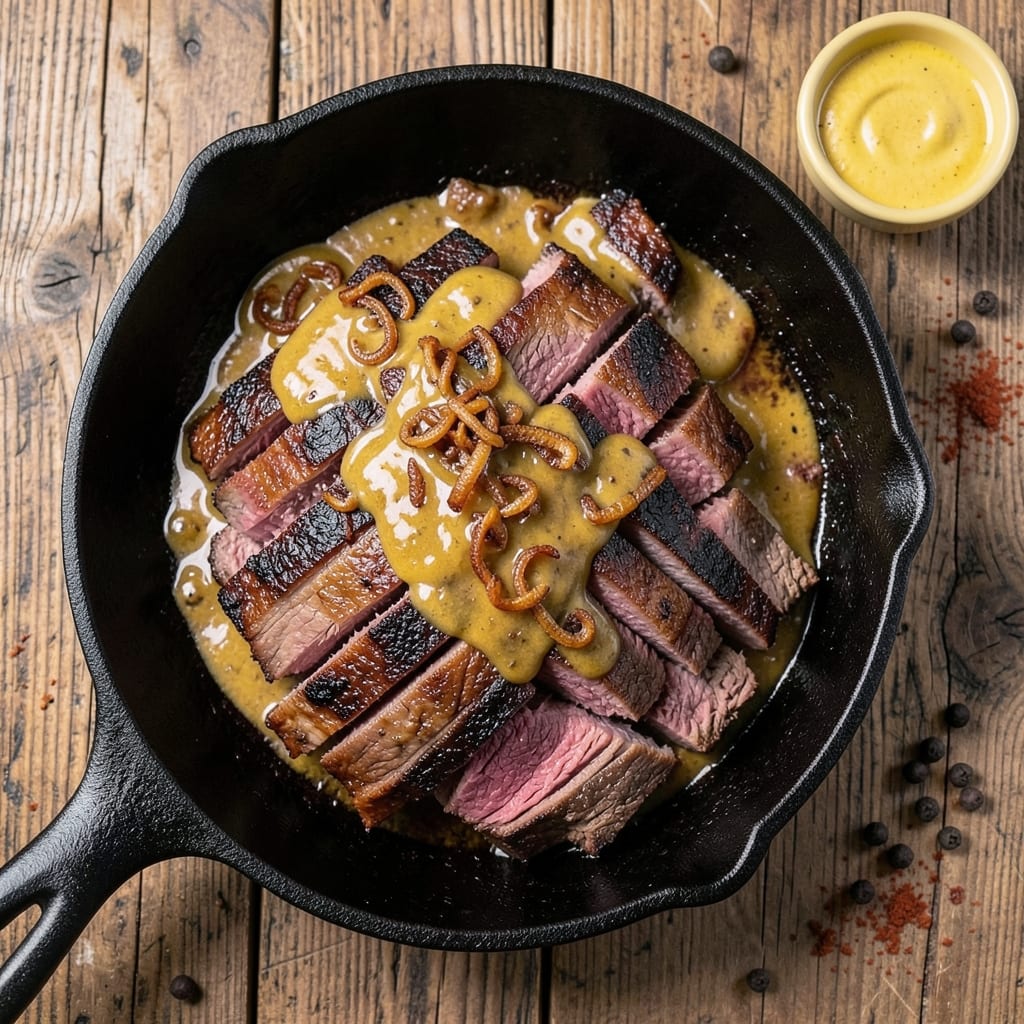
American beef brisket transforms tough cuts into melt-in-your-mouth perfection with just 12 hours of low-and-slow cooking. This Texas-style recipe delivers that signature smoky depth and fall-apart tenderness that makes brisket a centerpiece for gatherings. The secret lies in the precise balance of salt, pepper, and time—no shortcuts, just pure, patient cooking that rewards you with rich, juicy meat.
We'll start with a proper trim to remove excess fat, then apply a dry rub that clings to the meat while developing a flavorful bark. Cooking at 225°F ensures the connective tissue breaks down slowly, creating that iconic tender texture. The key? A beef probe thermometer to track internal temperature—we're aiming for 195-203°F for that perfect pull-apart moment.
What you'll end up with is brisket that's rich, smoky, and so tender it practically melts on the bone. The crust will be dark and crackling, while the interior remains juicy and flavorful. This isn't just a meal—it's an experience that transforms any occasion into a celebration, with every slice offering that satisfying pull that defines great brisket.
Serve with classic sides like creamy coleslaw, buttery cornbread, and pickled jalapeños for that full Texas BBQ experience. The leftovers? Even better the next day, making this a recipe that feeds a crowd while saving you time for what matters most—enjoying the meal with family and friends.
Ingredients for american beef brisket
Twelve hours of patience transforms tough brisket into melt-in-your-mouth perfection with just these twelve essential ingredients.
| Ingredient | Amount | Notes |
|---|---|---|
| Packer Cut Beef Brisket 🥩 | 8 lb | Whole packer cut, fat cap intact |
| Yellow Mustard 🍯 | ¼ cup | For rub adhesion |
| Kosher Salt 🧂 | ½ cup | Diamond Crystal preferred |
| Coarse Black Pepper 🌶️ | ¼ cup | Freshly cracked |
| Smoked Paprika 🌶️ | 2 tbsp | High-quality Spanish or Hungarian |
| Granulated Garlic 🧄 | 1 tbsp | Minced fresh preferred |
| Onion Powder 🧅 | 1 tbsp | Freshly ground preferred |
| Ground Chipotle Powder 🌶️ | 1 tbsp | Smoked, not liquid |
| Brown Sugar 🍚 | 1 tbsp | Light or dark |
| Beef Tallow or Shortening 🧈 | ½ cup | For fat pan |
| Wood Chips or Chunks 🌳 | 4 cups | Hickory or oak preferred |
| Beef Probe Thermometer 🌡️ | 1 whole | For accurate temp reading |
The brisket cut is everything here—packer cut with its thick fat cap is non-negotiable (the flat cut works too, but packer delivers more flavor). Costco and local butchers are your best bets for quality—look for bright red meat with good marbling. If you're buying online, Snake River Farms delivers consistently excellent cuts. Trim excess fat to about 1/4-inch thickness before seasoning; this ensures even bark formation while keeping the meat juicy. The fat cap should remain intact—it protects the meat during cooking and renders down beautifully.
No yellow mustard? Olive oil or apple cider vinegar works in a pinch for rub adhesion, though mustard gives that signature tang. Diamond Crystal kosher salt is ideal here—it dissolves better than table salt, creating a cleaner crust. Penzeys or Trader Joe's carry excellent spice blends if you want to skip measuring individual spices. For the wood, hickory delivers that classic BBQ flavor, but oak adds a touch of sweetness. Traeger or Weber wood chips are reliable brands. The chipotle powder should be ground from dried chipotle peppers—not the canned version. If you can't find it, smoked paprika with a pinch of cayenne works as a substitute.
Store your brisket uncovered in the fridge for up to 2 days before cooking—this helps dry the surface for better bark formation. The dry rub keeps for 3 months in an airtight container, so make extra. Leftover brisket reheats beautifully—wrap tightly in foil and bake at 300°F until warmed through. For serving, slice against the grain and let it rest 10 minutes before cutting. The wood chips can be reused once or twice, then composted—they've done their job by then.
Why You'll Love This Recipe
- Here’s what sold me: that perfect contrast of a caramelized crust on the outside with tender, buttery meat inside. The coarse black pepper gives it a little bite, but the kosher salt keeps it balanced—no overpowering flavors, just pure satisfaction.
- I’ll be real: most brisket recipes leave you with dry, sad leftovers. Not this one. The mustard keeps it moist, and the fat cap renders just enough to keep every slice juicy. Pack it for lunches or freeze it—no one will guess it’s not fresh off the grill.
Step-by-step instructions for smoky, fall-apart brisket
Here's how to transform that tough brisket into melt-in-your-mouth perfection.
Prepare the Rub and Season the Brisket
In a large bowl, combine the 0.5 cup kosher salt, 0.25 cup coarse black pepper, 2 tbsp smoked paprika, 1 tbsp granulated garlic, 1 tbsp onion powder, 1 tbsp ground chipotle powder, and 1 tbsp brown sugar. Mix thoroughly until the spices are evenly distributed. The chipotle powder will give you that subtle smoky depth right from the start.
Pat the 8 lb packer cut beef brisket completely dry with paper towels—this is crucial for that perfect bark later. Spread 0.25 cup yellow mustard evenly over the entire surface of the brisket. This isn't just for flavor; it helps the rub stick and creates a moisture barrier that keeps the meat tender. Press the spice mixture firmly into the meat, working it into all the crevices and the fat cap. The mustard will create a sticky base that locks in those spices.
Set Up Your Smoker for Low and Slow Cooking
Fill your smoker with 4 cups wood chips or chunks—I prefer hickory for that classic American flavor. Soak them in water for 30 minutes before using to prevent flare-ups. Preheat your smoker to 225°F and let it stabilize for at least 30 minutes before adding the brisket. You'll know it's ready when you see steady, thin blue smoke wafting from the chimney.
Place the brisket fat-side up on the smoker grates. The fat will render slowly and baste the meat as it cooks, creating that incredible bark. Pour 0.5 cup beef tallow or shortening into the water pan if your smoker has one—this adds extra fat for moisture and flavor. Close the lid and resist the urge to peek. Every time you open the lid, you lose heat and moisture, adding unnecessary time to your cook.
Smoke Until the Stall and Wrap for Tenderness
Smoke the brisket undisturbed for 6-8 hours until the internal temperature reaches 165-170°F. This is where you'll hit "the stall"—the temperature stops rising as moisture evaporates. Don't panic; this is normal. The brisket will look dry on the surface, but that's just the beginning of the magic.
When you hit the stall, wrap the brisket tightly in butcher paper (not aluminum foil). This technique, called the "Texas crutch," powers you through the stall while preserving that precious bark. Return it to the smoker and continue cooking until the internal temperature reaches 200-205°F and a probe slides in like butter. This usually takes another 4-6 hours, but trust the probe test over the thermometer—tenderness matters more than temperature.
Rest and Slice for Maximum Juiciness
Remove the brisket from the smoker and let it rest in the butcher paper for at least 1 hour (I prefer 2 hours wrapped in towels in a cooler). This resting period allows the juices to redistribute throughout the meat, ensuring every slice is moist and flavorful. The brisket will continue to cook slightly during this time due to carryover cooking, so don't skip this step.
Unwrap the brisket and locate the grain direction—you'll see lines running through the meat. Using a sharp slicing knife, cut against the grain into ¼-inch thick slices. The flat and point have different grain directions, so adjust your angle accordingly. Serve immediately while still warm. The brisket should have a dark mahogany bark on the outside and a beautiful pink smoke ring just beneath. Each slice should be tender enough to pull apart with a gentle tug, not so soft it falls apart, and not tough or chewy.
Pro Tips For Making American Beef Brisket
- CRANK THE HEAT FIRST: High heat for the first 15 minutes—yes, even if you’re nervous about burning. This sears the mustard crust properly so it doesn’t just melt off later. I learned this the hard way when my brisket ended up sticky instead of golden.
- SALT THE FAT CAP: Don’t skip the fat cap—it’s your insurance against dryness. Generously salt the thickest part (the fat side) before cooking, and let it sit uncovered in the fridge for at least 4 hours (overnight is better). This renders the fat slowly and keeps the meat juicy.
- WRAP IT WRONG: If you’re using foil or butcher paper, don’t seal it airtight. Leave a 2-inch gap at the top—steam builds up and turns your brisket into a sad, soggy loaf. Just fold the edges loosely, like a burrito that’s about to burst.
- SMASH THE MUSTARD: Spread the yellow mustard thick on the fat side before searing—about ¼ cup per pound. Thin layers burn and taste bitter. After the initial sear, flip and let it caramelize another 10 minutes. Sounds weird, but it works: the mustard adds a tangy depth that cuts through the richness.
Essential equipment for this dish
Smoker Essentials
Start with a quality smoker—I recommend a Traeger Pellet Grill for beginners or a Weber Smokey Mountain for purists. Both maintain steady temperatures and are built to handle brisket's long cook time. If you're on a budget, a charcoal smoker like the Pit Boss 340 works well with a little extra attention to temperature control. The key is consistency at 225°F—fluctuations can ruin your brisket. 🌡️
Thermometer Must-Haves
A meat probe thermometer is non-negotiable. The ThermoWorks Smoke is my top pick—it's accurate, wireless, and built for low-and-slow cooking. Insert the probe into the thickest part of the brisket, avoiding fat and bone. For a backup, a laser thermometer like the Meater gives instant readings without piercing the meat. Never rely on guesswork when cooking brisket—precision is everything.
Wood and Fuel
Use hickory or oak wood chips for that classic American BBQ flavor. Soak them in water for 30 minutes before use to prevent flare-ups. A wood chip tube like the Traeger wood chip tube makes fuel management easy. For charcoal smokers, use lump charcoal and a chimney starter to get a clean, hot burn. Avoid lighter fluid—it imparts unwanted chemical flavors. 🌳
Butcher Paper and Wrap
When you hit the stall, butcher paper is your best friend. It's breathable, allows moisture to escape, and creates that perfect bark. Maple Leaf Farms makes excellent heavy-duty butcher paper. Avoid aluminum foil—it traps steam and turns your brisket into a sad, soggy mess. For extra insurance, wrap the butcher paper with plastic wrap to keep it in place during the wrap phase.
Fat Pan and Tallow
A fat pan or drip pan is essential for catching rendered fat and keeping your smoker clean. I use a cast iron skillet lined with beef tallow or shortening—this adds extra fat to the smoke, enhancing flavor. If you don't have tallow, bacon grease works in a pinch. Just avoid cooking with it directly; use it as a fat source in the pan.
Slicing Tools
Don't skimp on your slicing knife. A Dexter-Russell 12-inch slicing knife is the gold standard for brisket. It's sharp, long, and designed to cut through tough meat with ease. If you're not ready to invest, a high-quality chef's knife with a honing steel will work. Always slice against the grain—this shortens muscle fibers and makes each bite tender. A cutting board with a non-slip mat keeps your brisket in place while slicing. 🔪
Nutrition facts
Frequently asked questions
What's the difference between a packer cut and flat cut brisket?
The packer cut includes both the flat and point, giving you more meat for your money, while the flat cut is leaner and cooks faster. The packer cut delivers richer flavor from the fat cap and more versatility—great for large gatherings. The flat cut is ideal if you want a quicker cook or prefer leaner meat.
Can I cook brisket in an oven instead of a smoker?
Yes, but you'll need to mimic the smoker's low-and-slow environment. Use an oven set to 225°F with a water pan for moisture, and add wood chips in a foil pan below the rack. For best results, wrap the brisket in butcher paper at 165°F just like you would with a smoker. Expect similar cook times.
Why does my brisket turn out dry even after wrapping?
Overcooking past 205°F or opening the smoker too often causes moisture loss. Also, wrapping too early (before hitting the stall) traps steam instead of allowing it to escape. Always use a beef probe thermometer and wrap only when the internal temp reaches 165-170°F—this ensures proper bark formation before moisture retention.
How long can I store cooked brisket in the fridge?
Vacuum-sealed brisket stays fresh for 5-7 days in the fridge, while wrapped in foil or butcher paper lasts 3-4 days. For longer storage, freeze portions for up to 3 months. Reheat slowly in the oven at 300°F until warmed through—never microwave, as it dries out the meat.
What's the best way to reheat leftover brisket?
Wrap slices in foil with a splash of beef broth, then bake at 300°F for 15-20 minutes until heated through. For whole brisket, place it in a 275°F oven for 1-2 hours wrapped in butcher paper. This method preserves moisture better than a microwave or stovetop.