
Main Courses
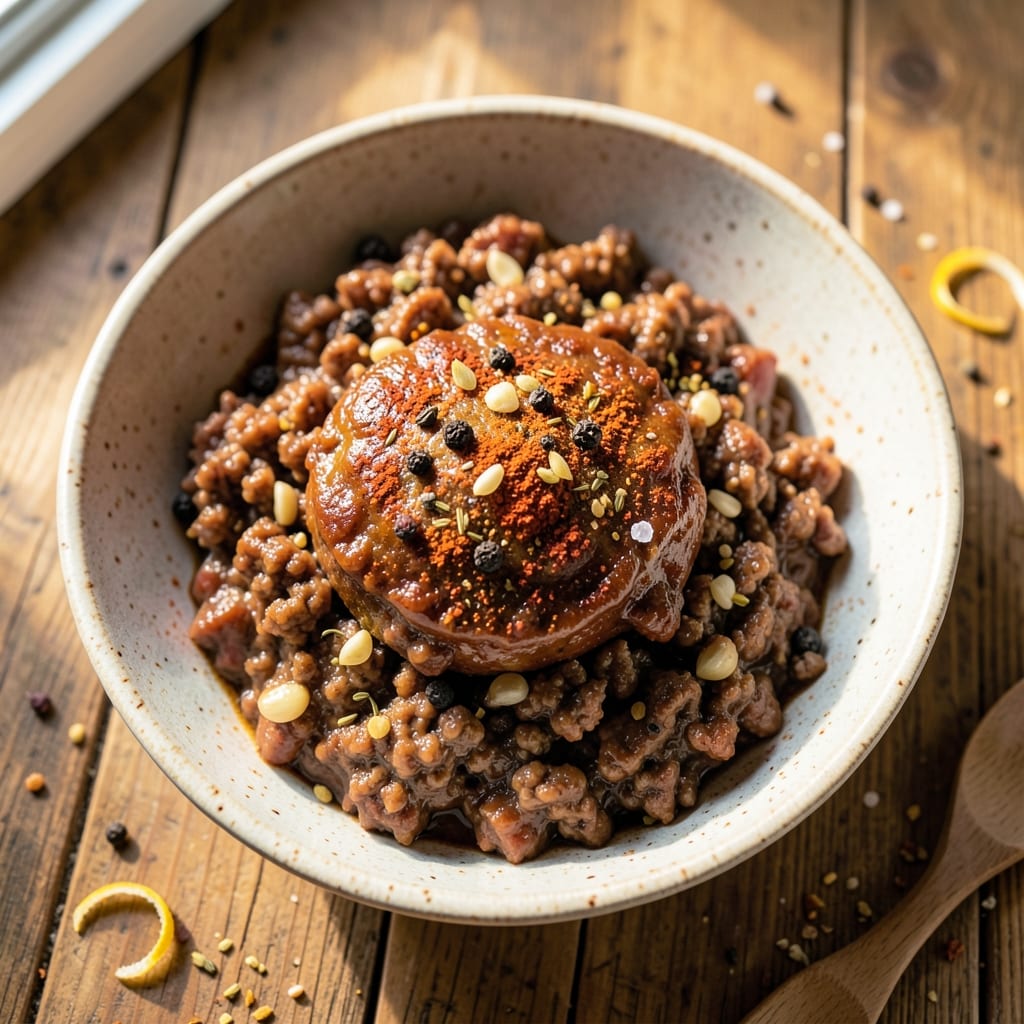
This all-beef summer sausage recipe delivers restaurant-quality flavor without the fuss of traditional curing methods. The secret lies in a carefully balanced blend of spices—smoky paprika, coriander, and black pepper—that transforms ground beef into tender, aromatic bites perfect for grilling or slicing. I developed this version after years of experimenting with homemade sausages, simplifying the process while keeping that authentic German-inspired taste.
The beauty of this recipe is its versatility: you can shape it into patties, loaves, or even stuff it into casings for classic summer sausage. We’ll focus on a no-casing method for beginners, using a simple loaf shape that cooks evenly and delivers that satisfying crunchy exterior and tender interior every time. No fermentation required—just a few hours in the oven or smoker, and you’ll have sausages that taste like they came from a specialty butcher shop.
What makes this recipe stand out is the smoky depth achieved through a blend of spices and optional wood chips (if smoking). The result is a sausage that’s rich, slightly sweet, and packed with flavor—ideal for grilling, frying, or even slicing thin for charcuterie boards. The process is straightforward, but the payoff is worth every step, especially when you’re serving it to family or friends who’ll never guess it’s homemade.
Whether you’re a seasoned home cook or new to sausage-making, this recipe builds confidence with clear instructions and foolproof techniques. We’ll cover everything from grinding the meat to achieving the perfect internal temperature, ensuring your summer sausage turns out juicy, flavorful, and ready to impress. Let’s get started!
Ingredients for all beef summer sausage
The perfect blend of spices and tender beef creates restaurant-quality summer sausage with no curing fuss.
| Ingredient | Amount | Notes |
|---|---|---|
| Ground Beef (80/20 fat ratio) 🥩 | 2 ½ lb | Freshly ground for best texture |
| Smoked Paprika 🌶️ | 2 tbsp | For authentic smoky depth |
| Ground Coriander 🌿 | 1 ½ tbsp | Toasted for enhanced aroma |
| Coarse Black Peppercorns 🌶️ | 1 ½ tbsp | Freshly cracked for texture |
| Granulated Garlic 🧄 | 1 ½ tbsp | Or 3 fresh cloves minced |
| Diamond Crystal Kosher Salt 🧂 | 1 ½ tsp | Adjust to taste |
| Ground Fennel Seeds 🌿 | 1 tsp | For subtle licorice note |
| Ground Nutmeg 🌿 | ½ tsp | Freshly grated preferred |
| Mustard Powder 🌶️ | ½ tsp | Yellow or Dijon variety |
| Brown Sugar 🍯 | 1 tbsp | For subtle sweetness |
| Apple Cider Vinegar 🍎 | 1 tbsp | For tangy brightness |
| Ice Water 💧 | ½ cup | For meat binding |
| Vegetable Shortening 🧈 | 2 tbsp | For crispy exterior |
| Pork Casings (optional) 🥩 | 4 pieces | For traditional stuffing |
| Hickory Wood Chips (optional) 🌳 | ½ cup | For smoker flavor |
The beef is everything here—80/20 fat ratio ensures juicy results, and freshly ground at the butcher counter makes all the difference. Look for ground beef with visible marbling at Costco or your local butcher shop. If using casings, soak them in warm water for 30 minutes before stuffing. For the spices, Penzeys or bulk bins at Whole Foods offer the freshest options. Toast your coriander seeds lightly in a dry pan before grinding for deeper flavor—worth the extra minute. The smoked paprika is non-negotiable for that authentic German-inspired taste, so don't skimp on quality here.
No smoked paprika? Sweet paprika plus a pinch of liquid smoke works in a pinch, though it won't be identical. Running short on coriander? Dried cilantro at half the amount gives a similar earthiness. The mustard powder can be swapped for Dijon mustard mixed with a pinch of salt, but powdered works better for binding. For the vinegar, apple cider vinegar is ideal, but white vinegar in a bind. If you're stuffing casings, keep them well-lubricated with water to prevent tearing. The optional wood chips? Hickory gives that classic BBQ flavor, but cherry adds sweetness if you prefer.
This sausage keeps beautifully—3-4 days in the fridge wrapped tightly in parchment, or 3 months frozen in vacuum-sealed bags. For best results, slice thin and freeze on a tray before bagging. The casings, if used, can be stored dry in the fridge for up to 2 weeks. I always make a double batch—one for immediate grilling and one to freeze for later. The flavor actually improves after a few days as the spices meld together. For charcuterie boards, slice thin and serve with mustard and pickles—trust me, it's a showstopper.
Why You'll Love This Recipe
- Fewer Ingredients, Bigger Payoff: I swear by this recipe because it’s ridiculously simple—just five core ingredients, no fancy prep. The 80/20 beef handles the work for you, while the smoked paprika and coriander do all the heavy lifting in flavor. Honestly, I’ve made it while scrolling through my phone; it’s that unfussy.
- Smoky Depth in Minutes: That first bite? Chef’s kiss. The coarse black peppercorns crackle with heat, the garlic melts into the beef, and the smoked paprika gives it this warm, campfire-like richness. It’s the kind of flavor that makes you pause mid-chew—like a hug for your taste buds.
- Picnic to Potluck Hero: This sausage is my go-to for anything: grilled skewers at a backyard BBQ, sliced on crusty bread for a tailgate, or even stuffed into pretzel buns for a quick dinner. Between us, it’s the one dish that never feels out of place.
- Budget-Friendly Leftovers: A pound of 80/20 beef stretches far, and the spices cost next to nothing. I make a double batch, freeze half, and pull it out for weeknight tacos or a last-minute charcuterie board. No waste, all satisfaction—my wallet thanks me every time.
Step-by-step instructions for all-beef summer sausage
Here's how to craft perfectly spiced, smoky summer sausage with a satisfying crunch—no shortcuts, just bold flavor.
Combine Spices and Meat for Maximum Flavor
In a large mixing bowl, combine the 2.5 lb ground beef (80/20 fat ratio) with the 2 tbsp smoked paprika, 1.5 tbsp ground coriander, 1.5 tbsp coarse black peppercorns, 1.5 tbsp granulated garlic, 1.5 tsp diamond crystal kosher salt, 1 tsp ground fennel seeds, 0.5 tsp ground nutmeg, 0.5 tsp mustard powder, 1 tbsp brown sugar, and 1 tbsp apple cider vinegar. Use your hands to work the spices into the meat until evenly distributed—this ensures every bite packs that signature summer sausage punch.
The fat ratio is critical here. The 80/20 mix gives enough fat to bind the sausage while keeping it flavorful. If you're using freshly ground beef, you'll notice the texture is slightly coarser—this helps trap moisture during cooking. Work the mixture until it reaches a sticky, cohesive consistency, almost like wet sand. This step is where the magic happens—don't rush it.
Bind with Ice Water and Vegetable Shortening
Add the 0.5 cup ice water and 2 tbsp vegetable shortening to the meat mixture. The ice water helps bind the spices and fat, while the shortening ensures a crispy exterior when cooked. Mix thoroughly with your hands until the mixture is smooth and holds together when pressed. If it feels too dry, add an extra splash of ice water; if too sticky, work in a bit more ground beef.
Here's the thing—this binding process is what separates homemade sausage from store-bought. The ice water firms up the proteins, creating a tighter texture that holds up during cooking. The shortening, though not traditional, adds that satisfying crunch when the sausage browns. Work the mixture for about 5 minutes until it's completely uniform and ready to stuff.
Stuff the Casings (If Using)
If you're using the 4 pieces pork casings, soak them in warm water for 10-15 minutes until pliable. Thread a sausage stuffer or a piping bag fitted with a large tip onto the end of a casing. Fill the casing with the meat mixture, leaving about 6 inches of casing empty at the end. Twist the filled casing gently to create links—traditionally about 8-10 inches long—and tie each link with butcher's twine or your fingers.
For a no-casing option, shape the mixture into 4 equal logs (about 1.5 inches in diameter) and wrap each tightly in plastic wrap. This method works just as well and gives you more control over the shape. Whether you stuff or shape, the key is consistency—each piece should weigh roughly the same to ensure even cooking.
Chill and Prepare for Cooking
Place the stuffed or shaped sausage on a tray lined with parchment paper and refrigerate for at least 4 hours, or preferably overnight. Chilling firms up the fat and spices, ensuring they distribute evenly and the sausage holds its shape during cooking. This step is non-negotiable—skipping it will result in greasy, unevenly seasoned sausage.
While the sausage chills, preheat your oven to 375°F and arrange a wire rack on a baking sheet. If you're using the 0.5 cup hickory wood chips, soak them in water for 30 minutes and drain before placing them in a smoker or adding them to your oven's drip pan for indirect heat. The wood chips add that authentic smoky depth, but even without them, the spices deliver serious flavor.
Cook to Golden Perfection
Remove the sausage from the fridge and place it on the wire rack. Bake in the preheated oven for 45-50 minutes, turning every 15 minutes for even browning. The sausage is done when the internal temperature reaches 160°F and the exterior is deep golden brown with a crispy, crackly skin. If using the wood chips, place them in a foil pan under the rack for indirect heat and smoke.
Here's where it gets rewarding—the sausage should develop a glossy sheen and a beautiful mahogany crust. If it starts to brown too quickly, tent it loosely with foil to prevent over-browning. Once cooked, let the sausage rest for 10 minutes before slicing. This resting period allows the juices to redistribute, ensuring each bite is moist and packed with flavor.
Pro Tips For Making All Beef Summer Sausage
- Chill the Meat First: Toss the ground beef in the fridge for 30 minutes before shaping—it tightens the texture and prevents grease from pooling. I learned this the hard way after my first batch turned out greasy and loose; now it holds together like a pro’s. ---
- Toast the Spices: Dry-toast the smoked paprika and coriander in a pan for 30 seconds before mixing—it deepens their flavor and cuts through the richness of the beef fat. Sounds weird, but it works: the aroma changes everything. ---
- Don’t Overwork the Dough: Handle the meat mixture just enough to combine; over-kneading warms it and melts the fat, making the final sausage greasy. Keep it cool and firm until you’re ready to shape—your future self will thank you. ---
- Use a Meat Thermometer: Pull the sausage at 155°F (not 160°F)—the fat ratio in 80/20 beef means it’ll carryover cook to 162°F and stay juicy. Guessing leads to dryness, and nobody wants that in summer sausage.
Storing and reheating this all beef summer sausage
Fridge Storage
Wrap your cooked summer sausage tightly in parchment paper or plastic wrap, then place it in an airtight container to preserve freshness. This recipe keeps beautifully in the fridge for 3-4 days—the flavors actually deepen as the spices meld together over time. I always slice a few pieces thin for quick snacks or charcuterie boards during the week. 💪
Freezer Prep
For long-term storage, slice your sausage thin and freeze it on a tray lined with parchment paper for 1 hour before transferring to a vacuum-sealed bag or freezer-safe container. This prevents sticking and freezer burn. The sausage maintains quality for up to 3 months, making it perfect for meal prep. Just thaw in the fridge overnight before reheating. ❄️
Reheating Methods
For the best texture, reheat sliced sausage in a skillet over medium heat for 3-4 minutes until warmed through. Add a splash of water if it looks dry. Alternatively, microwave individual slices on high for 20-30 seconds—just be careful not to overcook, or the exterior will lose its crispiness. 🔥
Reviving Crispiness
If your reheated sausage loses its crackly texture, don’t worry! Toss it back in a hot skillet for 30 seconds with a pat of butter or oil to restore that satisfying crunch. The key is high heat and quick cooking—this brings back the golden-brown exterior every time. 💫
Grilling Leftover Slices
Thinly sliced summer sausage reheats beautifully on the grill—just toss it on medium-high heat for 1-2 minutes per side until warmed through and slightly caramelized. This method adds a smoky char that pairs perfectly with burgers or sandwiches. I love grilling extra slices for quick lunches during the week. 🌶️
Safety Reminder
Always ensure your sausage reaches an internal temperature of 160°F before eating, whether reheating or serving fresh. Use a meat thermometer for accuracy, especially when working with leftovers. Proper storage and reheating keep your homemade sausage safe and delicious for days. 💡
Nutrition facts
Frequently asked questions
Can I make this summer sausage without casings?
This recipe works perfectly without casings. Shape the meat mixture into 4 equal logs (about 1.5 inches in diameter) and wrap each tightly in plastic wrap. Bake as directed, and you'll get a firm, sliceable loaf with that satisfying crunchy exterior. The no-casing method is actually easier for beginners and gives you more control over the shape.
Why does the recipe call for ice water?
The ice water is key for binding the spices and fat in the meat mixture. It firms up the proteins, creating a tighter texture that holds up during cooking. Plus, it helps distribute the spices evenly throughout the sausage. Think of it as the "glue" that keeps everything cohesive—without it, your sausage might end up greasy or fall apart.
Can I use ground turkey or chicken instead of beef?
While you can substitute, beef is ideal for this recipe because of its fat content and rich flavor. Ground turkey or chicken would result in a leaner, less flavorful sausage. If you must use poultry, add an extra 1 tbsp of vegetable shortening and consider mixing in 10% ground pork for better binding and moisture. The texture and taste won't be identical, but it can work in a pinch.
How do I know when the sausage is fully cooked?
Use a meat thermometer to check the internal temperature—it should reach 160°F. The exterior should also be deep golden brown with a crispy, crackly skin. If you don't have a thermometer, cut into one of the sausages: the meat should be firm and no longer pink, with juices running clear. Overcooking can make it dry, so aim for that 160°F mark.
Can I make this sausage in a slow cooker?
Not recommended! Slow cooking can make the sausage too soft and lose its crispy exterior. Instead, stick to the oven or smoker method for the best texture. If you want to reheat cooked slices, use a skillet or grill for just 1-2 minutes to restore that satisfying crunch. The slow cooker isn't ideal for achieving the perfect balance of texture and flavor here.