
Main Courses
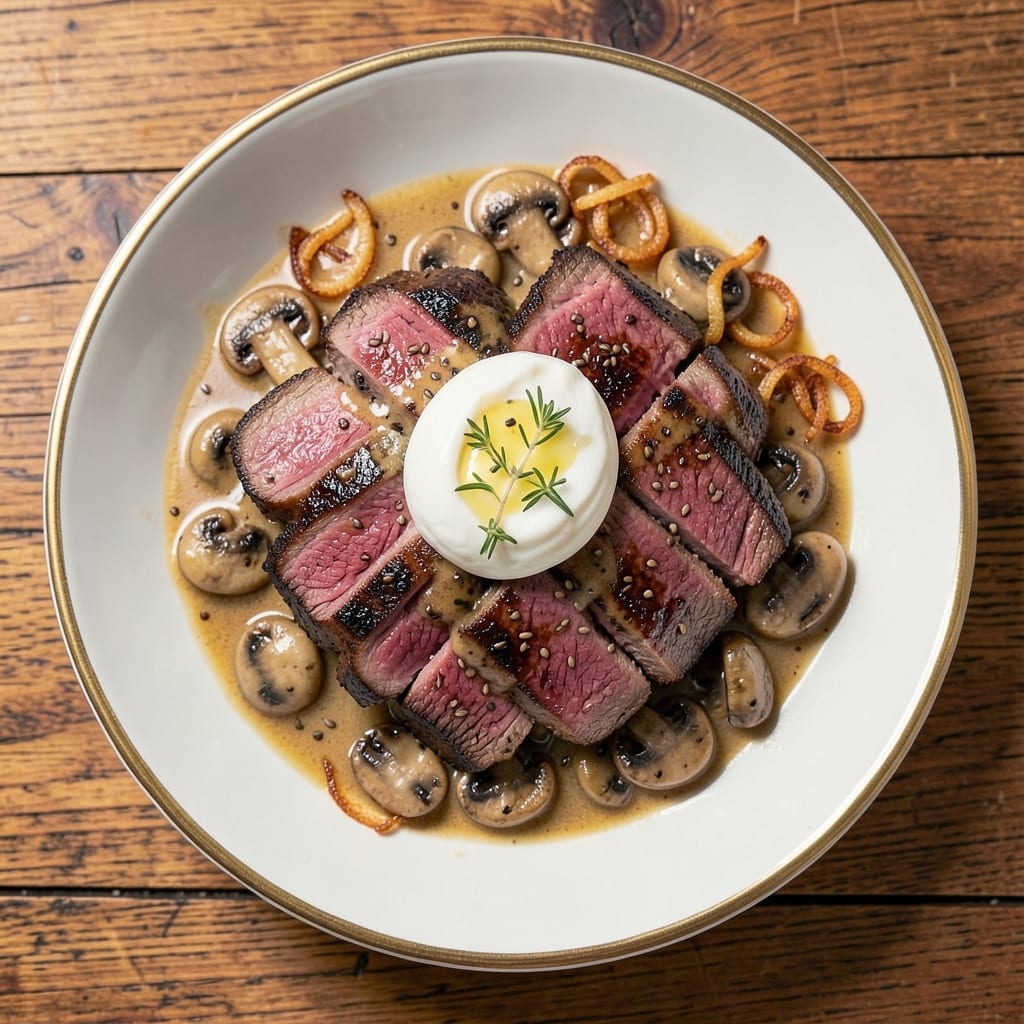
This authentic German beef stroganoff recipe transforms a Russian classic into a hearty, one-pan wonder that captures the essence of German comfort food. The secret lies in using tender beef tenderloin, a rich white wine reduction, and velvety sour cream—all braised together with mushrooms for deep, savory harmony. I developed this version after years of studying how German home cooks adapt stroganoff, and the result is a dish that’s both nostalgic and refined.
The foundation of this recipe is a proper braise: searing the beef first locks in juices, while a slow simmer in white wine and beef broth develops layers of flavor. German adaptations often include a touch of caraway seeds or a splash of beer, which add subtle depth without overpowering the dish. The sour cream isn’t just a finishing touch—it’s the heart of the sauce, balancing acidity and richness in every bite.
What you’ll end up with is a restaurant-worthy stroganoff that’s tender, aromatic, and perfectly balanced—ideal for feeding a family or impressing guests. The sauce clings to the beef and mushrooms, creating a luscious, velvety texture that’s impossible to resist. Serve it with buttery spaetzle or fluffy mashed potatoes to soak up every last drop.
This recipe delivers on authenticity without sacrificing simplicity, making it perfect for weeknight dinners or special occasions. The one-pan method keeps cleanup minimal, while the flavors reward patience. Ready to master this German twist on a classic? Let’s get cooking.
Ingredients for authentic german beef stroganoff
German comfort food essentials—tender beef, aromatic mushrooms, and velvety sour cream—all braised to perfection in one pan.
| Ingredient | Amount | Notes |
|---|---|---|
| Beef Tenderloin 🥩 | 1 ½ lb | Center-cut, trimmed of fat |
| White Wine 🍷 | 1 cup | Dry, full-bodied variety |
| Beef Broth 💧 | 1 ½ cups | Homemade or high-quality store-bought |
| Fresh Mushrooms 🍄 | 1 ½ lb | Cremini or baby bella, sliced |
| Sour Cream 🧀 | 1 cup | Full-fat for optimal texture |
| Butter 🧈 | 4 tbsp | Unsalted, cut into pieces |
| All-Purpose Flour 🌾 | 2 tbsp | For thickening sauce |
| Shallots 🧅 | 2 whole | Minced, or substitute 1 small onion |
| Garlic Cloves 🧄 | 4 cloves | Minced, for aromatic depth |
| Caraway Seeds 🌿 | ½ tsp | Toasted for authentic flavor |
| Dry Beer 🍺 | ¼ cup | German lager preferred |
| Salt 🧂 | 1 tsp | Diamond Crystal kosher salt |
| Black Pepper 🌶️ | ½ tsp | Freshly ground preferred |
| Fresh Thyme 🌿 | 1 tbsp | Leaves only, chopped |
| Olive Oil 🫒 | 2 tbsp | For initial searing |
The beef tenderloin is non-negotiable for this dish—its tenderness is the foundation. Look for center-cut pieces with good marbling at specialty butchers like Whole Foods or Dartmouth Farms for premium quality. If using a whole piece, trim excess fat to ensure clean searing. For mushrooms, cremini or baby bella deliver the best texture, though wild mushrooms add depth if you're adventurous. The white wine should be dry and robust—think Riesling or Pinot Grigio—avoid anything overly sweet. Beef broth is best homemade, but Knudsen or Pacific Foods brands are reliable store-bought options.
No white wine? Dry vermouth or apple cider work in a pinch, though the flavor profile shifts slightly. Substituting mushrooms? Portobello or oyster mushrooms hold up well, but texture will differ. The caraway seeds are authentic but optional—omit if you dislike their anise-like note. For beer, German lagers like Augustiner or Paulaner are ideal, but any dry lager will suffice. The sour cream must be full-fat for that signature velvety texture—Trader Joe's or Organic Valley are excellent choices. Fresh thyme is preferable, but dried thyme at one-third the amount works if needed. Pre-minced garlic from jars lacks freshness, so peel and chop your own for optimal flavor.
This stroganoff tastes even better the next day as flavors meld. Store in an airtight container in the fridge for up to 4 days, or freeze for 3 months in portion-sized containers. For serving, buttery spaetzle or mashed potatoes are ideal—both absorb the sauce beautifully. The sauce thickens as it cools, so reheat gently with a splash of beef broth if needed. Double the batch and freeze half for lazy weeknights—just thaw and reheat for a restaurant-quality meal in minutes.
Why You'll Love This Recipe
- One-Pan Magic: I swear by this recipe—just sear the beef, toss in the mushrooms and wine, and let the broth do the work. No fancy techniques, no extra dishes.
- Rich Without Effort: That first sip of white wine deglazing the pan? Pure flavor payoff. The tenderloin stays juicy, the mushrooms soak up the sauce, and the sour cream ties it all together—like a hug in a bowl.
- Weeknight to Dinner Party: Make it for yourself or double it for guests. The same easy steps work whether you're feeding one or six, and it smells amazing while it cooks—no one will guess it’s not from a fancy restaurant.
- Leftovers That Don’t Suck: Honestly, this tastes better the next day. The flavors meld into something even richer, and it reheats like a dream. Plus, the beef tenderloin stretches my grocery budget further than ground beef ever did.
Step-by-step instructions for authentic German beef stroganoff
Master this traditional German technique where rich sour cream meets tender beef and earthy mushrooms.
Prepare the Beef and Aromatics
Begin by slicing the 1.5 lb beef tenderloin into ¼-inch thick strips against the grain for maximum tenderness. Pat them dry with paper towels—this ensures a proper sear. In a small bowl, combine the toasted 0.5 tsp caraway seeds, 1 tsp salt, and 0.5 tsp black pepper with 1 tbsp chopped fresh thyme. This aromatic blend forms the flavor foundation of authentic German stroganoff.
Finely mince the 2 whole shallots and 4 cloves garlic—you want them nearly paste-like for even distribution. Set aside the aromatics and keep the beef chilled until ready to cook. The key here is precision: over-mincing the shallots will make them bitter, while under-mincing leaves raw spots in your dish.
Sear the Beef and Build the Sauce Base
Heat 2 tbsp olive oil in a large Dutch oven over medium-high heat until shimmering. Working in batches to avoid crowding, add the beef strips and sear for 2-3 minutes per side until they develop a deep golden crust. Transfer the seared beef to a plate and set aside.
In the same pot, reduce heat to medium and add 2 tbsp all-purpose flour, stirring constantly for 1 minute to remove the raw flour taste. Immediately pour in the 1 cup dry white wine, scraping up any browned bits from the bottom—this is where the authentic depth of flavor begins. Let the wine reduce by half before adding the 1.5 cups beef broth and 0.25 cup dry beer. Bring to a gentle simmer and let it reduce by one-third before returning the beef to the pot.
Cook the Mushrooms and Thicken the Sauce
Add 1.5 lb sliced fresh mushrooms to the simmering liquid and cook for 5-6 minutes until they release their moisture and begin to soften. Stir in the minced shallots and garlic, cooking for another 2 minutes until fragrant. This is where the German character shines—mushrooms should be tender but still hold their shape, not mushy.
Reduce heat to low and remove the pot from heat. Stir in 4 tbsp cold butter, cut into small pieces, until fully melted and incorporated. This butter step creates the signature richness of German stroganoff. Return the pot to low heat and gradually whisk in the 1 cup sour cream, stirring constantly to prevent curdling. The sauce should thicken to a velvety consistency, coating the back of a spoon.
Finish and Rest for Optimal Texture
Return the beef to the pot and simmer gently for 3-4 minutes, just until everything is heated through. The beef should be fork-tender but still hold its shape. Taste and adjust seasoning—you may need a pinch more salt or pepper to balance the richness of the sour cream.
Transfer the stroganoff to a serving dish and let it rest for 5 minutes before serving. This resting period allows the flavors to meld and the sauce to thicken slightly, ensuring each bite delivers perfect texture. Serve immediately over buttered egg noodles or crusty bread to soak up every last drop of that creamy, mushroom-infused sauce.
Pro Tips For Making Authentic German Beef Stroganoff
- Sear the Beef in Batches: Thin slices of tenderloin crowd the pan and steam instead of brown. Split them into two rounds and cook each side for 60 seconds on high heat—this builds real flavor. I learned this the hard way after a batch tasted bland because the meat barely colored.
- Deglaze with Cold Wine: Pouring room-temperature white wine straight from the fridge into the hot pan stops the cooking process instantly, preserving that bright acidity. Skip the warm-up step—just splash it in and let it bubble. (Yes, even if you’re impatient like me.)
- Salt the Sour Cream: Stir in a pinch of flaky salt with the sour cream at the end—it cuts through the richness and balances the dish. I used to skip this, and the sauce always felt flat until I tried it.
- Simmer the Mushrooms Separately: Sautéing mushrooms with the beef makes them watery and dull. Cook them first in a separate pan with a splash of broth until they’re golden and tender, then fold them in at the very end. This keeps their texture intact and their flavor sharp.
Wine and beer pairings for this recipe
German Lager Pairings
A crisp German lager like Augustiner Helles or Paulaner Münchner Hell is my go-to pairing for this stroganoff. The clean, slightly malty profile complements the dish's richness without overpowering the earthy mushrooms and tender beef. Serve it chilled at 45-50°F—the coolness cuts through the creamy sauce beautifully. For a bolder option, try a German wheat beer (Weißbier) with its citrusy notes, but avoid overly hoppy IPAs that might clash with the sour cream's tang. 🍺
White Wine Elevations
Since the recipe already uses white wine in cooking, why not continue the theme at the table? A dry Riesling from the Mosel region adds a bright acidity that mirrors the dish's balance of creaminess and acidity. Look for a Kabinett-level Riesling with its crisp apple and mineral notes. Alternatively, a Pinot Grigio from Alto Adige offers a lighter, more floral complement that won't overwhelm the stroganoff's depth. Serve both wines at 50-55°F to preserve their delicate aromas.
Beer and Wine Fusion
For a playful twist, serve both a German Pilsner and a Chardonnay side by side. The Pilsner's hoppy bitterness contrasts the dish's richness, while the Chardonnay's buttery notes echo the sour cream. I like pairing a Weihenstephaner Original (the world's oldest brewery's beer) with a German-style Chardonnay from Bernhard Huber—both are widely available at specialty grocers like Total Wine & More or BevMo. The beer's crispness cleanses the palate between bites, while the wine adds a luxurious touch.
Non-Alcoholic Options
Don't overlook sparkling German apple cider like Rothaus or Dr. Hauschka for a refreshing alternative. The effervescence mirrors the dish's creamy texture while the apple's tartness balances the stroganoff's richness. For a more savory option, try a German wheat beer non-alcoholic like Veltins 0.0%—its subtle spiciness complements the caraway seeds in the recipe. Both options are widely available at Whole Foods or Trader Joe's and pair beautifully with the dish's hearty flavors.
Serving Temperature Tips
Never serve your wine or beer at room temperature with this dish. The stroganoff's creamy sauce and warm spices benefit from chilled beverages—aim for 45-55°F for both wine and beer. I keep my Augustiner Helles in the fridge until just before serving, then pour it into a tulip-shaped glass to concentrate its aroma. For wine, decant a Riesling for 30 minutes if it's young to open up its fruitiness, but avoid decanting Chardonnay—its delicate flavors are best enjoyed fresh and cool. 🍷
Nutrition facts
Frequently asked questions
Why does this recipe use beer instead of broth?
German adaptations of stroganoff often incorporate beer to add subtle maltiness and body to the sauce. The 0.25 cup dry lager enhances the umami from mushrooms while balancing the richness of the sour cream. It's a traditional touch that makes this version distinctly German—think of it as the secret ingredient that elevates the dish beyond classic Russian stroganoff.
Can I substitute the beef tenderloin with a cheaper cut?
While beef tenderloin is ideal for its tenderness, you can use top sirloin or ribeye in a pinch. Cut against the grain into ¼-inch strips and marinate for 30 minutes in a mix of white wine, olive oil, salt, and pepper before searing. For best results, avoid tougher cuts like chuck—they won't become tender enough during the short braising time.
How do I prevent the sour cream from curdling?
Always stir the sour cream into the sauce off the heat and keep the temperature below 160°F. Add it gradually while whisking constantly, and avoid boiling the sauce. If the sauce is too hot, let it cool slightly before mixing. For extra insurance, temper the sour cream first by mixing 1 tbsp of hot sauce into it before adding the rest.
What's the best way to reheat leftovers?
Reheat gently in a skillet over low heat with 1-2 tbsp beef broth to restore moisture. Avoid microwaving, as it can make the sauce grainy. If the sauce thickens too much, thin it with a splash of warm broth. Leftovers taste even better the next day as flavors meld—store in an airtight container for up to 4 days.
Can I make this stroganoff in a slow cooker?
Yes, but with adjustments: Sear the beef first, then transfer everything to the slow cooker (except the sour cream). Cook on Low for 6-7 hours or High for 3-4 hours. Stir in the sour cream and butter during the last 15 minutes to prevent curdling. The texture will be slightly different but still delicious—great for hands-off cooking!