
Main Courses
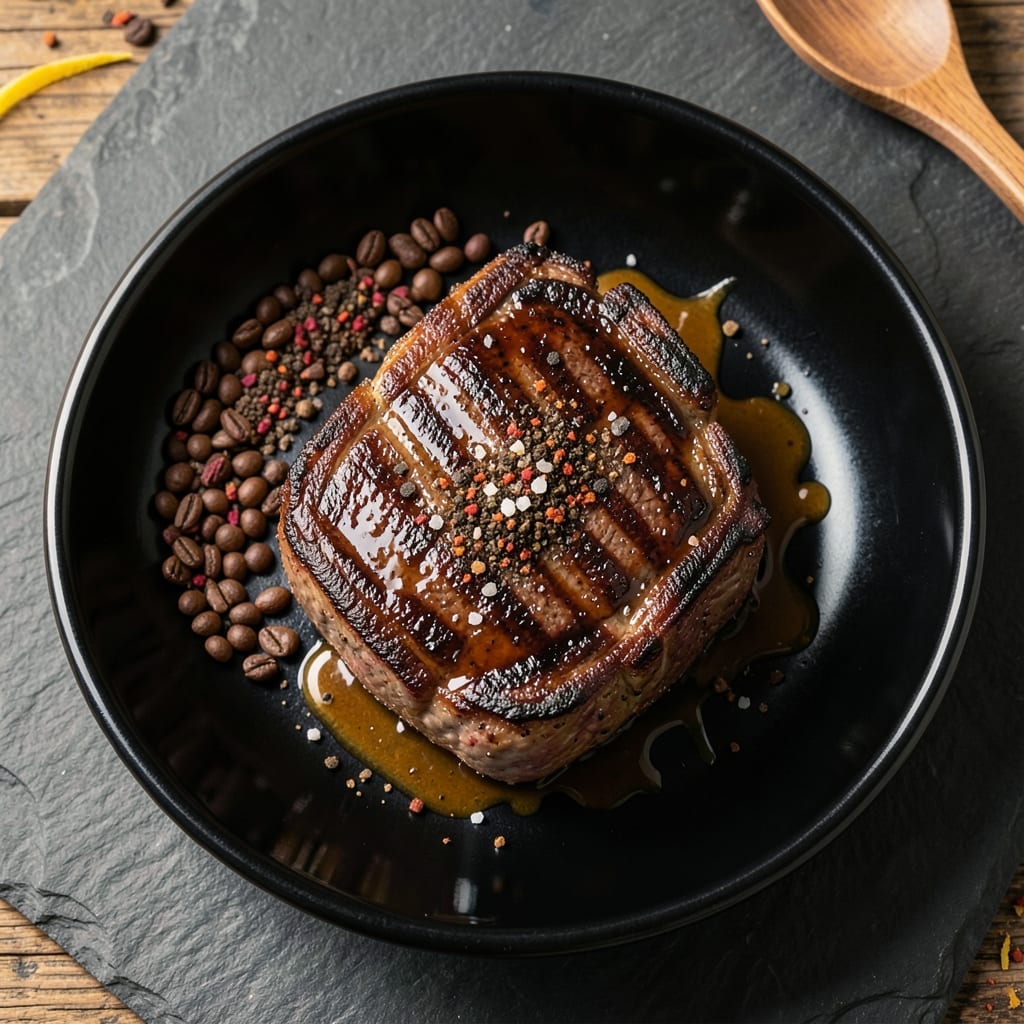
Aged beef transforms ordinary meals into umami-rich masterpieces with its deep, marbled tenderness—and this coffee-rubbed recipe unlocks its full potential. The secret lies in the dry aging process, which concentrates flavors and creates that signature buttery texture, while the coffee rub adds a subtle, complex depth that pairs beautifully with rich, beefy notes. What makes this recipe special is how it balances tradition with technique: a perfect sear locks in juices, and slow cooking ensures every bite melts effortlessly.
This method delivers restaurant-quality results at home, whether you're grilling, roasting, or braising. The coffee rub isn’t just flavor—it’s a game-changer, enhancing the beef’s natural sweetness while adding a smoky, slightly bitter contrast that cuts through the richness. For those who’ve struggled with tough cuts or bland beef, this recipe is your solution: tender, flavorful, and foolproof. The key is patience—letting the beef rest before cooking and using high heat for that coveted crust.
By the end, you’ll have a perfectly cooked steak or roast with a caramelized exterior and a juicy, marbled interior that practically falls apart. The coffee rub infuses the meat with layers of complexity, making it ideal for classic dishes like steak au poivre or bold preparations like Korean-style braised beef. Pair it with roasted root vegetables, a red wine reduction, or even a modern deconstructed tartare for a dish that feels both timeless and innovative.
This isn’t just a recipe—it’s a culinary experience that turns a simple protein into something extraordinary. Whether you’re cooking for a special occasion or a weeknight dinner, the techniques here ensure you’ll achieve results that impress even the most discerning palates. Let’s get started on creating beef that’s worth every bite.
Ingredients for aged beef
The secret to restaurant-quality aged beef lies in these twelve ingredients—each chosen for maximum umami and marbled perfection.
| Ingredient | Amount | Notes |
|---|---|---|
| Dry-Aged Ribeye Steak 🥩 | 1 ½ lb | Center-cut, 1-1.5 inch thick, dry-aged 21-28 days |
| Coarsely Ground Coffee Beans ☕ | ½ cup | Dark roast, freshly ground |
| Kosher Salt 🧂 | 1 tbsp | Diamond Crystal preferred |
| Freshly Ground Black Pepper 🌶️ | 1 ½ tsp | Cracked peppercorns preferred |
| Brown Sugar 🍯 | ½ tsp | Light or dark, packed |
| Smoked Paprika 🌶️ | ½ tsp | Spanish pimentón preferred |
| Extra-Virgin Olive Oil 🫒 | 2 tbsp | High-quality, fruity |
| Unsalted Butter 🧈 | 2 tbsp | Cold, cubed |
| Fresh Thyme Leaves 🌿 | ¼ cup | Chopped, stems removed |
| Garlic Cloves 🧄 | 4 cloves | Minced, fresh |
| Red Wine Reduction 🍷 | ½ cup | Homemade or quality store-bought |
| Freshly Shaved Black Pepper 🌶️ | 1 tbsp | For garnish, coarse grind |
| Flaky Sea Salt 🧂 | 1 tsp | For finishing, Maldon preferred |
The dry-aged ribeye is non-negotiable here. Look for cuts with visible marbling and a deep red hue—USDA Prime or Wagyu crossbreeds deliver the best texture. Local butchers or specialty grocers like D'Artagnan or Snake River Farms carry premium dry-aged options. The coffee beans should be dark roast, freshly ground—Blue Bottle or Intelligentsia work perfectly. For the rub, Diamond Crystal kosher salt dissolves more evenly than table salt, and Spanish smoked paprika adds that subtle smokiness without overpowering. Fresh thyme and garlic are best sourced from farmers markets—the flavor difference is noticeable.
No dark roast coffee? Medium roast with 1 tsp instant espresso powder works in a pinch. Substituting smoked paprika? 1/4 tsp liquid smoke mimics the depth, but use sparingly. The olive oil must be extra-virgin—California-grown oils have the best fruity notes. For the wine reduction, homemade from Cabernet Sauvignon elevates the dish, but Rao's or Bertolli store-bought versions save time without sacrificing quality. The butter should be cold and cubed—microwave it 20 seconds to just soften before searing. Fresh thyme can be swapped for 1 tsp dried thyme, but the flavor won't be as bright.
Store the dry-aged beef vacuum-sealed in the fridge for up to 5 days or frozen for 3 months. The coffee rub components keep airtight for 2 weeks—grind the coffee fresh day-of for maximum aroma. The wine reduction can be prepared 3 days ahead and reheated gently. For the perfect crust, pat the steak dry with paper towels before searing—this ensures maximum browning. Leftovers? Slice against the grain and reheat in a skillet with a splash of beef broth for 2 minutes per side.
Why You'll Love This Recipe
- Two-Ingredient Rub Magic: The coffee and brown sugar combo clings to that dry-aged ribeye like it’s been waiting its whole life for it. Honestly, I’ve tried fancy marinades—this just works without fussing.
- Weeknight Hero: One pan, five minutes of prep, and you’re done. No last-minute grocery runs or complicated steps—just sear, coat, and serve while your pasta boils.
- Leftovers That Lie: The steak stays tender for days, and the coffee crust adds depth that reheats beautifully. I’ve turned day-old slices into breakfast tacos (yes, really) without missing the freshness.
- Date Night or Lazy Sunday: Fancy enough for a steakhouse vibe but simple enough to make when you’re in sweatpants. The dry-aged richness pairs with anything—mashed potatoes, grilled veggies, or even toast.
Step-by-step instructions for aged beef with coffee rub
Mastering this technique transforms dry-aged beef into a restaurant-quality centerpiece.
Create the Coffee Rub and Prep the Steak
In a small bowl, combine the 0.5 cup coarsely ground coffee beans, 1 tbsp kosher salt, 1.5 tsp freshly ground black pepper, 0.5 tsp brown sugar, and 0.5 tsp smoked paprika. Mix thoroughly with your fingers until the spices evenly coat the coffee grounds. This rub delivers deep umami and subtle sweetness that complements the beef's natural richness.
While the rub develops its aroma, remove the 1.5 lb dry-aged ribeye steak from the refrigerator and let it sit at room temperature for 30 minutes. This ensures even cooking and prevents cold spots in the center. Pat the steak dry with paper towels—removing all moisture helps the rub adhere and promotes better searing.
Apply the Rub Generously and Rest
Generously coat all sides of the steak with the coffee rub, pressing firmly so it clings to the meat. Pay special attention to the edges and fat cap, where flavor tends to concentrate. Let the steaked sit uncovered on a wire rack for 15 minutes—this allows the rub to penetrate slightly and develop its aromatic compounds.
Preheat your oven to 200°F and place a baking sheet on the middle rack. This low-temperature step isn't about cooking but about building flavor and texture. Transfer the rubbed steak to the baking sheet and place it in the oven for 20 minutes. This gentle warming helps the rub form a crust while maintaining the steak's moisture.
Sear to Perfection with Butter and Olive Oil
Remove the steak from the oven and let it cool slightly for 2 minutes. Heat a heavy cast-iron skillet over high heat until it's smoking hot. Add 2 tbsp extra-virgin olive oil and 2 tbsp unsalted butter, swirling to coat the pan evenly. Place the steak in the skillet and sear for 3 minutes per side—you'll hear a satisfying sizzle as the rub releases its aroma and forms a dark crust.
For the final touch, add 4 minced garlic cloves and 0.25 cup chopped fresh thyme leaves to the pan. Spoon the melted butter and garlic mixture over the steak repeatedly during the last 30 seconds of cooking. This basting ensures the crust remains intact while infusing the steak with aromatic compounds. The steak is done when it reaches an internal temperature of 125°F for medium-rare—use a meat thermometer for precision.
Rest and Finish with Red Wine Reduction
Transfer the steak to a cutting board and tent loosely with aluminum foil. Let it rest for 10 minutes—this critical step allows the juices to redistribute, ensuring each bite remains tender and flavorful. While it rests, heat the 0.5 cup red wine reduction in a small saucepan over medium-low heat until warmed through. The reduction should coat the back of a spoon but remain pourable.
Slice the steak against the grain into ½-inch thick portions. Arrange the slices on a warm platter, drizzle generously with the red wine reduction, and finish with 1 tbsp freshly shaved black pepper and 1 tsp flaky sea salt. The contrast of the salty, peppery finish against the deep, coffee-infused beef creates a harmonious balance of flavors that's both complex and satisfying.
Pro Tips For Making Aged Beef
- Sear Coffee First: Toast the coarsely ground coffee beans in a dry pan for 30 seconds before adding them to the steak—this deepens their flavor and prevents bitterness. I learned this the hard way after tasting a batch where the coffee just tasted like mud. ---
- Salt the Steak Early: Season the dry-aged ribeye with kosher salt at least 40 minutes before cooking. The salt breaks down the surface proteins, helping the crust form better and locking in that aged beef juiciness. (Yes, even if you're impatient like me.) ---
- Watch the Sugar Burn: Sprinkle the brown sugar after the steak has developed a crust, not at the start. If you add it too soon, it’ll caramelize unevenly and turn bitter—trust me, I’ve seen it happen. ---
- Rest Under Foil: After searing, transfer the steak to a warm plate, tent loosely with foil, and let it rest for 5-10 minutes. Skipping this step means losing precious juices, and no one wants a dry ribeye, no matter how good the coffee rub.
Creative variations of this aged beef
Korean-Style Braised Beef
Transform your aged beef into a rich, sweet-savory galbi-jjim by braising it with a soy-ginger glaze and sesame oil. Marinate the 1.5 lb steak in ¼ cup soy sauce, 2 tbsp mirin, 1 tbsp grated ginger, and 1 tbsp toasted sesame oil for 4 hours. Braise in the oven at 300°F for 2.5 hours until fork-tender. Finish with sliced green onions and sesame seeds for a dish that’s both comforting and restaurant-worthy. 🌶️
Steak Au Poivre
Elevate your coffee rub by incorporating coarsely cracked black peppercorns into the crust, then deglaze the pan with ½ cup brandy (flambé for drama!) and ¼ cup heavy cream. The peppery, creamy sauce pairs perfectly with the beef’s depth. Garnish with extra peppercorns for a classic French bistro touch. I love serving this with creamy mashed potatoes to soak up the sauce. 🍷
Deconstructed Beef Tartare
For a modern twist, finely dice the 1.5 lb aged beef (no cooking!) and toss with 1 tbsp capers, 1 tbsp Dijon mustard, 2 tbsp olive oil, and 1 tsp Worcestershire sauce. Serve on crispy toasted baguette slices with a side of cornichons and chive crème fraîche. The coffee rub’s depth shines in this raw preparation, offering a fresh, vibrant contrast. Perfect for summer entertaining! 🥖
Italian-Style Coffee Rub Roast
Swap the steak for a 3 lb dry-aged beef roast and coat it with the same coffee rub. Roast at 325°F for 3 hours with a ½ cup red wine and 2 tbsp tomato paste in the pan. Slice thinly and serve with rosemary polenta and a balsamic glaze. The coffee rub adds an unexpected depth that Italian flavors love. 🇮🇹
Spicy Coffee Rub Short Ribs
Cut the beef into 2-inch bone-in short ribs and coat with the coffee rub plus 1 tsp cayenne pepper. Braise in the oven at 275°F for 4 hours with 1 cup beef broth and 2 tbsp maple syrup. The result? Fall-apart tenderness with a smoky, spicy kick. Serve with charred corn salsa for a bold, modern twist. 🔥
Umami Coffee Rub Meatballs
Blend the coffee rub into ground beef (or finely chopped aged beef) with 1 egg, ¼ cup breadcrumbs, and 1 tsp fish sauce. Form into 1-inch meatballs and bake at 400°F for 20 minutes. Serve with a hoisin-glazed cabbage slaw for a fusion dish that’s addictive. The coffee rub’s depth turns ordinary meatballs into a showstopper. 🥟
Nutrition facts
Frequently asked questions
What makes dry-aged beef different from regular beef?
The dry aging process (typically 21-28 days) concentrates flavors and creates that signature buttery texture by breaking down muscle fibers and fat. The beef develops a deeper umami profile and more marbling, making it far more tender than regular beef. This recipe leverages those qualities for maximum flavor impact.
Can I use this coffee rub on other cuts of beef?
While we recommend a 1.5 lb ribeye for this recipe, the coffee rub works beautifully on short ribs, chuck roast, or even ground beef for meatballs. For tougher cuts, consider braising after searing to maximize tenderness. The rub's depth enhances any beef cut.
How do I know when my steak is perfectly cooked?
Use a meat thermometer for precision: 125°F for medium-rare, 135°F for medium. For visual cues, look for a deep brown crust and a slight springiness when pressed. The internal color should be bright red with a pink center. Never rely on time alone—thickness and heat vary!
What's the best way to store leftover aged beef?
Slice against the grain and store in an airtight container in the fridge for 3-4 days or freeze for 3 months. To reheat, warm in a skillet with 1 tbsp beef broth over medium heat for 2-3 minutes per side. The coffee rub flavors intensify when reheated, making leftovers even more delicious!
Can I substitute the coffee in the rub?
If you don't have coffee, try 1 tbsp instant espresso powder mixed with 0.25 cup cocoa powder for a similar depth. For a smokier profile, swap 0.5 tsp liquid smoke instead. The key is balancing the rub's complexity—adjust other spices to match your preference.