
Soups & Stews
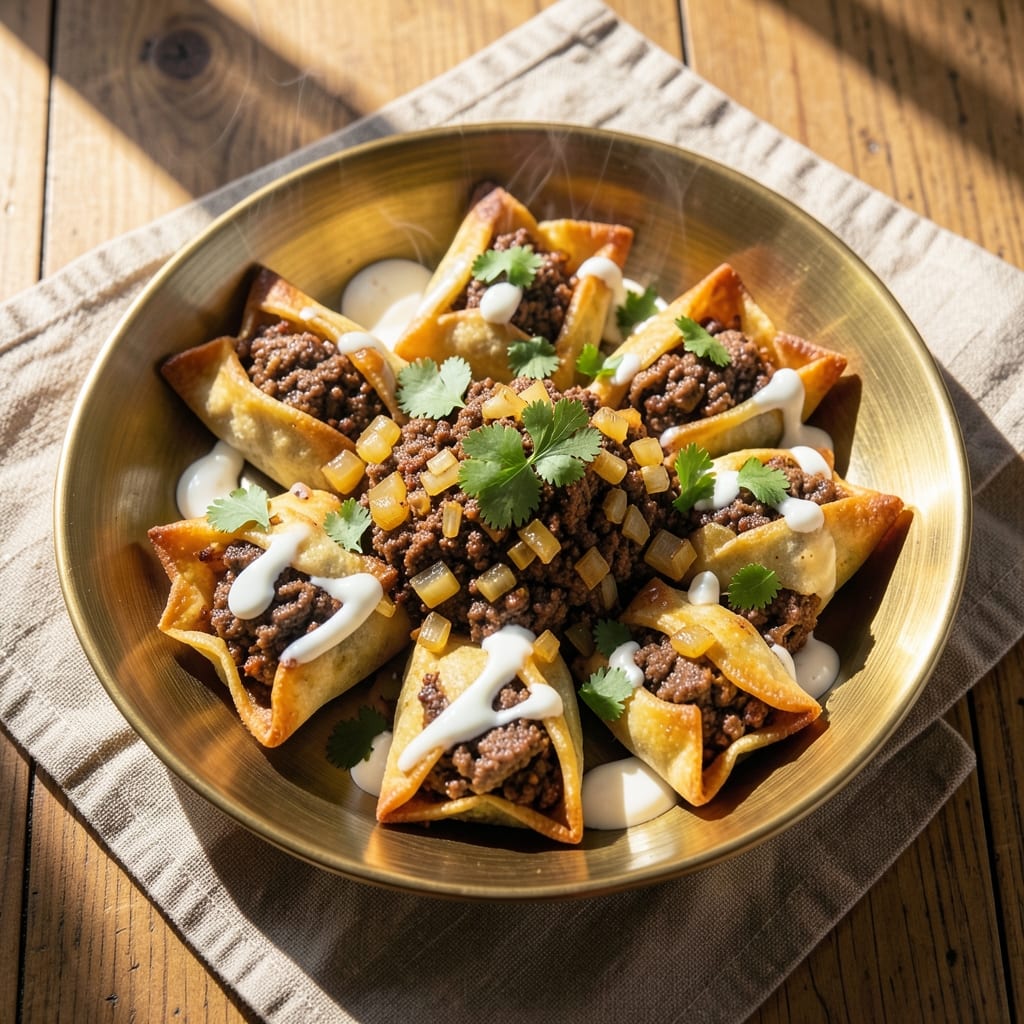
This African beef samosa recipe transforms a beloved Indian street food into a bold fusion dish with deep, aromatic spices that tell a story of West African flavors. The secret lies in the filling—tender ground beef simmered with berbere spice, nutmeg, and smoked paprika, creating layers of heat and warmth that set it apart from traditional versions. Every crispy pocket delivers a perfect balance of texture and flavor, making it impossible to stop at just one.
The dough is simple to work with, whether you use store-bought or homemade, and the assembly process is straightforward—folding the spiced beef into delicate triangles that become irresistibly golden when fried. The result is a dish that feels both familiar and exciting, perfect for sharing or enjoying solo with a cooling mint chutney on the side. This isn’t just a samosa; it’s a celebration of flavor fusion.
What makes this recipe truly special is how the African spices elevate the filling, giving it a smoky depth that pairs beautifully with the crispy, flaky exterior. The technique ensures crispy layers that stay light and airy inside, while the filling remains juicy and packed with flavor. It’s the kind of dish that turns an ordinary meal into something memorable, whether you’re serving it at a gathering or treating yourself to a taste of something extraordinary.
Serve these samosas with a side of spicy tomato chutney or a cooling cucumber raita to balance the richness of the beef. The dish holds well too, making it ideal for meal prep or entertaining. Let’s get started on creating these flavorful pockets that will have everyone asking for seconds.
Ingredients for african beef samosa
African spices and tender beef create crispy pockets bursting with bold flavors.
| Ingredient | Amount | Notes |
|---|---|---|
| Ground Beef 🥩 | 1 ½ lb | Lean ground beef preferred |
| Yellow Onions 🧅 | 1 whole | Medium-sized, finely chopped |
| Garlic Cloves 🧄 | 6 cloves | Fresh, minced for depth |
| Berbere Spice 🌶️ | 2 tbsp | Authentic African blend |
| Ground Nutmeg 🌿 | ½ tsp | Freshly grated preferred |
| Smoked Paprika 🌶️ | 1 tbsp | For smoky depth |
| Ginger Root 🌿 | 1 tbsp | Freshly grated, aromatic |
| All-Purpose Flour 🌾 | 3 cups | For dough foundation |
| Vegetable Oil 🫒 | ½ cup | For frying, high smoke point |
| Salt 🧂 | 1 ½ tsp | Kosher or sea salt |
| Black Pepper 🌶️ | ½ tsp | Freshly ground |
| Water 💧 | ¾ cup | Room temperature |
| Lemon Juice 🍋 | 1 tbsp | Freshly squeezed |
The berbere spice is the heart of this recipe—look for authentic blends at African markets or specialty stores like African & Caribbean Foods. If you can't find it, Penzeys Spices carries a good version online. Fresh ginger and nutmeg are non-negotiable for that authentic African warmth. The ground beef should be 80% lean or leaner—it stays juicy while absorbing the spices. For the onions, yellow or red work best—their natural sweetness balances the heat of the berbere.
No berbere spice? Mix 1 tbsp smoked paprika, 1 tsp cayenne, 1 tsp coriander, 1 tsp cinnamon, and ½ tsp cardamom for a close substitute. Swap fresh ginger for ½ tsp ground ginger if needed, but you'll lose some brightness. The dough can be made ahead—wrap tightly and refrigerate for up to 2 days or freeze for 3 months. For extra crispiness, chill the shaped samosas for 30 minutes before frying. The lemon juice at the end brightens everything—don't skip it.
Store-bought dough? Bob's Red Mill or King Arthur Flour brands work perfectly—just follow package instructions for rolling. The filling keeps 3 days in the fridge, so make extra. For frying, maintain oil at 350°F—too hot burns the exterior before the inside cooks. Leftover samosas reheat beautifully in a 350°F oven for 10 minutes. Serve with mint chutney or cucumber raita to cut through the richness.
Why You'll Love This Recipe
- Spice in Minutes: I swear, this comes together faster than ordering takeout. Brown the beef with onions and garlic, toss in berbere and nutmeg—boom, filling’s ready. No waiting for sauces or complicated layers.
- Earthy Heat Magic: That berbere spice? It’s the star—smoky, citrusy, with just enough kick to wake up your taste buds. The nutmeg rounds it out so perfectly, it’s like a warm hug in every bite.
- Party or Pantry: Make a double batch—these freeze like a dream for lazy nights or unexpected guests. Serve with spicy mayo for game day or pack them for lunch when you’re in a rush.
- Budget Powerhouse: Ground beef stretches far, and the spices cost pennies. Honestly, I’ve made this for $2 a serving, and no one ever guessed it was cheap. Leftovers? Even better reheated the next day.
Step-by-step instructions for spiced African beef samosas
Master the balance of crispy layers and aromatic filling with this precise method.
Prepare the Spiced Beef Filling
In a large skillet over medium heat, add the 1.5 lb ground beef and cook until it loses its raw color, breaking it apart with a wooden spoon. This should take about 5-6 minutes. The meat should be fully browned but not yet cooked through.
Push the beef to one side of the pan and add 0.5 cup vegetable oil. When the oil shimmers, add the 1 whole yellow onions and cook until softened and translucent, about 5 minutes. Stir the onions into the beef and add the 6 cloves minced garlic cloves, cooking for 30 seconds until fragrant.
Reduce heat to medium-low and stir in the 2 tbsp berbere spice, 1 tbsp smoked paprika, 1 tbsp grated ginger root, 0.5 tsp ground nutmeg, 1.5 tsp salt, and 0.5 tsp black pepper. Cook for 5 minutes until the spices are fully incorporated and the mixture is well-seasoned. Remove from heat and stir in the 1 tbsp lemon juice. Let the filling cool completely before using.
Make the Samosa Dough
In a large mixing bowl, combine the 3 cups all-purpose flour and 1.5 tsp salt. Gradually add the 0.75 cup water while stirring with a fork until the mixture comes together. Knead the dough for 5-7 minutes until smooth and elastic, adding a few drops of water if needed. The dough should be slightly softer than traditional samosa dough to ensure crispiness.
Cover the dough with a damp towel and let it rest for 30 minutes at room temperature. This resting period allows the gluten to relax, making it easier to roll out thin layers. If the dough feels sticky, chill it for 10 minutes before handling.
Assemble and Shape the Samosas
Divide the rested dough into 8 equal portions (about 2 oz each). Roll each portion into a 6-inch circle using a rolling pin, keeping the thickness even at about 1/8-inch. The thinner and more uniform the layers, the crispier the final samosas.
Place 2 tablespoons of the cooled beef filling onto one half of each dough circle. Fold the dough over the filling, sealing the edges tightly with a fork or by pinching with your fingers. Press firmly to create a strong seal that won't break during frying.
Fry Until Golden and Crispy
Heat 2 inches of vegetable oil in a deep skillet or Dutch oven to 350°F. Fry the samosas in batches, being careful not to overcrowd the pan. Fry for 3-4 minutes per side until the dough turns a deep golden brown and is crispy to the touch. The oil temperature should remain steady—if it drops below 325°F, the samosas will absorb oil and become greasy.
Transfer the fried samosas to a paper towel-lined plate to drain excess oil. Serve immediately while still hot and crispy. The filling should be warm and aromatic, with the berbere spice adding a complex, slightly spicy depth that pairs perfectly with the crispy exterior.
Pro Tips For Making African Beef Samosa
- Brown the Beef First: Skip the raw meat straight into the spices—it’ll turn your filling gray and mushy. Cook the ground beef on medium-high heat until it’s no longer pink, breaking it apart with a wooden spoon. That step builds flavor and keeps the texture right when folded into samosas.
- Blister the Onions: Don’t just chop and sauté—char those onions. Cook them low and slow until they’re deep golden, almost caramelized, before adding garlic. The sweetness cuts through the berbere’s heat and makes the filling richer. (Yes, it takes longer, but it’s worth it.)
- Toast the Berbere: Bloom that spice in oil for 30 seconds before adding liquid. It wakes up the flavors and prevents a bitter aftertaste. I learned this the hard way—skipping it left my samosas tasting like dust.
- Use Cold Water for Dough: Chill the water for your pastry dough to 40°F (4°C). The cold slows gluten development, so the filling stays packed tight without bursting. Trust me, your samosas will hold their shape better when frying. (No, you don’t need a fancy thermometer—just grab ice cubes.)
Storing and reheating this african beef samosa
Fridge Storage Tips
Store leftover samosas in an airtight container with parchment paper between layers to maintain crispiness. They’ll keep for 3 days in the fridge—just reheat in a 350°F oven for 10 minutes until golden and warm. I like adding a splash of water to the container to prevent drying. 💫
Freezer Prep Guide
For longer storage, freeze uncooked samosas on a baking sheet for 30 minutes before transferring to a freezer bag. They’ll last 3 months—thaw overnight in the fridge before frying. Cooked samosas freeze well too, but crispiness softens slightly. Reheat from frozen at 375°F for 12-15 minutes with foil over the top for 8 minutes to trap moisture. 🧊
Oven Reheating Secrets
My go-to method for reheating is 350°F for 10 minutes on a wire rack over a baking sheet. The rack prevents sogginess while the sheet catches any oil drips. For extra crunch, broil for 1-2 minutes at the end—just watch closely to avoid burning. 🔥
Air Fryer Hack
If you’re short on time, use an air fryer at 375°F for 5-6 minutes, shaking halfway. This works best for previously fried samosas—uncooked ones need the oil’s high heat. Spray lightly with oil before air frying to restore crispiness. 🍳
Microwave Fix
For a quick fix, microwave samosas for 20-30 seconds on high, then finish in the oven at 375°F for 3 minutes to revive the crust. The microwave softens the filling while the oven recrisps the exterior. Add a damp paper towel to the microwave to prevent drying. ⏰
Serving Warm
Always serve samosas warm from the fryer or oven—they lose crispiness as they cool. Keep them in a 200°F oven for up to 2 hours if prepping ahead for a party. Pair with mint chutney or cucumber raita to balance the spicy filling. 💛
Nutrition facts
Frequently asked questions
What makes this African beef samosa different from traditional Indian versions?
The key lies in the African-inspired spices—berbere spice blend and nutmeg replace classic Indian garam masala, giving it a smoky, slightly sweet depth. The dough is also slightly softer to handle the rich filling better. The result is a fusion of textures and flavors that feels both familiar and exciting!
Can I use ground turkey or chicken instead of beef?
Ground turkey or chicken work beautifully—they'll give you a lighter texture while still absorbing the spices. For turkey, use 1.5 lb lean ground turkey and reduce cooking time by 1-2 minutes to avoid drying out. Chicken should be cooked until just done (165°F) to stay juicy. The berbere spice will still shine through!
How do I prevent the samosas from breaking when frying?
Seal the edges tightly with a fork or pinch them firmly before frying. Chill the shaped samosas for 30 minutes before cooking to help them hold together. Use 350°F oil and fry in small batches—overcrowding causes steam buildup that can split the dough. A thin, even dough layer also helps prevent breaks.
What's the best way to make the dough extra crispy?
Roll the dough as thin as possible (1/8-inch) and keep it cold while working. Use high-smoke-point oil like vegetable or canola, and maintain 350°F oil temperature. For extra crunch, sprinkle 1 tsp cornstarch on the dough before folding. Fry in batches and drain on a wire rack instead of paper towels to remove excess oil.
Can I bake these instead of frying?
Yes! Brush the assembled samosas with oil and bake at 400°F for 18-20 minutes on a wire rack over a baking sheet. For crispiness, broil for 1-2 minutes at the end. They won't be as crispy as fried versions, but this is a great lighter alternative. The filling stays flavorful and warm!