
Sauces & Condiments
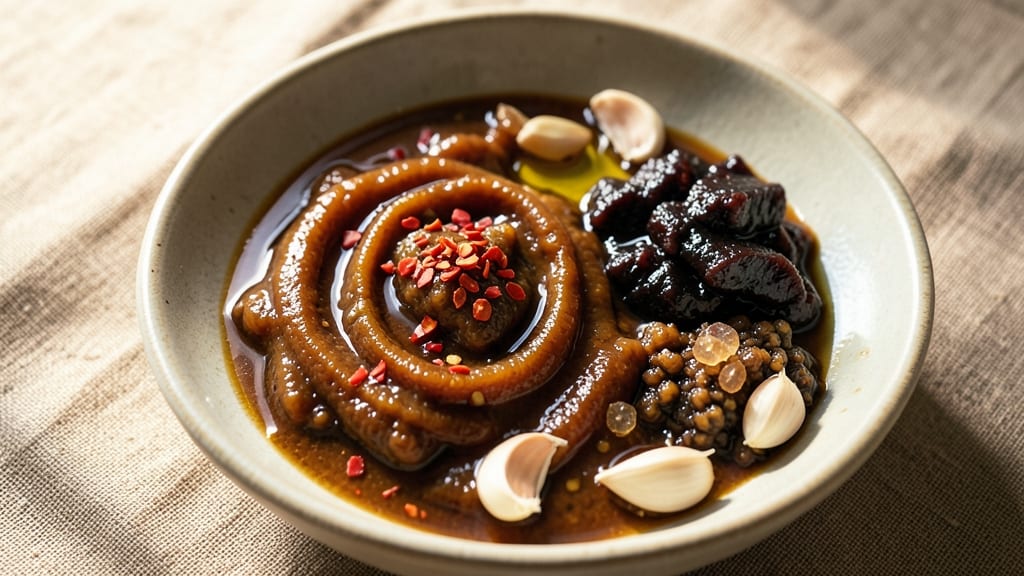
This Korean beef short ribs marinade transforms tough cuts into tender, flavor-packed masterpieces through a fermented soy and garlic powerhouse blend.
The secret lies in balancing sweet, salty, and umami-rich ingredients like gochujang and doenjang, which develop depth over time—whether you marinate for just 4 hours or let it work its magic overnight.
Every component plays a role: garlic softens the meat while fermented chili paste adds subtle heat, and sesame oil binds it all together with nutty richness.
What makes this marinade truly special is its ability to tenderize even the most stubborn short ribs while infusing them with layers of complex flavor.
The combination of brown sugar and soy sauce creates caramelized edges during cooking, while the garlic and sesame oil ensure every bite is aromatic and satisfying. Unlike store-bought marinades, this recipe delivers restaurant-quality depth with just a few simple ingredients and minimal effort.
Perfect for meal prep, this marinade can be made up to 5 days in advance and stored in the refrigerator, making it ideal for busy weeks.
Whether you're cooking for a crowd or treating yourself to a special meal, this blend ensures your beef short ribs will be fork-tender, deeply flavorful, and impossible to resist. The key is patience—let the marinade work its magic, and the results will speak for themselves.
Use this marinade as a base for grilled, braised, or slow-cooked short ribs, and pair it with steamed rice and quick-pickled vegetables for a complete Korean-inspired meal. The possibilities are endless, but the foundation remains the same: a bold, fermented soy and garlic marinade that elevates every bite.
Ingredients for korean beef short ribs marinade
Fermented pastes and aromatic oils create this umami-rich marinade for restaurant-quality short ribs.
| Ingredient | Amount | Notes |
|---|---|---|
| Gochujang (Korean Fermented Chili Paste) 🌶️ | ½ cup | High-quality, smooth texture preferred |
| Doenjang (Korean Fermented Soybean Paste) 🥫 | ⅓ cup | Authentic Korean brand recommended |
| Korean Soy Sauce (Ganjang) 🥫 | ⅓ cup | Not regular soy sauce—fermented depth matters |
| Brown Sugar 🍯 | ½ cup | Light or dark, packed tightly |
| Garlic Cloves 🧄 | 8 cloves | Freshly minced for optimal flavor |
| Sesame Oil (Toasted) 🫒 | 2 tbsp | Not regular sesame oil—must be toasted |
| Rice Vinegar 🍶 | ¼ cup | White or seasoned, acidity balanced |
| Asian Pearl Onions 🧅 | 2 whole | Thinly sliced, adds sweet crunch |
| Diamond Crystal Kosher Salt 🧂 | 1 tsp | For seasoning balance |
| Fresh Ginger 🌿 | 1 tbsp | Grated, adds zesty warmth |
The foundation lies in authentic Korean ingredients—gochujang and doenjang are non-negotiable for depth. Korean grocery stores like H Mart or local Asian markets carry the best quality, but Korean Food Store online is reliable for imports. Look for doenjang with a deep, molasses-like sheen—it should smell rich and slightly funky, not sharp or chemical. The garlic and ginger should be freshly grated or minced immediately before mixing to preserve their volatile oils, which carry the marinade's aromatic punch. Toasted sesame oil is critical—regular sesame oil lacks the nutty complexity that binds the flavors. If unavailable, lightly toast regular sesame oil in a dry pan for 30 seconds before cooling.
No doenjang? Miso paste at half the amount works in a pinch, though it lacks the fermented depth. Substitute gochujang with 1 tbsp sriracha plus 1 tbsp tomato paste for heat without the same umami. Regular soy sauce can replace Korean ganjang, but the flavor profile will be flatter. For the onions, shallots or green onions add different textures—green onions bring brightness, shallots offer a milder sweetness. The rice vinegar can be swapped for apple cider vinegar, though the tang will be slightly sharper. If you're short on time, pre-minced garlic from a jar (like Garlic & Herb brand) is acceptable, but fresh is always superior.
This marinade develops best when refrigerated, so plan ahead—it tastes even better after 24 hours as the flavors meld. Store in an airtight container for up to 5 days, though the texture may separate slightly; stir vigorously before using. For long-term storage, freeze in ice cube trays—each cube makes a perfect single-use portion. The marinade can be reheated gently in a saucepan over low heat, but it's best used raw. If you've made extra, freeze in 1-cup portions for future meals—it thaws quickly and maintains potency.
Why You'll Love This Recipe
- Five-Ingredient Magic: I swear by this marinade—just gochujang, doenjang, ganjang, brown sugar, and garlic. No fancy prep, no measuring cups to stress over. Slather it on, let it work its magic overnight, and you’re golden.
- Umami Bomb: That first bite? The gochujang’s heat meets the deep, funky richness of doenjang—it’s like a flavor explosion in your mouth. The brown sugar caramelizes just enough to make it irresistible, even without sauce.
- Weeknight or Party: Make it for Tuesday dinners or impress guests on Saturday. The same marinade works for quick stir-fries or slow-braised ribs. I’ve even used the leftovers to glaze roasted carrots—yes, really.
- Leftovers That Shine: This marinade doesn’t quit. Use half on ribs, save the rest for next week’s beef bulgogi or even a quick glaze for chicken. Honestly, I’ve had it last me three meals without getting tired.
Step-by-step instructions for Korean beef short ribs marinade
This marinade transforms tough short ribs into tender, flavor-packed bites through precise fermentation and balance.
Combine the Fermented Base Ingredients
In a medium mixing bowl, measure out the 0.33 cup Doenjang (Korean Fermented Soybean Paste) and 0.33 cup Korean Soy Sauce (Ganjang). These fermented soy components form the marinade's umami foundation. Use a silicone spatula to break up any clumps in the Doenjang, ensuring a smooth, lump-free texture. The deep, funky aroma will intensify as you work—this is essential for authentic flavor development.
Next, add the 0.5 cup Brown Sugar and 1 tsp Diamond Crystal Kosher Salt. The brown sugar should be packed tightly to achieve the exact 0.5 cup measurement. Whisk vigorously for 30 seconds until the sugar fully dissolves into the soy mixture. This creates a syrupy base that will cling to the ribs during the marinating process. The salt enhances flavor penetration while balancing the sweetness.
Incorporate Aromatics and Acidic Elements
Add the 8 cloves Garlic Cloves, which should be freshly minced for maximum potency. The garlic should be finely chopped—almost paste-like—to ensure even distribution throughout the marinade. I like to press it through a garlic press for consistency. Follow with the 1 tbsp Fresh Ginger, grated using a microplane for fine, zesty particles. These aromatics will infuse the meat with bright, fresh notes that cut through the richness of the fermented pastes.
Pour in the 0.25 cup Rice Vinegar and 2 tbsp Sesame Oil (Toasted). The vinegar adds necessary acidity to tenderize the meat while preventing bacterial growth during marinating. The toasted sesame oil contributes a nutty depth that regular sesame oil cannot match. Stir thoroughly to emulsify the oil into the mixture, creating a cohesive marinade that will cling to the ribs rather than pool at the bottom.
Finish with Onions and Final Integration
Slice the 2 whole Asian Pearl Onions into thin, even rounds using a sharp chef's knife. The onions should be paper-thin to maximize their sweetness and texture contrast. Add them to the marinade and stir gently to distribute. Unlike other ingredients, these will remain whole rather than dissolving, providing a subtle crunch when the ribs are cooked.
Finally, add the 0.5 cup Gochujang (Korean Fermented Chili Paste). This is where the marinade achieves its signature depth—fermented chili brings both heat and complexity. Use a rubber spatula to fold the gochujang into the mixture until fully incorporated. The color should become a rich, deep red with visible specks of garlic and onion. Let the marinade sit at room temperature for 10 minutes before using, allowing the flavors to meld completely.
Apply and Marinate for Optimal Tenderization
Place the beef short ribs in a large resealable plastic bag or glass dish. Pour the marinade over the ribs, ensuring each piece is thoroughly coated. For even penetration, I recommend massaging the marinade into the meat using clean hands or a silicone spatula. The ribs should be completely submerged, with no dry spots remaining.
Seal the container and refrigerate for at least 12 hours, though I prefer 24 hours for maximum tenderization. The acidity and enzymes in the marinade will begin breaking down the connective tissue in the meat. After marinating, pat the ribs dry before cooking to promote better browning. Any excess marinade can be reserved for basting during the cooking process to maximize flavor.
Pro Tips For Making Korean Beef Short Ribs Marinade
- Mince That Garlic: DESCRIPTION: I used to throw in whole cloves, thinking they’d soften enough—wrong. For this marinade, mince the garlic finely (or pulse in a food processor) so it blends fully with the gochujang and doenjang. The flavor will be even, not just peppered in spots like a lazy chef’s shortcut.
- Warm the Fermented Pastes: DESCRIPTION: Dump cold gochujang and doenjang straight into the pan? Don’t. Warm them first with the oil—just until they’re slightly liquid (about 30 seconds). This stops the marinade from curdling when you add the ribs later. Trust me, you’ll taste the difference.
- Skip the Raw Sugar: DESCRIPTION: Brown sugar clumps like a nightmare in marinades. Mix it with a splash of warm water or soy sauce first to dissolve it completely. No lumps = no gritty texture when you sear the ribs. (Yes, even if you’re impatient like me.)
- Marinate Overnight, Not Hours: DESCRIPTION: Two hours is enough—any longer and the meat gets mushy. Cover the ribs tightly and refrigerate them for exactly 12–18 hours. The flavors meld without overworking the tender short ribs. (I learned this after a soggy disaster.)
Dietary considerations for korean beef short ribs marinade
Gluten-Free Adaptations
This marinade is naturally gluten-free when using certified gluten-free ingredients, making it perfect for those with celiac disease or gluten sensitivity. The key is to avoid cross-contamination with regular soy sauce—opt for gluten-free tamari instead of Korean ganjang if needed.
I recommend San-J brand tamari for a similar umami depth without gluten. Double-check labels on gochujang and doenjang, as some brands may contain wheat additives.
For extra safety, prepare the marinade in a dedicated gluten-free kitchen area if your space isn't strictly gluten-free. The toasted sesame oil and rice vinegar are typically safe, but always verify with your preferred brands.
The brown sugar and other ingredients are inherently gluten-free, so this adaptation requires minimal changes while keeping all the rich, fermented flavors intact. 🌱
Low-Sodium Options
If you're watching your sodium intake, reduce the 1 tsp Diamond Crystal Kosher Salt to ½ tsp or omit it entirely. The fermented pastes (gochujang and doenjang) already provide ample saltiness, so the marinade will still pack flavor without excessive sodium.
For an even lighter touch, use low-sodium Korean soy sauce—brands like Kikkoman's low-sodium line work well in this marinade.
Balance the reduced salt by adding 1 extra tbsp of rice vinegar for acidity and 1 tsp of honey to enhance sweetness. The garlic and ginger will also contribute depth, ensuring the marinade remains vibrant.
This adjustment is ideal for heart health without sacrificing taste—trust me, your ribs will still be incredible! 💡
Dairy-Free and Vegan
This marinade is already dairy-free, but for a fully vegan version, simply replace the beef short ribs with mushroom or tofu substitutes. The marinade works beautifully on extra-firm tofu or king oyster mushrooms, which absorb the flavors just as well.
For tofu, press it for 30 minutes before marinating to remove excess moisture and improve texture.
For a meaty texture, consider hearts of palm or tempeh, both of which hold up well to long marinating times. The gochujang and doenjang provide enough umami to satisfy even the most devoted carnivores.
Just be mindful of cooking times—vegan proteins may require shorter marinating periods (like 4-6 hours) to prevent over-softening. 🌿
Allergen-Friendly Swaps
If sesame allergies are a concern, replace the toasted sesame oil with avocado oil or neutral olive oil—both add richness without the nutty depth, though the flavor profile will shift slightly.
For those avoiding garlic, use asafetida powder (hing) at ¼ tsp as a substitute, though it has a distinct, savory aroma. Ginger can be omitted if needed, but its zesty warmth helps balance the marinade's richness.
For onion allergies, swap the Asian pearl onions with diced fennel or celery for a similar crunch and sweetness. Always introduce new ingredients gradually to test tolerance. The beauty of this marinade is its flexibility—small adjustments keep it safe while preserving the core flavors that make it special. ✨
Nutrition facts
Frequently asked questions about Korean beef short rib marinades
Why does this marinade need 24 hours to work?
The fermented pastes (gochujang and doenjang) and rice vinegar contain natural enzymes that break down tough connective tissue in the meat over time. After 4 hours, you'll get some tenderization, but the full 24-hour marinade develops deeper flavor complexity through osmosis. The sugar and salt also help draw out moisture, making the meat more receptive to flavor absorption. Patience here makes all the difference!
Can I use regular soy sauce instead of Korean ganjang?
While it'll work in a pinch, regular soy sauce lacks the fermented depth of Korean ganjang. The difference is subtle but noticeable—ganjang has a richer, slightly funkier profile that pairs better with the gochujang. For the closest substitute, use double the amount of regular soy sauce, but expect a flatter flavor. Authentic Korean grocery stores carry ganjang for just a few dollars more.
What's the best way to store leftover marinade?
Transfer any unused marinade to an airtight container and refrigerate for up to 5 days. The texture may separate slightly—just stir vigorously before using. For longer storage, freeze in 1-cup portions in ice cube trays. Thaw overnight in the fridge, then stir well. The marinade can be reheated gently on low heat if you prefer it warm, though it's best used raw.
How do I prevent the marinade from making the meat too mushy?
Over-marinating is the main culprit. For beef short ribs, 24 hours is ideal—beyond that, the acidity can start breaking down the meat fibers. Always pat the ribs dry before cooking to promote better browning. If you're short on time, 4-6 hours will still give great results. And remember: never reuse marinade that's touched raw meat unless you boil it first for 5 minutes to kill bacteria.
Can I make this marinade spicier or sweeter?
For extra heat, add 1-2 tbsp of gochugaru (Korean chili flakes) or ½ tsp of cayenne pepper. To sweeten, increase the brown sugar to ¾ cup or add 1 tbsp of honey. The key is balance—start with small adjustments and taste as you go. The marinade's umami base will handle these changes beautifully.