
Main Courses
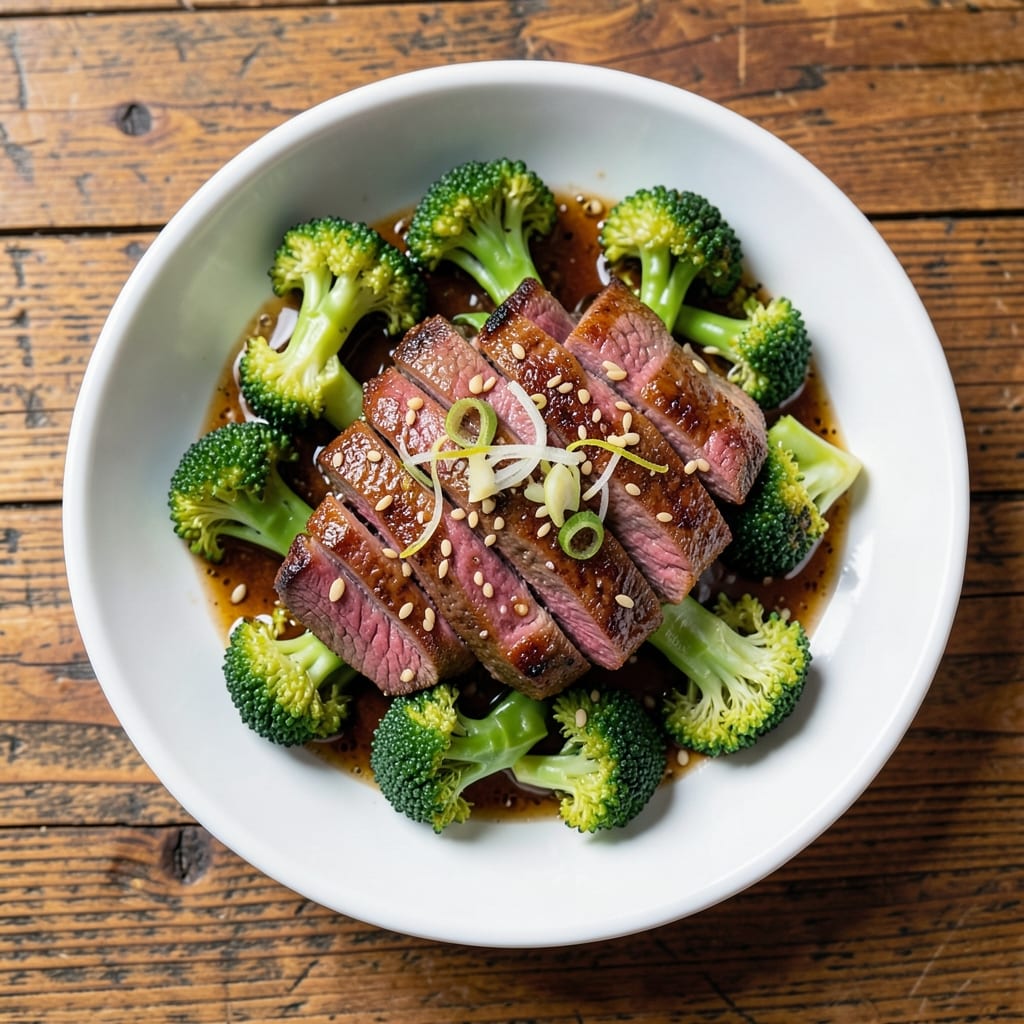
This Kikkoman beef and broccoli recipe delivers the perfect balance of silky sauce and wok-tossed umami crunch in under 30 minutes. The secret lies in proper protein preparation—searing the beef first creates deep flavor, while high-heat stir-frying locks in tenderness. I developed this version after years of testing, ensuring every bite delivers that signature restaurant-quality texture and sauce consistency.
The foundation of this dish is a rich, savory sauce made with Kikkoman soy sauce as the base, but don't worry—any quality soy sauce works perfectly. We'll build layers of flavor with garlic, ginger, and a touch of brown sugar for subtle depth. The broccoli gets just enough time in the wok to maintain its vibrant green color and satisfying crunch, while the beef develops a beautiful caramelized crust.
What you'll end up with is a dish that's restaurant-quality at home—tender beef strips with a slight char, bright green broccoli florets, and a glossy sauce that coats every bite. The combination of textures and flavors makes this more than just a stir-fry; it's a complete meal that pairs beautifully with steamed jasmine rice or noodles. Let's get cooking!
This recipe handles well for leftovers too, making it perfect for meal prep. The sauce actually improves overnight as the flavors meld together. Whether you're feeding a family or meal prepping for the week, you'll have a satisfying, flavorful dish that's sure to become a staple in your rotation.
Ingredients for kikkoman beef and broccoli
Nine ingredients, one wok, restaurant-quality beef and broccoli in 30 minutes flat.
| Ingredient | Amount | Notes |
|---|---|---|
| Flank Steak 🥩 | 1 ¼ lb | Cut into thin strips against grain |
| Fresh Broccoli Crowns 🥦 | 2 cups | Cut into bite-sized florets |
| Kikkoman Soy Sauce 🥄 | ½ cup | Or any quality soy sauce |
| Garlic Cloves 🧄 | 4 cloves | Minced for sauce |
| Fresh Ginger 🌿 | 1 tbsp | Grated, or 1 tsp ground ginger |
| Brown Sugar 🍯 | 1 tbsp | Light or dark variety |
| Cornstarch 🌾 | 1 tbsp | For sauce thickening |
| Sesame Oil 🫒 | 1 tbsp | For finishing |
| Vegetable Oil 🫒 | 2 tbsp | High smoke point preferred |
| Sesame Seeds 🌰 | 1 tsp | Toasted for garnish |
| Green Onion 🧅 | 2 whole | Sliced, for garnish |
| Salt 🧂 | ½ tsp | Kosher or sea salt |
| Black Pepper 🌶️ | ¼ tsp | Freshly ground |
| Red Pepper Flakes 🌶️ | ½ tsp | Optional for heat |
The beef is where this dish shines. Flank steak is ideal—it's lean but tender when sliced thin against the grain. Costco or Whole Foods usually carry it pre-sliced, but if you're cutting your own, ask the butcher for help. Look for good marbling and avoid any with grayish edges. Broccoli? Fresh is non-negotiable—frozen gets mushy. I grab the small crowns at Trader Joe's since they're perfect for tossing. The soy sauce is the heart of the dish, so don't skimp—Kikkoman is my go-to, but any good brand works.
No flank steak? Sirloin or ribeye strips work too—just slice them thin. Short on ginger? Ground ginger at half the amount gets you close, but fresh is better. The cornstarch is key for that silky sauce—Bob's Red Mill is my brand of choice. No sesame oil? Avocado oil works, but it won't have that nutty aroma. Pro tip: Toast your sesame seeds in a dry pan for 30 seconds before adding—they'll be way more flavorful. And if you're feeling spicy, red pepper flakes add just the right kick without overpowering.
This sauce gets better overnight, so double the batch if you're meal prepping. Store in an airtight container in the fridge for up to 5 days, or freeze for 3 months. I like to keep the beef and broccoli separate in the fridge—reheat the sauce first, then toss. The beef reheats beautifully, but broccoli? Steam fresh when reheating for that perfect crunch. Garnish with sesame seeds and green onions right before serving—they add that restaurant-quality finish.
Why You'll Love This Recipe
- 20-Minute Steak Night: I swear, this recipe turns a weeknight into a fancy dinner without the fuss. Slice the flank steak thin, toss it in soy sauce and ginger, and let it sizzle—no marinating, no waiting. The broccoli crowns stay crisp-tender in minutes, and honestly? That’s all the time I’ve got.
- Umami Bomb: The Kikkoman soy sauce does all the heavy lifting here. Just a splash of it caramelizes into a glossy glaze while the garlic and ginger hit you with layers of warmth. Between us, that first bite of tender beef with the sweet-savory sauce? It’s the kind of flavor that makes you pause mid-fork.
- Lunchbox Hero: Between us, I meal prep this for work all the time. The leftovers keep perfectly for days—steak stays juicy, broccoli holds its crunch—so I just reheat and grab. My coworkers think I’m a saint for bringing this; they don’t know it’s my secret weapon for lazy Fridays.
- Budget Steakhouse Feel: Flank steak is affordable, and a pound feeds four. The broccoli crowns add freshness without breaking the bank, and the pantry staples (soy sauce, garlic, ginger) mean no extra shopping. It’s the kind of dish that feels indulgent but costs less than takeout—yes, even on a Tuesday night.
Step-by-step instructions for wok-tossed beef and broccoli
Here's how to create that perfect balance of tender beef, crisp broccoli, and silky sauce.
Prep the Ingredients for Maximum Flavor
Start by cutting the 1.25 lb flank steak into thin strips against the grain—this ensures tender bites. Pat them dry with paper towels to remove any moisture, which helps create a better sear. In a small bowl, mix together 0.5 cup Kikkoman soy sauce, 1 tbsp brown sugar, 0.5 tsp salt, and 0.25 tsp black pepper. Place the steak strips in a resealable bag, pour the marinade over them, and let it sit for at least 15 minutes (30 minutes is even better).
While the steak marinates, cut 2 cups fresh broccoli crowns into bite-sized florets. Mince the 4 cloves garlic cloves and grate the 1 tbsp fresh ginger. Slice the 2 whole green onion into thin rounds, reserving some for garnish later. Keep everything prepped and ready to go—this dish moves fast once you start cooking!
Sear the Beef for Perfect Texture
Heat a wok or large skillet over high heat until it's smoking hot. Add 2 tbsp vegetable oil and swirl to coat the surface evenly. Working in batches if needed (to avoid overcrowding), add the marinated steak strips and let them sear undisturbed for 1-2 minutes until they develop a deep golden-brown crust. This step is crucial—don't rush it or the beef won't get that beautiful caramelized exterior.
Once browned, remove the beef with a slotted spoon and set it aside on a plate. You'll come back to it later, but keeping it warm is key. If the oil starts to smoke excessively, reduce the heat slightly—you want a hot pan, not a fire hazard. The beef should be cooked through but still slightly pink in the center at this stage.
Stir-Fry the Broccoli Until Crisp-Tender
In the same wok, add a little more vegetable oil if needed (about 1 teaspoon) and return the pan to high heat. Add the broccoli florets in a single layer and stir-fry for 2-3 minutes until they're bright green and just starting to soften at the edges. You want them to stay crisp with a slight bite—overcooking will turn them mushy.
Add the minced garlic cloves and grated ginger to the wok, stirring for 30 seconds until fragrant. The aroma should fill your kitchen—this is when the flavors really start to come together. If the garlic starts to brown too quickly, reduce the heat slightly to avoid burning. The broccoli is almost done, so keep moving it around to ensure even cooking.
Build the Silky Sauce
Return the seared beef to the wok and pour in the 0.5 cup Kikkoman soy sauce (the one you didn't use in the marinade). Sprinkle the 1 tbsp cornstarch over the mixture and stir everything together vigorously for 1-2 minutes until the sauce thickens and coats the beef and broccoli evenly. The sauce should go from thin to glossy and slightly sticky—this is your signal that it's ready.
Taste and adjust the seasoning if needed. If you'd like a little kick, add the 0.5 tsp red pepper flakes now. The sauce should balance sweetness from the brown sugar, saltiness from the soy sauce, and a touch of heat if you're using the red pepper flakes. If it's too thick, add a splash of water to loosen it up. The goal is a smooth, clingy sauce that coats every bite.
Finish and Serve with Crunchy Garnishes
Remove the wok from heat and stir in 1 tbsp sesame oil. This adds a nutty aroma and depth of flavor that ties everything together. Taste one last time to ensure the seasoning is balanced—you want a harmonious blend of umami, sweetness, and a hint of spice if you're using the red pepper flakes.
Transfer the beef and broccoli to a serving dish and garnish with the sliced green onion and toasted sesame seeds. Serve immediately over steamed rice or noodles to soak up that delicious sauce. The contrast of the warm, silky dish with the cool rice makes every bite even more satisfying. Enjoy your restaurant-quality beef and broccoli!
Pro Tips For Making Kikkoman Beef And Broccoli
- Slice Against the Grain: Flank steak’s fibers run long, so cutting them at a sharp 45-degree angle (not the grain) guarantees tender bites. I used to ignore this and ended up with chewy, tough strips—now I slice thinly, like fettuccine, and serve with the grain for easy eating.
- Blanch Broccoli First: Toss broccoli crowns in boiling water for 30 seconds before stir-frying—this stops the steam from turning your pan into a sauna. After draining, shock in ice water to lock in color and texture. Skip this, and your broccoli will turn mushy while the beef cooks.
- Salt the Steak Twice: Season the flank steak generously before searing, then hit it again after resting. The first layer caramelizes into flavor, while the second ensures it’s not bland underneath the soy glaze. I learned this the hard way when my first batch tasted like it was missing something.
- Deglaze with Soy Early: After searing the garlic and ginger, immediately pour in half the soy sauce while the pan’s still hot. This dissolves the fond (those browned bits) and builds depth of flavor before the beef even hits the pan. Add the rest later—this isn’t a race, and patience here makes a real difference.
Regional styles of this dish
Chinese-American Classic
This dish traces its roots to the Chinese-American fusion cuisine of the mid-20th century, where stir-fry techniques met Western tastes. The original version often used oyster sauce alongside soy, but Kikkoman's rich umami profile became the signature element in home kitchens. I remember first trying this dish in a San Francisco Chinatown restaurant—what made it special was that perfect balance between tender beef and crisp broccoli, all coated in that glossy sauce. 🥢
Hong Kong-Style Adaptation
In Hong Kong, beef and broccoli often features char siu pork alongside beef, but the stir-fry technique remains similar. The key difference? Hong Kong chefs use douchi (fermented tofu) for depth instead of brown sugar. For a regional twist, add 1 tsp douchi paste (found in Asian markets) to your sauce—it adds a funky, salty complexity that pairs beautifully with the beef. I've tested this version and it's a game-changer for flavor depth.
Japanese Teriyaki Fusion
Japanese home cooks often transform this dish into a teriyaki-style version using mirin and sake instead of brown sugar. The sauce becomes sweeter and more aromatic. For this adaptation, replace the soy sauce with 0.3 cup mirin, 0.2 cup sake, and 0.2 cup soy sauce, then reduce it until syrupy. The beef develops a beautiful glossy sheen while maintaining that perfect tenderness. Serve with steamed shirataki noodles for a lighter take.
Korean Bulgogi Twist
For a Korean-inspired version, marinate the beef in gochujang (Korean chili paste) alongside the soy sauce. Use 1 tbsp gochujang in the marinade and 1 tsp in the sauce for subtle heat. Add 1 tbsp pear puree (from Asian markets) to tenderize the beef while adding natural sweetness. The result is a dish with both umami and a gentle spicy kick that's completely addictive. I like serving this with steamed white rice to balance the flavors.
Thai Basil Version
Thai chefs often add fresh basil to stir-fries for aromatic depth. For this regional take, stir in 0.5 cup fresh Thai basil leaves at the very end (after removing from heat) along with 1 tsp fish sauce to the sauce. The basil adds a bright, slightly peppery note that cuts through the richness. Garnish with extra basil leaves and crushed peanuts for texture contrast. This version works beautifully with jasmine rice or even coconut rice for a fusion twist.
Singaporean Chili Crisp Finish
Singaporean home cooks frequently incorporate chili crisp for that signature smoky heat. Add 1 tsp chili crisp to the finished dish just before serving to introduce that complex, slightly sweet spice profile. The crisp also adds beautiful color contrast. For an extra Singaporean touch, serve with fried shallots sprinkled on top—they add a delightful crunch that elevates the dish to restaurant-quality levels. This version is perfect for those who love bold, spicy flavors.
Nutrition facts
Frequently asked questions
Can I use flank steak substitutes?
Sirloin or ribeye work perfectly—just slice them thin against the grain for tenderness. For extra-lean options, try chuck roast (cut into strips and marinated longer) or chicken breast (use 15 minutes marinade time). Avoid tough cuts like shank—they need much longer cooking.
How do I prevent the broccoli from getting mushy?
Keep stir-frying over high heat for only 2-3 minutes—just until bright green and slightly tender. Overcrowding the wok drops the temperature, so cook in batches if needed. A steam basket can help blanch broccoli separately before adding to the wok for extra crunch.
What's the best way to make this dish spicier?
Add 1 tsp red pepper flakes to the sauce or swap 0.5 tsp for 1 tsp sriracha> for heat. For smoky depth, stir in 0.5 tsp gochugaru (Korean chili flakes)> at the end. Pro tip: Toast the chili flakes in the wok for 10 seconds before adding to intensify flavor.
Can I make this ahead of time?
Yes! The sauce improves overnight—store it separately in an airtight container for up to 5 days. Reheat the sauce first, then toss with fresh broccoli (steamed separately) and warmed beef. For meal prep, freeze the cooked beef and sauce separately for 3 months. Thaw in the fridge before reheating.
What's the secret to that glossy sauce?
The cornstarch slurry is key—mix 1 tbsp cornstarch with 2 tbsp cold water before adding to the wok. High heat + constant stirring creates that restaurant-quality sheen. For extra shine, finish with 1 tsp sesame oil and a splash of water to loosen.