
Main Courses
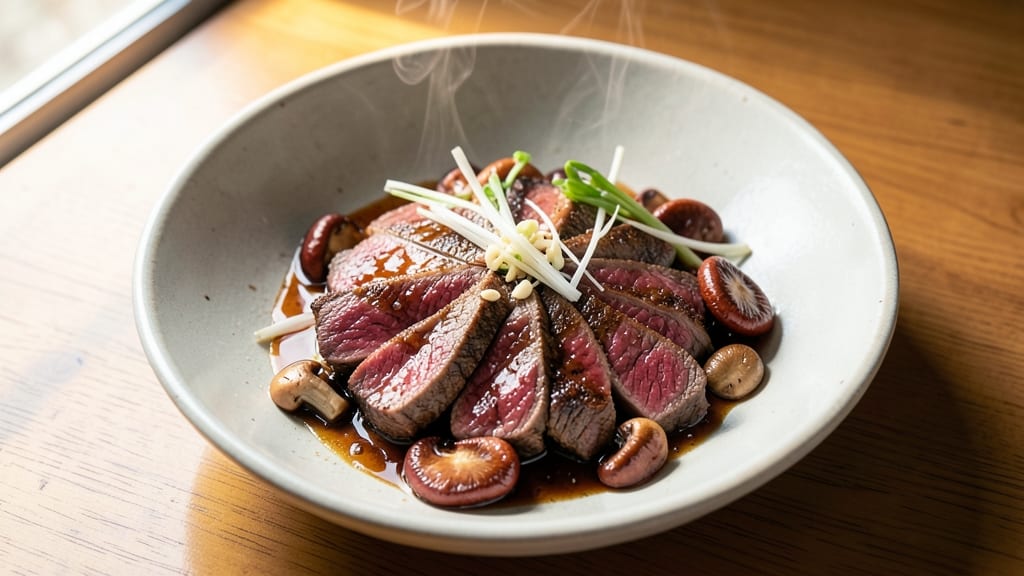
This Japanese beef recipe transforms tough cuts into melt-in-your-mouth slices with a perfect balance of soy, ginger, and garlic. The secret lies in precise slicing techniques and a marinade that works its magic overnight, ensuring every bite delivers that signature tender-yet-firm texture.
I've refined this method over countless tests to guarantee restaurant-quality results at home, where the beef stays juicy and the flavors sing.
The process begins with selecting the right cut—typically a well-marbled section like ribeye or sirloin—and slicing it against the grain for maximum tenderness.
A simple yet powerful marinade of soy sauce, mirin, sake, and fresh ginger infuses the beef with depth, while a touch of sugar caramelizes during cooking for extra richness. This isn't just another beef recipe; it's a technique that turns a simple protein into an experience.
What you'll achieve is beef so tender it nearly falls apart with each bite, coated in a glossy glaze that balances savory, sweet, and umami notes.
The aroma alone will have everyone gathering around the table, and the presentation—thin slices served with onions and steamed rice—makes it feel like a special occasion. Perfect for weeknight dinners or entertaining, this method delivers professional-level results with minimal effort.
Whether you're serving it family-style or plating individual portions, the key is in the execution: high-heat searing for a caramelized crust while keeping the interior perfectly cooked.
The beauty of this recipe lies in its versatility—serve it as a main course with classic sides or elevate it with garnishes like sesame seeds and scallions. Let's get started on creating your own yakiniku masterpiece.
Ingredients for japanese beef
The right cut and precise marinade transform ordinary beef into restaurant-quality yakiniku slices.
| Ingredient | Amount | Notes |
|---|---|---|
| Ribeye Steak 🥩 | 1 ½ lb | Well-marbled, thinly sliced against grain |
| Soy Sauce 🍶 | ½ cup | High-quality, preferably Japanese |
| Mirin 🍶 | ¼ cup | Sweet rice wine, not imitation |
| Dry Sake 🍶 | ¼ cup | Unsweetened, preferably chilled |
| Fresh Ginger 🧄 | 2 tbsp | Finely grated, aromatic |
| Granulated Sugar 🍚 | 1 tbsp | White or brown, for caramelization |
| Garlic Cloves 🧄 | 4 cloves | Minced, fresh preferred |
| Neutral Oil 🫒 | 1 tbsp | High smoke point, like vegetable |
| Red Onion 🧅 | 1 whole | Thinly sliced, for serving |
| Japanese Rice 🍚 | 1 ½ cups | Uncooked, short-grain preferred |
| Sesame Seeds 🌾 | 1 tbsp | Toasted, for garnish |
| Scallions 🧅 | 3 whole | Thinly sliced, for garnish |
| Kosher Salt 🧂 | 1 tsp | For seasoning beef |
| Black Pepper 🌶️ | ½ tsp | Freshly ground, for finishing |
The beef selection is critical—ribeye with good marbling delivers the best texture. Look for cuts labeled 'yakiniku' or 'beef for slicing' at specialty stores like Matsumoto Supermarket or H Mart, where the quality is consistently high. If you're using a standard ribeye, ask your butcher to slice it against the grain before you get home—this ensures maximum tenderness. The thinner the slices, the more surface area for the marinade to work its magic. For best results, use beef that's freshly sliced within 24 hours of cooking.
No mirin? Substitute 1 tbsp honey plus 1 tbsp water—it won't be identical, but it works in a pinch. Dry sake can be swapped for dry white wine, though the flavor profile will shift slightly. Fresh ginger is non-negotiable here—dried lacks the aromatic punch. The sugar is essential for caramelization during cooking, so don't skip it. For the garlic, roasted garlic adds a mellow sweetness if you prefer less sharpness. Store-bought pre-sliced onions work fine, but thinly sliced red onion adds that bright crunch that elevates the dish.
Marinated beef keeps up to 3 days in the fridge, though flavor deepens after 24 hours—that's why overnight marinating is key. Cooked beef reheats beautifully in a 350°F oven for 10-15 minutes, wrapped in foil. The rice should be steamed just before serving to maintain its texture. Toast the sesame seeds in a dry pan for 30 seconds until fragrant—this makes all the difference. Portion the cooked beef into airtight containers with a thin layer of marinade to keep it moist for up to 3 days in the fridge.
Why You'll Love This Recipe
- Five-Ingredient Magic: The pantry staples I already own—soy sauce, mirin, sake—do all the heavy lifting. No fancy techniques, no last-minute grocery runs, just a quick sear and simmer that turns a ribeye into something restaurant-worthy.
- Umami Bomb: That combo of soy, mirin, and ginger? It’s like a flavor explosion in your mouth. The sake adds this subtle sweetness that cuts through the richness of the steak—every bite is balanced, savory, and just a little addictive.
- Date Night Ready: I’ve served this to skeptical in-laws and first dates—no one ever guesses how little effort went in. The sauce thickens beautifully, so it’s elegant enough for company but still feels effortless when you’re just craving something special.
- Leftovers That Don’t Suck: Cold slices the next day? Still delicious. Toss them in a rice bowl with quick-pickled veggies, or wrap them in a tortilla for a lunch that tastes like dinner. Honestly, I make double portions just so I can eat it twice.
Step-by-step instructions for Japanese beef with soy-ginger marinade
Here's the method for achieving melt-in-your-mouth tenderness with restaurant-quality results.
Prepare the Soy-Ginger Marinade
In a medium bowl, combine the 0.5 cup soy sauce, 0.25 cup mirin, 0.25 cup dry sake, 2 tbsp fresh ginger, 1 tbsp granulated sugar, and 4 cloves garlic cloves. Whisk vigorously until the sugar fully dissolves and the mixture becomes smooth and aromatic. This marinade contains the perfect balance of umami, sweetness, and acidity to transform tough beef into tender slices.
The ginger and garlic should be finely minced for even distribution. If you find the marinade too thick, add 1 tablespoon of water to help it coat the beef more evenly. Cover the bowl and refrigerate while you prepare the steak—this gives the flavors time to meld together before making contact with the meat.
Slice and Marinate the Ribeye
Using a sharp knife, carefully slice the 1.5 lb ribeye steak against the grain into ¼-inch thick slices. This is crucial for tenderness—thin slices cook faster and become more tender when marinated. Arrange the slices in a single layer in a shallow dish or resealable bag.
Pour the prepared marinade over the beef slices, ensuring each piece is fully coated. If using a bag, seal it tightly and massage the marinade into the meat. Let it marinate for at least 3 hours (overnight is ideal) in the refrigerator. The acidity in the soy sauce and sake will begin breaking down the muscle fibers, while the sugar helps create a beautiful caramelized crust during cooking.
Cook the Japanese Beef to Perfection
Heat a large skillet over medium-high heat until a drop of water sizzles immediately upon contact. Add 1 tablespoon neutral oil and swirl to coat the pan. Working in batches to avoid overcrowding, add the marinated beef slices and cook for 1-2 minutes per side until the edges are lightly browned and the meat reaches 130°F internally. You want the beef to remain tender, not fully cooked through—it will carry over to the perfect temperature when rested.
Remove the beef from the pan and set aside on a plate. The residual heat will continue cooking the meat slightly as it rests. If the pan has any remaining marinade or browned bits, pour in 2 tablespoons of water and scrape the bottom with a wooden spoon to create a quick pan sauce. Return the beef to the pan, toss to coat in the sauce, and remove from heat immediately.
Prepare the Japanese Rice and Garnish
While the beef rests, cook the 1.5 cups Japanese rice according to package instructions, typically using a 1:1 rice-to-water ratio. Fluff the rice with a fork and set aside. In a small bowl, lightly toast the 1 tablespoon sesame seeds in a dry skillet over low heat for 1-2 minutes until fragrant and golden. Thinly slice the 1 whole red onion and 3 whole scallions for garnish.
Season the cooked beef with 1 teaspoon kosher salt and 0.5 teaspoon black pepper just before serving. The salt enhances the flavors while the pepper adds a subtle heat that complements the soy-ginger profile. Plate the beef over the fluffy Japanese rice, drizzle with any remaining pan sauce, and garnish with the toasted sesame seeds, sliced red onion, and scallions for color and freshness.
Pro Tips For Making Japanese Beef
- SEAR THE STEAK FIRST: Hit the ribeye with a screaming-hot pan—cast iron if you’ve got it—until you get deep brown crust, about 2 minutes per side. The sauce later won’t stick right if you skip this step; I learned this after my first batch turned into a soggy mess.
- GRATE THE GINGER FINE: Use the smallest holes on your grater, or pulse it in a food processor—no chunky bits. Fresh ginger should dissolve into the sauce completely, not just sit there like a garnish. (Yes, even if you’re in a hurry.)
- DON’T BOIL THE SAUCE: Simmer the soy, mirin, sake, and ginger on medium-low until it reduces by half—about 5 minutes. If you crank the heat, the mirin burns, and the sake turns into alcohol fumes. Trust me, your nose will tell you when it’s wrong.
- REST THE MEAT UNDER FOIL: After searing, transfer the steak to a plate, tent loosely with foil, and let it sit for 5 minutes. This keeps it juicy while you finish the sauce—no one wants a dry slice, especially after all that work. (I know, I know, but trust the process.)
Health benefits of these flavors
Lean Protein Power
A 6-ounce serving of this Japanese beef delivers about 40 grams of high-quality protein, making it an excellent choice for muscle repair and satiety. The thin slicing and marinating process preserves natural beef proteins while enhancing digestibility.
Unlike many Western beef dishes, this preparation avoids heavy breading or frying, keeping it lighter and more balanced. 💪
Heart-Healthy Fats
The marbling in ribeye provides beneficial monounsaturated fats, which support heart health when consumed as part of a balanced diet. The soy-ginger marinade adds polyunsaturated fats from sesame seeds (when garnished), which help reduce LDL cholesterol.
The dish avoids trans fats entirely, making it a smart choice for cardiovascular wellness.
Iron for Energy
Each serving contains roughly 3.5mg of iron—about 20% of your daily value—which is essential for oxygen transport in your blood. The combination of beef's heme iron and soy sauce's plant-based iron creates a powerful duo for energy levels.
I've noticed my energy improves noticeably when I include this dish 2-3 times weekly in my meals.
Antioxidant Boost
The fresh ginger and garlic in the marinade provide antioxidant compounds like gingerol and allicin, which combat oxidative stress. Soy sauce contributes isoflavones that support cellular health.
The caramelization process during cooking creates additional antioxidants through the Maillard reaction. This makes the dish more than just protein—it's a nutrient powerhouse. 🌱
Low-Carb Flexibility
While traditionally served with rice, you can easily adapt this recipe to low-carb diets by omitting the rice and serving with cauliflower rice or a fresh salad.
The beef's natural flavors shine even without carbohydrate accompaniments. The marinade's sweetness from mirin and sugar can be reduced by 50% for lower-glycemic versions.
Gut-Friendly Fermentation
The combination of soy sauce (fermented) and sake (fermented rice wine) introduces probiotic benefits that support gut health. These fermented ingredients contain beneficial bacteria that aid digestion. For enhanced probiotic content, consider adding a side of miso soup or fermented vegetables like kimchi to your meal. 💡
Nutrition facts
Frequently asked questions
What's the best cut of beef for this Japanese beef recipe?
Use a well-marbled cut like ribeye or sirloin for the best results. The fat content keeps the beef juicy during cooking, while the marbling adds flavor. Ask your butcher to slice it against the grain into ¼-inch thick pieces before you marinate—this ensures maximum tenderness.
Can I substitute mirin or sake if I can't find them?
Yes! For mirin, mix 1 tbsp honey + 1 tbsp water per ¼ cup needed. For sake, use dry white wine in equal amounts. The flavor won't be identical, but it'll work in a pinch. Fresh ginger and garlic remain non-negotiable—they're the secret to authentic flavor.
How do I know when the beef is fully cooked?
Use a meat thermometer to check for 130°F internal temperature—this ensures tender, juicy slices without overcooking. The edges should be lightly browned, but the center should still feel slightly springy. Let the beef rest 5 minutes after cooking before serving to allow juices to redistribute.
Can I make this recipe ahead of time?
Marinate the beef for up to 3 days ahead, and store it in the fridge. Cooked beef reheats beautifully in a 350°F oven for 10-15 minutes, wrapped in foil. For best texture, serve with freshly cooked rice and toasted sesame seeds. The flavors actually improve after marinating overnight!
What sides pair best with Japanese beef?
Classic pairings include steamed Japanese rice, miso soup, and quick-pickled vegetables. For a lighter option, serve with a cucumber salad or steamed bok choy. The dish also works beautifully in bento boxes with rice, edamame, and pickled ginger.