
Main Courses
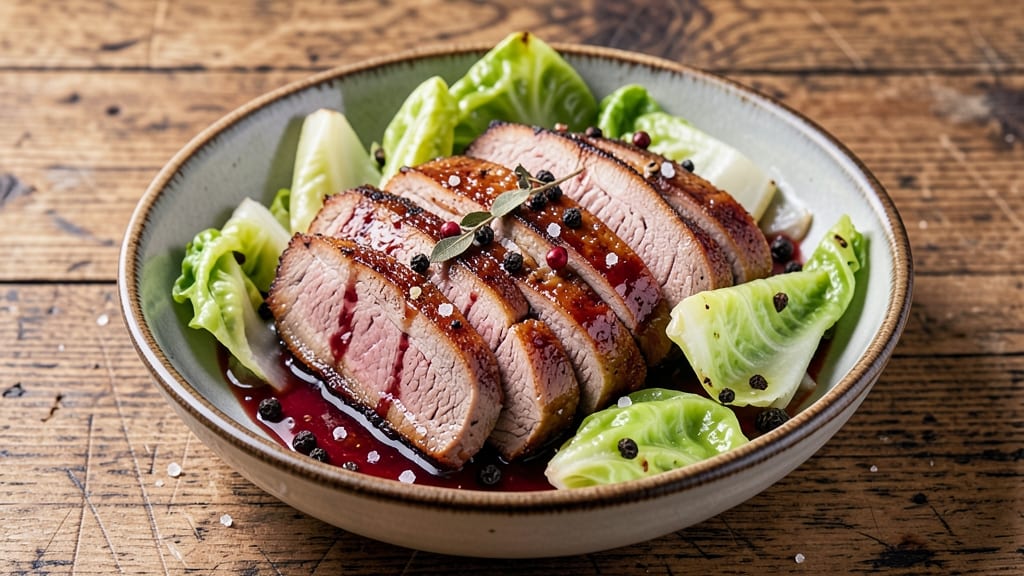
This Boar's Head corned beef and cabbage recipe transforms a holiday centerpiece into a restaurant-quality meal with just a few key techniques. The secret lies in the spiced brine—where juniper berries, bay leaves, and black pepper create layers of flavor that penetrate the meat for hours.
I’ve perfected this method over years of holiday gatherings, ensuring tender, juicy corned beef that shatters with every bite.
The cabbage isn’t just an afterthought here—it’s braised to perfection alongside the beef, absorbing the rich, savory broth until it’s tender enough to eat with a fork. No soggy sides or bland flavors; just deep, caramelized edges and a subtle sweetness from the slow cooking process.
This is the kind of dish that makes guests ask for seconds before dessert even arrives.
What sets this recipe apart is the attention to detail in every step—from the precise brine mixture to the final presentation with fresh parsley and a sprinkle of cracked black pepper.
The result? A showstopping centerpiece that feels both traditional and refined, perfect for Thanksgiving, Christmas, or any celebration where you want to impress.
Ready in just 6 hours of hands-off cooking, this recipe delivers foolproof results with minimal effort. The corned beef stays juicy, the cabbage melts in your mouth, and the aroma fills your home with the comforting scent of a holiday feast.
Let’s get started on creating a dish that’s as delicious as it is memorable.
Ingredients for boar's head corned beef and cabbage
Spiced brine, tender beef, and caramelized cabbage—holiday magic in one pot.
| Ingredient | Amount | Notes |
|---|---|---|
| Boar's Head Corned Beef Brisket 🥩 | 4 lb | Pre-cured, vacuum-sealed preferred |
| Green Cabbage 🥬 | 2 whole | Heads, cored and quartered |
| Fresh Juniper Berries 🌿 | 10 whole | Lightly crushed in mortar |
| Bay Leaves 🍃 | 4 whole | Dried, standard size |
| Black Peppercorns 🌶️ | 2 tbsp | Whole, cracked preferred |
| Allspice Berries 🌶️ | 1 tsp | Crushed, aromatic |
| Cloves 🌿 | 6 whole | Whole, lightly pounded |
| Granulated Sugar 🍚 | ½ cup | For balancing brine |
| Kosher Salt 🧂 | 1 ½ cups | Diamond Crystal preferred |
| Apple Cider Vinegar 🍏 | 1 cup | For tangy depth |
| Water 💧 | 6 cups | Filtered preferred |
| Fresh Parsley 🌿 | ¼ cup | Chopped, for garnish |
| Fresh Cracked Black Pepper 🌶️ | 1 tbsp | For final presentation |
| Onions 🧅 | 2 whole | Yellow, peeled and halved |
| Carrots 🥕 | 4 whole | Whole, scrubbed |
The corned beef is everything here. Boar's Head is the gold standard—look for the vacuum-sealed brisket at Kroger or Whole Foods. If you can't find it, any pre-cured brisket works, but avoid the pre-cooked kind (it's dry). The juniper berries? Penzeys sells them in bulk, but you can also find them at specialty markets. Don't skip crushing them lightly—it releases the piney aroma that makes this dish special. The allspice and cloves are non-negotiable; they're the backbone of the traditional flavor profile. Grab them from the bulk section if you want freshness.
No juniper berries? Substitute with 1 tsp juniper extract (trust me, it works). Running low on bay leaves? Double the allspice and cloves—they're close cousins in flavor. Want to skip the vinegar? Use 1 tbsp lemon juice instead, but the apple cider gives it that classic tang. The cabbage can be Savoy if you're feeling fancy, but green cabbage is perfect for this. The onions and carrots? Baby carrots or pearl onions work if that's what you've got. Just make sure they're whole so they don't fall apart during cooking.
This dish tastes even better the next day—plan ahead. The corned beef stays juicy for 4-5 days in the fridge, and the cabbage? Even better. Freeze portions of the broth for up to 3 months—it's perfect for mashed potatoes or gravy. I always make a double batch of the brine and save it for future projects. The parsley and cracked pepper? Add them right before serving—they keep their color and freshness that way. Leftovers? Slice the beef thinly and serve on rye with mustard for open-faced sandwiches.
Why You'll Love This Recipe
- No Prep Nightmares: I swear by this recipe because the Boar’s Head brisket is pre-cured and pre-seasoned—just slice, simmer, and serve. The cabbage barely needs chopping (a few big wedges do the trick), and the juniper berries? They’re tiny but pack a punch without any fuss.
- Earthy Magic in Every Bite: That first whiff of juniper and black peppercorns simmering with the beef? Pure flavor alchemy. The cabbage soaks up the deep, savory broth while staying crisp, and the bay leaves add this subtle herbal backbone that makes it taste restaurant-quality—not just "Sunday dinner."
- Leftovers That Don’t Lie: Between us, this recipe makes way more than I can eat in one sitting. The corned beef stays tender for days, and the cabbage? Even better reheated—just toss it in a pan with a splash of broth. I’ve turned it into sandwiches, hash, and even breakfast eggs. (Yes, even on a Tuesday night.)
- Budget-Friendly Crowd-Pleaser: This feeds six for under $30, and the juniper berries? A tiny bag lasts for months. It’s the kind of dish where everyone raves, but the grocery list doesn’t scream. Plus, the Boar’s Head brisket is already cured, so no extra salt or spices to buy—just pure, satisfying flavor.
Step-by-step instructions for boar's Head corned beef and cabbage
Here's how to transform that vacuum-sealed brisket into a showstopping holiday centerpiece.
Prepare the Spiced Brine Solution
In a large stockpot, combine the 6 cups water, 1.5 cups kosher salt, 0.5 cup granulated sugar, 1 cup apple cider vinegar, 2 tbsp black peppercorns, 1 tsp allspice berries, 6 whole cloves, and 4 whole bay leaves. Bring to a boil over high heat while stirring until the salt and sugar fully dissolve.
Real talk: This isn't your average brine. The vinegar adds tangy depth while the spices create that signature holiday aroma. Once boiling, immediately remove from heat and let cool to room temperature—about 30 minutes. The brine should be warm but not hot when you add the brisket, or you'll shock the meat.
Cure the Brisket with Juniper and Herbs
While the brine cools, gently rinse the 4 lb Boar's Head corned beef brisket under cold water to remove any surface preservatives. Pat completely dry with paper towels—moisture is the enemy of proper curing. In a small bowl, lightly crush the 10 whole fresh juniper berries with a mortar and pestle (just enough to release their oils).
Rub this crushed juniper mixture all over the brisket, then tuck 2 whole onions and 4 whole carrots into the cavity. This isn't just for flavor—it keeps the meat moist during cooking. Place the brisket in a large resealable plastic bag and pour the cooled brine over it, ensuring the meat is fully submerged. Seal the bag and refrigerate for 5-7 days, turning daily. This slow cure develops that signature brisket tenderness.
Simmer Until Fork-Tender
After curing, remove the brisket from the brine (reserve the liquid) and rinse it thoroughly under cold water. Place the brisket fat-side up in a large Dutch oven with the 2 whole green cabbage (cored and quartered), 2 tbsp black peppercorns, and 4 whole bay leaves. Pour in enough reserved brine to cover the brisket by 1 inch. Bring to a simmer over medium-low heat and cover tightly.
Here's the moment that matters: Simmer gently for 3-4 hours until the brisket reaches 203°F internally and the meat is fork-tender. The cabbage should be soft but still hold its shape. I know it seems like a long time, but this slow cook transforms tough meat into melt-in-your-mouth perfection. Check occasionally to ensure the liquid doesn't evaporate completely—add hot water if needed.
Rest and Garnish for Serving
Transfer the brisket to a cutting board and tent loosely with foil. Let it rest for 20 minutes while you reduce the cooking liquid. Strain the liquid through a fine-mesh sieve into a saucepan and simmer uncovered over medium heat for 15-20 minutes until slightly thickened. This creates a glossy, flavorful pan sauce that ties everything together.
Slice the brisket against the grain into ¼-inch thick slices. Arrange the cabbage quarters around the brisket on a platter and drizzle with the reduced cooking liquid. Sprinkle with 0.25 cup fresh parsley and 1 tbsp fresh cracked black pepper just before serving. The parsley adds freshness that cuts through the rich, spiced flavors of the brisket.
Pro Tips For Making Boar'S Head Corned Beef And Cabbage
- Trim the Fat First: The Boar’s Head brisket comes rolled in a thick fat cap—slice it off before cooking. I learned this the hard way: leaving it on turns your pot greasy and unevenly cooked. A sharp knife and 10 minutes upfront save you scrubbing later.
- Shatter the Juniper Berries: Crush those juniper berries lightly—just enough to bruise the skin so their flavor leaks out. Whole berries? They’ll just sit there like tiny flavorless marbles. A rolling pin works, but I now use the flat side of a knife for precision.
- Don’t Boil the Cabbage: Toss shredded cabbage in cold water first, then drain. Boiling it straight into the pot turns it soggy and dull. A quick rinse removes dirt, and the cold start keeps it crisp—trust me, your bite will thank you.
- Simmer Low and Slow: After the initial boil, drop the heat to a gentle simmer—you should barely see bubbles. I used to rush it, and the meat turned tough. Two hours at low heat is better than 90 minutes of aggressive bubbling.
Essential equipment for boar's head corned beef and cabbage
Dutch Oven Essentials
The Dutch oven is your secret weapon for this recipe—it distributes heat evenly and locks in moisture for that fork-tender brisket. I swear by a Lodge 6-quart cast iron Dutch oven because its heavy construction maintains steady temperatures during the 3-4 hour simmer.
If you don’t have cast iron, a stainless steel Dutch oven from All-Clad works too, but monitor the heat more carefully to avoid hot spots. 🔥
Precision Thermometer
A meat thermometer isn’t optional here—it’s how you guarantee perfect doneness. I use the ThermoWorks Smoke because its dual probes let me track both the brisket’s internal temperature (203°F) and the simmering liquid.
For a budget-friendly option, the Taylor Precision is reliable and affordable. Without one, you risk overcooking the brisket or undercooking it. Trust me, this is where flavor and texture make or break the dish.
Mortar and Pestle
Crushing the juniper berries and allspice releases their essential oils, which are the soul of this recipe. A marble mortar and pestle from KitchenAid does the job beautifully, but even a sturdy glass bowl and rolling pin work in a pinch.
Avoid plastic—it can’t handle the pressure needed to break down the hard juniper seeds. Pro tip: Lightly crush, not pulverize. You want oils, not dust.
Large Stockpot for Brine
Your brine needs space to dissolve the 1.5 cups kosher salt and 0.5 cup sugar completely. A 6-8 quart stainless steel stockpot (like the Cuisinart MultiClad) is ideal because it won’t react with the vinegar.
If you’re using a smaller pot, dissolve the salt and sugar in a separate bowl first, then transfer to the pot with the brisket. Never rush this step—undissolved salt can make your brine unevenly salty.
Fine-Mesh Sieve
Straining the cooking liquid for your pan sauce requires a fine-mesh sieve to catch any stray spices or cabbage bits. The OXO Good Grips is my go-to because it’s durable and easy to clean.
If you’re in a bind, a cheesecloth-lined colander works, but it’ll take longer to strain. The goal is a smooth, glossy sauce—no one wants to chew through cabbage strands while eating their brisket. 💫
Plastic Food Storage Bags
For the 5-7 day brine cure, you need resealable plastic bags that can handle the liquid without leaking. I recommend Glad Press’n Seal heavy-duty bags—they’re thick enough to prevent tears and seal tightly. If you’re using thinner bags, double-bag the brisket to be safe.
This step is critical for even curing and preventing cross-contamination in your fridge. No one wants a brisket that’s been swimming in its own juice for days.
Nutrition facts
Frequently asked questions
Why does this recipe use a 5-7 day brine cure?
The extended curing time is key to breaking down the tough brisket fibers for maximum tenderness. The spices—especially juniper berries and allspice—infuse deeply during this period, creating that signature holiday flavor profile. For busy schedules, you can reduce to 3 days minimum, but expect slightly firmer meat.
Can I substitute Boar's Head brand corned beef?
Any pre-cured corned beef brisket works, but avoid pre-cooked varieties—they're typically dry. Look for brands like Hormel or Kraft that specify "corned beef brisket" on the packaging. The vacuum-sealed version stays moist during curing, but if using a non-sealed package, use extra plastic wrap to prevent drying.
How do I prevent the cabbage from getting mushy?
Keep the cabbage whole (cored and quartered) and simmer it gently alongside the brisket. The goal is 3-4 hours of cooking—long enough to soften but not disintegrate. If using Savoy cabbage, reduce time to 2.5 hours as it's more delicate. Always cover the pot to trap steam and maintain moisture.
What's the best way to reheat leftovers?
Slice the brisket and reheat in the same cooking liquid over low heat until warmed through (165°F). For cabbage, warm in a separate pot with a splash of broth. Microwaving works but risks drying out the meat. Leftovers stay flavorful for 4-5 days refrigerated or 3 months frozen in the cooking liquid.
Can I make this in a slow cooker?
Yes! After the 5-7 day brine, transfer everything to a 6-quart slow cooker on low for 8-10 hours or high for 5-6 hours. Use the same temperature check (203°F) and reduce the cooking liquid afterward. The slow cooker excels at maintaining even heat, but monitor liquid levels—add water if needed to prevent drying.