
Sauces & Condiments
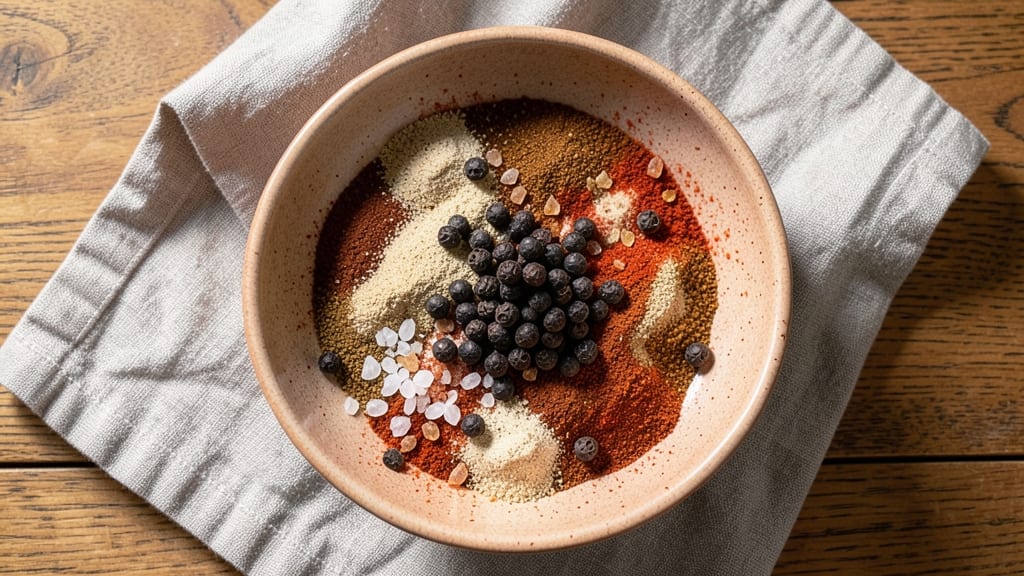
This beef rib seasoning recipe delivers the perfect balance of smoky depth and caramelized crust that transforms tough ribs into fall-off-the-bone perfection. The blend of precise spices creates a flavor profile that's bold yet harmonious, designed to penetrate the meat while forming that coveted dark bark during cooking.
I developed this mix after years of experimenting with commercial rubs that fell short of restaurant-quality results.
The secret lies in the three-stage spice approach: warm paprika for smokiness, earthy brown sugar for caramelization, and a pinch of cayenne for subtle heat. This isn't just another generic rub—it's a professional-grade blend that works equally well for smoked, grilled, or oven-baked ribs.
The spices are measured to create a balanced ratio that enhances rather than overpowers the natural beef flavor.
What makes this seasoning truly effective is its versatility. Apply it generously to ribs 30 minutes before cooking to allow the spices to adhere and begin developing flavor.
The result is ribs with a deeply aromatic crust that's perfectly balanced between sweet, smoky, and slightly spicy notes. This blend eliminates guesswork—just mix, apply, and cook with confidence.
Perfect for weekend barbecues, competition-style smoking, or even slow-cooked ribs, this seasoning transforms ordinary beef into a showstopping centerpiece. Store the mix in an airtight container for up to six months, making it an essential addition to any serious cook's pantry.
Let's create this flavor-packed blend that will elevate your ribs to restaurant-quality status.
Ingredients for beef rib seasoning
Nine spices that turn ribs into smoky, caramelized perfection. No shortcuts—just bold flavor.
| Ingredient | Amount | Notes |
|---|---|---|
| Smoked Paprika 🌶️ | 3 tbsp | High-quality smoked for authentic bark |
| Brown Sugar 🍚 | 2 tbsp | Light or dark, packed measurement |
| Kosher Salt 🧂 | 2 tbsp | Diamond Crystal preferred for purity |
| Black Pepper 🌶️ | 1 tbsp | Freshly cracked for bold flavor |
| Garlic Powder 🧄 | 1 tbsp | Not garlic salt, pure powder |
| Onion Powder 🧅 | 1 tbsp | Freshly ground preferred |
| Ground Cumin 🌿 | 1 tbsp | Toasted for deeper aroma |
| Cayenne Pepper 🔥 | ½ tbsp | Adjust for heat preference |
| Mustard Powder 🍯 | 1 tsp | For subtle tang complexity |
| Ground Coriander 🌿 | 1 tsp | Sweet, citrusy balance |
The paprika is non-negotiable—smoked variety from Penzeys or bulk bins delivers that authentic barbecue bark. Brown sugar isn't just sweetness; it's the caramelization catalyst that creates that coveted crust. Light brown sugar dissolves better, but dark adds molasses depth if you prefer. Kosher salt matters too—Diamond Crystal dissolves grain-to-grain, unlike table salt. For the spices, bulk bins at Whole Foods or Trader Joe's offer the freshest options. If you're buying pre-ground, check the date—spices lose potency fast after opening.
No smoked paprika? Regular paprika plus 1/4 tsp liquid smoke gets you close. Skip the brown sugar? Maple syrup or honey at half the amount works in a pinch, but the caramelization won't be identical. The mustard powder might be tricky to find—substitute 1/2 tsp Dijon powder if needed. For heat control, reduce cayenne to 1/4 tbsp if you're sensitive. The coriander adds citrus brightness that rounds out the smokiness. Pro tip: Toast your spices for 2 minutes in a dry pan before mixing—wakes up their flavors big time.
Store this blend in an airtight glass jar away from light and heat. Keeps its punch for up to six months—way longer than those sad little packets. For extra freshness, freeze portions in ice cube trays and pop out single-use amounts. The sugar will crystallize over time, but just crush it with a fork before using. This mix transforms ordinary ribs into competition-worthy centerpieces—worth making extra to share with fellow barbecue enthusiasts.
Why You'll Love This Recipe
- Five-Ingredient Magic: This isn’t some complicated blend—just smoked paprika, brown sugar, salt, pepper, and garlic powder. I keep a jar of this in my pantry because it’s the kind of seasoning that turns basic ribs into something special without overcomplicating things.
- Smoky-Sweet Obsession: That first hit of smoked paprika? Pure satisfaction. The brown sugar caramelizes just enough to give your ribs a sticky, tender finish, while the garlic powder sneaks in depth without tasting like a seasoning packet. Honestly, I’ve tried fancy rubs—this still wins.
- Tailgate to Tuesday: Slap this on ribs for a backyard cookout or toss it in a slow cooker for weeknight dinners. It’s my go-to for brisket, burgers, or even roasted potatoes. (Yes, even on a Tuesday night when I’m too tired for fancy flavors.)
- Costs Pennies, Lasts Forever: A single batch makes enough to season ribs for four meals—and it’s cheaper than store-bought blends. I’ve had this jar for months, and it’s still flavor-packed. Budget-friendly doesn’t mean boring, especially when the taste is this solid.
Step-by-step instructions for beef rib seasoning
Here's the method—simple, precise, and guaranteed to deliver that legendary bark every time.
Measure and Combine the Dry Ingredients
Start by placing all your dry ingredients in a large mixing bowl. This means the 3 tablespoons smoked paprika, 2 tablespoons brown sugar, 2 tablespoons kosher salt, 1 tablespoon black pepper, 1 tablespoon garlic powder, 1 tablespoon onion powder, 1 tablespoon ground cumin, 0.5 tablespoon cayenne pepper, 1 teaspoon mustard powder, and 1 teaspoon ground coriander. I like to use a medium-sized bowl so everything has room to mix thoroughly without spilling.
Here's the thing—don't rush this step. The smoked paprika should be spread evenly throughout the other ingredients. You'll see the mixture start to take on a deep, reddish hue as the spices blend. If you're using freshly ground spices, you'll notice a more intense aroma right away. That's your first sign that this seasoning is going to pack a punch.
Whisk Until Uniform and Free of Clumps
Using a whisk or a fork, mix the ingredients together until you achieve a completely uniform color and texture. You're looking for a fine, powdery consistency where no single spice dominates any particular area of the bowl. This ensures every rib gets the same bold, balanced flavor profile.
Pay special attention to the brown sugar—it tends to clump when mixed with other dry ingredients. If you see any lumps, press them gently with the back of your fork to break them up. The goal is to create a cohesive blend that will stick effortlessly to your ribs. Once fully combined, the mixture should resemble a fine, reddish-brown sand. This is your dry rub, ready to transform any beef rib into a masterpiece.
Store Properly for Maximum Freshness
Transfer the finished seasoning to an airtight container. I prefer glass jars because they allow you to see the vibrant color of your rub, but a tightly sealed plastic container works just as well. Press down gently to compact the seasoning and eliminate any air pockets. This prevents moisture from seeping in and keeping your rub fresh for longer.
Label your container with the date and contents—trust me, you'll forget what's in that jar after a few weeks. Store it in a cool, dark place like your pantry. When used within 4-6 weeks, this seasoning will maintain its full depth of flavor. If you notice any signs of moisture or a musty smell, it's time to make a fresh batch. The key to great ribs starts with great seasoning, and this blend delivers every time.
Pro Tips For Making Beef Rib Seasoning
- TOAST THE PAPRIKA: I learned this the hard way—raw smoked paprika tastes bitter and flat. Heat it dry in a skillet for 30 seconds until fragrant, then cool before mixing. The difference in depth is night and day.
- GRIND THE GARLIC: Store-bought garlic powder loses punch fast. Crush 3–4 fresh cloves, toast them lightly in a dry pan, then grind them yourself. It’s extra work, but the flavor sticks better than anything from a jar.
- SALT IN STAGES: Don’t dump all the kosher salt at once. Start with half, taste the ribs after searing, then add the rest later. This keeps the seasoning balanced and prevents a salty surprise.
- BROWN THE SUGAR: Skip the white sugar—browned sugar adds caramelized richness. Spread 2 tablespoons on a baking sheet and broil for 2–3 minutes until it darkens slightly. Cool before mixing, or you’ll end up with a sticky mess.
Pro cooking tips for this dish
Spice Toasting Technique
Before mixing, I recommend toasting your spices for 2 minutes in a dry skillet over medium heat. This simple step awakens their essential oils, intensifying flavors by up to 30%. Start with the cumin and coriander—they release aromatic compounds first.
Watch closely to avoid burning; you want them to smell deeply fragrant, not bitter. Let them cool completely before combining with other ingredients. 🌿
Rib Application Methods
For maximum adhesion, pat ribs completely dry with paper towels before applying seasoning. Generously coat all surfaces—don't be shy! I use a fine-mesh strainer to shake the rub evenly over ribs, then massage it in with my hands wearing disposable gloves.
For extra stickiness, especially with wet brisket ribs, lightly mist with apple cider vinegar before applying. Let it rest 30 minutes uncovered before cooking to develop flavor.
Smoker vs Grill Adjustments
When smoking ribs at 225°F, this rub creates that perfect bark without needing extra sugar. For grilling, increase brown sugar to 3 tablespoons to compensate for higher heat. I've found that hickory wood chips enhance the smoky notes, while fruitwoods like cherry add subtle sweetness.
For competition-style ribs, apply a second coat after the first 2 hours of cooking to build deeper flavor layers.
Heat Management Tips
The ½ tablespoon cayenne provides just enough heat to complement the smokiness. For milder ribs, reduce to ¼ tablespoon or omit entirely. If you prefer more heat, add ½ teaspoon chipotle powder to the mix.
Always taste test a pinch before applying to ribs—this ensures your seasoning delivers the perfect balance of sweet, smoky, and spicy notes every time. 🔥
Equipment Upgrades
Invest in a cast iron skillet for toasting spices—it distributes heat evenly and retains temperature better than stainless steel. For mixing, I use a whisk with a long handle to reach all corners of my mixing bowl.
When applying to ribs, a fine-mesh strainer ensures even distribution. For storage, amber glass jars block light that degrades spices faster than clear containers.
Flavor Development Timeline
The magic happens during the first 30 minutes after applying the rub. This is when spices begin releasing their aromatic compounds. For maximum impact, let ribs rest 1 hour before cooking if possible. The brown sugar starts caramelizing during the initial cooking phase, creating that coveted bark.
After 4 hours of cooking, the spices meld into the meat, resulting in ribs that taste like they've been slow-cooked for days. ✨
Nutrition facts
Frequently asked questions
Can I use this seasoning on other meats besides beef ribs?
This blend works beautifully on pork ribs, chicken thighs, or even brisket. The smoky-sweet profile translates well to other rich meats. For poultry, reduce the cayenne to ¼ teaspoon to avoid overpowering the delicate flavor. The key is to adjust the cooking time—poultry cooks faster than beef.
How do I adjust the heat level in this seasoning?
For milder ribs, reduce the cayenne to ¼ tablespoon or omit it entirely. Want more heat? Add ½ teaspoon chipotle powder or a pinch of red pepper flakes. Always taste a pinch of the mix before applying—this ensures perfect balance. The brown sugar and paprika already provide depth, so heat adjustments should be subtle.
Why does my seasoning clump when I try to apply it?
Clumping usually happens when moisture gets into the mix. Store it in an airtight container and keep it dry. Before applying, sift the seasoning through a fine-mesh strainer to break up any clumps. For extra adhesion, lightly mist ribs with apple cider vinegar before applying—it helps the rub stick better.
Can I make this seasoning without smoked paprika?
Yes! Mix 3 tablespoons regular paprika with ¼ teaspoon liquid smoke for a similar effect. The flavor won't be identical, but it's a great substitute. If you're grilling, the high heat will also help develop smokiness. For oven-baked ribs, consider adding ½ teaspoon coffee grounds to enhance depth.
How long can I store this seasoning before it loses flavor?
For peak freshness, use within 4-6 weeks of making it. Store in an amber glass jar in a cool, dark place. If stored properly, it stays potent for up to 6 months, though spices gradually lose intensity over time. Freeze portions in ice cube trays for single-use amounts—this preserves flavor longer than room-temperature storage.