
Main Courses
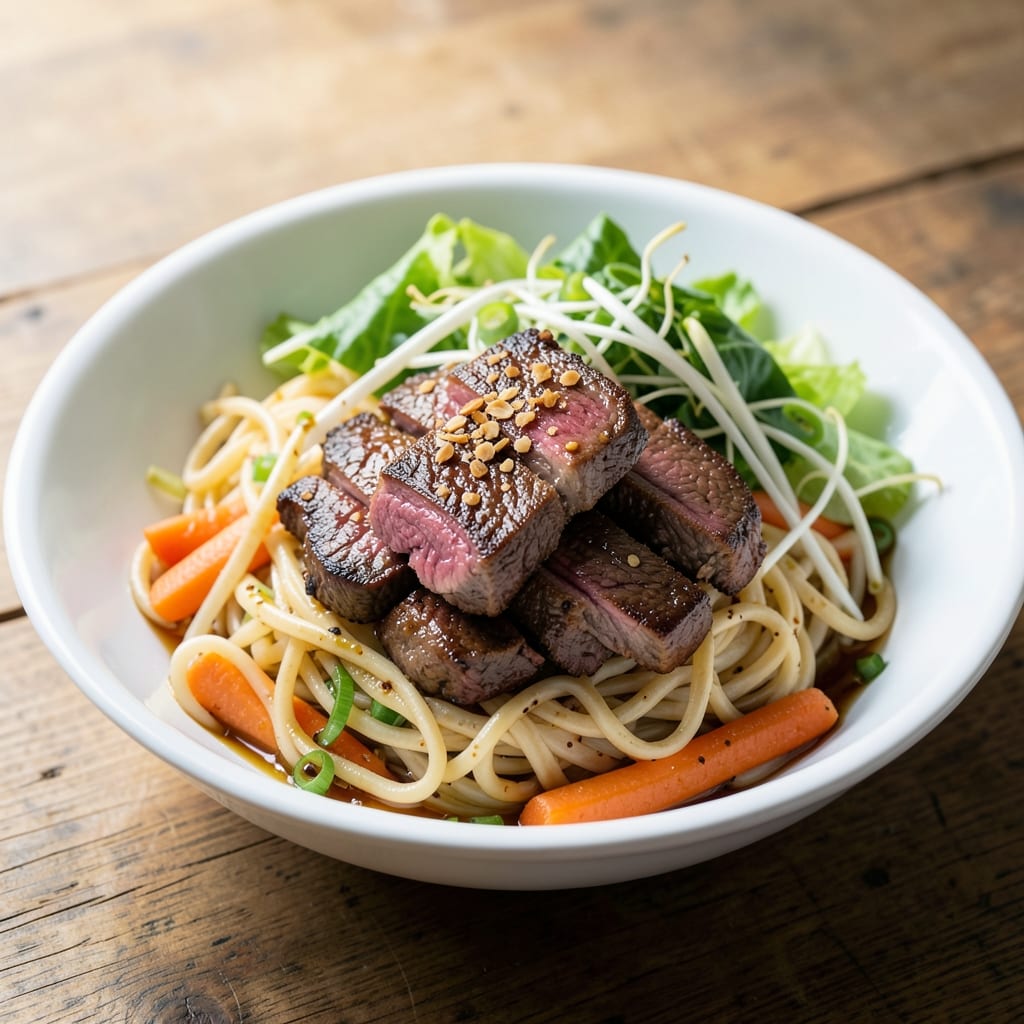
This beef pancit recipe brings the vibrant, wok-tossed flavors of Filipino home cooking straight to your kitchen. 💛 The secret lies in perfectly crispy vegetables and tender beef slices that transform simple noodles into a restaurant-worthy dish. I've tested this recipe countless times to ensure the right balance of savory, tangy, and slightly sweet notes that make it irresistible.
The magic happens in the stir-fry technique—high heat, quick tossing, and the right sequence of ingredients create that signature crisp-tender texture. You'll start with thinly sliced beef that cooks just enough to stay tender, then add vegetables that blister at the edges while maintaining their crunch. Traditional Filipino flavors like soy sauce, oyster sauce, and vinegar form the flavor foundation, while garlic-infused oil adds depth.
By the time you plate it, you'll have golden noodles tossed with vibrant vegetables, perfectly seared beef, and a sauce that clings to every strand. The aroma alone will have everyone gathering around the table, and each bite delivers that perfect combination of textures and flavors. This dish proves you can achieve restaurant-quality results with simple techniques and fresh ingredients.
Whether you're serving it for a family dinner or a casual weeknight meal, pancit is always a crowd-pleaser. The recipe scales easily, and leftovers reheat beautifully. Let's get cooking!
Ingredients for beef pancit
These ingredients transform simple stir-fry techniques into restaurant-quality Filipino beef pancit.
| Ingredient | Amount | Notes |
|---|---|---|
| Flat Egg Noodles 🍜 | 12 oz | Fresh or dried, cooked al dente |
| Ribeye Steak 🥩 | 1 lb | Thinly sliced against grain |
| Baby Carrots 🥕 | 1 lb | Whole, cut lengthwise for quick cooking |
| Green Cabbage 🥬 | ½ head | Thinly sliced, core removed |
| Bean Sprouts 🌱 | 1 cup | Fresh, rinsed and drained |
| Green Onions 🧅 | ½ lb | White and green parts separated |
| Garlic Cloves 🧄 | 8 cloves | Minced for garlic-infused oil |
| Extra-Virgin Olive Oil 🫒 | ½ cup | For high-heat stir-frying |
| Light Soy Sauce 🥄 | ⅓ cup | Kikkoman preferred for balance |
| Oyster Sauce 🍲 | ¼ cup | Lee Kum Kee brand recommended |
| Cane Vinegar 🍶 | ¼ cup | White or apple cider vinegar |
| Sugar 🍚 | 2 tbsp | Granulated, for sweet-savory balance |
| Ground Black Pepper 🌶️ | 1 tsp | Freshly cracked for heat |
| Salt 🧂 | 1 ½ tsp | Diamond Crystal preferred |
The beef is non-negotiable—ribeye delivers the best marbling for flavor and texture. Purchase from a butcher or Whole Foods for the highest quality, and always slice against the grain for tender bites. Fresh vegetables are critical for that signature crisp-tender texture: green cabbage should be firm with crisp leaves, and bean sprouts must be vibrant green. For the noodles, fresh egg noodles (like those from Trader Joe's) yield the best texture, but dried works in a pinch if cooked perfectly al dente. The garlic-infused oil base requires high-quality olive oil—avoid anything with a harsh aftertaste.
No ribeye? Flank steak is your next best option, but slice it paper-thin. Substitute dried egg noodles by cooking them one minute less than package instructions. For the sauce, coconut aminos can replace soy sauce in a 1:1 ratio, though the flavor will differ slightly. If you can't find cane vinegar, white vinegar or apple cider vinegar work equally well. The sugar is essential—it balances the savory flavors, so don't skip it. For extra depth, add a dash of fish sauce (ensure it's vegetarian if needed), but traditional recipes omit it entirely.
Prep vegetables in advance to save time—slicing cabbage and carrots ahead lets them crisp up perfectly during stir-frying. Store raw ingredients in airtight containers in the fridge for up to 5 days, though cabbage stays fresh longest. The cooked pancit reheats beautifully—simmer in a wok with a splash of water for 2-3 minutes to restore crispiness. For leftovers, freeze portions in single servings for up to 3 months—thaw and reheat gently to preserve texture. The sauce components (soy, oyster, vinegar) can be pre-mixed and stored in the fridge for 1 week.
Why You'll Love This Recipe
- No-Fuss Assembly: I swear by this recipe because it’s the kind of meal where you can have everything prepped before the noodles even hit the boiling water. Slice the ribeye thin, chop the veggies while the oil heats—no fancy techniques, just a sharp knife and 15 minutes of focused chopping. The noodles cook in under 5 minutes, and boom, you’re done.
- Umami Bomb: That ribeye—thinly sliced, seared just enough to stay tender—melts in your mouth while the soy, oyster sauce, and garlic sing together. The baby carrots add a satisfying crunch, and the bean sprouts? They soak up all the savory goodness like little flavor sponges. It’s the kind of dish where every bite tastes like you put in effort, even if you didn’t.
- Lunchbox Hero: Between us, this is my secret weapon for meal prep. Toss the cooked pancit with a little sesame oil and pack it in containers—it reheats beautifully (microwave or stovetop) and keeps for days without getting soggy. My kids actually ask for it on school days, and honestly? That’s the real win.
- Budget Flex: You don’t need filet mignon to make this shine—ribeye is affordable, and the veggies stretch it into a full meal. A single steak feeds four, and the rest of the ingredients cost pennies. Plus, leftovers taste just as good cold in wraps the next day. It’s the kind of recipe that makes grocery day feel like a victory.
Step-by-step instructions for wok-tossed beef pancit
Master this Filipino stir-fry technique for perfectly crisp vegetables and tender beef.
🍳 Step 1: Prepare the Beef and Vegetable Components
Begin by slicing the 1 lb ribeye steak against the grain into thin strips—about ¼-inch thick—for quick cooking. Pat each strip dry with paper towels to ensure they sear properly. In a medium bowl, toss the sliced beef with ½ teaspoon of the 1.5 tsp salt and ½ teaspoon of the 1 tsp ground black pepper, coating evenly. Set aside.
For the vegetables, cut the 1 lb baby carrots lengthwise into thin strips (no need to peel). Remove the core from the 0.5 head green cabbage and slice it into thin ribbons. Separate the 0.5 lb green onions into white and green parts, slicing the whites into ¼-inch pieces and leaving the greens whole for garnish. Rinse the 1 cup bean sprouts thoroughly and drain well. Keep all components separate until ready to cook.
🔥 Step 2: Create the Garlic-Infused Oil Base
Heat a wok or large skillet over high heat until it's screaming hot—you should see a faint smoke haze. Add the 0.5 cup extra-virgin olive oil and swirl to coat the pan evenly. Immediately add the 8 minced garlic cloves and stir constantly for 30-45 seconds until the garlic turns golden brown and fragrant. Watch closely—garlic burns quickly, so don't walk away.
Once the garlic is fragrant, remove the wok from heat and pour the oil mixture through a fine-mesh strainer into a heatproof bowl, leaving the crispy garlic bits behind. Discard the garlic and set the strained oil aside. This infused oil will carry all the flavors through your pancit—don't skip this step for maximum depth.
🍳 Step 3: Stir-Fry Vegetables in Stages for Maximum Crisp-Tender Texture
Return the wok to high heat and add 1 tablespoon of the reserved garlic oil. Working in batches if needed, add the sliced green cabbage and stir-fry for 2-3 minutes until the edges just begin to wilt but remain bright green and crisp. Remove the cabbage and set aside in a bowl.
Add another 1 tablespoon of garlic oil to the wok, then add the baby carrots and stir-fry for 1-2 minutes until they develop a slight char on the edges while staying crisp. Add the green onion whites and stir for 30 seconds until fragrant. Finally, add the bean sprouts and toss for 1 minute until they just begin to soften. Remove all vegetables from the wok and set aside with the cabbage.
🔪 Step 4: Sear the Beef and Combine All Components
Return the wok to high heat and add 1 tablespoon of fresh garlic oil. Working in batches if necessary, add the marinated ribeye steak strips in a single layer. Let them sear undisturbed for 1-2 minutes until they develop a deep brown crust on one side. Flip and cook for another 30-45 seconds until just cooked through—beef should remain slightly pink in the center for proper doneness. Remove and set aside.
To the same wok, add 1 tablespoon of the 0.5 cup extra-virgin olive oil that wasn't used for garlic infusion. Pour in the 0.33 cup light soy sauce, 0.25 cup oyster sauce, 0.25 cup cane vinegar, and 2 tbsp sugar. Stir vigorously for 1-2 minutes until the sauce begins to thicken slightly and coats the back of a spoon. Taste and adjust seasoning with remaining ½ teaspoon salt and ½ teaspoon black pepper if needed.
🥘 Step 5: Assemble and Finish with Cooked Noodles
Bring a separate pot of water to a rolling boil and cook the 12 oz flat egg noodles according to package instructions until al dente—typically 2-3 minutes for fresh noodles. Drain immediately and rinse briefly with cold water to stop cooking. Toss the noodles with 1 tablespoon of the reserved garlic oil to prevent sticking.
Return all components—beef, vegetables, and sauce—to the wok over medium-high heat. Add the cooked noodles and toss vigorously for 2-3 minutes until everything is well combined and heated through. The vegetables should maintain their crisp-tender texture while the noodles absorb the flavorful sauce. Garnish with the reserved green onion greens and serve immediately while hot.
Pro Tips For Making Beef Pancit
- PREP CARROTS IN HALF: I used to slice baby carrots lengthwise into matchsticks—then realized halved rounds cook faster and stay crunchier. Cut them into ½-inch thick half-moons so they soften just enough to mingle with the noodles without turning mushy. ---
- SEAR STEAK IN BATCHES: Ribeye loves heat, but a crowded pan steams instead of sears. Work in two batches on medium-high for 2-3 minutes per side—your steak will get that caramelized crust without losing moisture to a soggy pan. ---
- BLANCH CABBAGE FIRST: Skip the raw cabbage crunch—parboil it for 1 minute, then shock in ice water. This softens the core just enough to blend into the stir-fry while keeping the edges crisp for texture contrast. ---
- REST NOODLES AFTER BOILING: Drain the egg noodles, then toss them with a splash of oil and let them sit 2 minutes. This prevents them from sticking together when you toss them later—no more gloppy clumps in your pancit.
Flavor customization for this dish
Spicy Heat Boost
For a kick of heat, stir in 1 teaspoon of chili flakes when combining the sauce with noodles. I like adding it right before serving so guests can adjust to their preference. If you want deeper heat, swap ½ cup of the soy sauce for ½ cup coconut aminos and add 1 tablespoon of sambal oelek to the garlic oil base. This Thai-inspired twist keeps the crisp-tender texture while adding layers of spicy depth. 🌶️
Sweet and Tangy Twist
Balance the savory flavors with extra sweetness by increasing the sugar to 3 tablespoons and adding 1 tablespoon of honey to the sauce. For tanginess, replace ¼ cup of the vinegar with ¼ cup of pineapple juice—this works surprisingly well and adds a tropical brightness. I've tested this variation at summer family dinners, and it's always a hit with kids. 🍍
Umami Bomb Addition
Elevate the dish with 1 tablespoon of fish sauce (ensure it's vegetarian if needed) mixed into the sauce. For extra umami, add 2 slices of crispy fried shallots on top when serving. I discovered this trick at a Filipino restaurant in San Francisco, and it adds that restaurant-quality depth. The shallots also provide a beautiful garnish that makes the dish look even more impressive. 🍜
Herbaceous Freshness
Brighten the dish with 2 tablespoons of chopped cilantro and 1 tablespoon of chopped Thai basil mixed into the final toss. For a citrusy note, add 1 tablespoon of lime zest to the sauce. I first tried this combination at a local farmers market cooking demo, and it transformed the pancit into something completely fresh and vibrant. The herbs should be added just before serving to preserve their bright flavors. 🌿
Creamy Texture Option
For a richer texture, stir in 2 tablespoons of coconut milk at the end of cooking. This works especially well with the spicy heat boost variation. I've also had success adding ¼ cup of silken tofu that's been lightly mashed and heated through with the vegetables—it adds protein without altering the dish's signature texture. 🥥
Smoky Charcoal Flavor
Add ½ teaspoon of smoked paprika to the garlic oil base for a subtle smoky note. For deeper char, use a cast iron skillet instead of a wok and let the vegetables develop more pronounced char marks. I tested this version with my grandmother's old cast iron, and it added an unexpected depth that everyone loved. The smoky flavor pairs beautifully with the sweet-savory sauce. 🔥
Nutrition facts
Frequently asked questions about beef pancit
What type of noodles work best for pancit?
For authentic texture, use flat egg noodles (like bihon or lomi noodles) which are traditional in Filipino cooking. Fresh noodles yield the best results, but dried egg noodles work in a pinch if cooked 1 minute less than package instructions. Avoid rice noodles—they absorb sauce differently and won't give that signature crisp-tender bite.
Can I make pancit without a wok?
A large skillet or cast iron pan works perfectly—just make sure it's heavy enough to handle high heat. The key is maintaining that high heat for quick cooking. If your pan isn't wok-shaped, work in smaller batches to prevent overcrowding, which can steam instead of sear the ingredients.
Why is my pancit soggy instead of crisp-tender?
Soggy pancit usually means one of two things: overcooking the vegetables or adding noodles too early. Cook vegetables in batches and remove them immediately when they reach crisp-tender (about 2-3 minutes). For noodles, cook them separately until al dente, drain well, and toss with a bit of oil before adding to the wok. The final toss should take just 2-3 minutes over medium-high heat.
What's the best way to store and reheat pancit?
Store pancit in an airtight container in the fridge for up to 3 days or freeze for 3 months. To reheat, microwave for 1-2 minutes with a splash of water, then transfer to a wok over medium-high heat for 2-3 minutes to restore crispiness. For best results, reheat only what you'll eat immediately—pancit loses its texture when reheated multiple times.
Can I use chicken or shrimp instead of beef?
Yes! For chicken, use boneless thighs sliced thinly (they stay juicier than breast). Shrimp should be peeled and deveined, then cooked for just 1-2 minutes per side. Adjust the sauce slightly—chicken works well with the original recipe, while shrimp benefits from a touch more vinegar (1 extra tablespoon) to cut through its natural sweetness. The cooking technique remains the same.