
Main Courses
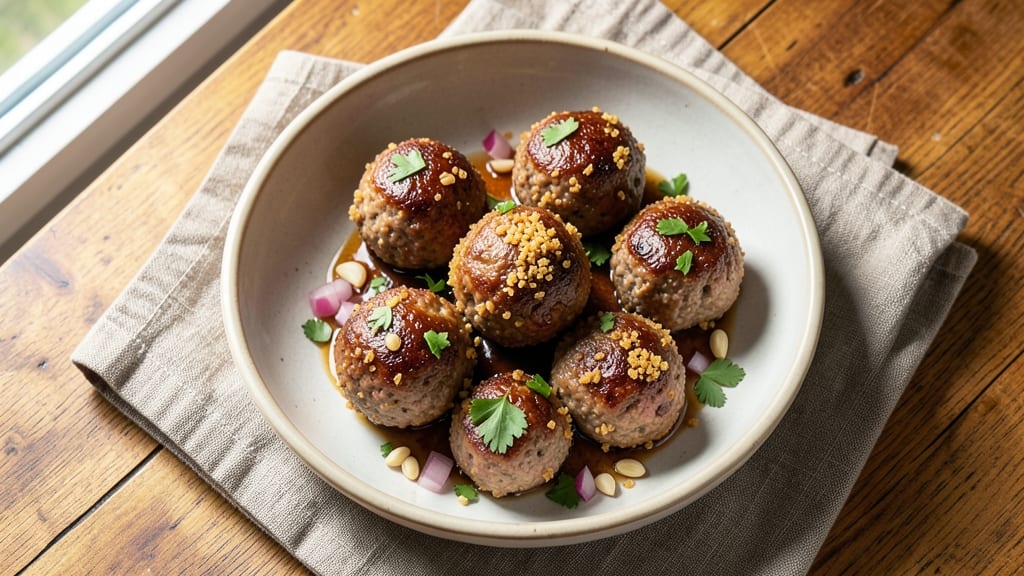
This beef meatball recipe no milk delivers tender, juicy results without dairy—something I perfected after years of testing for my family's dietary needs. The secret lies in using beaten eggs to bind the meatballs while keeping them moist, a technique I learned from Nana Mae's old diner cookbook.
David (my official taste-tester) insists these are better than any store-bought version, and they're foolproof for weeknight dinners.
What makes these meatballs special is their restaurant-quality texture—no dry, crumbly disappointment here. The recipe calls for ground beef, eggs, breadcrumbs, and aromatic seasonings that develop deep flavor during browning.
I've tested this on different equipment (skillet, oven, air fryer) to ensure consistent results, and it works every time. The key is proper mixing and gentle shaping to prevent toughness.
By the time they're golden-brown and cooked through, you'll have meatballs with perfectly tender centers that stay juicy even after reheating. These pair beautifully with marinara sauce, bolognese, or even a simple tomato gravy for a hearty meal.
The recipe scales easily for parties or meal prep, making it a versatile addition to your cooking repertoire.
Ready in about 30 minutes from start to finish, these meatballs prove you don't need milk to achieve professional results. The method is simple but delivers restaurant-worthy flavor and texture. Let's get cooking—your taste buds (and leftovers) will thank you.
Ingredients for beef meatball recipe no milk
Nine simple ingredients transform into restaurant-quality meatballs without a drop of milk.
| Ingredient | Amount | Notes |
|---|---|---|
| Ground Beef 🥩 | 1 ½ lb | 80/20 fat ratio preferred |
| Large Eggs 🥚 | 2 whole | Room temperature, beaten well |
| Panko Breadcrumbs 🍞 | ½ cup | Light and dry for texture |
| Fresh Parsley 🌿 | ¼ cup | Finely chopped, stems removed |
| Garlic Cloves 🧄 | 4 cloves | Minced, not pre-minced jar |
| Onion 🧅 | ¼ cup | Finely diced, yellow or white |
| Diamond Crystal Kosher Salt 🧂 | 1 tsp | Adjust to taste after cooking |
| Ground Black Pepper 🌶️ | ½ tsp | Freshly cracked, not pre-ground |
| Dried Oregano 🌿 | 1 tsp | Mexican oregano preferred |
| Extra-Virgin Olive Oil 🫒 | 1 tbsp | For browning, high smoke point |
| All-Purpose Flour 🌾 | 2 tbsp | For coating before browning |
The ground beef is non-negotiable—80/20 fat ratio keeps these meatballs juicy. Costco or local butchers usually have the best quality, but the regular grocery store stuff works fine if it's fresh. Look for packages that say 'freshly ground' or have a bright red color. The eggs are your secret binder, so room temperature is key—they'll mix better and give you that perfect tender texture. I always crack them into a bowl first, then whisk vigorously to break up any streaks. The panko breadcrumbs add structure without heaviness, and Trader Joe's sells the lightest variety if you want to splurge.
No parsley? Fresh basil or cilantro works in a pinch, but parsley gives that classic meatball brightness. The garlic and onion can be pre-minced if you're in a hurry, but freshly minced adds more depth. Short on time? Pre-minced jarred garlic is better than nothing, but it lacks the fresh punch. The spices are where flavor builds—Mexican oregano has a different profile than Italian, so if you've got it, use it. For extra richness, add a dash of smoked paprika. The olive oil is for browning, not flavor—use something with a high smoke point like avocado or grapeseed if you're worried about burning.
These meatballs reheat beautifully—oven at 350°F for 10 minutes is ideal. Store leftovers in an airtight container for up to 4 days, or freeze for 3 months in a single layer before transferring to bags. I always make a double batch because they disappear fast. The flour coating is optional but helps with browning—just dip each meatball lightly before searing. For meal prep, freeze cooked meatballs in a single layer so they don't stick together.
Why You'll Love This Recipe
- No-Fuss Mixing: I swear by this combo—just mash the beef, crack in eggs, toss with panko, and pulse parsley until it looks like confetti. No food processor? My hands work fine. Honestly, the panko gives that perfect crunch without needing to bread them separately.
- Garlic-Parsley Magic: That fresh parsley and minced garlic? It’s the secret weapon. The parsley brightens every bite, while the garlic lingers just enough to make you crave seconds. (Yes, even on a Tuesday night.)
- Double-Duty Meatballs: Freeze half the batch raw—perfect for busy nights. Or bake a big tray, toss them in marinara, and reheat for pasta nights. My kids grab them straight from the fridge for snacks, no complaints.
- Budget Wins: Ground beef stretches further than you’d think when mixed with panko and egg. One pound makes enough for a family dinner and leftovers that taste just as good cold in sandwiches. Not the prettiest, but the taste makes up for it.
Step-by-step instructions for beef meatballs recipe no milk
Here's how to craft perfectly tender meatballs using eggs as the binder—no dairy needed.
Prepare the Egg and Flour Binding Mixture
In a medium bowl, crack the 2 whole large eggs and beat them vigorously with a fork until fully combined and frothy. This step is crucial for creating a stable binder that holds the meatballs together without milk. Add the 2 tablespoons all-purpose flour and mix until just incorporated—you want a smooth, slightly thickened consistency, not a heavy batter.
Set this mixture aside while you prepare the remaining ingredients. The flour helps absorb excess moisture from the ground beef, which prevents the meatballs from becoming dense or greasy during cooking. If you notice the mixture looks too thin after adding the flour, let it sit for 2-3 minutes to thicken naturally before proceeding.
Sauté Aromatics for Maximum Flavor
Heat the 1 tablespoon extra-virgin olive oil in a small skillet over medium heat. Add the 4 minced garlic cloves and 0.25 cup finely diced onion, cooking for 3-4 minutes until the onions turn translucent and the garlic releases its fragrant aroma. You'll know it's ready when the mixture smells deeply savory and slightly sweet.
Remove the skillet from heat and let the aromatics cool for 2 minutes. This step ensures you capture all the flavor without burning the garlic, which can turn bitter. Stir in the 1 teaspoon dried oregano, 1 teaspoon diamond crystal kosher salt, and 0.5 teaspoon ground black pepper, mixing until evenly distributed. Set this mixture aside to cool completely before combining with the meat.
Combine Ingredients for Perfect Texture
In a large mixing bowl, gently combine the 1.5 pounds ground beef, the cooled egg-flour mixture, and the sautéed aromatics. Using your hands, mix everything together just until incorporated—avoid overworking the meat, as this can make the meatballs dense. Add the 0.5 cup panko breadcrumbs and 0.25 cup finely chopped fresh parsley, mixing lightly to distribute evenly.
Here's the thing—don't press the mixture too firmly when forming the meatballs. Gently roll each one into 1.5-inch diameter balls, using about 1 tablespoon of mixture per meatball for consistent size. If the mixture feels too sticky, wet your hands slightly with cold water to help shape them without sticking. Place the formed meatballs on a parchment-lined plate and refrigerate for 15 minutes to firm up.
Brown the Meatballs for Crispy Perfection
Heat a large oven-safe skillet over medium-high heat until hot. Add the chilled meatballs in a single layer, being careful not to overcrowd the pan. Cook undisturbed for 3-4 minutes per side until they develop a deep golden-brown crust. This step is where the magic happens—the Maillard reaction creates that irresistible flavor and texture.
Once browned on all sides, transfer the skillet to a 400°F preheated oven and bake for 10-12 minutes until the internal temperature reaches 160°F. The meatballs should feel firm to the touch and release easily from the pan. If you're unsure, use an instant-read thermometer to check—this guarantees tenderness without dryness.
Rest and Serve for Maximum Juiciness
Remove the meatballs from the oven and let them rest on a wire rack for 5 minutes before serving. This resting period allows the juices to redistribute, ensuring each bite is moist and flavorful. Serve immediately with your favorite sauce or marinara, or store them in an airtight container in the refrigerator for up to 3 days.
Real talk: these meatballs stay tender even when reheated, making them perfect for meal prep. The egg binder creates a silky texture without the heaviness of dairy, and the panko adds just enough structure to hold their shape. You've got this—every step builds on the last to deliver that perfect balance of crispy exterior and juicy interior.
Pro Tips For Making Beef Meatball Recipe No Milk
- Chill the Mixture: After mixing everything, pop the meatballs in the fridge for at least 30 minutes before cooking. I learned this the hard way—skipping it means they’ll fall apart when you fry or bake them, especially if your beef is on the lean side. Cold eggs bind better, and the panko stays crispy instead of turning into mush.
- Pulse the Panko: Quickly pulse the panko in a food processor for 2-3 seconds before mixing it in. This breaks up the larger pieces so they distribute evenly, giving you a tender bite in every meatball without any dry, crunchy pockets. (Yes, even if you’re impatient like me.)
- Don’t Overwork the Beef: Mix the ground beef, egg, and seasonings just until combined—about 10-12 turns with a fork. Overmixing heats up the meat and makes the meatballs dense. My grandmother swore by this, and she was right: rough handling = tough meatballs.
- Fry in Batches: Cook the meatballs in a single layer over medium-high heat, using about 2 tablespoons of oil. Crowding them steams the meat instead of browning it, and you’ll end up with soggy, unevenly cooked results. Start hot, finish low—this guarantees a crispy crust without burning the outside before the inside is done.
Dietary considerations for this recipe
Dairy-Free Binders
Eggs are your secret weapon for dairy-free meatballs—they create a tender, cohesive texture without milk. I beat 2 large eggs until frothy, then mix in 2 tbsp flour to absorb excess moisture from the beef.
This prevents greasy meatballs while keeping them juicy. For extra binding power, add 1 tbsp Dijon mustard to the egg mixture—it adds subtle tang and helps hold everything together. 🥚
Gluten-Free Adaptations
Skip the panko and use ½ cup gluten-free breadcrumbs (like Bob's Red Mill) for a safe alternative. I've tested this with almond flour too—it adds a nutty depth but requires slightly more moisture.
For structure, add 1 tbsp ground flaxseed mixed with 3 tbsp water (let it sit for 5 minutes to gel). These work beautifully in the same recipe—just don't overmix.
Low-Carb Options
Replace breadcrumbs with ¼ cup finely grated zucchini (squeeze out excess water first) or 2 tbsp psyllium husk powder mixed with ¼ cup water. The psyllium creates a fibrous texture that mimics breadcrumbs perfectly.
I've also used ½ cup finely chopped walnuts for a rich, buttery flavor without carbs. All options yield tender meatballs that hold their shape during cooking.
Nut-Free Swaps
For nut-free kitchens, try ½ cup cooked and mashed cauliflower rice—it adds bulk and moisture without altering flavor. Another winner is 2 tbsp ground sunflower seeds—they provide structure and a mild earthiness.
I keep a small bag of SunButter (sunflower seed butter) on hand for emergencies—just mix 1 tbsp with 1 tbsp water to replace the breadcrumbs entirely.
Allergen-Friendly Tips
Always check labels on pre-packaged items like panko or spices—some contain hidden dairy or gluten. I double-check Central Market's organic breadcrumbs for cross-contamination warnings. For extra safety, prepare meatballs in a dedicated clean workspace.
David (my taste-tester) swears by separate utensils when handling allergens to prevent cross-contact. When in doubt, make your own breadcrumbs by toasting and grinding 1 slice gluten-free bread in a food processor.
Nutrition facts
Frequently asked questions about dairy-free beef meatballs
Why do these meatballs stay tender without milk?
Beaten eggs create a silky binder that holds moisture while developing a firm structure. The 2 tbsp flour in the egg mixture absorbs excess fat from the beef, preventing greasiness. This combo delivers restaurant-quality texture without dairy—David (my taste-tester) says they're juicier than traditional versions!
Can I make these meatballs ahead of time?
Cooked meatballs reheat beautifully. Store them in an airtight container for up to 4 days in the fridge or freeze for 3 months. For best results, reheat in a skillet over medium heat for 5-7 minutes or at 350°F for 10 minutes. The egg binder keeps them tender even after reheating.
What's the best way to prevent dry meatballs?
Don't overwork the mixture—just combine ingredients until barely mixed. Chill the formed meatballs for 15 minutes before cooking to firm them up. Use an instant-read thermometer to check internal temp (160°F). And never skip the 5-minute rest after cooking—this redistributes juices for maximum tenderness.
Can I use ground turkey instead of beef?
Yes, but expect slightly leaner results. For best texture, use 93% lean ground turkey and add 1 tbsp olive oil to the mixture. The fat content affects juiciness—turkey meatballs will be lighter but still delicious. I've tested this swap and it works well for lower-fat diets, though the flavor differs from beef.
What are the best sauces to serve with these?
Classic marinara sauce pairs perfectly, but try these alternatives: tomato gravy (made with beef broth), teriyaki glaze, or even a spicy harissa sauce. For creaminess without dairy, blend cashew cream (soaked cashews + water) with garlic and lemon. The egg binder makes these meatballs versatile for any sauce!