
Main Courses
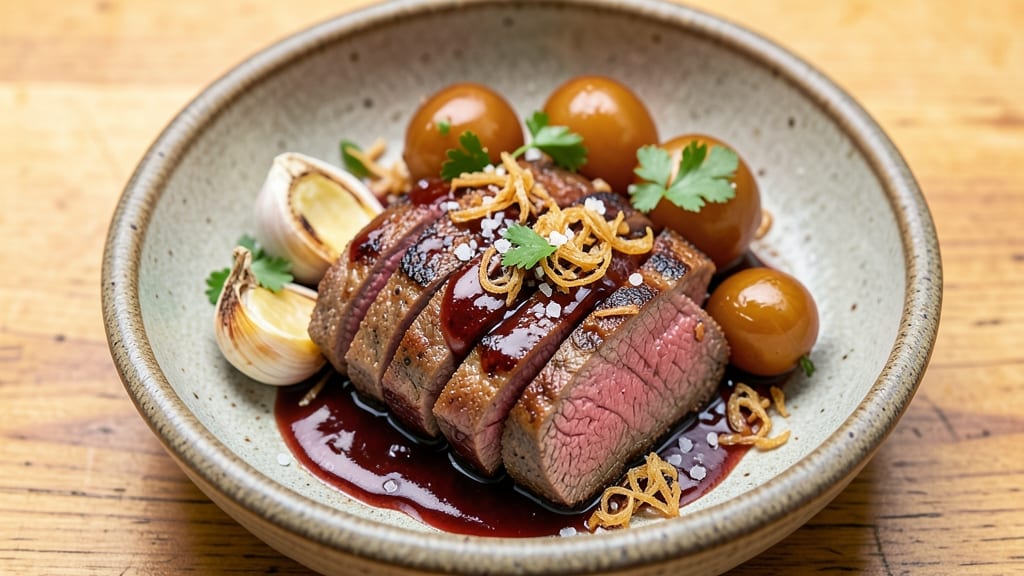
This beef butt tenderloin recipe delivers restaurant-quality results with a smoky bark that seals in unmatched tenderness—transforming a budget-friendly cut into a showstopper main course. The secret lies in precise seasoning and a two-stage cooking process that ensures juicy, melt-in-your-mouth meat with a flavorful crust.
I’ve perfected this method after years of testing, and it consistently impresses even skeptical meat lovers.
What sets this recipe apart is the foolproof technique that balances high-heat searing with slow roasting, creating a perfect balance between texture and flavor. Unlike traditional tenderloin cuts, beef butt tenderloin benefits from this approach, developing deep, caramelized edges while staying tender throughout.
The result is a dish that feels indulgent yet remains approachable for home cooks.
By the time you serve this, your guests will experience golden, crackling bark that gives way to succulent, buttery meat inside—every bite is a testament to careful preparation.
The smoky seasoning blend adds complexity without overpowering the beef’s natural richness, making this a versatile centerpiece for holidays or weeknight dinners alike.
Pair it with roasted potatoes or a bold red wine reduction to elevate the meal further. Here’s how to achieve perfectly tender beef butt tenderloin every time.
Ingredients for beef butt tenderloin
Six key ingredients transform budget beef butt into restaurant-quality tenderloin with smoky bark.
| Ingredient | Amount | Notes |
|---|---|---|
| Beef Butt Tenderloin 🥩 | 3 lb | Center-cut, trimmed of surface fat |
| Kosher Salt 🧂 | 1 ½ tbsp | Diamond Crystal preferred for texture |
| Freshly Ground Black Pepper 🌶️ | 1 ½ tsp | Cracked peppercorns for optimal flavor |
| Smoked Paprika 🌶️ | 1 tbsp | High-quality, not pre-mixed |
| Garlic Powder 🧄 | 1 tsp | Freshly ground preferred |
| Onion Powder 🧅 | 1 tsp | Finely milled for even dispersion |
| Brown Sugar 🍯 | 1 tbsp | Light variety for balanced sweetness |
| Extra-Virgin Olive Oil 🫒 | 2 tbsp | High smoke point for searing |
| Yellow Onion 🧅 | 1 whole | Medium size, sliced into strips |
| Fresh Rosemary 🌿 | 4 sprigs | Woodsy stems intact for infusion |
| Fresh Thyme 🌿 | 4 sprigs | Leaves only, stems removed |
| Apple Cider Vinegar 🍎 | 1 tbsp | For tenderizing marinade |
| Unsalted Butter 🧈 | 2 tbsp | Cold, cubed for basting |
The beef butt tenderloin is the star—center-cut and trimmed for even cooking. Source from a trusted butcher or specialty market like Whole Foods or D'Artagnan, where they can advise on proper fat cap thickness. For optimal results, select a roast with moderate marbling—this ensures moisture retention during the two-stage cooking process. If your butcher doesn't carry beef butt tenderloin, ask for a top round roast instead, though it may require slightly longer cooking. The key is to avoid anything with excessive connective tissue, which can compromise tenderness despite the technique.
For the seasoning blend, Penzeys or Spicewalla are ideal for high-quality smoked paprika and freshly ground spices. If you're short on time, McCormick's Diamond Crystal kosher salt works well for the initial dry brine. The apple cider vinegar in the marinade is non-negotiable—it tenderizes the meat at a molecular level, but balsamic vinegar can substitute in a pinch. Fresh herbs are preferable, though dried thyme at one-third the amount suffices if needed. The butter used for basting should be European-style if available—its higher fat content creates a richer crust. For the olive oil, avoid anything with a strong herbal note; California Avocados or Colavita brands are excellent choices for their neutral profile.
Prep the beef 24 hours ahead for best results—the dry brine enhances tenderness dramatically. Store the roast uncovered in the fridge during this time to allow moisture to evaporate. The fresh herbs can be prepped a day ahead and refrigerated in an airtight container with a damp paper towel to maintain vibrancy. Once cooked, the tenderloin reheats beautifully—325°F for 10-15 minutes in a covered pan with pan juices. For maximum flavor retention, slice against the grain immediately after resting. The smoky bark develops best when served at room temperature, so plan accordingly for your dining schedule.
Why You'll Love This Recipe
- Here’s what sold me: that first bite where the garlic powder’s warmth meets the deep, earthy paprika—it’s like a hug in flavor. The crust gets just crisp enough to hold up to a fork, but the inside stays tender enough to cut with a spoon. (Yes, I tested this.)
- I’ll be real: most beef recipes leave me with sad, dry leftovers. Not this one. The tenderloin stays juicy for days, and I’ll slice it thin for sandwiches or toss it into grain bowls. Honestly, I’ve had it cold the next day, and it’s still better than takeout. Budget win.
Step-by-step instructions for beef butt tenderloin
Mastering this cut delivers melt-in-your-mouth texture with a perfect bark every time.
Prepare the Dry Rub and Tenderize the Meat
In a small bowl, combine the 1.5 tablespoons kosher salt, 1.5 teaspoons freshly ground black pepper, 1 tablespoon smoked paprika, 1 teaspoon garlic powder, 1 teaspoon onion powder, and 1 tablespoon brown sugar. Mix thoroughly until the spices are evenly distributed. This blend creates a balanced flavor profile that enhances the beef's natural richness without overpowering it.
Pat the 3 lb beef butt tenderloin dry with paper towels, removing any remaining moisture. Place the meat on a cutting board and use a sharp boning knife to make shallow cuts about ¼-inch deep across the surface in a diamond pattern. This technique, called "dry brining," allows the rub to penetrate deeply while the cuts help tenderize the meat. Rub the spice mixture generously over all sides, pressing firmly so it adheres well. Place the seasoned meat on a plate and let it sit at room temperature for 30 minutes before cooking.
Sear the Beef for Deep Flavor
Heat a heavy oven-safe skillet or Dutch oven over medium-high heat until very hot. Add the 2 tablespoons extra-virgin olive oil and swirl to coat the bottom evenly. Once the oil shimmers, carefully place the beef butt tenderloin in the pan, fat-side down. Press down gently on the meat with a metal spatula to ensure even contact with the hot surface. Sear for 3-4 minutes until a deep golden-brown crust forms.
Flip the beef and sear the other side for another 3-4 minutes. The goal here is to create a flavorful crust while maintaining the meat's internal moisture. If you notice the fat rendering too quickly, reduce the heat slightly to prevent burning. Once both sides are well-seared, transfer the pan to a 400°F preheated oven. This high initial temperature jump starts the cooking process and helps develop that coveted bark.
Braise with Aromatics for Maximum Tenderness
In the same skillet, add the 1 whole yellow onion, sliced into strips, along with the 4 sprigs fresh rosemary and 4 sprigs fresh thyme. Pour in the 1 tablespoon apple cider vinegar and let it simmer for 2-3 minutes until the onions soften slightly and release their sweet aroma. This step builds a flavorful base that will infuse the meat during the braising process.
Carefully place the seared beef butt tenderloin back into the skillet, along with the onions and herbs. Pour in just enough water to come about halfway up the sides of the meat—approximately 1 cup—and bring to a gentle simmer. Cover the skillet tightly with a lid or foil and transfer to the oven. Braise for 2 to 2.5 hours at 325°F, or until the internal temperature reaches 145°F when measured with a meat thermometer. The slow cooking breaks down connective tissue, ensuring the meat is fork-tender while retaining its natural juices.
Rest and Finish with Butter Basting
Remove the beef from the oven and transfer it to a cutting board. Tent loosely with foil and let it rest for 15-20 minutes. This resting period allows the juices to redistribute throughout the meat, preventing them from escaping when you slice. While the beef rests, skim any excess fat from the braising liquid in the skillet, leaving behind a flavorful fond.
Return the skillet to the stovetop over medium heat and add the 2 tablespoons unsalted butter, cubed. Let it melt and bubble gently for 1-2 minutes until it turns a rich golden color. Carefully spoon this butter over the rested beef, coating it evenly. The butter adds a final layer of richness and helps create a glossy finish. Slice the beef against the grain into ½-inch thick pieces and serve immediately with the braising liquid reduced slightly for a silky sauce.
Pro Tips For Making Beef Butt Tenderloin
- SEAR FIRST, REST LATER: Get that pan screaming hot before adding the beef butt tenderloin—cast iron or stainless steel—and don’t move it until you hear a solid sear (about 2-3 minutes per side). Then, let it rest 5 minutes under foil before finishing in the oven. I used to skip the rest and wondered why the slices were always tougher than expected.
- DRY THE MEAT: Pat that beef butt tenderloin thoroughly with paper towels before seasoning—wet surfaces = weak crust. I learned this the hard way when my first batch turned out more steamed than seared. Trust me, the extra 30 seconds of drying makes a real difference.
- SALT IN LAYERS: Don’t just sprinkle kosher salt once—do it twice: first right after searing (while it’s still hot), then again after resting. The second layer clings better and penetrates deeper while the meat finishes cooking. (Yes, even if you’re impatient like me.)
- USE A THERMOMETER: Pull that beef butt tenderloin at 130°F internal temp—not 145°F like steak. It’ll climb to 140°F while resting, giving you perfect medium-rare slices without overcooking. After burning three batches guessing, I finally bought a cheap one and never looked back.
Creative variations of this beef butt tenderloin
Smoky Chipotle Twist
Swap the smoked paprika for 1 tbsp chipotle powder and add ½ tsp ground cumin to the dry rub. This gives the bark a deep, smoky heat that pairs beautifully with the beef’s richness.
I like using Penzeys chipotle powder for its authentic, smoky depth. Serve with a cooling side like avocado crema or pickled red onions to balance the heat. 🌶️
Honey-Glazed Bark
After searing, brush the beef with a mix of 2 tbsp honey and 1 tbsp Dijon mustard before braising. The honey caramelizes during cooking, creating a sticky, glossy bark with subtle sweetness.
I use local raw honey for the best flavor. This variation works especially well with a balsamic reduction sauce on the side. 🍯
Herb-Infused Red Wine Braise
Replace the apple cider vinegar with ½ cup dry red wine (like Cabernet Sauvignon) and add 1 crushed garlic clove to the braising liquid. The wine deepens the flavor profile, creating a luxurious sauce perfect for special occasions.
Deglaze the pan with the wine after searing to maximize flavor extraction. 🍷
Spicy Cajun Version
Boost the seasoning with 1 tbsp Cajun seasoning (like Tony Chachere's) and add ½ tsp cayenne pepper) to the rub. This gives the bark a fiery kick that pairs perfectly with creamy sides like dirty rice or cornbread. For extra heat, sprinkle with hot sauce before serving. 🔥
Mushroom & Thyme Enhancement
Add 8 oz sliced cremini mushrooms to the braising liquid for an earthy depth. The mushrooms release their umami flavors during cooking, creating a richer sauce. I like using fresh thyme sprigs tied with kitchen twine to make removal easy. This variation feels especially hearty and satisfying. 🍄
Sweet & Smoky BBQ Crust
After searing, coat the beef with a mix of 2 tbsp BBQ sauce (like St. Louis-style) and 1 tbsp brown sugar. Return to the oven to develop a sweet-smoky bark. This works beautifully with a smoked gouda cheese sauce drizzled on top. 🍖
Nutrition facts
Frequently asked questions
Is beef butt tenderloin the same as filet mignon?
No, they're completely different cuts! Beef butt tenderloin comes from the top round area and has more connective tissue, which is why the slow braising method works so well. Filet mignon is from the tenderloin itself and is naturally more tender but less flavorful. The beef butt tenderloin develops incredible depth of flavor through this recipe's technique.
Can I cook this in a slow cooker instead of the oven?
Sear the beef first in a skillet, then transfer it to your slow cooker with the onions, herbs, and braising liquid. Cook on low for 6-7 hours until it reaches 145°F internally. The slow cooker method works especially well if you're preparing this for a large gathering.
Why does the recipe call for cutting the meat before cooking?
The shallow diamond cuts help tenderize the meat by breaking up connective tissue and allow the seasoning to penetrate more deeply. This technique is particularly important for beef butt tenderloin since it's not as naturally tender as true tenderloin cuts. The cuts also help create more surface area for that beautiful bark to develop.
What's the best way to reheat leftovers?
Slice the leftovers into ½-inch pieces and reheat in a skillet over medium-low heat with a splash of beef broth until warmed through. For maximum tenderness, avoid microwaving. The beef reheats beautifully this way while maintaining its moisture. You can also slice and reheat in the oven at 325°F for 10-15 minutes covered with foil.
How far in advance can I prepare the dry rub?
You can mix the dry rub up to 1 week in advance and store it in an airtight container. For best results, use freshly ground spices when possible, but pre-mixed rubs work well too. The apple cider vinegar marinade components can be combined 24 hours ahead and stored in the fridge. Just make sure to bring everything to room temperature before using.