
Main Courses
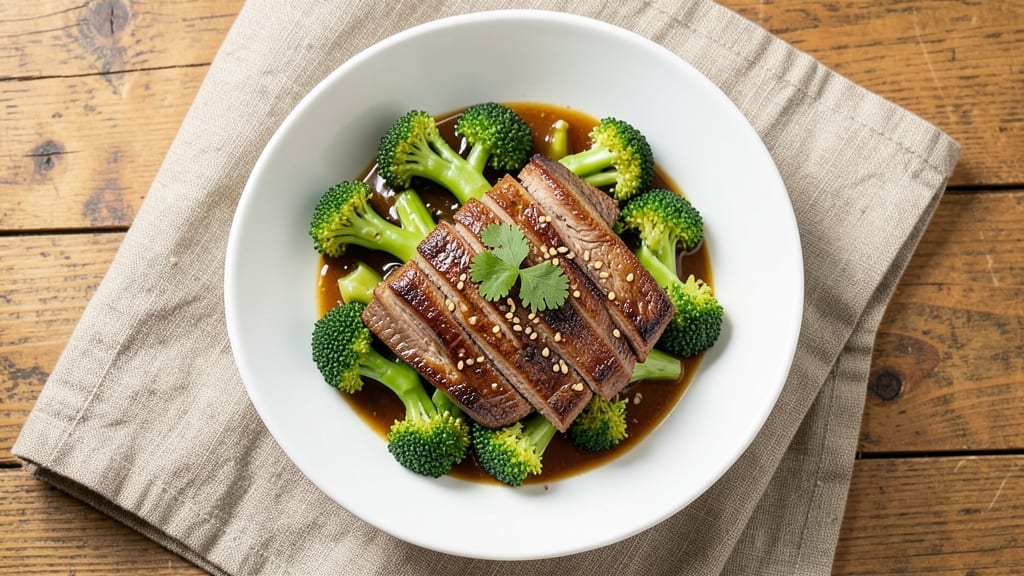
This beef and broccoli copycat recipe delivers the same wok-fried crunch and savory-sweet sauce you crave from your favorite Chinese restaurant. The secret lies in high-heat stir-frying and a homemade sauce that balances umami, sweetness, and tang—without the shortcuts that compromise flavor.
I've perfected this technique over years of testing, ensuring every bite delivers that signature restaurant-quality texture and depth.
What sets this recipe apart is the two-step cooking process: first searing the beef to develop a caramelized crust, then tossing it with crisp-tender broccoli in a screaming-hot wok.
The homemade sauce—made with just five key ingredients—binds everything together with a glossy finish that clings perfectly to the beef and vegetables. No artificial thickeners or processed sauces here, just pure, restaurant-style flavor in your own kitchen.
By the time you plate this dish, you'll have perfectly seared beef strips with a slight char, bright green broccoli florets that stay crisp, and a sauce so rich and balanced it tastes like it simmered for hours.
The aroma alone will have everyone gathering around the table, and the first bite delivers that satisfying crunch followed by layers of sweet, salty, and umami flavor. This is the kind of dish that transforms a simple weeknight dinner into something special.
Serve it over steamed jasmine rice or noodles to soak up every last bit of that delicious sauce. The technique is approachable, but the results are truly restaurant-quality—proof that you don't need takeout to enjoy this classic. Let's get cooking!
Ingredients for beef and broccoli copycat
Pantry staples, fresh aromatics, and one key cut of beef—this copycat delivers restaurant crunch without shortcuts.
| Ingredient | Amount | Notes |
|---|---|---|
| Flank Steak 🥩 | 1 ½ lb | Thinly sliced against grain |
| Broccoli Florets 🥦 | 3 cups | Fresh, cut into bite-sized pieces |
| Extra-Virgin Olive Oil 🫒 | 2 tbsp | High smoke point preferred |
| Sesame Oil 🫒 | 1 tbsp | For aroma, not cooking |
| Cornstarch 🌾 | 2 tbsp | For velveting beef |
| Soy Sauce 🍶 | ½ cup | Kosher salt reduced preferred |
| Oyster Sauce 🍶 | 3 tbsp | High-quality for umami depth |
| Honey 🍯 | 2 tbsp | Pure, not processed |
| Garlic Cloves 🧄 | 4 cloves | Minced for sauce |
| Fresh Ginger 🌿 | 1 tbsp | Finely grated, fresh preferred |
| Green Onions 🧅 | 3 whole | Sliced, white and green parts |
| Sesame Seeds 🌾 | 1 tbsp | Toasted for garnish |
| Diamond Crystal Kosher Salt 🧂 | ½ tsp | For seasoning |
| Black Pepper 🌶️ | ¼ tsp | Freshly cracked |
| Jasmine Rice 🍚 | 1 ½ cups | Uncooked, for serving |
The flank steak is non-negotiable here—thinly sliced against the grain for that signature tender yet chewy texture. Butcher shops often slice it for you, but if you're doing it yourself, freeze the meat 30 minutes first for cleaner slices. Costco sells pre-sliced flank steak in the frozen section, which is a lifesaver for weeknights. Fresh broccoli matters too—look for florets with tight buds and vibrant green stems. Trader Joe's usually has the best quality at a good price, but any fresh market will do. The sauce ingredients? Kikkoman soy sauce and Lee Kum Kee oyster sauce are my go-tos for that authentic umami punch, but any high-quality brands work.
No sesame oil? Toasted peanut oil works in a pinch, though it won’t have that same nutty aroma. Short on honey? Brown sugar dissolved in 1 tbsp water mimics the sweetness, though it won’t caramelize the same way. The cornstarch is crucial—it creates that signature velveting effect on the beef, so don’t skip it. If you’re gluten-sensitive, arrowroot powder works 1:1. Fresh ginger and garlic are ideal, but if you’re using dried, reduce to half the amount—dried spices pack more punch. The green onions add brightness, but scallions or chives work too if that’s what you’ve got. Pro tip: toast your sesame seeds in a dry pan for 30 seconds before using—they’ll be infinitely more flavorful.
This dish reheats beautifully—just toss with a splash of water and a quick stir in a hot wok or skillet. Keeps in the fridge for 3-4 days, though the sauce gets even better after a night in the fridge as flavors meld. For freezing, portion into airtight containers with a thin layer of sauce on top to prevent drying. Jasmine rice is the classic pairing, but steamed white rice or even udon noodles work too. The leftovers? Even better the next day—trust me on that. Double the sauce if you’re making extra, as it’s delicious on its own with rice.
Why You'll Love This Recipe
- No-Fuss Prep: I swear by the 15-minute marinade—just olive oil, sesame oil, and a pinch of salt on that flank steak. Slice it thin, toss it in, and let it sit while you steam the broccoli. Honestly, less effort than deciding what to eat.
- Umami Bomb: That crispy cornstarch coating on the beef? It’s the star. The sesame oil adds this nutty depth, and when you toss in the broccoli—still bright green—it’s like a flavor explosion in your mouth. (Yes, even on a Tuesday night.)
- Meal Prep Hero: Double the batch and store it in the fridge for up to 4 days. Reheat it with a splash of water to keep it tender, and boom—you’ve got lunch sorted. My daughter picks out the broccoli first, but still asks for seconds. Not the prettiest, but the taste makes up for it.
- Budget Win: Flank steak stretches further than you’d think when sliced thin, and broccoli’s one of those veggies that’s always affordable. I’ll be real: this recipe saved me $15 last month compared to takeout. Plus, the leftovers taste just as good cold in wraps the next day.
Step-by-step instructions for beef and broccoli copycat recipe
Here's how to recreate that signature wok-fried texture and rich sauce at home.
Prepare the Flank Steak for Velveting
Slice the 1.5 lb flank steak thinly against the grain into ¼-inch thick strips. This ensures tender bites. In a medium bowl, toss the steak strips with 2 tbsp cornstarch, 0.5 tsp diamond crystal kosher salt, and 0.25 tsp black pepper. Let it sit for 10 minutes while you prep the rest—this cornstarch coating creates that signature velvety texture when cooked properly.
Here's the thing—don't skip the resting time. The cornstarch needs a few minutes to adhere completely, or it'll clump during cooking. You'll know it's ready when the strips look evenly dusted and slightly shiny from the starch.
Cook the Jasmine Rice for Serving
While the steak marinates, rinse the 1.5 cups jasmine rice under cold water until the water runs clear. This removes excess starch that would make the rice gummy. Combine the rice with 2 cups water in a pot, bring to a boil, then reduce heat to low, cover, and simmer for 15 minutes. Turn off the heat and let it steam, covered, for another 10 minutes. This simple step ensures perfectly fluffy rice that won't compete with your star dish.
I always use a tight-fitting lid here—it traps steam and keeps the grains separate. If you peek too soon, you'll release steam and end up with unevenly cooked rice. The rice should be tender but still slightly firm when done.
Build the Signature Sauce
In a small saucepan, combine 0.5 cup soy sauce, 3 tbsp oyster sauce, 2 tbsp honey, 4 minced garlic cloves, and 1 tbsp finely grated fresh ginger. Bring to a gentle simmer over medium heat and cook for 5-7 minutes until slightly thickened. The sauce should reduce enough to coat the back of a spoon but still remain glossy. This reduction concentrates the flavors and creates that perfect balance of sweet, salty, and umami.
Real talk: Don't rush this step. The sauce needs time to meld—if you rush it, you'll end up with a watery, flavorless glaze. Taste as you go and adjust seasoning if needed, but the original measurements should be spot-on for authentic flavor.
Wok-Fry the Beef and Broccoli
Heat a wok or large skillet over high heat until smoking, then add 2 tbsp extra-virgin olive oil. Once hot, add the cornstarch-coated steak strips in a single layer. Let them sear undisturbed for 1-2 minutes until they develop a golden crust. Flip and cook another 1-2 minutes until just cooked through—145°F internal temperature—then remove and set aside.
In the same wok, add 3 cups broccoli florets and stir-fry for 2-3 minutes until bright green and just tender-crisp. Here's where it gets fun—return the beef to the wok along with the sauce you prepared earlier. Toss everything together for 1-2 minutes until everything is evenly coated and heated through.
Finish and Serve with Garnishes
Turn off the heat and stir in 1 tbsp sesame oil and 1 tbsp toasted sesame seeds. This adds that final aromatic punch and nutty crunch. Taste and adjust seasoning if needed—sometimes the soy sauce needs a touch more salt, or the honey could use a bit more sweetness.
Serve immediately over the jasmine rice, garnished with 3 sliced green onions. The dish should be vibrant—deep brown beef, bright green broccoli, and glossy sauce. Each bite should deliver that perfect contrast of tender beef, crisp broccoli, and rich, balanced sauce.
Pro Tips For Making Beef And Broccoli Copycat
- SEAR STEAK HOT: I learned this the hard way—flank steak needs a screaming-hot pan to develop that restaurant-worthy crust. Use a dry skillet (no oil yet) and wait until it’s smoking before adding the meat, or you’ll end up with sad, gray slices instead of caramelized perfection.
- SLICE AGAINST GRAIN: Flank steak is stubborn—cutting it with the grain turns it into chewy rubber. Thinly slice it against the grain (look for the muscle fibers and go perpendicular), and your beef will melt in your mouth. No, it won’t be pretty, but it’ll be worth it.
- BROCCOLI STEAMS FIRST: Tossing raw broccoli into a hot pan with beef? That’s how you end up with mushy florets. Blanch the broccoli in boiling salted water for 30 seconds first, then shock it in ice water—it’ll stay crisp and bright, not soggy.
- CORNSTARCH IS YOUR FRIEND: Skip the cornstarch, and your sauce will turn into a sad, watery glaze. Mix 1 tablespoon with 1 tablespoon water, then whisk it into the pan after the beef is cooked—let it bubble for 30 seconds, or it’ll clump like glue. (Yes, even if you’re impatient like me.)
Regional styles of this recipe
Hong Kong Style
In Hong Kong, beef and broccoli is often lighter and more herb-forward, with a focus on fresh ingredients and bright flavors. Use 1 tbsp Shaoxing wine in the sauce for depth, and add 1 tsp doubanjiang (spicy fermented bean paste) for subtle heat.
I like to serve this version with steamed egg noodles instead of rice, as it's more traditional in Hong Kong eateries. The key is keeping the broccoli extra crisp—Hong Kong chefs often blanch it first for 30 seconds in boiling water before stir-frying. 🌿
Taiwanese Crispy Version
Taiwanese beef and broccoli takes it up a notch with a crispier texture and a touch of sweetness. After stir-frying the beef, toss it with 1 tbsp potato starch instead of cornstarch for an extra-crunchy finish.
The sauce gets a boost from 1 tbsp hoisin sauce and ½ tsp white pepper, giving it a distinctively Taiwanese flavor profile. Serve it with butter-fried noodles for a dish that’s both satisfying and aromatic.
The Taiwanese version also often includes baby corn alongside the broccoli for added texture. 🍚
California Fusion Twist
For a West Coast take, swap the soy sauce for ½ cup coconut aminos and add 1 tbsp lime juice to the sauce for brightness. Include ½ cup sliced bell peppers and ½ cup snap peas for extra crunch.
Top with crumbled feta cheese and fresh cilantro for a fusion dish that’s both familiar and exciting. This version pairs beautifully with jasmine rice or quinoa. The lime juice adds a refreshing twist that cuts through the richness of the beef. 🌶️
Spicy Sichuan Adaptation
If you love heat, the Sichuan version is a must-try. Add 1 tbsp Sichuan chili crisp to the sauce and toss in 2 tbsp chopped Sichuan peppercorns with the beef for that signature numbing-spicy kick.
The sauce also gets a boost from 1 tsp douchi (fermented black beans) for extra umami. Serve this fiery version with steamed rice or hand-pulled noodles to balance the heat. The Sichuan peppercorns should be lightly toasted in the wok before adding the beef for maximum flavor. 🔥
Japanese Teriyaki-Inspired
For a lighter, more delicate version, replace the soy sauce with ½ cup teriyaki sauce and add 1 tbsp mirin to the sauce for sweetness. Use 1 tbsp honey instead of regular honey for a smoother finish. Garnish with toasted sesame seeds and thinly sliced scallions.
This version is perfect for those who prefer a milder, more balanced flavor profile. Serve it with steamed white rice or udon noodles for a dish that feels both comforting and elegant. 🍜
Nutrition facts
Frequently asked questions
Can I use flank steak substitutes like sirloin or ribeye?
Flank steak is ideal because of its lean texture and ability to slice thinly against the grain. For substitutes, sirloin works well but trim excess fat first. Ribeye is too fatty and marbled—it'll make the dish greasy. If using sirloin, slice it ⅛-inch thick and pat dry thoroughly before coating with cornstarch.
How do I prevent the broccoli from turning mushy?
Overcooking is the #1 culprit! Stir-fry broccoli for just 2-3 minutes over high heat until bright green and tender-crisp. Start with fresh florets—older broccoli releases more water. For extra insurance, blanch florets in boiling water for 30 seconds before stir-frying. Never crowd the wok—cook in batches if needed.
What's the secret to making the sauce glossy like restaurant versions?
The sauce needs proper reduction time (5-7 minutes) and a 1:1 ratio of soy to oyster sauce. For extra shine, whisk in 1 tsp cornstarch mixed with 1 tbsp water at the end. The key is medium heat—too high boils it dry, too low keeps it thin. A splash of sesame oil before serving also enhances the sheen.
Can I make this dish ahead of time?
Yes! Assemble everything except the final stir-fry, then refrigerate for up to 24 hours. Reheat in a wok over high heat with 1 tbsp oil for 3-4 minutes, adding a splash of water if needed. The sauce actually improves overnight as flavors meld. For best texture, serve immediately after reheating.
Why does my beef turn out chewy instead of tender?
Chewiness usually means one of three things: overcooking (beef should reach 145°F max), thick slices (must be ¼-inch or thinner), or skipping the cornstarch velveting. Always slice against the grain and cook beef in one layer without crowding. If using frozen steak, thaw completely first.