
Main Courses
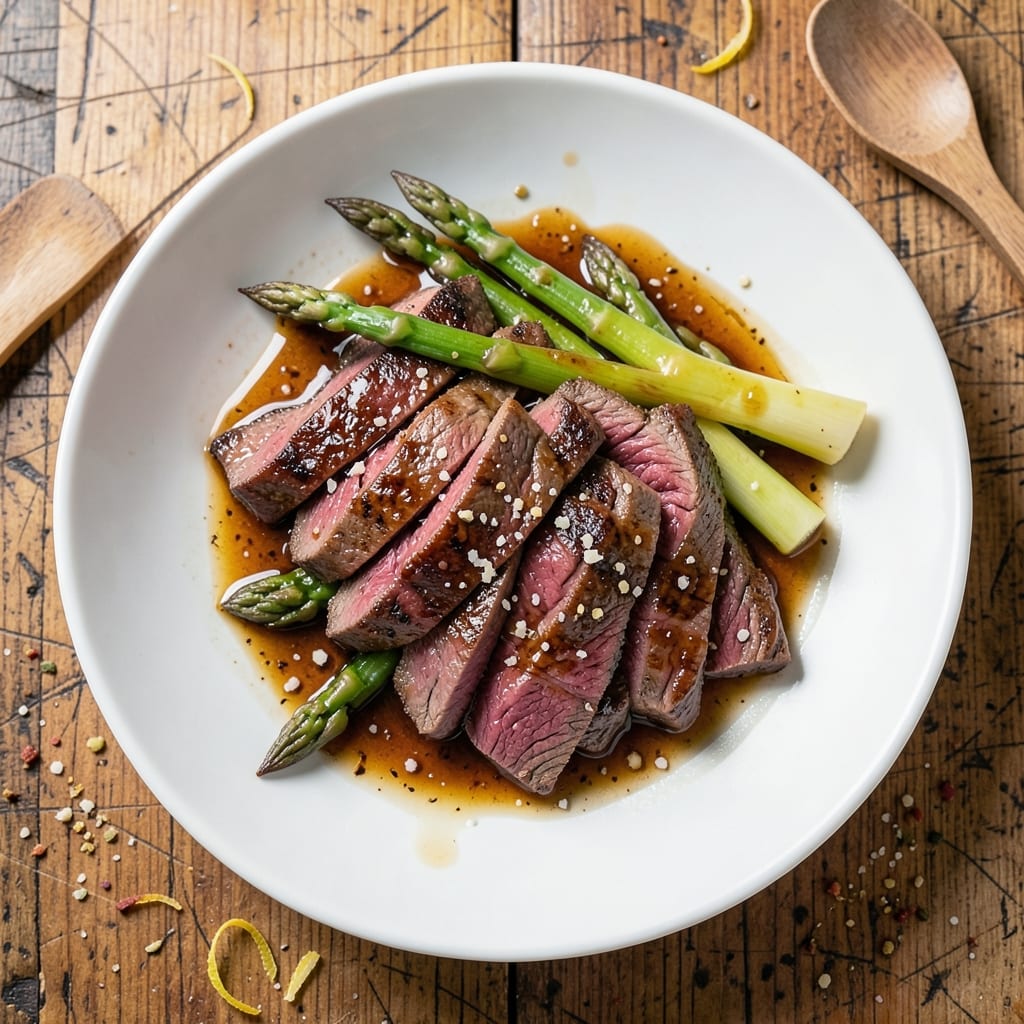
This beef and asparagus negimaki recipe delivers wok-seared crispy edges and perfectly silky beef centers in every bite. The secret lies in high-heat searing that caramelizes the beef while keeping the interior tender, paired with fresh asparagus that maintains its vibrant crunch. I've refined this technique over countless weeknight dinners to create a dish that balances restaurant-quality texture with home-cooking simplicity.
The foundation starts with thinly sliced beef that develops a beautiful mahogany crust when seared in a screaming-hot wok, while the asparagus gets just enough char to enhance its natural sweetness. Traditional negimaki techniques are adapted here for modern kitchens—no special equipment required beyond a good skillet and proper timing. The dish comes together in under 20 minutes, making it ideal for busy evenings when you still crave something special.
What you'll achieve is a plate of perfectly balanced bites where each component shines: tender beef with crisp edges, bright green asparagus spears, and a subtle umami depth from the seasoning. The high-heat method ensures maximum flavor extraction without drying out the beef, while the asparagus maintains its signature snap. This isn't just another stir-fry—it's a refined technique that transforms simple ingredients into an elegant yet approachable main course.
Serve over steamed jasmine rice or with a side of miso soup to complete the Japanese-inspired meal. The crispy edges contrast beautifully with the silky beef and fresh asparagus, creating a textural experience that keeps every bite exciting. Ready to master this technique? Let's get started with the ingredients and step-by-step instructions that follow.
Ingredients for beef and asparagus negimaki
Thinly sliced beef and crisp asparagus transform into restaurant-quality negimaki with these precise ingredients.
| Ingredient | Amount | Notes |
|---|---|---|
| Ribeye Steak 🥩 | 1 lb | Thinly sliced against grain |
| Asparagus Spears 🌱 | 1 lb | Medium thickness, trimmed |
| Soy Sauce 🍶 | ½ cup | Kosher or Diamond Crystal |
| Mirin 🍶 | 2 tbsp | Sweet rice wine |
| Sesame Oil 🫒 | 1 tbsp | Toasted sesame preferred |
| White Pepper 🌶️ | ½ tsp | Freshly ground preferred |
| Fresh Ginger 🌿 | 1 ½ tbsp | Finely grated, peeled |
| Garlic Cloves 🧄 | 4 cloves | Minced for marinade |
| Vegetable Oil 🫒 | ¼ cup | High smoke point preferred |
| Sesame Seeds 🌾 | 1 tbsp | Toasted for garnish |
| Kosher Salt 🧂 | ½ tsp | Fine grain preferred |
| Neutral Oil 🫒 | 1 tbsp | For finishing drizzle |
The ribeye selection is critical—look for well-marbled cuts with even fat distribution. Local butchers or high-end grocery stores like Whole Foods carry premium options. Slice against the grain for maximum tenderness, creating thin strips about 1/8-inch thick. Fresh asparagus should have tight tips and vibrant green color—Trader Joe's consistently carries excellent quality. The ginger and garlic should be aromatic and free of blemishes; Penzeys Spices offers excellent pre-peeled ginger if you prefer convenience. Store all ingredients properly: beef in the coldest part of your fridge, asparagus wrapped in damp paper towels, and aromatics in airtight containers.
No mirin? Substitute 1 tbsp sugar plus 1 tbsp dry sake for similar sweetness. For a lower-sodium option, reduce soy sauce to 1/3 cup and add 1 tsp fish sauce (ensure it's vegetarian if needed). The sesame oil can be swapped for toasted peanut oil, though the flavor profile differs slightly. If you can't find fresh ginger, substitute 1 tsp ground ginger, but fresh is superior. The vegetable oil should have a high smoke point—Avocado oil or grapeseed oil work exceptionally well for wok searing. For a gluten-free option, use tamari instead of soy sauce, though the flavor will be slightly different.
Prep the beef and asparagus just before cooking to maintain freshness. The marinade components should be mixed in a small bowl and stored in the refrigerator for up to 4 hours before use. Leftover negimaki reheats beautifully—store in an airtight container for 3 days in the fridge or freeze for 2 months. For best texture, reheat gently in a skillet over medium heat with a splash of water. The crispy edges are best enjoyed immediately, so plan to serve this dish fresh from the wok.
Why You'll Love This Recipe
- One-Pan Magic: I swear by this trick—just sear the ribeye and asparagus together, then toss them in the same pan with soy, mirin, and a drizzle of sesame oil. No extra bowls, no extra mess, and honestly? It feels like you’re feeding a restaurant-quality dish to your family without the fuss.
- Umami Bomb: That combo of ribeye’s richness and asparagus’s crisp bite? It’s like a flavor explosion in your mouth. The soy and mirin glaze caramelizes just enough to coat everything in a sticky, savory-sweet sauce—no fancy sauce needed, just pure, addictive flavor.
- Weeknight to Date Night: Between us, this recipe is my secret weapon. Toss it together for a Tuesday dinner (it’s ready in 25 minutes) or dress it up with a sprinkle of sesame seeds for a fancy dinner. Same effort, totally different vibes.
- Leftovers That Don’t Suck: Most beef dishes dry out or get boring after reheating, but not this one. The asparagus stays tender, the beef stays juicy, and the sauce keeps everything tasting fresh. I’ve had it cold in salads the next day—still delicious, I promise.
Step-by-step instructions for beef and asparagus negimaki
Master the wok-sear technique to achieve perfectly crispy edges while keeping the beef and asparagus silky inside.
Prepare the Marinade and Slice the Ingredients
In a small bowl, combine the 0.5 cup soy sauce, 2 tbsp mirin, 1 tbsp sesame oil, 0.5 tsp white pepper, 1.5 tbsp fresh ginger, and 4 cloves minced garlic cloves. Whisk until fully dissolved and set aside. For the ribeye, slice it thinly against the grain into ¼-inch thick strips—this ensures even cooking and maximum tenderness.
Trim the 1 lb asparagus spears by snapping off the woody ends at a natural break. Cut the spears into 2-inch lengths, keeping the tips intact for presentation. The marinade will infuse the beef with deep umami flavor while the sesame oil adds nutty complexity. Let the beef marinate for at least 15 minutes at room temperature before cooking—this guarantees even flavor penetration.
Wok-Sear the Beef for Crispy Edges
Heat a wok or large skillet over high heat until it's screaming hot. Add 0.25 cup vegetable oil and swirl to coat the bottom evenly. Working in batches if needed, add the marinated ribeye strips and stir-fry for 1-2 minutes until the edges develop a deep golden brown crust. The high heat is critical here—it creates the signature crispy texture while keeping the interior silky.
Remove the beef and set it aside on a plate. If the oil starts to smoke excessively, reduce the heat slightly but maintain a vigorous sear. The beef should release easily from the pan when it's ready to flip—this indicates proper doneness while preserving juiciness. Don't overcrowd the pan, or the beef will steam instead of sear.
Stir-Fry the Asparagus to Al Dente Perfection
In the same wok, add a bit more vegetable oil if needed and return it to high heat. Add the asparagus spears and stir-fry for 2-3 minutes until they turn bright green and develop a slight char on the edges. The asparagus should retain a bit of bite—overcooking will turn it mushy and ruin the dish's texture.
Season with the 0.5 tsp kosher salt and toss to coat evenly. The high heat ensures the asparagus stays crisp-tender while absorbing the residual flavors from the beef. If the asparagus starts to soften too quickly, reduce the heat slightly and continue cooking until just tender. Remove from heat and set aside with the beef.
Combine and Finish with Sesame Oil
Return the beef to the wok and add the asparagus. Drizzle with 1 tbsp neutral oil and toss everything together for 30 seconds to redistribute the flavors. The neutral oil adds a final glossy sheen and helps bind the ingredients. Sprinkle with 1 tbsp toasted sesame seeds and toss once more to ensure even distribution.
Taste and adjust seasoning if needed—you may need a touch more soy sauce or salt to balance the flavors. Serve immediately over steamed rice to soak up the delicious sauce. The contrast of crispy edges, silky beef, and tender asparagus makes this dish a standout for any occasion.
Pro Tips For Making Beef And Asparagus Negimaki
- Trim the Asparagus Right: Snap the woody ends by bending them—don’t cut. The break will be clean, and you’ll avoid those sad, stringy bits that ruin the texture. I used to waste time trimming them straight, but this takes seconds and keeps the spears crisp. ---
- Sear Steak First, Then Roll: Hit the ribeye with a quick sear (2-3 minutes per side) before wrapping it with asparagus—this locks in juices and builds flavor. I learned this the hard way: rolling raw steak makes the filling soggy, and no one wants a mushy negimaki. ---
- Use Cold Mirin, Not Hot: Stir the mirin and soy sauce into the sesame oil after cooking the asparagus, while everything’s still warm but not boiling. Hot liquid kills the mirin’s sweetness—it’ll taste flat and one-dimensional. Trust me, your taste buds will notice. ---
- Skip the Overcrowding Pan: Cook the asparagus in batches if needed—packing the pan steams them instead of searing. You want char, not sad, limp spears. A little patience here means the final dish looks and tastes like it came from a restaurant.
Storing and reheating your leftovers
Refrigerator Storage
Store your negimaki in an airtight container with a tight-fitting lid to preserve the crispy edges and prevent drying. I recommend glass containers like Pyrex—plastic can trap moisture and make the beef soggy. Keep it refrigerated for up to 3 days, though the texture starts degrading after 2 days. The asparagus will soften slightly, but the beef remains tender. Always let it cool completely before storing to prevent condensation buildup. 🌱
Freezer Preservation
For longer storage, freeze your negimaki in a single layer on a parchment-lined tray for 1 hour before transferring to a freezer bag. This prevents clumping. Label with the date—it stays good for 2 months. When reheating, thaw overnight in the fridge before gently warming in a skillet over medium-low heat with 1 tbsp water to restore moisture. Avoid microwaving, as it ruins the crispy edges. ❄️
Reheating for Crispy Edges
To revive the crispy texture, heat a nonstick skillet over medium-high heat with 1 tbsp neutral oil. Add the negimaki and stir-fry for 2-3 minutes until the beef develops a fresh golden crust. The asparagus will soften further, so serve immediately. For extra flavor, add ½ tsp soy sauce during reheating. This method mimics the original sear, making it taste almost as good as fresh. 🔥
Serving Leftovers
Negimaki reheats best as a bowl dish rather than a crispy stir-fry. Serve over steamed rice with a side of miso soup to balance the flavors. If the edges lose crispness, sprinkle with toasted sesame seeds and a drizzle of sesame oil to refresh the presentation. Garnish with sliced green onions for brightness. The dish works well for lunchboxes too—pack in small bento boxes with rice for a satisfying meal. 🍱
Texture Preservation Tips
The key to maintaining texture is minimal reheating time. For microwave reheating (not ideal), cover with a damp paper towel and heat on 50% power for 1 minute, then stir and repeat until warmed through. The beef will be softer, but the asparagus stays intact. For best results, always reheat in batches to avoid overcooking. A splash of water or broth helps restore moisture lost during storage. 💫
Garnish for Freshness
Before serving, brighten up leftovers with fresh garnishes. A sprinkle of toasted sesame seeds adds crunch, while thinly sliced scallions provide a fresh contrast. Drizzle with extra sesame oil for richness or a squeeze of yuzu juice for brightness. These finishing touches make reheated negimaki feel like a fresh preparation. Save these garnishes separately until serving to keep everything crisp. ✨
Nutrition facts
Frequently asked questions
Can I substitute other vegetables for asparagus in this recipe?
Broccoli florets or snap peas work beautifully—they should be cut into similar 2-inch pieces for even cooking. For a different texture, try shiitake mushrooms (sliced) or bell peppers (strips). Just adjust cooking time slightly—broccoli takes about 3-4 minutes to reach al dente perfection, while snap peas cook in just 2 minutes.
What's the best way to achieve crispy edges without drying out the beef?
The secret is high heat and thin slicing. Use a screaming-hot wok or skillet and work in small batches to avoid overcrowding. Slice the beef ¼-inch thick against the grain, marinate briefly (15 minutes max), and sear for only 1-2 minutes per batch. The edges will crisp while the center stays juicy.
Can I make this recipe ahead of time?
Yes, but with a few adjustments. Assemble the dish and refrigerate for up to 2 days in an airtight container. For best texture, reheat in a skillet over medium-high heat with 1 tbsp neutral oil for 2-3 minutes to restore crispy edges. Avoid microwaving—it makes the beef rubbery. Serve with fresh garnishes like sesame seeds to refresh the presentation.
What's the difference between negimaki and regular stir-fry?
Negimaki focuses on high-heat searing to create crispy edges while keeping ingredients tender inside. Traditional negimaki often uses vegetables rolled with meat, but this version keeps it simple with a flavorful wok-sear. The key difference is the technique: negimaki prioritizes texture contrast (crispy edges + silky centers) over quick cooking.
How do I know when the asparagus is perfectly cooked?
Look for bright green color with just a hint of char on the edges. The spears should be tender-crisp—they should bend slightly but still offer resistance when pierced with a fork. Overcooking turns them mushy (about 4+ minutes total). For best results, cook them last and remove immediately after they reach this stage.