
Soups & Stews
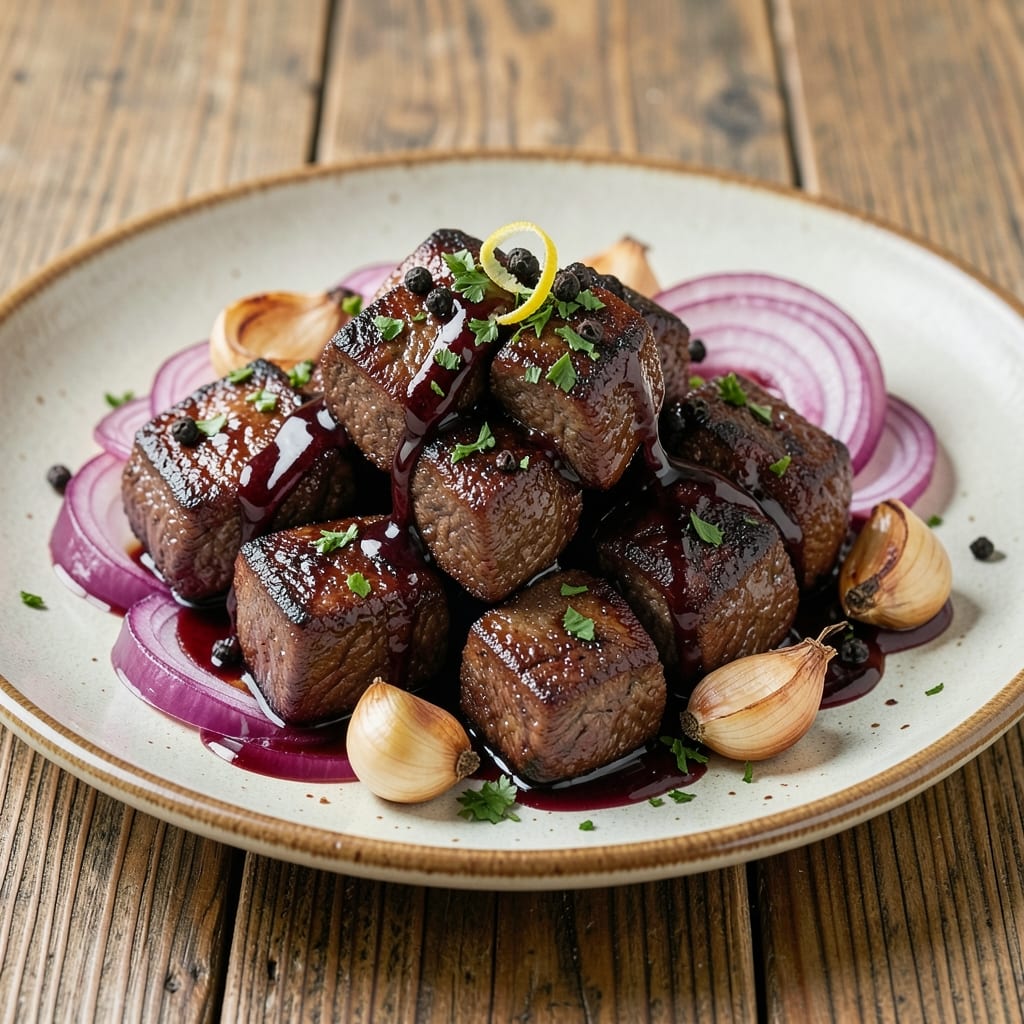
This beef alambre recipe delivers the rich, aromatic depth of Peru's most beloved braised beef—tender slices swimming in a velvety sauce infused with cinnamon, wine, and caramelized onions. The secret lies in slow cooking, where tough cuts transform into melt-in-your-mouth perfection, creating a dish that feels both rustic and refined. What makes this version stand out is the balance of spices and the way the sauce reduces to a glossy, flavorful finish that clings to every bite.
The process begins with marinating the beef in a blend of spices, garlic, and citrus, which tenderizes the meat and infuses it with layers of flavor. As it braises, the aromatics meld together, creating a sauce that's both complex and approachable. The caramelized onions add a touch of sweetness that rounds out the dish, while the cinnamon and cloves bring warmth and depth. This isn't just a stew—it's a celebration of slow-cooked comfort that transforms a simple meal into something extraordinary.
By the time you serve it, you'll have perfectly tender beef slices that fall apart with just a fork, all coated in a sauce that's rich, slightly tangy, and deeply aromatic. The texture is what truly sets this dish apart—creamy yet not heavy, with just the right amount of body to make every bite satisfying. It's the kind of meal that tastes even better the next day, as the flavors continue to develop and deepen.
Pair it with steamed white rice or crispy fried potatoes to soak up every last drop of that luscious sauce. For an extra touch of authenticity, serve with a side of ají amarillo or a sprinkle of fresh cilantro. This is beef alambre done right—rustic, flavorful, and impossible to resist.
Ingredients for beef alambre
Sixteen ingredients for a dish that tastes like a Peruvian family secret.
| Ingredient | Amount | Notes |
|---|---|---|
| Beef Chuck Roast 🥩 | 3 lb | Pre-cut into 1.5-inch cubes |
| Yellow Onions 🧅 | 2 whole | Thinly sliced, about 4 cups |
| Garlic Cloves 🧄 | 8 cloves | Minced, about 2 tbsp |
| Red Wine 🍷 | 1 ½ cups | Bold dry variety like Cabernet |
| Beef Broth 💧 | 2 cups | Low-sodium preferred |
| Tomato Paste 🍅 | 2 tbsp | Smooth, no sugar added |
| Ground Cinnamon 🌿 | 1 tsp | Freshly ground preferred |
| Ground Cloves 🌶️ | ½ tsp | Freshly ground for warmth |
| Bay Leaves 🌿 | 2 whole | Dried, standard size |
| Olive Oil 🫒 | ¼ cup | Extra-virgin for richness |
| Lemon Juice 🍋 | 2 tbsp | Freshly squeezed |
| Salt 🧂 | 1 ½ tsp | Kosher or sea salt |
| Black Pepper 🌶️ | 1 tsp | Freshly ground preferred |
| Fresh Cilantro 🌿 | ¼ cup | Chopped, for garnish |
The beef is non-negotiable—chuck roast gives you that melt-in-your-mouth texture after hours of braising. Costco or Whole Foods usually carry pre-cut cubes, which saves time, but if you're buying a whole roast, ask the butcher to cut it into 1.5-inch pieces. The onions? Yellow onions have the perfect balance of sweetness and sharpness—no red or white here. For the wine, any bold, dry red works—Cab Sauv, Merlot, whatever's open. The broth should be low-sodium unless you're adding extra salt later.
No red wine? Beef broth with a splash of balsamic gets you close, though the acidity won't be identical. Fresh garlic and cinnamon are ideal, but dried cloves at half the amount work in a pinch. The tomato paste can be the squeeze-tube kind from Trader Joe's—no waste, and it keeps forever. If your bay leaves are old, toast them briefly in a dry pan to wake up the flavor. The olive oil matters here—extra-virgin adds richness that regular olive oil can't match.
This braise tastes even better the next day, so make it ahead if you can. Store in an airtight container in the fridge for 4-5 days, or freeze for 3 months. I always double the batch—leftovers make amazing tacos or sandwiches. The sauce thickens as it sits, so add a splash of broth if it feels too heavy when reheating. Fresh cilantro wilts fast, so store it in a jar of water in the fridge like flowers.
Why You'll Love This Recipe
- One-Pot Wonder: I swear by this recipe when I’m too tired to dirty three pans. Sear the chuck roast, toss in onions and garlic, then let the red wine and broth do all the work while you sip your coffee—minimal chopping, zero fuss, and still restaurant-quality.
- Deep Wine Magic: That first sip of red wine simmering into the beef? Chef’s kiss. The acidity tenderizes the meat while cutting through the richness, leaving you with slices that practically melt in your mouth—no heavy cream needed, just pure, bold flavor.
- Leftover Goldmine: Between us, this dish actually tastes better the next day. Shred that chuck roast for tacos, sandwiches, or even a hearty soup—it’s my go-to for busy mornings when I need a no-thoughts-required meal.
- Budget Stretch: A chuck roast feeds my family of four for three meals without breaking the bank. Pair it with rice or crusty bread, and you’ve got a filling, satisfying dinner that still feels special—no fancy cuts required.
Step-by-step instructions for beef alambre
Here's how to create this rich, aromatic beef braise with tender meat and caramelized onions.
Sear the Beef for Maximum Flavor
Heat the 0.25 cup olive oil in a large Dutch oven over medium-high heat until shimmering. Working in batches, add the 3 lb beef chuck roast cut into 1.5-inch cubes and sear for 3-4 minutes per side until deeply browned. You want that beautiful crust - it's what builds the foundation for the sauce.
As you sear, season each piece generously with 1.5 tsp salt and 1 tsp black pepper. Don't overcrowd the pan or the temperature will drop. Transfer the browned beef to a plate and set aside. We'll rebuild that flavor when we add the aromatics.
Build the Aromatic Base
In the same Dutch oven, reduce heat to medium and add the 2 whole yellow onions sliced thin. Cook them for 10-12 minutes, stirring occasionally, until they turn deep golden brown and caramelized. This process takes patience - resist the urge to rush or they'll burn.
Once the onions are beautifully caramelized, add the 8 cloves garlic cloves minced and cook for 30 seconds until fragrant. Stir in the 2 tbsp tomato paste, 1 tsp ground cinnamon, and 0.5 tsp ground cloves, cooking for 1 minute to toast the spices. The spices should be aromatic but not burnt - you want that warm, earthy cinnamon flavor to shine through.
Deglaze and Simmer the Braise
Pour in the 1.5 cups red wine and scrape up all those delicious browned bits from the bottom of the pan. Let it simmer for 3-4 minutes until reduced by half. Then add the 2 cups beef broth and the 2 whole bay leaves, bringing everything to a gentle simmer.
Return the beef to the pot, along with any accumulated juices. The liquid should come about halfway up the beef cubes. Cover and simmer on low heat for 2-2.5 hours, until the beef is fork-tender. Here's the thing - you want to cook it low and slow so the meat becomes melt-in-your-mouth tender while staying juicy.
Finish and Garnish
Once the beef is tender, remove the bay leaves and stir in the 2 tbsp lemon juice. This brightens the rich flavors and cuts through the richness beautifully. Taste and adjust seasoning if needed - you might need a touch more salt to balance all the flavors.
Ladle the beef and sauce into bowls, garnishing each serving with 0.25 cup fresh cilantro chopped. The contrast of fresh cilantro against the rich beef and caramelized onions is what makes this dish truly special. Serve immediately with crusty bread to soak up every last drop of that delicious sauce.
Pro Tips For Making Beef Alambre
- SEAR THE ROAST FIRST: Don’t skip the initial sear—get that Chuck Roast screaming hot in a dry skillet for 3-4 minutes per side until deep brown. I learned this the hard way: rushing the sear means the wine and broth won’t cling to the meat like they should, and your sauce will taste flat instead of rich. (Yes, even if you’re impatient like me.)
- CHAR THE ONIONS LOW: Caramelize those onions at 275°F (135°C) for 45-60 minutes until jammy and dark—don’t rush. High heat burns them to ash, and you’ll end up with bitter bits instead of sweet depth. My grandmother swore by this, and she was right: patience here makes the whole dish sing.
- DEGLAZE WITH WINE IMMEDIATELY: As soon as you remove the roast, pour in that red wine right away while the pan’s still hot. Scrape every last bit of fond from the bottom—this is where flavor hides. I used to let the pan cool, and my sauce always tasted thin. (Your future self will thank you.)
- SKIP THE BROTH BOIL: Simmer the beef broth on low heat—never a rolling boil. Boiling turns it cloudy and dulls the flavor. Instead, let it bubble gently for 10-15 minutes, then reduce by half. Sounds weird, but it works: the sauce stays glossy and concentrated, not watery.
Common mistakes when making this dish
Skipping the Sear
Skipping the sear is the biggest rookie mistake I see—it's what builds that deep, caramelized crust that forms the flavor base for your sauce. When you skip searing, you lose that Maillard reaction magic that creates complex flavors. Use a large Dutch oven and work in batches if needed, but don't rush this step. The beef should be deeply browned on all sides before removing it. 🔥
Rushing the Caramelization
Caramelizing onions takes patience—don't rush this step or you'll end up with bitter, burnt onions instead of sweet, golden perfection. Cook them on medium heat for 10-12 minutes, stirring occasionally. If your onions start to brown too quickly, reduce the heat. The goal is deep golden brown, not black. Trust me, the extra time pays off in flavor.
Overcrowding the Pot
Adding all the beef at once drops the temperature too much, and you'll end up with steamed instead of seared meat. Work in batches—2-3 minutes per side—until you get a nice crust. If your pot is too crowded, the beef will release moisture instead of developing that flavorful crust. A large Dutch oven (like All-Clad) is perfect for this—it gives you enough space to sear properly.
Ignoring the Wine Reduction
Many cooks pour in the wine and broth without reducing it first, which dilutes the sauce's depth. Always simmer the wine for 3-4 minutes until it reduces by half—this concentrates the flavors and adds richness. If you skip this, your sauce will taste thin and watery. Pro tip: Use a bold dry red wine like Cabernet for the best results.
Undercooking the Beef
Beef alambre requires low-and-slow cooking—don't rush it! The beef should simmer for 2-2.5 hours until it's fork-tender. If you check it too early, you'll end up with tough, chewy meat. A meat thermometer helps—aim for 203°F internal temp. Patience here is key to that melt-in-your-mouth texture. ⏳
Neglecting the Resting Time
After braising, let the beef rest for 10-15 minutes before serving. This allows the juices to redistribute, keeping the meat juicy and tender. Skipping this step means you'll lose flavor and texture as the juices pool at the bottom. Trust the process—resting makes all the difference in the final result. 💫
Nutrition facts
Frequently asked questions
What cut of beef works best for this recipe?
Beef chuck roast is ideal because its connective tissue breaks down beautifully during slow cooking, creating that signature tender texture. If you can't find chuck, brisket or short ribs work well too. Avoid lean cuts like sirloin—they won't become as tender. For best results, ask your butcher to cut it into 1.5-inch cubes before cooking.
Can I substitute red wine with something else?
Yes! If you don't have red wine, use 2 cups beef broth plus 2 tablespoons balsamic vinegar for similar depth. For a non-alcoholic version, try 1.5 cups apple cider or grape juice. The key is acidity—it helps tenderize the meat and brighten the sauce. Just remember, the flavors won't be identical, but they'll still work in a pinch.
How do I know when the beef is fully tender?
Use the fork test: Gently pierce a piece of beef—if it slides apart easily with no resistance, it's ready. A meat thermometer is even better: aim for 203°F internal temperature. Overcooking can make the meat mushy, so check it at 2 hours and let it rest if needed. The sauce should coat the beef beautifully when done.
What are the best sides to serve with beef alambre?
Traditional pairings include steamed white rice, crispy fried potatoes, or aji amarillo sauce for dipping. For extra flavor, add toasted corn or a simple green salad with lime dressing. The rich, spiced beef pairs perfectly with anything that balances its depth—think crispy textures or bright, tangy elements to cut through the sauce.
Can I make this recipe in a slow cooker?
Sear the beef first in a skillet, then transfer everything (including caramelized onions and spices) to your slow cooker. Cook on low for 6-8 hours or high for 4-5 hours. The slow cooker's gentle heat will give you the same tender results. Just reduce the broth slightly at the end to thicken the sauce if needed—it tends to be saucier in a slow cooker.