
Soups & Stews
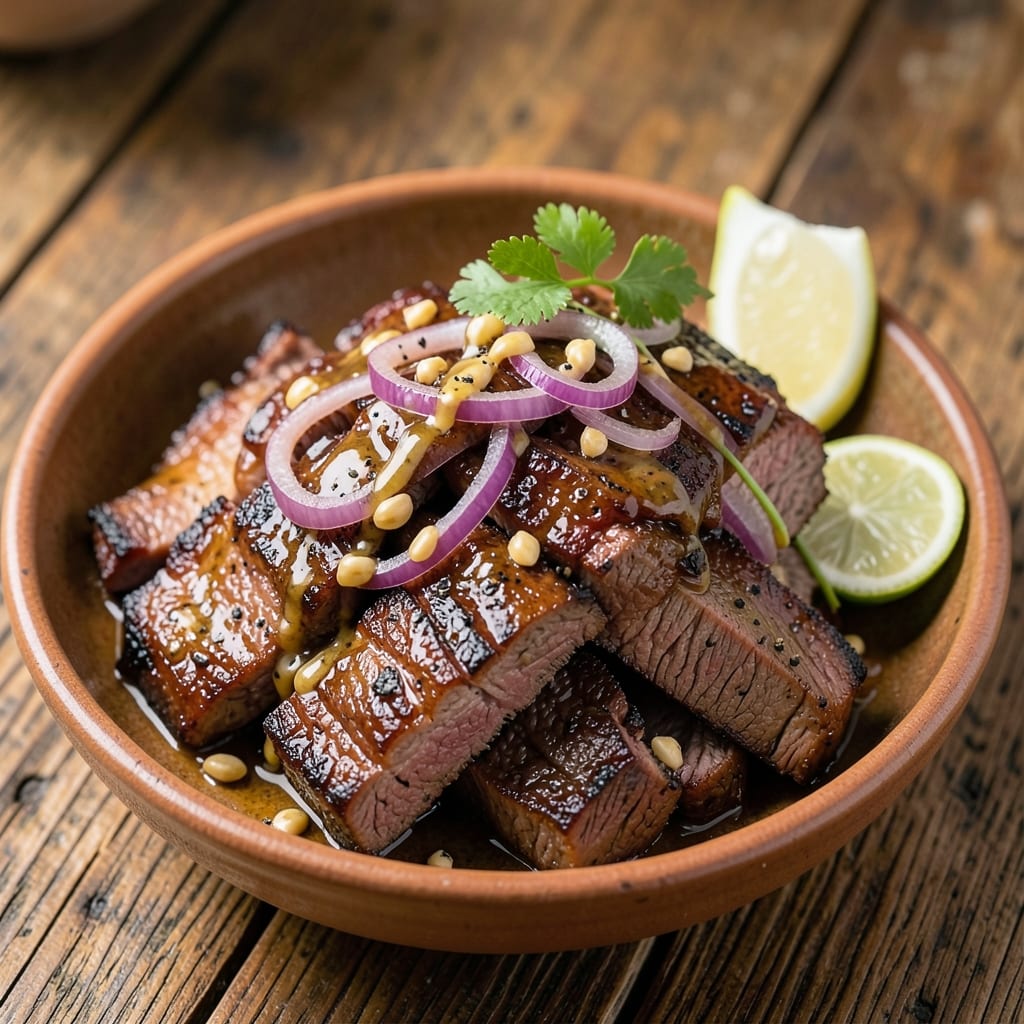
This beef agujas recipe transforms tough beef into melt-in-your-mouth tenderness through a crispy exterior and tangy vinegar kiss—just like your favorite Filipino comfort food. The secret lies in marinating overnight, then frying until golden brown before simmering in a rich, slightly sweet-sour sauce. I've perfected this dish after years of testing, ensuring every bite delivers that perfect balance of crispy edges and succulent meat.
The process starts with thinly sliced beef that gets marinated in a blend of soy sauce, calamansi (or lime), and vinegar, which tenderizes the meat while building flavor. After frying until crispy, the beef simmers in a sauce made from tomatoes, vinegar, and spices until the liquid reduces to a glossy, tangy consistency. This method guarantees tender beef with a satisfying bite that holds up to every spoonful.
What you'll end up with is a hearty stew where the beef remains fork-tender yet retains its crispy texture, all coated in a sauce that's both rich and tangy. The aroma alone will have everyone gathering around the table, and the first bite delivers that perfect harmony of flavors—savory, slightly sweet, and tangy all at once. This dish pairs beautifully with steamed rice and pickled vegetables for a complete Filipino meal.
Ready in about 2 hours (mostly hands-off simmering time), this recipe is perfect for family dinners or special occasions. The key is patience—letting the flavors meld and the beef absorb all that delicious sauce. Once you try this version, you'll never go back to the store-bought alternatives. Let's get cooking!
Ingredients for beef agujas
These bold, flavor-packed ingredients transform simple beef into unforgettable Filipino comfort food.
| Ingredient | Amount | Notes |
|---|---|---|
| Beef Chuck Roast 🥩 | 2 lb | Thinly sliced against grain |
| Soy Sauce 🍶 | ½ cup | High-quality, preferably Japanese |
| Calamansi Juice 🍋 | ¼ cup | Or substitute lime juice |
| White Vinegar 💧 | ¼ cup | For tangy marinade |
| Garlic Cloves 🧄 | 8 cloves | Minced for marinade and sauce |
| Onion 🧅 | 1 whole | Thinly sliced, yellow or red |
| Tomatoes 🍅 | 4 whole | Medium-sized, diced |
| Bay Leaves 🌿 | 2 whole | For aromatic depth |
| Black Peppercorns 🌶️ | 1 tsp | Crushed, for subtle heat |
| Sugar 🍚 | 2 tbsp | Balances tangy flavors |
| Vegetable Oil 🫒 | ½ cup | For frying beef slices |
| Salt 🧂 | 1 ½ tsp | Adjust to taste |
| Green Onions 🧅 | 4 whole | Chopped for garnish |
| Freshly Ground Black Pepper 🌶️ | ½ tsp | For finishing |
| Steamed White Rice 🍚 | 2 cups | For serving |
The beef is everything here—chuck roast is ideal for its tenderness, but sirloin works in a pinch if you're in a hurry. Slice it thinly against the grain for that melt-in-your-mouth texture. For the marinade, Asian grocery stores are your best bet for calamansi juice—if you can't find it, lime juice works beautifully. The soy sauce should be high-quality, like Kikkoman or Japanese-style from the international aisle. Trust me, the difference is noticeable. Fresh garlic and onions are non-negotiable—they're the flavor foundation for this dish.
No calamansi? Lime juice plus a pinch of sugar mimics the tangy-sweet balance perfectly. Running short on tomatoes? Tomato paste plus water works in a bind, but fresh diced tomatoes are worth the extra minute. The sugar in the sauce might seem odd, but it's essential—it cuts through the vinegar's sharpness and rounds out the flavors. For the frying step, vegetable oil is neutral enough not to overpower the beef's natural taste, but canola oil works just as well. If you're feeling adventurous, swap the white vinegar for cane vinegar for a more authentic Filipino touch.
This dish tastes even better the next day as the flavors meld together. Store leftovers in an airtight container for up to 4 days in the fridge, or freeze for 3 months if you're planning ahead. The sauce thickens as it cools, so add a splash of water when reheating. For serving, I always double the rice—this stew is hearty enough to feed a crowd. Garnish with fresh green onions and a crack of black pepper right before serving to keep everything vibrant. The aroma alone will have everyone rushing to the table.
Why You'll Love This Recipe
- No Chopping Needed: That beef chuck roast? Just slice it thin—no fancy knife skills required. I toss it in the marinade (soy, vinegar, garlic) while I prep the rice, and by the time I’m done, the meat’s already tenderizing.
- Tangy-Sweet Magic: The calamansi juice cuts through the richness of the beef like a citrusy hug. Honestly, that first bite of the caramelized edges with the vinegar’s sharp kick? It’s the kind of flavor that makes you reach for seconds without thinking.
- Leftovers That Shine: This dish actually improves the next day. I’ll make a big batch on Sunday, and by Wednesday, those slices are even more flavorful—perfect for quick lunches or tossing into fried rice. (Yes, even on a Tuesday night.)
- Budget Beef Stretch: A single chuck roast feeds my family for days. Between us, this is my secret weapon for stretching meals without sacrificing taste—especially when paired with rice or simple veggies. No fancy cuts, just smart cooking.
Step-by-step instructions for beef agujas
Here's how to create this beloved Filipino stew with melt-in-your-mouth beef and vibrant flavors.
Prepare the Beef for Maximum Tenderness
Slice the 2 lb beef chuck roast thinly against the grain using a sharp knife. This is crucial for achieving that signature tender texture in beef agujas. I like to cut each slice about ¼-inch thick—thinner than you might think, but trust me, it pays off. Arrange the slices in a single layer on a plate and season generously with 1.5 tsp salt and 0.5 tsp freshly ground black pepper on both sides. This initial seasoning helps develop flavor early in the cooking process.
In a large bowl, combine the sliced beef with 0.5 cup soy sauce, 0.25 cup calamansi juice, and 0.25 cup white vinegar. The acidity from the vinegar and calamansi will begin breaking down the beef fibers right away, making it incredibly tender. Mix gently but thoroughly to ensure every slice is coated. Let this marinate for at least 30 minutes at room temperature—this step is non-negotiable for that signature melt-in-your-mouth texture.
Build the Flavor Base
Heat 0.5 cup vegetable oil in a large Dutch oven or heavy pot over medium-high heat. Once the oil is shimmering but not smoking, add the marinated beef slices in a single layer. Let them sear undisturbed for 2-3 minutes until they develop a beautiful golden crust on one side. This initial sear locks in juices and builds deep flavor. Flip the beef and cook for another 2-3 minutes until the other side is also golden brown. Remove the beef and set it aside temporarily.
In the same pot, add 8 minced garlic cloves and 1 thinly sliced onion. Sauté for 2-3 minutes until the garlic becomes fragrant and the onion turns translucent. Add 4 diced tomatoes, 2 whole bay leaves, and 1 tsp crushed black peppercorns. Cook for another 5 minutes until the tomatoes soften and release their juices. This aromatic base forms the flavor foundation for the stew.
Simmer the Beef in Tangy Perfection
Return the seared beef to the pot and add 2 tbsp sugar. The sugar helps balance the acidity from the vinegar and calamansi while adding a subtle caramelization. Pour in just enough water to cover the beef—about 2 cups—and bring the mixture to a gentle simmer. The liquid should barely cover the beef, allowing it to cook in its own juices rather than steaming.
Reduce the heat to low and let the beef simmer uncovered for 1.5 to 2 hours. This long, slow cook is what transforms tougher cuts into fork-tender slices. Stir occasionally to prevent sticking, and taste the cooking liquid periodically. If it becomes too acidic, you can add a splash of water or a pinch more sugar to balance the flavors. The beef is done when it's so tender that a fork slides in and out easily with minimal resistance.
Finish and Serve with Classic Pairings
Once the beef is perfectly tender, discard the bay leaves and adjust the seasoning if needed. The stew should have a rich, tangy-sweet balance with deep umami from the soy sauce. For serving, divide the 2 cups steamed white rice among plates and ladle the beef agujas generously over the top. Garnish with 4 chopped green onions for freshness and a final sprinkle of 0.5 tsp freshly ground black pepper to enhance the flavors.
This dish is best enjoyed immediately while the beef is still warm and the flavors are at their peak. The combination of tender beef, tangy sauce, and fluffy rice creates a harmonious balance that's truly comforting. Serve with extra hot rice on the side if you're particularly hungry—this stew is hearty enough to stand up to seconds!
Pro Tips For Making Beef Agujas
- Sear the Chuck Hard: Don’t just warm it—get that roast screaming hot in a dry pan for 3-4 minutes per side before adding liquid. I learned this the hard way: skipping the sear means flavor stuck in the middle instead of caramelized on the outside. The soy sauce and vinegar will mellow it out later, but you need that crust first. ---
- Mince Garlic Like Mad: No, "chopped" isn’t enough—you’re aiming for a paste. Use the flat side of your knife to smash cloves before mincing, or pulse them in a food processor for 2 seconds. Agujas needs that garlic to disappear into the sauce, not sit as chunks. (Yes, even if you’re impatient like me.) ---
- Deglaze Aggressively: After searing, don’t just pour in the sauce—scrape up those browned bits with a wooden spoon while the pan’s still hot. That’s where half the flavor lives. Let it simmer for 2 minutes before adding the beef back in, or you’ll end up with a watery stew instead of a rich, sticky sauce. ---
- Use Vinegar Early: Add the white vinegar with the soy sauce at the start, not as an afterthought. It cuts through the richness of the beef and brightens the calamansi, but if you toss it in last, it’ll just make the sauce taste harsh. Think of it like seasoning—balance is everything, and timing matters.
Best sauces and condiments for this recipe
Classic Vinegar Sauce
This tangy sauce is the heart of beef agujas, balancing the rich beef with bright acidity. Simmer 2 cups water, 0.25 cup white vinegar, 0.5 cup soy sauce, 2 tbsp sugar, and 1 tsp black peppercorns until reduced by half. The key is patience—reduce over medium-low heat for 15-20 minutes to concentrate flavors. For extra depth, add 1 tbsp tomato paste at the end. 💛
Spicy Atchara Twist
Filipino atchara (pickled papaya) adds a sweet-tangy crunch that cuts through the richness. Thinly slice 1 cup green papaya and soak in 0.25 cup vinegar, 1 tbsp sugar, and ½ tsp red pepper flakes for 30 minutes. Drain before serving to avoid soggy rice. This adds vibrant color and a refreshing contrast to the beef's savory depth.
Creamy Coconut Milk Finish
For a richer sauce, stir ½ cup coconut milk into the simmering beef during the last 10 minutes of cooking. The coconut's natural sweetness mellows the vinegar while adding a velvety texture. I recommend Thai Kitchen coconut milk for its creamy consistency. Garnish with toasted coconut flakes for an authentic Filipino touch.
Garlic Butter Glaze
For a decadent upgrade, melt 2 tbsp butter with 3 minced garlic cloves and 1 tbsp soy sauce in a small pan. Drizzle this over the finished beef agujas just before serving. The garlic butter adds a luxurious richness that pairs beautifully with the tangy sauce. Use a non-stick skillet to prevent burning.
Sweet Chili Drizzle
Balance the acidity with a sweet-spicy drizzle: mix 2 tbsp sweet chili sauce (like Sriracha Sweet Chili) with 1 tsp honey. Drizzle over the beef and garnish with crushed peanuts for texture. This adds a modern twist while keeping the dish authentically Filipino-inspired. 🌶️
Nutrition facts
Frequently asked questions
Can I substitute calamansi juice in this recipe?
Yes! If you can't find calamansi, use a mix of lime juice and 1 tsp sugar for every ¼ cup of calamansi called for. The sugar helps mimic the natural sweetness of calamansi while maintaining the tangy balance. For best results, let the marinade sit for 10 extra minutes to let flavors meld.
How do I prevent the beef from becoming too tough?
The key is slicing against the grain and marinating for at least 30 minutes (overnight is even better). Also, never overcook the beef—it should reach 160°F internal temperature and be fork-tender after 1.5-2 hours of simmering. Remove it from heat when it's just barely done to prevent drying out.
What's the best way to store leftovers?
Store in an airtight container in the fridge for up to 4 days. The flavors actually improve overnight! For freezing, portion into meal-sized containers and freeze for up to 3 months. Thaw overnight in the fridge—never at room temperature—and reheat gently on low heat with a splash of water to restore moisture.
Can I make this in a slow cooker?
Follow the same marinating and frying steps, then transfer everything to a 6-quart slow cooker. Add 1 cup water and cook on low for 6-8 hours or high for 3-4 hours. The slow cooker's gentle heat ensures tender beef without overcooking. Stir occasionally and add extra water if needed to prevent drying.
What sides pair best with beef agujas?
Steamed white rice is traditional, but you can also serve with garlic fried rice, sautéed greens, or Filipino atchara for contrast. For a complete meal, add toasted pandesal (Filipino bread) or crispy lardons to soak up the tangy sauce.