
Soups & Stews
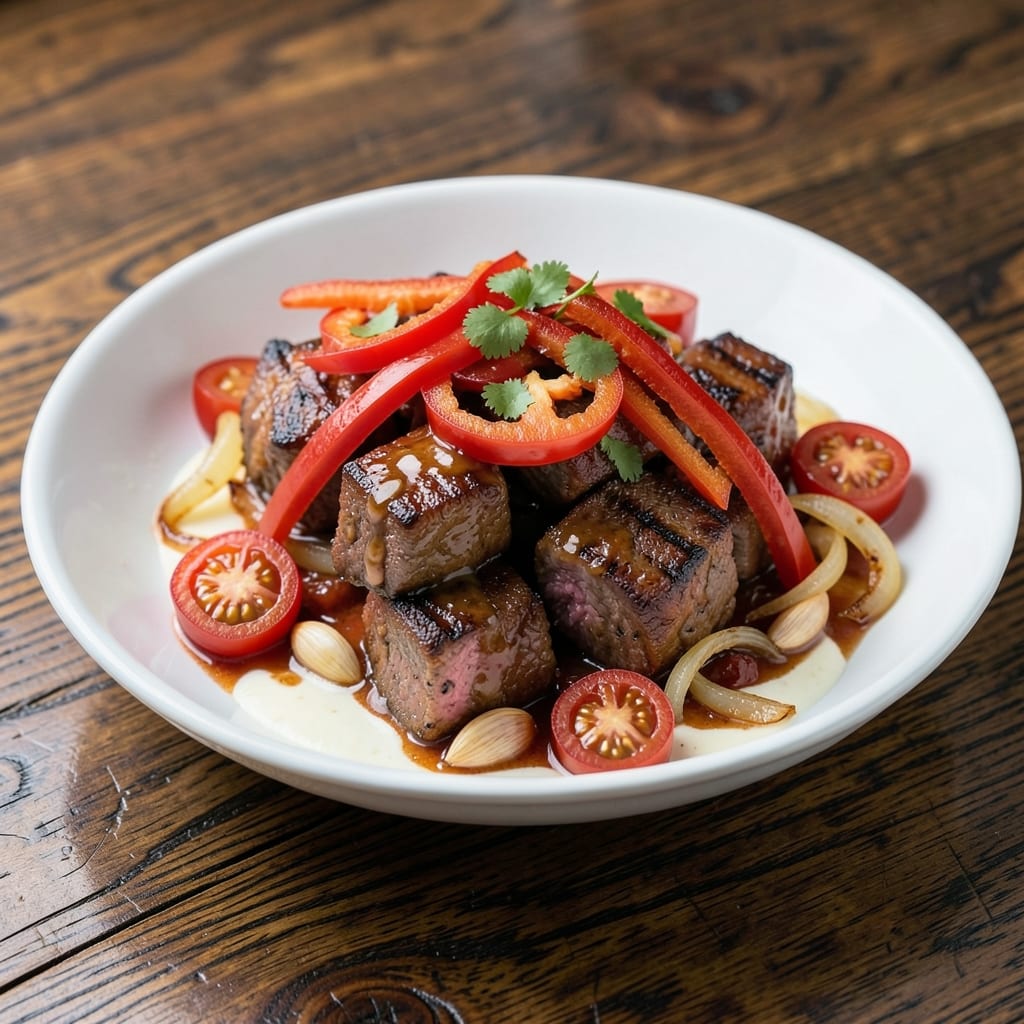
This Beef Afritada Panlasang Pinoy recipe delivers the comforting, tangy-sweet flavors of Filipino home cooking in every bite.
The secret lies in slow-braising tender beef with tomatoes, vinegar, and spices until fork-tender, then finishing with a rich, caramelized sauce that balances sweetness and acidity. Traditional Filipino techniques—like using bay leaves and garlic—build deep, aromatic layers that transform simple ingredients into something extraordinary.
What you'll end up with is melt-in-your-mouth beef, vibrant red peppers, and a sauce so flavorful it clings to every strand of steamed rice. This dish captures the heart of Filipino comfort food—warm, satisfying, and impossible to resist.
Perfect for family dinners or special occasions, this recipe brings the taste of home to your table with minimal effort. Let's get cooking!
Ingredients for beef afritada panlasang pinoy
Traditional Filipino flavors meet tender beef and vibrant peppers in this comforting coconut-tinged stew.
| Ingredient | Amount | Notes |
|---|---|---|
| Beef Chuck Roast 🥩 | 1 ½ lb | Cut into 1.5-inch cubes |
| Red Bell Peppers 🌶️ | 2 whole | Sliced into strips |
| Yellow Onions 🧅 | 2 whole | Thinly sliced |
| Garlic Cloves 🧄 | 6 cloves | Minced finely |
| Canned Tomatoes 🍅 | 14 ½ oz | San Marzano preferred |
| Coconut Milk 🥥 | 1 can (13.5 oz) | Full-fat for richness |
| White Vinegar 💧 | ¼ cup | For tangy balance |
| Tomato Paste 🍅 | 2 tbsp | For depth of flavor |
| Bay Leaves 🌿 | 2 whole | Dried, for aroma |
| Black Peppercorns 🌶️ | 1 tsp | Freshly cracked |
| Salt 🧂 | 1 ½ tsp | Diamond Crystal preferred |
| Olive Oil 🫒 | 2 tbsp | Extra-virgin for sautéing |
| Sugar 🍚 | 1 tbsp | Balances acidity |
| Green Bell Pepper 🌶️ | 1 whole | Sliced for freshness |
The beef selection is critical—chuck roast delivers that signature fork-tender texture after slow braising. Look for well-marbled cuts at your local butcher or Costco for bulk options. If using pre-cubed beef, ensure consistent 1.5-inch pieces for even cooking. For the bell peppers, farmers market varieties often have thicker flesh that holds up better during the long simmer. If you're short on time, frozen bell peppers work in a pinch, but fresh delivers that vibrant color and crisp texture. The coconut milk should be full-fat—anything less will compromise the dish's rich, velvety finish.
No San Marzano tomatoes? Crushed tomatoes in a 15-ounce can work perfectly fine, though they may have slightly different acidity. Substituting the coconut milk? Light coconut cream will give you a similar texture, though with slightly less richness. For a dairy-free option, cashew cream made from soaked cashews creates an excellent alternative. The white vinegar is non-negotiable for that classic Filipino tang—apple cider vinegar can substitute at the same amount, though the flavor profile will differ slightly. If you're avoiding sugar, honey or maple syrup can replace the tablespoon at a 1:1 ratio, though traditional recipes rely on this subtle sweetness to balance the acidity.
This stew only gets better with time—reheat gently on the stove with a splash of water or coconut milk to restore its silky texture. Store in an airtight container in the fridge for up to 5 days, though the flavors deepen after the first 24 hours. For longer storage, freeze portions for up to 3 months, though the texture may slightly alter upon thawing. The dish pairs beautifully with steamed jasmine rice, which soaks up every last drop of that flavorful sauce. Make a double batch—it disappears faster than you'd expect, especially when served with warm, crusty bread.
Why You'll Love This Recipe
- One-Pot Magic: I swear by this recipe when I’m too tired to wash extra dishes—just sear the beef, toss in the onions and peppers, then let the tomatoes and garlic work their sauce magic. The pot does all the heavy lifting while you sip coffee and pretend you’re not cooking.
- Garlic-Tomato Bomb: That first bite? The beef gets tender, the bell peppers add a sweet crunch, and the garlic-tomato sauce clings like a hug. Honestly, the canned tomatoes here aren’t just filling—they’re the secret to that rich, tangy depth that makes it taste homemade, even if you’re shortcutting.
- Lunchbox Hero: Between us, this is my go-to for meal prep. The beef stays juicy for days, and I just portion the sauce separately—dump it on rice, toss it in wraps, or serve it cold with bread. My kids (and my husband) fight over the leftovers, and I don’t even care.
- Budget Beef Boost: A single chuck roast stretches to feed five, and the rest of the ingredients? Basic pantry staples. I’ll be real: this recipe saved me from takeout nights when money was tight, and the flavor still felt like a splurge. Plus, the sauce freezes like a dream for those “I don’t wanna cook” days.
Step-by-step instructions for beef afritada panlasang Pinoy
A rich, aromatic coconut-tomato stew that transforms tough beef into tender, melt-in-your-mouth bites.
Sear the Beef for Deep Flavor
Heat the 2 tablespoons olive oil in a large Dutch oven over medium-high heat until shimmering. Working in batches to avoid crowding, add the 1.5 lb beef chuck roast cut into 1.5-inch cubes and sear for 3-4 minutes per side until deeply browned. This caramelization builds the foundation of flavor—don't skip it.
As the beef browns, you'll notice it releases juices that sizzle in the pan. Use a slotted spoon to transfer the seared beef to a plate, leaving the rich browned bits behind. These bits, called fond, will dissolve into the sauce later, creating depth. If the oil starts smoking, reduce the heat slightly to prevent burning.
Sauté Aromatics for Layered Complexity
In the same Dutch oven, add the 2 whole yellow onions sliced thinly and cook for 4-5 minutes until softened and translucent. Add the 2 whole red bell peppers and 1 whole green bell pepper, both sliced into strips, along with the 6 cloves garlic cloves minced finely. Stir frequently for 3-4 minutes until the peppers soften slightly and the garlic releases its aromatic oils.
Here's where the magic happens: the peppers should still retain some bite, not turn mushy. If they soften too quickly, reduce the heat to medium. The vibrant colors of the peppers will infuse the stew with both sweetness and a subtle crunch. Stir in the 2 tablespoons tomato paste and cook for another 1 minute to deepen the sauce's richness.
Build the Coconut-Tomato Base
Pour in the 14.5 oz canned tomatoes, breaking up any large chunks with a wooden spoon. Add the 1 can (13.5 oz) coconut milk, 0.25 cup white vinegar, 1 tablespoon sugar, 1.5 teaspoons salt, and 1 teaspoon black peppercorns. Stir well to combine, then add the 2 whole bay leaves. Bring the mixture to a gentle simmer over medium heat, stirring occasionally to prevent sticking.
Simmer uncovered for 10 minutes, allowing the liquid to reduce slightly and the flavors to meld. You'll notice the coconut milk separates slightly—this is normal and adds creaminess to the stew. The vinegar will mellow out as it cooks, balancing the sweetness of the tomatoes and peppers. This step develops the stew's signature tangy-sweet profile.
Braise the Beef Until Fork-Tender
Return the seared beef to the Dutch oven, along with any accumulated juices on the plate. Stir gently to coat the beef in the sauce. Cover the pot and reduce the heat to low, then simmer for 1 hour to 1 hour 15 minutes. The beef should cook until it's fork-tender, easily pierced with minimal resistance.
Check the beef after 45 minutes—if the sauce reduces too quickly, add 2-3 tablespoons water to maintain moisture. The key is patience; the longer the beef braises, the more it breaks down into tender, flavorful morsels. The coconut milk will create a velvety texture, while the tomatoes and vinegar keep the sauce bright and balanced.
Adjust and Serve with Confidence
Once the beef is tender, remove the bay leaves and discard them. Taste the stew and adjust the seasoning if needed—add more salt if it's bland or a splash of white vinegar if the sweetness overpowers. The stew should be rich, slightly tangy, and perfectly balanced.
Serve the beef afritada hot, ladled over steamed rice. The tender beef and vibrant peppers will soak up the creamy coconut-tomato sauce, creating a harmonious bite. For extra flavor, garnish with freshly chopped cilantro or a drizzle of coconut cream. This dish is even better the next day as the flavors deepen and the beef becomes even more tender.
Pro Tips For Making Beef Afritada Panlasang Pinoy
- SEAR THE BEEF FIRST: I learned this the hard way—skipping the sear means flavorless beef. Cook the chuck roast in 2-inch chunks over medium-high heat until deep brown (about 3-4 minutes per side) before adding any liquids. That crust locks in the meaty goodness and makes the whole dish taste richer.
- SLICE ONIONS THINLY: Thick onion rings? Nope. For authentic Pinoy afritada, slice your yellow onions paper-thin—almost translucent. They’ll soften quickly and blend into the sauce instead of sitting as chewy chunks. Use a sharp knife and work patiently; this is where the sweetness really shines.
- SIMMER LOW AND COVERED: After adding the tomatoes and broth, resist the urge to crank the heat. Let it bubble gently for the first 10 minutes, then drop to a low simmer with the lid on. This prevents the sauce from splitting and lets the beef tenderize without drying out—especially crucial for chuck roast, which needs time to break down.
- DEGLAZE WITH SOY SAUCE: Don’t just splash water after searing—grab that soy sauce (or a mix of soy and fish sauce) and scrape up every last bit of browned bits from the pan. This adds umami depth and cuts through the acidity of the tomatoes. Start with 2 tablespoons, then adjust to taste—your future self will notice the difference.
Regional styles of this recipe
Classic Filipino Style
This version stays true to its roots, using white vinegar for that signature tang and coconut milk for richness. The dish is traditionally cooked in a Dutch oven or heavy pot to develop deep flavors through slow simmering. I like to add bay leaves and black peppercorns for aromatic depth—these are non-negotiable in authentic recipes. The beef is seared first to create a fond that dissolves into the sauce, adding a caramelized layer of flavor. 🌿
Visayan-Inspired Twist
In the Visayas region, cooks often add saba bananas (cardaba bananas) or plantains to the stew for natural sweetness. Replace the 1 tablespoon sugar with ½ cup sliced saba banana and simmer until tender. This variation works especially well if you're using leaner cuts of beef, as the bananas add moisture and a subtle caramelized note. The result is a sweeter, fruitier profile that balances the tangy sauce beautifully.
Manila Urban Adaptation
For a more modern take, many Manila households incorporate potatoes or carrots into the stew. Add 1 cup diced potatoes and 1 cup sliced carrots with the peppers in Step 2. These root vegetables soak up the sauce while adding texture and heartiness. Some versions also include green beans for a touch of freshness—simmer them for just 5 minutes at the end to keep them crisp. This adaptation is perfect for larger gatherings where you need to stretch the dish further. 🍠
Bicolano Coconut-Forward
The Bicol region takes coconut milk to another level by using young coconut meat instead of canned milk. Blend 1 cup fresh young coconut meat with ½ cup water for a lighter, more delicate texture. This version also often includes shrimp paste (bagoong) for umami depth—use 1 teaspoon and toast it lightly in the oil before adding the onions. The result is a creamier, more complex stew with a distinct Bicolano character. For a vegetarian option, swap the beef for extra-firm tofu pressed and cubed.
Modern Fusion Approach
For a contemporary twist, I like to add mushrooms (like shiitake or cremini) for earthiness and a splash of soy sauce (about 1 tablespoon) to deepen the umami. Some fusion versions even incorporate chocolate—yes, chocolate! Add ½ cup dark chocolate chunks with the tomatoes to create a sweet-savory balance. This works surprisingly well with the tangy vinegar and coconut. Garnish with cilantro and lime wedges for a fresh finish that bridges Filipino and global flavors.
Nutrition facts
Frequently asked questions
Can I substitute the beef chuck roast with another cut?
Yes, but choose cuts with similar fat content for tenderness. Chuck eye steak or short ribs work well—just cut them into 1.5-inch cubes and sear thoroughly. Avoid lean cuts like sirloin, as they won't become as tender during the 1-hour braise. For extra richness, try beef shank, which actually benefits from longer cooking.
Why does my sauce look too thin after simmering?
This usually happens if the sauce reduces too quickly. Simmer uncovered for the full 10 minutes before adding the beef back, and reduce heat to low during braising. If needed, add 2-3 tablespoons tomato paste or 1 tablespoon cornstarch mixed with water to thicken. The coconut milk should separate slightly—this is normal and adds creaminess!
Can I make this dish in an Instant Pot or slow cooker?
For the Instant Pot, sear the beef first, then add all ingredients and cook on high pressure for 30 minutes, followed by a 10-minute natural release. In a slow cooker, combine everything after searing and cook on low for 6-7 hours or high for 3-4 hours. The slow cooker version will be even more tender, but the Instant Pot version saves time while keeping flavors intact.
What’s the best way to reheat leftover beef afritada?
Gently reheat on the stovetop over medium-low heat with a splash of water or coconut milk to restore moisture. Avoid microwaving, as it can make the sauce watery. For extra flavor, add a pinch of salt or a squeeze of calamansi/lime juice. Leftovers actually taste better the next day as the flavors deepen!
Is there a vegetarian version of this dish?
Yes! Replace the beef with extra-firm tofu pressed and cubed, or mushrooms (portobello or king oyster) for meaty texture. For umami, add 1 tablespoon soy sauce and 1 teaspoon miso paste with the aromatics. The coconut-tomato sauce will still shine, though the texture will be softer. Garnish with fresh herbs for brightness.