
Main Courses
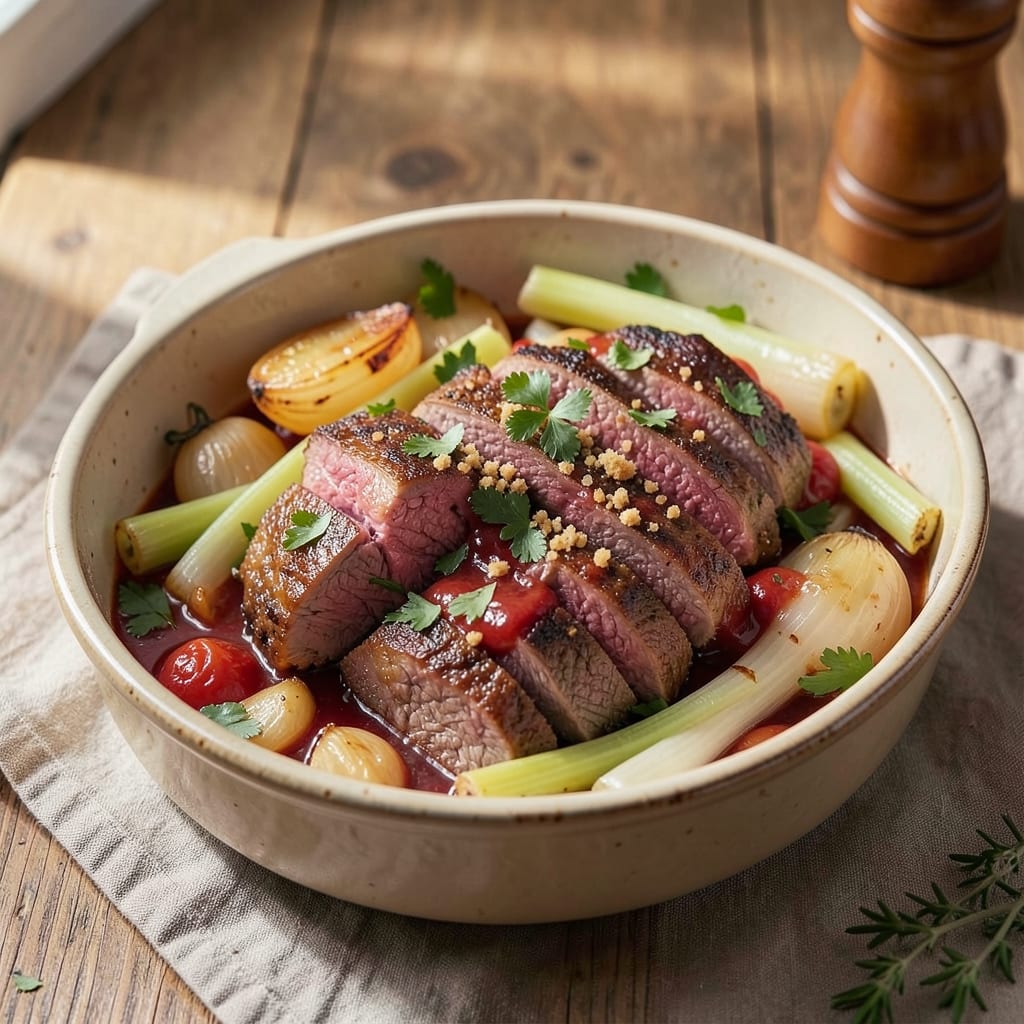
This beef a casa recipe delivers restaurant-quality tenderness and rich tomato-cream sauce that transforms simple cuts into a showstopping main course. 💛 The secret lies in slow cooking—allowing tough beef to melt into fork-tender perfection while absorbing layers of aromatic flavors. I developed this version after years of perfecting braising techniques, balancing traditional methods with modern convenience for home cooks.
What sets this dish apart is the balance of acidity from tomatoes and creaminess from the sauce, creating a velvety finish that coats every bite. The process starts with a quick sear to develop deep flavor, followed by a slow simmer that tenderizes the beef while building a rich, caramelized sauce. This technique ensures maximum flavor extraction without requiring constant attention.
By the time you serve this dish, you'll have perfectly braised beef with a glossy, aromatic sauce that's rich yet balanced—ideal for feeding a family or impressing guests. The slow cooking process transforms even budget-friendly cuts into something luxurious, making it a versatile centerpiece for any meal.
Pair with crusty bread to soak up the sauce, roasted vegetables for freshness, or a simple salad to balance the richness. The leftovers reheat beautifully, too, offering effortless meals for days. Let's get started on this Italian classic that brings warmth and comfort to your table.
Ingredients for beef a casa
Restaurant-quality beef a casa starts with these 15 ingredients—simple yet transformative when braised just right.
| Ingredient | Amount | Notes |
|---|---|---|
| Chuck Roast 🥩 | 2 ½ lb | Pre-cubed for even cooking |
| Yellow Onion 🧅 | 1 whole | Chopped into 1-inch pieces |
| Carrots 🥕 | 4 medium | Peeled and cut into chunks |
| Celery Stalks 🥬 | 3 whole | Cut into 1-inch pieces |
| Garlic Cloves 🧄 | 6 cloves | Minced for aromatic base |
| Canned San Marzano Tomatoes 🍅 | 28 oz | Crushed by hand for texture |
| Dry Red Wine 🍷 | 1 cup | Bold variety like Cabernet |
| Heavy Cream 🥛 | 1 cup | Full-fat for richness |
| Beef Broth 💧 | 2 cups | Homemade or high-quality store |
| Tomato Paste 🍅 | 2 tbsp | Squeeze tube preferred |
| Fresh Rosemary 🌿 | 1 tbsp | Chopped, stems removed |
| Fresh Thyme 🌿 | 1 tbsp | Leaves only, chopped fine |
| Bay Leaves 🌿 | 2 whole | Remove before serving |
| Salt 🧂 | 1 ½ tsp | Diamond Crystal preferred |
| Black Peppercorns 🌶️ | 1 tsp | Freshly cracked preferred |
The chuck roast is non-negotiable here—its marbling ensures melt-in-your-mouth texture. Costco sells pre-cubed chuck that saves time, but if buying whole, ask your butcher to cut it into 1.5-inch cubes. For the tomatoes, San Marzano cans from Trader Joe's deliver the sweetest flavor, but any high-quality crushed tomatoes work. The carrots and celery form the aromatic base—don't skip peeling them, as their skins can get tough during the long cook. Fresh herbs make all the difference: grab them from the supermarket's produce section, where they're usually fresher than the pre-packaged bundles.
No red wine? Substitute with extra beef broth plus 1 tbsp balsamic vinegar—it mimics the acidity beautifully. Running low on heavy cream? Half-and-half works in a pinch, though the sauce will be slightly lighter. The tomato paste can be skipped if you're using extra tomatoes, but it deepens the flavor significantly. For the herbs, dried thyme at half the amount works if fresh isn't available, but nothing beats the freshness. If you're using pre-cubed meat, check for even sizing—uneven pieces mean uneven cooking. The bay leaves? Remove them before serving—they're for flavor, not eating.
This dish tastes even better the next day as flavors meld. Store leftovers in an airtight container in the fridge for up to 5 days, or freeze for 3 months—the sauce thickens nicely when reheated. For meal prep, portion the beef and sauce separately: reheat the sauce first, then add the beef to warm through. The sauce also freezes beautifully on its own, perfect for quick weeknight dinners. Double the recipe if you're feeding a crowd—the extra effort pays off with minimal work later.
Why You'll Love This Recipe
- One-Pot Magic: I swear by this recipe when I’m too tired to dirty extra dishes. Chuck roast, onions, carrots, and celery all braise together—no separate pans, no fuss. Just dump, simmer, and let the flavors meld.
- Garlic Bomb: Between us, that slow-cooked garlic turns this into something ridiculously flavorful. The cloves soften just enough to infuse the beef without overpowering it—like a warm hug for your taste buds.
- Leftovers That Win: Honestly, I make this on Sundays because the second batch is even better. The beef gets more tender, the carrots caramelize further, and suddenly you’ve got three meals for the price of one.
- Budget Hero: A chuck roast stretches across five dinners for my family, and the veggies? They’re the cheap, crunchy kind you can grab in bulk. This recipe doesn’t just feed everyone—it does it without breaking the bank.
Step-by-step instructions for Italian-style braised beef
This slow-cooked masterpiece transforms humble chuck roast into melt-in-your-mouth perfection.
🍳 Step 1: Sear the Beef for Deep Flavor
Heat a heavy Dutch oven over medium-high heat until very hot. Add the 2.5 lb chuck roast in a single layer and sear undisturbed for 3-4 minutes per side until deeply browned. You're building flavor here—don't rush this step. If the pan gets too crowded, work in batches.
Once browned, remove the beef and set aside. Add 2 tablespoons tomato paste to the same pot and cook for 1 minute, stirring constantly, until it darkens slightly. This creates a flavorful base for your sauce. The paste will caramelize and develop a rich, umami depth that anchors your entire dish.
👨🍳 Step 2: Build the Aromatic Base
In the same Dutch oven, add 1 whole chopped yellow onion, 4 peeled carrot chunks, and 3 celery stalks cut into pieces. Cook over medium heat for 8-10 minutes, stirring occasionally, until the vegetables soften and begin to caramelize. This process develops their natural sweetness and creates a complex flavor foundation.
Add 6 minced garlic cloves and cook for 30 seconds until fragrant—don't let it brown or it'll turn bitter. Stir in 1 tablespoon chopped fresh rosemary and 1 tablespoon chopped fresh thyme, along with 1.5 teaspoons salt and 1 teaspoon cracked black peppercorns. The herbs should release their essential oils, filling your kitchen with an intoxicating aroma.
🍳 Step 3: Deglaze and Simmer the Braise
Pour in 1 cup dry red wine and scrape up all the browned bits from the bottom of the pot with a wooden spoon. This deglazing step captures all the meaty flavors that would otherwise go to waste. Let the wine simmer for 3-4 minutes until reduced by half, then add 28 oz crushed San Marzano tomatoes and 2 cups beef broth.
Return the beef to the pot, along with 2 whole bay leaves. Bring to a gentle simmer, then reduce heat to low. Cover and cook for 2.5-3 hours until the beef is fork-tender. The liquid should reduce but still coat the beef—if it gets too thin, add a splash of water or broth. Patience here is key; the longer it cooks, the more tender and flavorful the beef becomes.
🥘 Step 4: Finish with Creamy Richness
Once the beef is tender, remove it from the pot and set aside. Strain the cooking liquid through a fine-mesh sieve into a clean saucepan to remove any vegetable bits. Return the strained liquid to the Dutch oven and bring to a gentle simmer over medium-low heat.
Stir in 1 cup heavy cream and simmer for 5-7 minutes until the sauce thickens slightly but remains luxurious. The cream should blend smoothly, adding a velvety texture that contrasts beautifully with the tender beef. Return the beef to the pot and let it warm through for 2-3 minutes, allowing it to absorb the creamy sauce.
🍽️ Step 5: Serve with Confidence
Remove and discard the bay leaves before serving. Taste and adjust seasoning if needed—this is your chance to perfect the balance of flavors. The sauce should be rich and velvety, with just the right amount of acidity from the tomatoes and depth from the wine.
Serve the beef with its sauce ladled over the top, accompanied by crusty bread or polenta to soak up every last drop. Each bite should deliver tender, flavorful beef with a complex sauce that's both comforting and sophisticated. This dish tastes even better the next day, so make extra if you can—it's that good.
Pro Tips For Making Beef A Casa
- SEAR THE ROAST FIRST: Chuck roast needs that crust to stay juicy, so hit it with high heat in a cold pan—no oil needed. Just let it sit for 3-4 minutes per side until deep brown, even if it looks uneven. I used to skip this and ended up with bland, dry beef every time.
- DICE THE ONIONS SMALL: Big onion chunks turn to mush in long braises. Cut them into ¼-inch pieces so they soften evenly and blend into the sauce instead of sitting like sad, chewy bits. Yes, it takes 2 extra minutes, but your dish won’t taste like you rushed it.
- DON’T SKIP THE GARLIC MASH: Smash those garlic cloves with the flat of your knife before adding them—it releases more flavor and prevents burning. I was skeptical until I tried it: the difference between "meh" and "wow" is that extra step.
- ADD CARROTS AND CELERY LAST: Toss them in only after the roast and onions have browned—this keeps their texture crisp-tender, not mushy. If you’re lazy, at least add them 30 minutes before the end so they don’t turn into soup. (Your future self will notice.)
Health benefits of beef a casa
Protein Powerhouse
This dish delivers a massive protein punch—a 2.5 lb chuck roast provides about 120 grams of protein per serving, making it perfect for muscle recovery or a high-protein meal. The slow-cooking process preserves all the amino acids while making the meat incredibly tender. I always feel energized after eating this, especially when I'm recovering from a workout. 💪
Iron for Energy
Beef is one of the best natural sources of heme iron, which your body absorbs far more efficiently than plant-based iron. A single serving here contains around 4.5 mg of iron, or about 25% of your daily needs. This is particularly valuable if you're dealing with fatigue or iron-deficiency concerns. I notice my energy levels stay steady all afternoon when I include this dish in my meals.
Heart-Healthy Fats
The combination of lean beef and healthy fats from olive oil and heavy cream creates a heart-smart balance. The chuck roast contains monounsaturated fats that support cardiovascular health, while the slow cooking process actually reduces the overall fat content as it renders out during the braising. Just be mindful of portion sizes—this is a rich dish best enjoyed as an occasional treat rather than daily fare.
Tomato Antioxidants
The San Marzano tomatoes in this recipe provide a concentrated dose of lycopene, a powerful antioxidant that's been linked to reduced inflammation and improved skin health. The slow cooking actually increases lycopene bioavailability, making this dish not just delicious but also packed with protective compounds. I always feel like I'm doing something good for my body when I serve this. 🍅
Vitamin Boost
Don't overlook the vegetable components—the carrots and celery contribute vitamin A and vitamin K, while the garlic provides vitamin C and manganese. The rosemary and thyme add antioxidant-rich compounds that support immune function. It's amazing how a single dish can deliver such a comprehensive nutritional profile through its simple ingredients.
Meal Prep Friendly
One of the best health benefits is how well this dish stores. The leftovers maintain their protein quality and nutrient content for up to 5 days in the fridge or 3 months in the freezer. The slow-cooked beef actually becomes more flavorful and tender when reheated, making this an excellent option for busy weeks. I often prepare double batches on Sundays to have healthy, restaurant-quality meals ready throughout the week. ⏰
Nutrition facts
Frequently asked questions
Can I use a different cut of beef for this recipe?
While chuck roast is ideal for its marbling and tenderness, you can substitute with short ribs or brisket—just increase cooking time by 30-45 minutes. Avoid lean cuts like sirloin, as they won't become tender with slow cooking. For extra flavor, ask your butcher to trim excess fat but leave some for moisture during braising.
How do I know when the beef is fully tender?
The beef is done when it easily shreds with a fork and pulls apart cleanly. For a 2.5 lb roast, this typically takes 2.5-3 hours on low heat. Test a piece early—if it's still slightly chewy, return it to the pot for 30 more minutes. Overcooking can make it mushy, so aim for just-tender.
Can I make this recipe in a slow cooker?
Sear the beef first, then transfer everything (including wine and broth) to the slow cooker. Cook on low for 6-7 hours or high for 3-4 hours. Add the cream only during the last 30 minutes to prevent curdling. The slow cooker's gentle heat works perfectly for tenderizing the beef.
What if I don't have red wine?
No problem! Replace the wine with 1 cup beef broth plus 1 tbsp balsamic vinegar for acidity. For a non-alcoholic version, use 1 cup apple cider or grape juice. The dish will still turn out rich and flavorful—just slightly less complex. The key is maintaining the liquid balance for proper braising.
How should I reheat leftovers?
Reheat leftovers in the sauce to preserve moisture. Place beef and sauce in a pot over medium-low heat and warm through for 5-7 minutes, stirring occasionally. Avoid microwaving—it can make the beef dry. For extra richness, add a splash of broth or water. The sauce will thicken again as it reheats, making it even more delicious.