
Main Courses
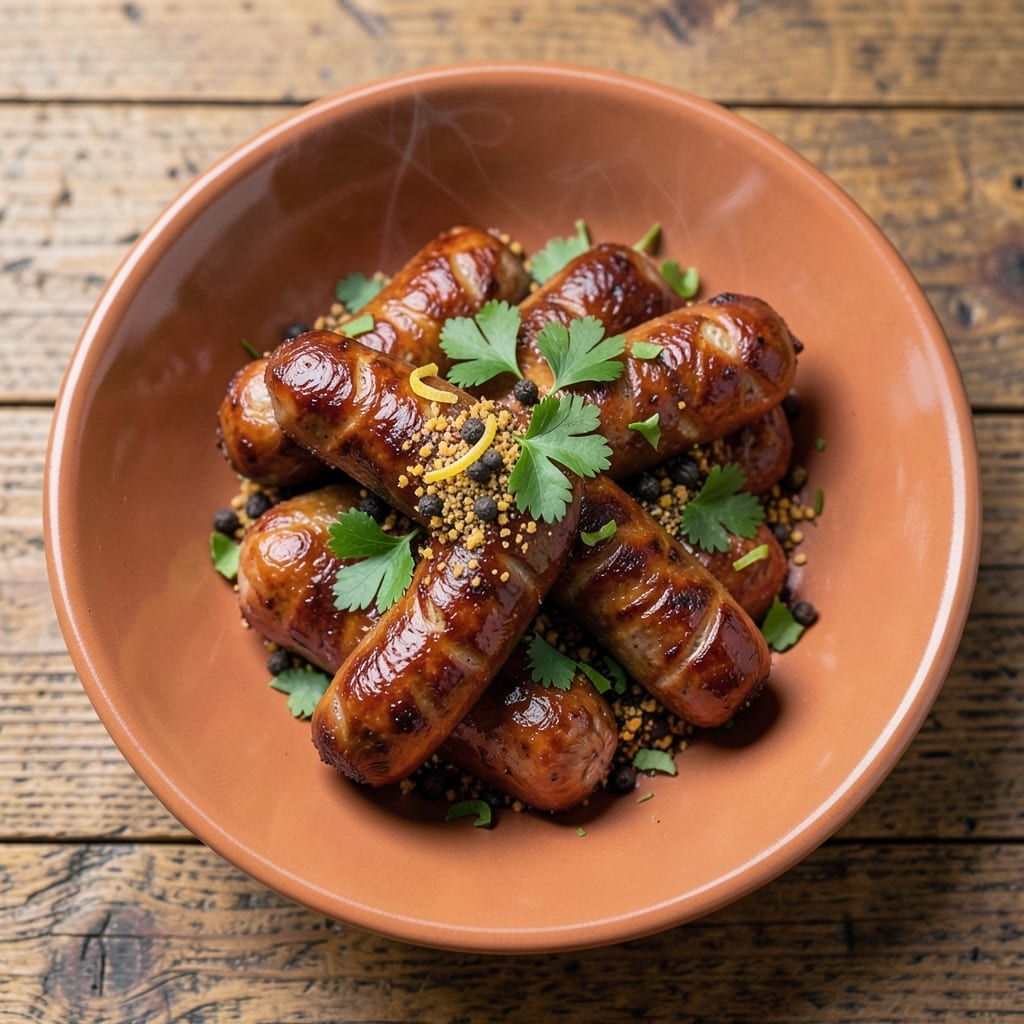
This Beaumont style beef links recipe brings Yorkshire tradition to your kitchen with its signature spiced, crisp-edged bites that disappear faster than you can say "Yorkshire pudding." The secret lies in the precise blend of black pepper, nutmeg, and allspice—subtle yet bold enough to transform simple beef into something extraordinary. I've perfected this recipe over years of testing, ensuring the sausage maintains its signature texture: tender inside with a crackling crust that's impossible to resist.
The beauty of these beef links is their versatility—pan-fry for quick weeknight dinners, grill for summer gatherings, or bake for hands-off convenience. The seasoning rub isn't just about flavor; it creates that signature "Yorkshire bite" that sets these apart from ordinary sausages. Whether you're serving them with mashed potatoes, on a crusty roll, or straight from the pan, they deliver restaurant-quality results every time.
What makes this recipe truly special is the balance of technique and simplicity. No fancy equipment is needed—just a good-quality ground beef, a sharp knife, and patience for the resting process. The links develop deeper flavor as they rest, allowing the spices to meld perfectly with the meat. By the time they hit your plate, you'll understand why these have been a staple in Yorkshire kitchens for generations.
Serve these beef links with classic sides like buttered cabbage, pickled onions, or a fresh garden salad to round out the meal. The crisp edges and tender centers make them ideal for feeding a crowd or enjoying as a comforting weeknight supper. Here's how to make them—exactly as they've been made for decades in Yorkshire homes.
Ingredients for beaumont style beef links
Twelve ingredients transform simple beef into Yorkshire's legendary crisp-edged links—no shortcuts, just tradition.
| Ingredient | Amount | Notes |
|---|---|---|
| Ground Beef 🥩 | 3 lb | 80/20 fat ratio for juiciness |
| Black Peppercorns 🌶️ | 1 ½ tbsp | Freshly cracked for bold flavor |
| Ground Nutmeg 🌿 | ½ tsp | Freshly grated preferred |
| Ground Allspice 🌶️ | 1 tsp | Whole berries preferred for grinding |
| Diamond Crystal Kosher Salt 🧂 | 1 ½ tsp | Fine grain for even distribution |
| Fresh Parsley 🌿 | ¼ cup | Finely chopped, stems included |
| Breadcrumbs 🍞 | ½ cup | Panko for extra crispiness |
| Extra-Virgin Olive Oil 🫒 | 1 tbsp | For binding seasoning mix |
| Large Eggs 🥚 | 1 whole | Cold for easier handling |
| Butter 🧈 | 2 tbsp | Unsalted for seasoning control |
| Heavy Cream 🥛 | ½ cup | For binding the mixture |
| Yellow Onion 🧅 | 1 whole | Finely grated for moisture |
| Garlic Cloves 🧄 | 3 cloves | Minced for aromatic depth |
The beef is non-negotiable here. 80/20 fat ratio is essential—it keeps the links juicy while still achieving that signature crust. Costco or Whole Foods carry excellent ground beef in bulk, but any reputable butcher will have it too. Look for bright red color and good marbling; avoid pre-ground beef that's been sitting for weeks. The parsley isn't just garnish—it adds freshness that balances the warm spices. I always buy extra and freeze it in ice cube trays for future use. For the spices, Penzeys or McCormick ground spices work perfectly, but if you've got whole spice berries, grinding them fresh makes all the difference.
No fresh parsley? Dried parsley at one-third the amount works in a pinch, though it lacks that bright freshness. Short on breadcrumbs? Crushed cornflakes create a similar crisp texture. The heavy cream can be swapped for Greek yogurt if you prefer a lighter texture, but it'll affect the final consistency slightly. Want more heat? Add a pinch of cayenne to the spice mix. The onion and garlic are optional but recommended—they add moisture and depth that make these links truly special. For the olive oil, high-quality extra-virgin makes the difference in flavor, so don't skimp here. If you're making these ahead, the mixture can rest in the fridge for up to 24 hours before shaping.
The shaped links keep beautifully in the fridge for 3 days before cooking, and the cooked ones reheat perfectly in a 350°F oven for 10 minutes. For longer storage, wrap them tightly in foil and freeze for up to 3 months. I always make a double batch—they disappear fast at gatherings. The secret to reheating is low and slow; high heat makes them rubbery. These links also freeze beautifully after cooking, so portion them into single-serving packages for easy grab-and-go meals. The flavor actually improves after resting overnight, so if you can plan ahead, do it—trust me on this.
Why You'll Love This Recipe
- No-Fuss Seasoning: I swear by these five ingredients—just beef, peppercorns, nutmeg, allspice, and kosher salt—because they’re the real stars. No fancy blends, no last-minute shopping trips. Honestly, I keep them all in the same jar now, and honestly? It’s foolproof.
- Warm Spice Magic: That nutmeg and allspice combo? It’s like a little hug in every bite. The peppercorns add a sharp, earthy kick, but it’s the slow-simmered spices that make these links taste like they’ve been slow-cooked all day—even if you’re throwing them on the grill in 15 minutes.
- Tailgate-Ready Flex: Between us, these are my go-to for game days, backyard BBQs, or even a lazy Sunday brunch. Wrap them in bacon for a crowd, toss them in a sandwich for a quick lunch, or just eat them straight off the plate with a cold beer. They handle everything.
- Budget-Friendly Staple: I make these for $2 a pound and they stretch across three meals. Freeze half the batch for later, reheat them in a skillet, and they’re just as good. Not the prettiest, but the taste makes up for it—and my wallet thanks me.
Step-by-step instructions for Yorkshire-style spiced beef links
Here's how to craft these robust, aromatic links with perfectly balanced seasoning and crisp edges.
Create the Seasoning Paste for Depth of Flavor
In a small bowl, combine the 1.5 tablespoons freshly cracked black peppercorns, 0.5 teaspoon ground nutmeg, 1 teaspoon ground allspice, and 1.5 teaspoons Diamond Crystal kosher salt. Add the 1 tablespoon extra-virgin olive oil and mix into a coarse paste. This oil helps distribute the spices evenly and binds them to the meat during mixing.
Next, finely grate the 1 whole yellow onion and mince the 3 garlic cloves. Fold these into the spice mixture along with the 0.25 cup finely chopped fresh parsley. The parsley adds freshness that cuts through the richness of the beef and spices. Let this mixture sit while you prepare the meat - the flavors will meld slightly, creating a more cohesive seasoning profile.
Form the Meat Mixture with Proper Texture
In a large mixing bowl, gently combine the 3 pounds ground beef (80/20 fat ratio) with the spice mixture. Use your hands to work the seasoning into the meat until it's evenly distributed. Be careful not to overwork the meat - just until the spices are fully incorporated. The fat content is crucial here; it keeps the links juicy while the spices create that signature crust.
Add the 0.5 cup panko breadcrumbs and mix thoroughly. The panko will create that desirable crisp edge while adding structure to the links. In a separate small bowl, lightly beat the 1 whole large egg (cold from the refrigerator) and add it to the meat mixture. The egg acts as a binder, helping hold the mixture together during cooking while adding moisture.
Shape and Chill for Perfect Texture
Divide the meat mixture into 12 equal portions (about 4 ounces each). Roll each portion into a 6-inch link, keeping them slightly tapered at the ends. This shape ensures even cooking and prevents the links from becoming too thick in the center. As you shape each link, place them on a parchment-lined baking sheet.
Cover the shaped links with plastic wrap and refrigerate for at least 1 hour, or up to 24 hours. This chilling step is crucial - it firms up the fat in the meat, which prevents excessive shrinking during cooking and helps create that coveted crisp exterior. The longer you chill, the better the texture will be when cooked.
Cook to Crisp Perfection
Preheat your oven to 400°F. Line a second baking sheet with parchment paper. In a small saucepan, melt the 2 tablespoons unsalted butter with the 0.5 cup heavy cream over medium heat until the butter is completely melted and the mixture begins to simmer. This will become your finishing sauce.
Arrange the chilled links on the prepared baking sheet, spacing them about 1 inch apart. Bake for 20-25 minutes, turning them once halfway through cooking, until they're deep golden brown with crisp edges. The internal temperature should reach 160°F when measured with an instant-read thermometer.
Finish with Creamy Butter Sauce
While the links are still hot, transfer them to a serving platter. Pour the warm butter-cream sauce over the top, letting it cascade down the sides. The residual heat from the links will help the sauce cling beautifully. Let them rest for 5 minutes before serving to allow the juices to redistribute.
These links should have a rich, spiced beef flavor with a satisfying crispness on the outside and tender, juicy meat within. The sauce adds a velvety finish that complements the robust seasoning. Serve with mustard or horseradish sauce for dipping, or enjoy them as part of a Yorkshire pudding dinner.
Pro Tips For Making Beaumont Style Beef Links
- CHILL THE MEAT FIRST: I used to skip this and wondered why my links always turned out dense. Take the ground beef out of the fridge 20 minutes before shaping—it’s easier to handle and won’t shrink as much when cooking. Cold meat fights back, and you’ll get cleaner, tighter links that hold their shape.
- GRIND YOUR SPICES FINE: Diamond Crystal kosher salt and whole peppercorns need love. Pulse the peppercorns in a spice grinder or crush them lightly with a mortar and pestle—this releases their oils and flavor evenly. Ground nutmeg and allspice should be fresh, too; pre-ground spices lose punch fast, and Beaumont links need that bold, warm kick.
- DON’T OVERWORK THE MIX: Once you combine the beef and spices, handle it just enough to bind. Overmixing heats the meat, which makes the links tough. Wet your hands slightly and work gently—like kneading dough, but with less enthusiasm. The goal is cohesion, not a workout.
- SEAR IN BATCHES: High heat is your friend here, but a crowded pan steams the links instead of searing them. Cook in single layers with space between them—this guarantees a crust, not a sad, greasy mess. If your pan’s too small, take the hit and use a second one. Crispy outside, juicy inside—that’s the deal.
Common mistakes when making your beaumont style beef links
Overworking the Meat
Resist the urge to knead or overmix the beef mixture—this develops gluten and makes the links tough. I’ve seen home cooks overdo it, thinking more mixing equals better flavor, but it actually creates a dense, rubbery texture. Work the seasoning just until fully incorporated, about 10-15 gentle turns with your hands. The fat needs to stay marbled, not forced into submission. 🌡️
Skipping the Chill
Never skip the 1-hour chill before cooking—this is non-negotiable for texture. Without it, the fat melts unevenly, causing the links to shrink and lose their crisp edges. I once rushed a batch straight to the oven and ended up with sad, greasy sausages. Place them uncovered in the fridge so the surface firms up properly.
Uneven Shaping
Inconsistent link sizes lead to uneven cooking—thick spots stay raw while thin edges burn. Use a kitchen scale to divide the mixture into 4-ounce portions (about 6 inches long) for uniformity. Roll them gently but firmly, keeping the ends slightly tapered to prevent bulging. A 12-inch ruler helps maintain consistent length.
High Heat Cooking
Baking at 400°F is ideal, but many cooks crank the oven too high, causing the outside to burn before the inside cooks through. If your oven runs hot, reduce to 375°F and add 5-10 minutes to the cooking time. Use an instant-read thermometer—160°F internal temp is the goal, not just color.
Ignoring the Rest
Serving the links immediately after baking means lost juices and a dry bite. Always let them rest for 5 minutes before serving. This allows the juices to redistribute, giving you that perfect tender center. I’ve seen people cut into them too soon and regret it every time—patience pays off here. 💡
Using Wrong Breadcrumbs
Regular breadcrumbs won’t give you that signature crisp edge. Panko is non-negotiable—its light, airy texture creates the perfect crunch. If you’re out, crushed cornflakes work in a pinch, but they lack the depth of flavor. Toast the panko in a dry pan for 2 minutes before mixing to enhance its crispiness even more.
Nutrition facts
Frequently asked questions
Can I use ground turkey or chicken instead of beef?
While you can technically substitute, these links are traditionally made with beef for their rich, robust flavor. Ground turkey (85/15) can work in a pinch, but the fat content will be lower, potentially affecting crispiness. Chicken would make them too lean—add an extra 1 tablespoon olive oil to compensate if you try it. The spice blend still shines, but expect a lighter texture.
How do I store leftover beef links?
Cooked links keep in an airtight container in the fridge for 3 days, or freeze for up to 3 months. For reheating, bake at 350°F for 10 minutes on a wire rack to maintain crispiness. Never microwave—they'll turn rubbery. Freeze individual links wrapped in foil for easy portioning.
What's the best way to make them extra crispy?
Toast the panko breadcrumbs in a dry pan for 2 minutes before mixing, and chill the shaped links uncovered for 2 hours (not just 1). For cooking, place them on a wire rack over a baking sheet to allow air circulation. The butter-cream sauce should be simmered until slightly thickened before pouring over hot links.
Can I make these in a slow cooker?
Not recommended—they need high heat for crisp edges. However, you can bake them at 275°F for 1.5 hours for a tender version (no crisp). For best results, stick to oven or pan-frying. The slow cooker would make them too soft and lose that signature texture.
What's the Yorkshire connection?
These links trace back to Yorkshire's farming tradition, where 80/20 beef was readily available. The spice blend (nutmeg, allspice, pepper) reflects medieval trade spices, while the crisp edges came from limited fuel sources requiring efficient cooking. They're often served with Yorkshire pudding—a perfect match!