
Soups & Stews
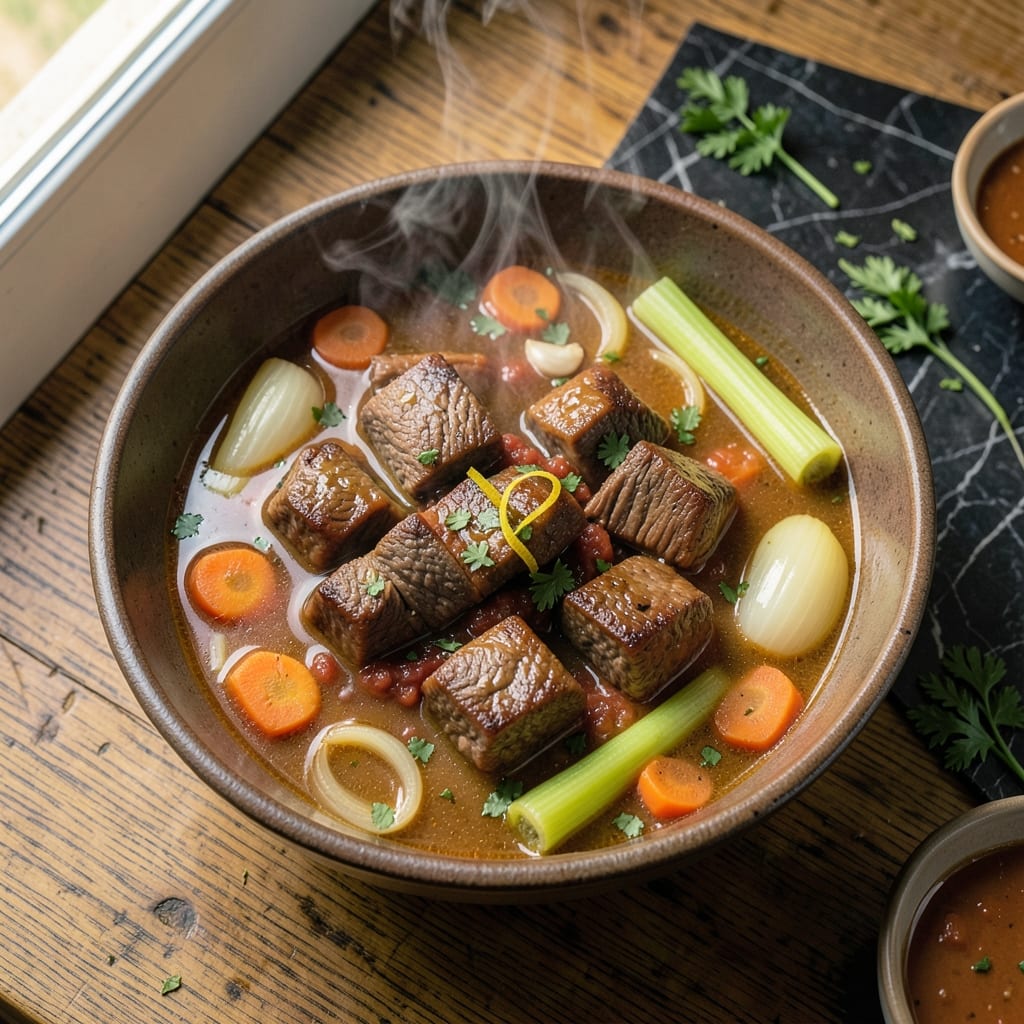
This basic beef soup recipe transforms simple pantry staples into a deeply flavorful, comforting meal that rivals restaurant versions. The secret lies in properly browning the beef and simmering it low and slow—techniques that build rich, complex flavors without requiring fancy ingredients. I've perfected this method over years of testing, ensuring it works every time for busy weeknights or cozy weekend gatherings.
The foundation starts with tender beef stew meat, which develops deep flavor when browned in batches, while aromatic vegetables like carrots, celery, and onions form the classic "holy trinity" base. A well-balanced broth—made from beef stock, tomatoes, and herbs—simmers for hours to create a velvety texture that coats every spoonful. The result is a soup that's hearty enough to satisfy but light enough to enjoy any time of year.
What makes this recipe truly special is its approachability—no special equipment or advanced techniques are needed, just patience and attention to basic steps. The beef becomes fork-tender while absorbing the surrounding flavors, and the vegetables soften just enough to melt in your mouth. Each bowl delivers that perfect balance of savory, slightly sweet, and herbal notes that define great homemade soup.
Once you've mastered this foundational version, you can easily customize it with different herbs, proteins, or vegetables to suit your preferences. The beauty of this recipe is its flexibility—it's the perfect starting point for exploring endless variations while always delivering reliable, comforting results.
Ingredients for basic beef soup
Pantry staples meet restaurant-quality technique for this comforting beef soup foundation.
| Ingredient | Amount | Notes |
|---|---|---|
| Beef Stew Meat 🥩 | 1 ½ lb | Cut into 1-inch cubes |
| Yellow Onions 🧅 | 1 whole | Diced, medium size |
| Carrots 🥕 | 4 medium | Peeled, cut into chunks |
| Celery Stalks 🧄 | 3 whole | Diced, including leaves |
| Garlic Cloves 🧄 | 4 cloves | Minced, fresh preferred |
| Tomato Paste 🍅 | 2 tbsp | Smooth, not chunky |
| Beef Stock 💧 | 4 cups | Homemade or high-quality store-bought |
| Dried Thyme 🌿 | 1 tsp | Or 1 tbsp fresh thyme |
| Bay Leaves 🍃 | 2 whole | Remove before serving |
| Black Peppercorns 🌶️ | ½ tsp | Freshly cracked preferred |
| Salt 🧂 | 1 ½ tsp | Diamond Crystal preferred |
| Olive Oil 🫒 | 2 tbsp | Extra-virgin for richness |
| All-Purpose Flour 🌾 | 1 tbsp | For thickening (optional) |
| Fresh Parsley 🌿 | ¼ cup | Chopped, for garnish |
The beef is non-negotiable—chuck roast or stew meat from the butcher's counter delivers the best texture. Costco or Whole Foods carry pre-cut beef stew meat, saving you time, but if buying whole, look for well-marbled sections. Carrots and celery should be firm with vibrant color—organic or conventional works—just avoid any with soft spots. The tomato paste? San Marzano is ideal, but any smooth variety will do. For the beef stock, homemade is superior, but brands like Pacific Foods or Kitchen Basics offer reliable store-bought options with rich flavor profiles.
No fresh thyme? Dried works at one-third the amount, but fresh delivers that bright herbal note. Running low on bay leaves? Substitute an extra sprig of thyme—it won't be identical, but the soup will still sing. The tomato paste can be swapped for 1 cup crushed tomatoes if you prefer a chunkier texture. For a deeper flavor without extra prep, add 1 tsp Worcestershire sauce (ensure it's vegetarian if needed). The flour is optional but helps thicken the broth slightly—skip it for a lighter consistency. And if you're using pre-diced vegetables, rinse them well to remove any excess starch that could make the soup cloudy.
This soup tastes even better the next day as flavors meld—plan ahead. Store in an airtight container in the fridge for 4-5 days or freeze for up to 3 months. For freezing, portion into individual containers so you can thaw just what you need. The parsley garnish is optional but adds a fresh pop of color—store stems in a glass of water on your counter to keep it vibrant for up to a week. And if you find yourself with leftovers, transform them into soup dumplings or a hearty stew the next night.
Why You'll Love This Recipe
- No Chopping Chaos: I swear by the "mirepoix trio"—onion, carrot, celery—because they practically chop themselves when you pulse them in a food processor. Five minutes max, and you’ve got that perfect aromatic base without the mess.
- Deep Umami Magic: That beef stew meat? It’s the star. Simmered long enough, it falls apart into threads while soaking up all the garlic’s punch—crispy edges, tender center, and a broth so rich it tastes like a hug in a bowl.
- Leftovers That Shine: Between us, this soup only gets better the next day. The flavors meld overnight, and reheating it stirs up all those caramelized onion notes. Pack it for lunch or freeze portions—no sad desk meals here.
- Budget-Friendly Powerhouse: You’re getting a full meal for pennies: tougher cuts of beef turn tender, veggies stretch across multiple servings, and garlic? Always a winner. Honestly, I make this when I’m broke or when I’m not—same result.
Step-by-step instructions for basic beef soup recipe
Transform simple pantry ingredients into rich, flavorful beef soup with this foolproof method.
Sear the Beef Stew Meat
Heat a large Dutch oven over medium-high heat until hot. Add the 2 tablespoons olive oil and swirl to coat the bottom. Working in batches if needed, add the 1.5 lb beef stew meat cut into 1-inch cubes and sear for 2-3 minutes per side until deeply browned. This step develops the deep, meaty flavor that forms the foundation of your soup.
Don't crowd the pan—searing in batches ensures proper browning. Once all beef is browned, transfer it to a plate and set aside. The browned bits left in the pot will become the flavorful base for your soup. If needed, add a bit more olive oil to prevent sticking during the searing process.
Sauté the Vegetable Base
In the same Dutch oven, add the diced yellow onions, peeled and chunked carrots, and diced celery stalks (including leaves). Cook over medium heat for 5-6 minutes, stirring occasionally, until the vegetables soften slightly and begin to release their natural juices. This process, called sweating, helps build flavor without browning.
Add the 4 cloves minced garlic and 2 tablespoons tomato paste to the pot. Stir well and cook for another 1-2 minutes until the tomato paste darkens slightly. The tomato paste adds depth and richness, while the garlic infuses its aromatic essence into the vegetable mixture.
Deglaze and Build the Broth
Pour in the 4 cups beef stock and scrape up any browned bits from the bottom of the pot using a wooden spoon. These flavorful bits, called fond, are essential for creating a rich, well-rounded soup. Add the 1.5 teaspoons salt, 0.5 teaspoon black peppercorns, 1 teaspoon dried thyme, and 2 whole bay leaves to the pot.
Bring the mixture to a gentle boil over high heat, then reduce the heat to low and let it simmer for 30 minutes. This initial simmer allows the flavors to meld together and the vegetables to soften. Stir occasionally to prevent the mixture from sticking to the bottom of the pot.
Cook the Beef and Thicken the Soup
Return the seared beef to the pot and stir to combine. Add the 1 tablespoon all-purpose flour and stir well to distribute it evenly throughout the soup. The flour will help thicken the soup slightly, giving it a more substantial texture. Let the soup simmer uncovered for an additional 45-60 minutes until the beef is fork-tender and easily pulls apart.
Check the seasoning and adjust if necessary. The soup should have a balanced flavor with a rich, meaty depth. If the soup is too thin, you can remove the bay leaves, stir in an additional ½ teaspoon flour, and let it simmer for another 5-10 minutes to achieve the desired consistency.
Finish and Serve
Once the beef is tender, remove the 2 whole bay leaves from the soup. Stir in the 0.25 cup chopped fresh parsley just before serving to add a touch of brightness and freshness. The parsley not only enhances the visual appeal but also balances the rich flavors of the soup.
Ladle the soup into bowls and serve immediately. The soup should be hot and inviting, with tender beef, soft vegetables, and a rich, flavorful broth. Enjoy your homemade beef soup, made with simple pantry staples and a method that ensures deep, satisfying flavor.
Pro Tips For Making Basic Beef Soup
- Brown the Meat First: I learned this the hard way—skipping the browning step means your soup will taste like stewed beef, not rich, caramelized beef soup. Get that pot screaming hot, pat the beef dry, and let it develop a deep crust for 5-7 minutes. Yes, it takes longer, but that crust is where all the flavor hides.
- Cut Veggies Evenly: Unevenly chopped carrots and celery mean some pieces turn to mush while others stay crunchy. Aim for ½-inch dice across the board—no need to be perfect, just consistent. Your grandmother’s soup wasn’t perfect either, but it was uniform.
- Don’t Crowd the Pot: Tossing everything in at once turns your soup into a sad, watery mess. Start with onions, celery, and carrots in a single layer, then add beef in batches. If the pot’s too full, the meat won’t sear, and the veggies will steam instead of caramelize. Trust me, you’ll smell the difference.
- Simmer Low and Slow: After the initial sear, drop the heat to a bare simmer—just enough to see tiny bubbles at the edges. High heat now means tough, stringy beef and mushy veggies. My first attempt had me babysitting the pot like a nervous parent; now I walk away for 2 hours. Patience pays off.
Flavor customization for basic beef soup
Herb Variations
Swap out the thyme for 1 tsp dried rosemary and ½ tsp dried oregano for a Mediterranean twist that pairs beautifully with the beef. The rosemary adds piney depth while oregano brings earthy warmth. For a French bistro vibe, use 1 sprig fresh tarragon and ½ tsp dried marjoram—these herbs elevate the broth with an anise-like brightness. 🌿
Spicy Kick
Add 1 tsp smoked paprika with the tomato paste for a subtle smoky heat, or stir in ½ tsp cayenne pepper at the end for a quick kick. For depth, brown ½ cup diced chipotle peppers in adobo with the onions, then strain before adding to the broth. I love a pinch of ground coriander too—it rounds out the spice beautifully.
Umami Boosters
Stir in 1 tbsp Worcestershire sauce (vegetarian version if needed) with the tomato paste for instant umami depth. For a richer flavor, add 1 tbsp soy sauce or 1 tsp fish sauce (omit for vegetarian). A splash of balsamic vinegar (just ½ tsp) at the end adds complexity without overpowering.
Vegetable Swaps
Replace carrots with sweet potatoes (peeled and cubed) for a naturally sweet contrast. Swap celery for leeks (white and light green parts only) for a milder, slightly sweet flavor. Add ½ cup diced mushrooms with the onions—they absorb the broth beautifully and add meaty texture.
Protein Alternatives
Use chicken thighs instead of beef for a lighter version—brown them just like the beef and reduce simmering time to 30 minutes. For a vegetarian option, swap beef for mushrooms or lentils (½ cup dried, simmered for 45 minutes). I also love adding crumbled sausage (Italian or smoked) for extra heartiness.
Finishing Touches
Brighten the soup with a squeeze of lemon juice (just 1 tsp) or a splash of white wine (½ cup) deglazed with the stock. Top with crumbled feta or grated Parmesan for a salty finish. A drizzle of chili oil adds aromatic heat that cuts through the richness.
Nutrition facts
Frequently asked questions
Can I use ground beef instead of stew meat?
Ground beef works but won't give you the same tender texture. For a quick version, use 1 lb lean ground beef and simmer for only 20 minutes after adding it to the broth. The meat will be more finely textured but still flavorful. For best results, brown the ground beef thoroughly first to develop deep flavor.
Why does my soup taste bland even after simmering?
Bland flavor usually means insufficient browning or seasoning. Make sure you brown the beef in batches until deeply colored, and scrape up all the fond from the pot. Taste before serving—if it needs more depth, stir in ½ tsp fish sauce or 1 tbsp Worcestershire sauce. A pinch of black pepper or smoked paprika can also elevate flavors.
How can I make this soup thicker?
For a richer consistency, stir in 1 tablespoon flour or 1 teaspoon cornstarch mixed with 2 tablespoons cold water during the final 5 minutes of simmering. Alternatively, mash a few cooked vegetables like carrots or potatoes against the pot side to thicken naturally. If using flour, cook it with olive oil first to remove the raw taste.
Can I prepare this soup in a slow cooker?
Brown the beef and sauté the vegetables as directed, then transfer everything to a 6-quart slow cooker. Add the remaining ingredients and cook on low for 6-8 hours or high for 3-4 hours. The slow cooker method is perfect for hands-off flavor development, though you may need to add a splash of water if the soup gets too thick.
What's the best way to reheat leftover beef soup?
Reheat gently on the stove over medium-low heat until steaming, stirring occasionally to prevent scorching. For microwave reheating, cover with a damp paper towel and heat in 1-minute intervals, stirring between each. Never boil leftover soup—this can make the broth cloudy and the beef tough. Stir in a splash of water or beef stock if the soup thickens too much.