
Sauces & Condiments
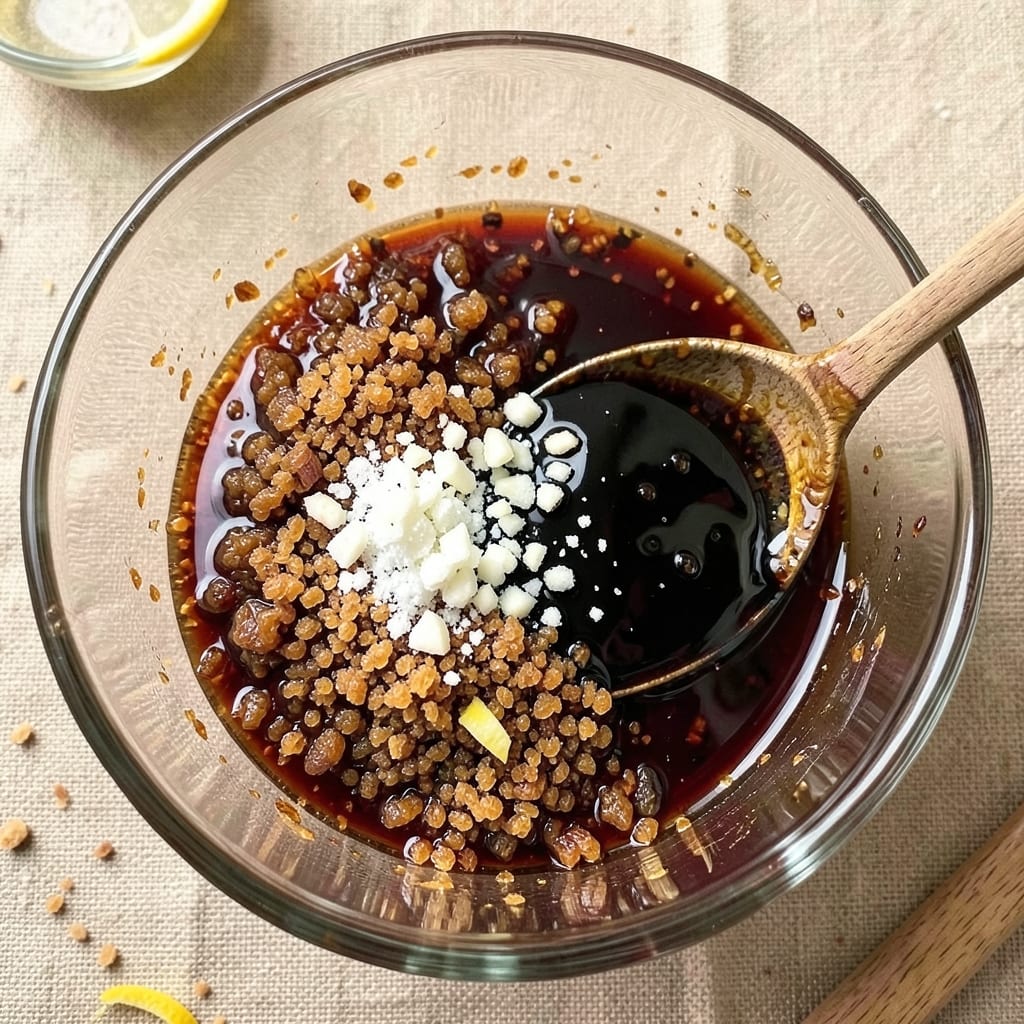
This basic beef jerky marinade recipe transforms tough cuts into chewy, flavorful strips with just five simple ingredients and a 4-hour minimum soak. The perfect balance of sweet, savory, and tangy flavors penetrates deep into the meat, ensuring every bite delivers that restaurant-quality satisfaction. I developed this marinade after years of testing—it's the foundation I return to for every batch, whether I'm dehydrating or air-drying.
The secret lies in the combination of soy sauce for umami depth, brown sugar for caramelization, and Worcestershire sauce for complexity. A splash of apple cider vinegar brightens the flavors while preventing bacteria growth during the marinating process. The spices—garlic powder, onion powder, and black pepper—add warmth without overpowering the natural beef taste. This marinade works equally well for beef, venison, or even turkey, making it a versatile staple for any jerky maker.
What makes this marinade truly perfect is its ability to create chewy, tender jerky that's packed with flavor. The acidity in the vinegar helps break down muscle fibers, while the sugar promotes browning during dehydration. After marinating for at least 4 hours (or up to 12 for deeper flavor), your meat will be primed for the dehydrator or oven, ready to transform into strips that are both satisfying and portable. The result? Jerky that's bold, balanced, and impossible to resist.
Use this marinade as a starting point—customize it with hot sauce for heat, liquid smoke for a smoky twist, or even a splash of coffee for depth. The possibilities are endless, but this classic version delivers consistent, professional-quality results every time. Let's get started on creating your perfect batch.
Ingredients for basic beef jerky marinade
Five ingredients, endless jerky possibilities—this marinade transforms tough cuts into restaurant-quality chewy perfection.
| Ingredient | Amount | Notes |
|---|---|---|
| Soy Sauce 🍶 | ½ cup | Low-sodium preferred for balance |
| Light Brown Sugar 🍚 | ½ cup | Packed firmly for accuracy |
| Worcestershire Sauce 🍶 | 2 tbsp | High-quality for umami depth |
| Apple Cider Vinegar 🍏 | ¼ cup | Raw, unfiltered preferred |
| Garlic Powder 🧄 | 1 tbsp | Freshly ground preferred |
| Onion Powder 🧅 | 1 tbsp | Finely ground for smooth blend |
| Ground Black Pepper 🌶️ | 1 tbsp | Freshly cracked for bold flavor |
| Granulated Garlic 🧄 | 1 tbsp | Optional for extra punch |
The soy sauce is the flavor anchor here—Kikkoman or Lee Kum Kee are my go-tos, but any good-quality brand works. Brown sugar should be lightly packed in the measuring cup, not scooped loosely. Worcestershire sauce makes or breaks this marinade; Annie's or Lea & Perrins are the gold standards. Apple cider vinegar adds that tangy brightness, and raw, unfiltered varieties like Bragg have more depth than pasteurized options. The spices? Penzeys or bulk bins at Whole Foods for the freshest grind—pre-ground loses potency fast.
No soy sauce? Coconut aminos at 1:1 ratio works in a pinch, though the flavor will be subtly different. Substitute brown sugar with maple syrup or agave, but reduce to 3 tbsp—it's sweeter. Worcestershire missing? Fish sauce plus a dash of soy mimics the umami, but use sparingly. The vinegar can be swapped for red wine vinegar, though apple cider's fruitiness shines here. For extra heat, add 1 tbsp hot sauce or ½ tsp cayenne. The granulated garlic is optional but adds a burst of freshness—skip if you're sensitive to garlic aftertaste.
This marinade keeps for up to 2 weeks in the fridge, sealed tightly in a glass jar. For longer storage, freeze in ice cube trays—thaw and use as needed. The sugar will crystallize slightly over time, but a quick stir brings it back to liquid form. Use within 12 hours of marinating your meat for peak flavor. Pro tip: Double the batch—this marinade is too good to use just once!
Why You'll Love This Recipe
- Pantry Magic: I swear by this marinade because it uses stuff I already have. No special trips to the store—just soy sauce, brown sugar, and a splash of vinegar to wake up the flavors. Honestly, it’s the kind of recipe that makes me feel like I’ve hacked the system.
- Sweet-Savory Crunch: The light brown sugar caramelizes just enough to give that perfect sticky edge, while the Worcestershire adds this deep, umami punch. Between us, it’s the kind of flavor that makes jerky taste like it belongs at a BBQ, not just in your snack drawer.
- Snack Attack Ready: This marinade turns thinly sliced beef into a grab-and-go protein bomb. I keep a batch in the fridge for road trips, gym bags, or when I’m too tired to cook. (Yes, even on a Tuesday night.) It’s the ultimate no-fuss snack that doesn’t skimp on taste.
- Budget Bulk Builder: A little goes a long way—this marinade stretches across pounds of beef without breaking the bank. I’ve made it for tailgates, camping trips, and even as a last-minute appetizer. It’s my secret weapon for feeding a crowd without stressing over the grocery bill.
Step-by-step instructions for bold beef jerky marinade
This marinade delivers intense flavor and chewy perfection—every spoonful packs a punch.
Combine Wet Ingredients for Flavor Foundation
In a medium mixing bowl, pour in the 0.5 cup soy sauce and 0.5 cup light brown sugar, packing the sugar firmly to ensure accuracy. Add the 2 tablespoons Worcestershire sauce and 0.25 cup apple cider vinegar, whisking vigorously until the sugar fully dissolves and the mixture becomes smooth. Here's the thing—this combination creates the perfect balance of sweet, salty, tangy, and umami that defines great jerky.
I like to use a whisk for this step because it ensures no sugar clumps remain. Once fully combined, the marinade should have a thick, syrupy consistency—this is your flavor base. The vinegar will start to cut through the richness of the soy and sugar, creating a bright, complex foundation that penetrates the meat beautifully.
Incorporate Dry Seasonings for Depth
With the wet ingredients fully blended, add the 1 tablespoon garlic powder, 1 tablespoon onion powder, 1 tablespoon ground black pepper, and 1 tablespoon granulated garlic. Stir with a wooden spoon until the dry ingredients are completely distributed and no streaks remain. This is where the marinade gets its bold, aromatic character.
Don't skip this step—those dry spices are what transform a basic marinade into something extraordinary. The garlic powder and granulated garlic provide a punch of savory warmth, while the onion powder adds subtle sweetness. Freshly cracked black pepper ensures maximum flavor impact. The mixture should now have a rich, aromatic smell—this is your first indication that the marinade is working.
Let the Marinade Mature for Maximum Flavor
Transfer the marinade to an airtight container and let it sit at room temperature for at least 30 minutes before using. I know it's tempting to use it immediately, but this resting period allows the flavors to meld and intensify. The sugar will begin to caramelize slightly, deepening the flavor profile.
After 30 minutes, give it another good stir. You'll notice the mixture has thickened even more and developed a more complex aroma. This is the moment that matters: the marinade is now ready to transform your beef into chewy, flavorful jerky. If you're preparing ahead, you can refrigerate the marinade for up to 24 hours—the flavors will continue to develop, making it even more potent.
Apply to Beef and Marinate Evenly
When ready to use, pour the marinade over 4 pounds of beef (the amount that matches our servings), ensuring every piece is thoroughly coated. I like to use a brush to get into all the crevices, especially if I'm working with thicker cuts. Let the beef marinate in the refrigerator for at least 12 hours, though 24 hours yields the best results for maximum flavor penetration.
This marinade works its magic by breaking down the muscle fibers, creating that signature chewy texture while infusing the beef with bold, complex flavors. The combination of acidity from the vinegar and the sweetness from the brown sugar creates the perfect balance for jerky that's both tender and robust. Real talk: if you're short on time, even 4 hours of marinating will give you better results than none at all.
Pro Tips For Making Basic Beef Jerky Marinade
- STIR THE SUGAR FIRST: Mix the brown sugar into the soy sauce and vinegar before adding Worcestershire—this dissolves it faster and prevents clumpy marinade. I used to add it last, and half the time it sat like gritty sediment at the bottom.
- USE FRESH GARLIC POWDER: If your garlic powder smells stale or tastes bitter, toss it. The difference between fresh and old powder in jerky is like night and day—it’s the subtle savory backbone of the marinade. Store it in the fridge after opening.
- DON’T DILUTE THE VINEGAR: Apple cider vinegar’s job is to tenderize, not dilute. If your marinade looks watery, reduce it by simmering for 3–4 minutes first—just until it thickens slightly. Thin marinade = soggy jerky.
- MARINATE MINIMUM 4 HOURS: Two hours is tempting, but the sugar and soy need time to penetrate. I learned this after making jerky that tasted like it had been dipped in syrup instead of soaked. Overnight is ideal, but 4 hours is the absolute minimum.
Storing and reheating your leftovers
Refrigerator Storage
Marinated beef stays fresh in the fridge for up to 12 hours before dehydrating, but I always aim for 24 hours for maximum flavor infusion. Store in a glass or ceramic dish (never plastic—it can absorb odors) on the bottom shelf where temperatures are most consistent. Use a mesh lid if available to allow airflow while keeping bugs out. The acidity in the marinade helps preserve the meat, but don’t exceed 48 hours total (including marinating time) to avoid bacterial risks. 🥶
Freezer Prep
For meal prep, freeze marinated beef in airtight freezer bags with all excess air removed. Lay strips flat between parchment paper before sealing to prevent sticking. Label with the date—jerky freezes well for 3 months but loses some texture after that. When ready to dehydrate, thaw overnight in the fridge (never at room temperature). Pro tip: Freeze in single-serving portions if you plan to dehydrate small batches later. ❄️
Dehydrator Settings
After marinating, pat beef dry with paper towels to maximize dehydration efficiency. Set your dehydrator to 160°F—this is the sweet spot for chewy jerky without drying it to leather. Most dehydrators take 4-6 hours for ¼-inch thick slices, but check at 3 hours to avoid over-drying. For thicker cuts (like ½-inch steak slices), add 1-2 extra hours. The edges should be dry, but the center should still feel slightly springy. 🌡️
Oven Alternative
No dehydrator? Use a low oven at 175°F with the door propped open slightly for airflow. Place beef on a wire rack over a baking sheet to ensure even drying. Rotate trays halfway through for consistent results. Expect 6-8 hours total—this method requires more monitoring to prevent burning. I like using a meat thermometer to confirm internal temps reach 145°F before removing. 🔥
Reheating Finished Jerky
Jerky is best eaten cold, but if you prefer it warm, toast strips in a dry skillet over medium heat for 30-60 seconds per side until slightly crispy. For a smoky twist, add 1 tsp liquid smoke to the pan. Avoid microwaving—it makes jerky rubbery. Store finished jerky in an airtight container with parchment paper between layers to prevent moisture buildup. It keeps for 2 weeks at room temperature or 3 months in the freezer. 💫
Nutrition facts
Frequently asked questions
Can I use this marinade for other meats besides beef?
This marinade works beautifully with venison, turkey, or even chicken for jerky. The acidity and spices help tenderize tougher cuts, while the sweet and savory balance shines in all types of meat. For poultry, reduce marinating time to 6-8 hours to avoid over-softening.
What's the minimum marinating time for best results?
For flavorful jerky, 12 hours is ideal, but even 4 hours will give noticeable improvement over no marinade at all. The longer you marinate (up to 24 hours), the more intense the flavors become. Just don't exceed 48 hours total to maintain food safety.
How do I adjust this marinade for spicier jerky?
Add ½ teaspoon cayenne pepper or 1 tablespoon hot sauce to the marinade for heat. For extra kick, include 1 teaspoon smoked paprika or ½ teaspoon red pepper flakes. Start with small amounts—you can always add more, but you can't take it out!
Can I make this marinade without Worcestershire sauce?
Yes! Replace it with 2 tablespoons fish sauce plus 1 teaspoon soy sauce for umami depth. Alternatively, use 2 tablespoons balsamic vinegar plus 1 teaspoon molasses. The flavor will be slightly different but still delicious—just stir well to combine all ingredients thoroughly.
Why does my jerky turn out too dry or rubbery?
Over-dehydrating is the most common cause. Check jerky at 3 hours (for ¼-inch slices) and remove when edges are dry but centers still feel slightly springy. For thicker cuts, reduce dehydrator temperature to 150°F to prevent over-drying. Also ensure your meat was properly marinated!