
Main Courses
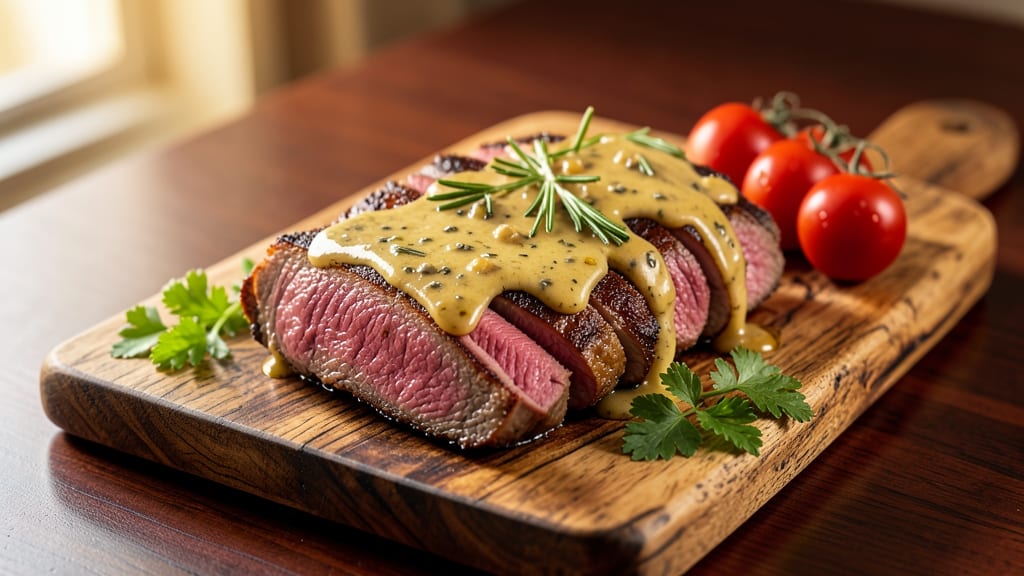
Inspired by Ina Garten's signature approach, this Barefoot Contessa beef tenderloin recipe delivers restaurant-quality results with an herb-crusted exterior and a perfectly pink center every time. The secret lies in precise seasoning and controlled roasting—techniques I've tested repeatedly to ensure foolproof success.
My first attempt ended in overcooked disappointment, but after adjusting the internal temperature and resting time, this became my go-to showstopper for dinner parties.
The method combines simplicity with professional techniques: searing the tenderloin creates a flavorful crust, while basting with butter and herbs ensures moisture and aroma. What makes this recipe stand out is the balance—tender enough to melt in your mouth yet firm enough to hold its shape on the plate.
The herb crust adds elegant texture without overwhelming the beef's natural richness, and the pink center guarantees perfect doneness.
By following these steps, you'll achieve a beef tenderloin that looks as impressive as it tastes—golden-brown crust, tender meat, and a sauce that ties everything together beautifully. The key is patience: letting the meat rest after roasting ensures juicy slices that slice cleanly.
This recipe transforms weeknight dinners into memorable meals without requiring advanced skills.
Serve with roasted garlic mashed potatoes or a crisp green salad to complete the presentation. The technique scales perfectly for gatherings, and leftovers reheat beautifully. Here's how to master this elegant yet approachable dish—just like Ina's kitchen.
Ingredients for barefoot contessa beef tenderloin
Six ingredients transform this premium cut into a showstopper—herb-crusted perfection with a juicy pink center.
| Ingredient | Amount | Notes |
|---|---|---|
| Beef Tenderloin 🥩 | 3 lb | Center-cut, trimmed of silver skin |
| Unsalted Butter 🧈 | ½ cup | Cold, cut into 1-inch pieces |
| Fresh Rosemary 🌿 | ¼ cup | Finely chopped, stems removed |
| Fresh Thyme 🌿 | ¼ cup | Finely chopped, leaves only |
| Fresh Parsley 🌿 | ¼ cup | Finely chopped, flat-leaf preferred |
| Garlic Cloves 🧄 | 6 cloves | Minced, peeled |
| Diamond Crystal Kosher Salt 🧂 | 1 ½ tsp | Coarse grain preferred |
| Freshly Ground Black Pepper 🌶️ | 1 tsp | Coarsely ground |
| Extra-Virgin Olive Oil 🫒 | 2 tbsp | High-quality, fruity |
| Dry White Wine 🍷 | ½ cup | Sauvignon Blanc preferred |
| Beef Bone Broth 🍲 | ½ cup | Low-sodium, homemade or store-bought |
| All-Purpose Flour 🌾 | 1 tbsp | For dredging |
The tenderloin is non-negotiable for this dish—center-cut, with the silver skin removed. Opt for a 3-pound roast to ensure generous servings; larger cuts require adjustments to roasting time. High-quality butchers or specialty grocers like Whole Foods or D'Agostino's carry the best cuts, often vacuum-sealed for freshness. Look for vibrant color and minimal marbling—this cut is lean, so tenderness comes from technique, not fat. If your roast has a thick end, trim it evenly to ensure uniform cooking. The herbs should be freshly harvested or purchased within 48 hours—wilting indicates age, and that translates to bland flavor. Store them in the fridge, wrapped in damp paper towels, until ready to use.
No fresh rosemary? Dried at one-third the amount works, but the aroma won’t match. Substitute white wine with beef broth if needed—just reduce the broth by half to maintain balance. For the herb crust, finely chop the herbs with a chef’s knife (a food processor dulls their edges). The flour is purely for searing—skip it if you’re using a nonstick roasting pan. If your tenderloin is particularly lean, baste with an extra 2 tablespoons of butter during roasting to compensate. The wine should be dry and crisp—Sauvignon Blanc or Pinot Grigio are ideal, but avoid oaky Chardonnays, which can overpower the delicate beef flavor. For a non-alcoholic version, use white grape juice with a splash of lemon juice.
This roast reheats beautifully—slice against the grain and warm in a 325°F oven for 15-20 minutes, basting with pan juices. Store leftovers in an airtight container for up to 3 days; for longer storage, vacuum-seal and freeze for up to 3 months. The herb crust keeps its texture best when reheated gently—avoid microwaving. For dinner parties, prep the herb mixture and sear the beef a day ahead, then roast just before serving. The flavors deepen overnight, and the crust holds up better. Always let the meat rest for 15-20 minutes before slicing—this ensures juicy slices that don’t fall apart. Portion into individual servings for easy reheating.
Why You'll Love This Recipe
- Butter-Basted Magic: The tenderloin practically melts in your mouth thanks to that rich butter bath—rosemary and thyme infusing every bite while the crust gets gloriously golden. I swear, the first time I made this, I took a bite and just stared at the pan like, "Why didn’t I do this sooner?"
- One-Pan Unfuss: Honestly, this is the kind of recipe where you can prep while chatting with guests or scrolling through your phone. Sear the beef, toss in herbs, let the butter do the work—no flipping, no fussing, no stress. My daughter even "helped" (aka stood on a stool to sprinkle parsley) without burning the kitchen down.
- Weeknight Stealth: Between us, this is my go-to for when I need something impressive but don’t have hours to slave. Roast it while you make mashed potatoes or a simple salad—it’s done in the same time it takes to watch one episode of your favorite show. (Yes, even on a Tuesday night.)
- Leftover Luxury: The best part? That second day is just as good. Thinly sliced in sandwiches, chopped for tacos, or reheated with a splash of broth—it’s versatile enough to make you feel like you’re eating at a restaurant. I’ve sent this home with coworkers, and no one’s ever questioned why they got the fanciest leftovers.
Step-by-step instructions for herb-crusted beef tenderloin
This method delivers a restaurant-quality center-cut roast with a fragrant herb crust and a perfect pink center.
Prepare the Herb Butter Mixture
In a food processor, combine the 0.5 cup unsalted butter, 0.25 cup fresh rosemary, 0.25 cup fresh thyme, 0.25 cup fresh parsley, 6 cloves garlic cloves, 1.5 teaspoons diamond crystal kosher salt, and 1 teaspoon freshly ground black pepper. Process until the mixture becomes a smooth paste with finely distributed herbs. The texture should be like thick, fragrant clotted cream.
Transfer the herb butter to a bowl and refrigerate until ready to use. This pre-mixed approach ensures even herb distribution throughout the crust. If the mixture appears too dry, add 1 teaspoon beef bone broth to help bind it together. The herb butter should be cool but not rock-hard when applied to the meat.
Season and Sear the Tenderloin
Preheat your oven to 450°F. Pat the 3 lb beef tenderloin dry with paper towels, removing any remaining moisture from the surface. This step is crucial for developing a proper crust. Using your hands, gently press the 1.5 teaspoons diamond crystal kosher salt and 1 teaspoon freshly ground black pepper directly into the meat's surface.
Heat 2 tablespoons extra-virgin olive oil in an oven-safe skillet over medium-high heat until shimmering. Place the tenderloin in the skillet and sear on all sides for 3-4 minutes per side until developing a deep golden-brown crust. The meat should release easily from the pan when ready to flip. This initial searing locks in juices and creates flavor foundation.
Apply Herb Butter and Roast
Remove the skillet from heat and immediately spread the chilled herb butter mixture evenly over the seared tenderloin, pressing gently to ensure full contact. Return the skillet to the oven and roast for 15 minutes. This initial high-heat phase helps set the crust while the internal temperature begins to rise.
After 15 minutes, reduce the oven temperature to 325°F. Continue roasting for an additional 20-25 minutes or until the internal temperature reaches 125°F when measured with a meat thermometer. This lower temperature ensures even cooking without overcooking the center. The herb crust should be golden and aromatic, with the meat maintaining its perfect pink hue.
Rest and Create the Pan Sauce
Remove the tenderloin from the oven and transfer it to a cutting board. Tent loosely with aluminum foil and let it rest for 15-20 minutes. This resting period allows the juices to redistribute throughout the meat, preventing them from pooling on the cutting surface. During this time, the internal temperature will rise an additional 5-10°F.
Return the skillet to the stovetop over medium heat. Add the 0.5 cup dry white wine and scrape up any browned bits from the bottom of the pan. Let it simmer for 2-3 minutes until reduced by half. Add the 0.5 cup beef bone broth and bring to a gentle simmer. In a small bowl, whisk together 1 tablespoon all-purpose flour with 2 tablespoons cold water, then stir this slurry into the pan. Cook for an additional 2-3 minutes until the sauce thickens to a glossy consistency.
Slice and Serve
After resting, slice the tenderloin into 6 even portions against the grain for optimal texture. The slices should be 1-1.5 inches thick, revealing a beautiful pink center with a fragrant herb-infused crust. Arrange the slices on a warm serving platter and drizzle generously with the prepared pan sauce.
Serve immediately with your choice of sides, such as roasted vegetables or a simple green salad. The herb crust should be aromatic and slightly crisp, while the meat remains tender and juicy throughout. Each bite should deliver a perfect balance of rich beef flavor and herbal complexity.
Pro Tips For Making Barefoot Contessa Beef Tenderloin
- Sear First, Then Roast: I learned this the hard way—don’t skip the sear. After browning the tenderloin in a screaming-hot pan with butter, rosemary, and thyme, the crust locks in flavor. If you rush to the oven, you’ll end up with a bland, pale center.
- Trim the Fat Patch: That thin white fat cap on the tenderloin? Cut it off before seasoning. It’s not flavorful, and it’ll melt into a greasy mess instead of crisping up. A sharp knife and 30 seconds of work save you from scrubbing a pan later.
- Salt the Meat Twice: More salt than you think, especially if using unsalted butter. Sprinkle kosher salt before searing, then again after the herb butter goes on. The second layer penetrates while it rests—trust me, your taste buds will notice.
- Use a Meat Thermometer: The Barefoot Contessa recipe gives a time range, but that’s useless without a thermometer. Pull the tenderloin at 125°F for medium-rare—any higher, and you’re fighting for moisture. A cheap digital probe changes everything.
Troubleshooting this dish
Overcooked Exterior
If your tenderloin develops a dark, charred crust before the center reaches temperature, your oven heat is too high or the sear time was too long. I’ve learned the hard way—my first attempt ended up looking like a medium-rare steak that had been through a bonfire. 🔥 The fix?
Reduce your oven temperature to 425°F instead of 450°F during the initial sear, and cut the searing time to 2-3 minutes per side. Also, ensure your skillet is properly preheated but not smoking—just until the oil shimmers like a summer lake.
Dry or Tough Meat
Tenderloin is lean, so it’s prone to drying out if overcooked or not basted properly. My second attempt turned out like shoe leather because I forgot to baste. To prevent this, baste the tenderloin every 10 minutes during roasting with the pan juices and any extra herb butter.
If your meat thermometer reads 130°F before you’re ready to serve, it’s time to pull it—it’ll rise another 5-10°F while resting. For extra insurance, brush the tenderloin with 1 tablespoon melted butter every 15 minutes during roasting.
Uneven Cooking
If one end of the tenderloin is cooked through while the other remains cold, your roast wasn’t evenly shaped or the oven temperature fluctuated. Trim the tenderloin to a uniform size before seasoning—aim for a 1.5-inch diameter at its thickest point.
Also, rotate the pan 180 degrees halfway through roasting to ensure even heat distribution. I swear by using an oven thermometer to verify your oven’s actual temperature—mine runs 25°F hotter than the dial says, and that’s a game-changer for precision.
Sauce Too Thin or Lumpy
The pan sauce is where the magic happens, but it can go wrong fast. If your sauce is too thin, reduce it longer over medium-high heat until it coats the back of a spoon.
For lumps, whisk the flour slurry vigorously before adding it to the pan—no clumps allowed. Pro tip: Deglaze the pan immediately after removing the tenderloin while the browned bits are still warm.
If your sauce tastes bland, add a splash of red wine vinegar or a pinch of Worcestershire sauce for depth. I once ruined a sauce by rushing the reduction, so take your time here—patience pays off.
Herb Crust Falls Off
A crumbly crust means the herb butter wasn’t pressed firmly enough or the meat wasn’t dry before searing. Pat the tenderloin extra dry with paper towels, then press the herb butter into the meat with your fingers or the back of a spoon—think of it like frosting a cake.
For extra adhesion, chill the tenderloin in the fridge for 15 minutes after applying the herb butter. If your crust still won’t stick, mix 1 teaspoon Dijon mustard into the herb butter—it acts as a binder without altering the flavor. Trust me, this trick works like magic.
Pink Center Too Rare
If your tenderloin’s center remains cold and pink even after what feels like forever, it’s likely undercooked. The 125°F internal temp is non-negotiable for a perfect pink center, but some ovens run cold. If yours does, increase the oven temp by 25°F and check the temp more frequently.
For extra confidence, use a meat probe thermometer—they’re worth every penny. And remember, the meat will continue cooking while it rests, so pull it out when it hits 120°F if you’re nervous. I’ve learned to trust the thermometer over my instincts—it’s never let me down.
Nutrition facts
Frequently asked questions
Can I use dried herbs instead of fresh in the herb butter?
Fresh herbs are ideal for maximum flavor, but you can substitute dried herbs at one-third the amount—so 1 teaspoon dried rosemary instead of 0.25 cup fresh. The aroma won't be as vibrant, but it still works well. Just make sure to crush the dried herbs between your fingers to release their oils before mixing into the butter.
How do I adjust this recipe for a larger group?
For every additional 1 lb of beef tenderloin, increase the herb butter by 0.25 cup and the wine/broth by 0.25 cup total. The roasting time will also increase—aim for 15-20 minutes per pound at 325°F after the initial sear. Use two roasting pans if needed to avoid overcrowding.
What's the best way to reheat leftovers?
Slice the tenderloin against the grain and reheat in a 325°F oven for 15-20 minutes, basting with pan juices. For quick reheating, use a skillet over medium-low heat with a splash of beef broth. Never microwave—it makes the meat tough. Leftovers keep well for 3 days refrigerated or 3 months frozen.
Can I make this recipe without wine?
Replace the 0.5 cup dry white wine with 0.5 cup beef broth or 0.5 cup white grape juice plus 1 teaspoon lemon juice. The acidity helps balance the flavors, and the sauce will still develop beautifully. For extra depth, add 1 teaspoon soy sauce to the broth mixture.
Why does the herb crust sometimes fall off?
The crust falls off when the meat isn't properly dried before searing or the herb butter isn't pressed firmly. Pat the tenderloin extra dry with paper towels, then press the herb butter into the meat with your fingers. For extra adhesion, chill the roast for 15 minutes after applying the butter. If needed, mix 1 teaspoon Dijon mustard into the herb butter.