
Main Courses
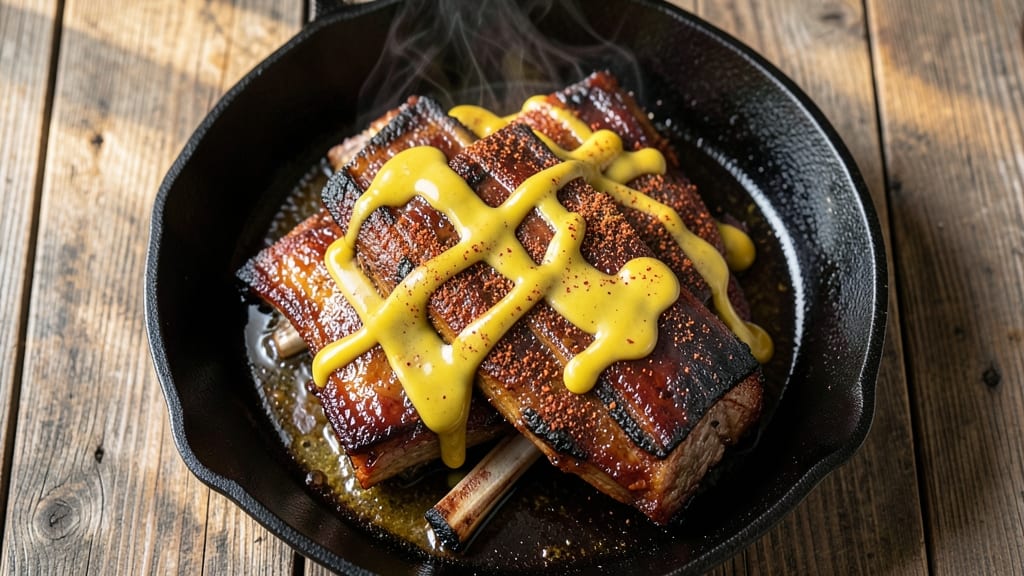
Unlocking the secrets of a bar BQ beef ribs recipe starts with that perfect balance of fall-off-the-bone tenderness and smoky bark. This recipe transforms tough rib meat into a restaurant-quality centerpiece using the 3-2-1 method—a foolproof technique that guarantees melt-in-your-mouth results.
I’ve spent years perfecting this process, and the key lies in patience, precise temperature control, and a well-seasoned rub that builds deep flavor.
The secret starts with a dry rub that forms a flavorful crust while keeping the meat moist underneath. You’ll work with St. Louis-style beef ribs, which are ideal for their marbling and size, and cook them low and slow to break down the connective tissue.
The smoke infusion from hardwood—like hickory or cherry—adds that signature barbecue aroma, while a final high-heat sear locks in juices for maximum tenderness.
By the time you’re done, you’ll have ribs so tender they pull apart with just a fork, wrapped in a caramelized bark that’s both crisp and sticky. The meat will glisten with natural juices, and every bite will deliver layers of smoky, savory, and slightly sweet flavors.
This isn’t just a recipe—it’s a weekend project that transforms your backyard (or grill) into a barbecue showstopper.
Serve with classic sides like creamy coleslaw, buttery cornbread, and pickled jalapeños for the full experience. The leftovers? Even better the next day, reheated gently to preserve that perfect texture. Let’s get started on ribs that will have your guests begging for the recipe.
Ingredients for bar bq beef ribs
Four pounds of ribs, a smoky rub, and patience—this is all you need for ribs that rival the best barbecue joints.
| Ingredient | Amount | Notes |
|---|---|---|
| St. Louis-Style Beef Ribs 🍖 | 4 lb | Bone-in, meaty ends preferred |
| Yellow Mustard 🍯 | ¼ cup | For initial coating |
| Kosher Salt 🧂 | ½ cup | Diamond Crystal preferred |
| Black Peppercorns 🌶️ | 2 tbsp | Freshly cracked preferred |
| Smoked Paprika 🌶️ | 2 tbsp | For deep smoky flavor |
| Garlic Powder 🧄 | 1 tbsp | Freshly ground preferred |
| Onion Powder 🧅 | 1 tbsp | For sweet depth |
| Brown Sugar 🍚 | ½ cup | Light or dark works |
| Ground Chipotle Pepper 🌶️ | 1 tbsp | Adjust for heat preference |
| Hickory Wood Chips 🌳 | 2 cups | Or cherry for fruitier smoke |
| Apple Cider Vinegar 🍎 | ¼ cup | For spritzing during cook |
| Unsalted Butter 🧈 | ½ cup | Cold, cubed for final sear |
| Fresh Rosemary 🌿 | ¼ cup | Chopped, for final aroma |
| Fresh Thyme 🌿 | ¼ cup | Chopped, for final aroma |
The ribs are non-negotiable here—St. Louis-style with that perfect marbling and size. Costco or Whole Foods usually carry them pre-cut, but if buying whole, look for full racks with meaty ends. Freshly cracked peppercorns make a world of difference—Penzeys or bulk bins are worth the splurge. The wood chips? Hickory for classic smoke, cherry for fruitier notes. Soak them for 30 minutes before using, or they’ll burn. I always grab extra—halfway through the cook, you’ll want to refresh the smoke.
No yellow mustard? Dijon or olive oil works in a pinch for the initial coating. Smoked paprika hard to find? Regular paprika plus a pinch of liquid smoke gets you close. The brown sugar can be swapped for turbinado for a crisper bark. For heat, cayenne at half the amount works if you don’t have chipotle. Fresh herbs? Dried at one-third the amount is fine, but fresh gives that bright finish. The apple cider vinegar spritz? White vinegar works too—just don’t use balsamic, which is too sweet.
These ribs are a weekend project, so plan ahead. The dry rub keeps 1 week in an airtight container—make extra for future smoky projects. Cooked ribs reheat beautifully wrapped in foil at 300°F for 15 minutes. Store leftovers in the fridge for 4 days, or freeze for 3 months. The bark gets crispier when reheated—just add a splash of water to the foil before sealing. For serving, I like to let them rest 10 minutes off the grill before cutting—keeps everything juicy.
Why You'll Love This Recipe
- Here’s what sold me: the ribs stay juicy for days, and the flavor only gets better. I’ll often cook a full rack, then portion them for sandwiches or salads all week—no sad, dry meat, just pure satisfaction.
- Foolproof Prep: I swear by this method—just slather those St. Louis ribs with yellow mustard and smoked paprika, then let the grill do the heavy lifting. No fancy marinades or hours of brining; just 10 minutes of hands-on time before you walk away.
- Smoky-Sweet Magic: That yellow mustard isn’t just for show—it cuts through the richness while the smoked paprika adds this deep, woodsy warmth. The kosher salt and cracked peppercorns? They turn every bite into a perfect balance of crispy, tender, and just spicy enough.
- Tailgate or Tuesday: Between us, these ribs are my go-to for game days and lazy Sundays. The same simple seasoning works whether you’re feeding a crowd or reheating leftovers for lunch—no excuses to skip the grill.
Step-by-step instructions for perfectly smoked beef ribs
Here's the method that delivers melt-in-your-mouth ribs with a dark, crackling bark every time.
Prepare the Dry Rub and Coat the Ribs
In a large bowl, combine all 0.5 cup kosher salt, 2 tbsp black peppercorns, 2 tbsp smoked paprika, 1 tbsp garlic powder, 1 tbsp onion powder, 0.5 cup brown sugar, and 1 tbsp ground chipotle pepper. Mix thoroughly until the spices are evenly distributed and the sugar crystals dissolve into the salt.
Pat the 4 lb St. Louis-style beef ribs completely dry with paper towels—this is crucial for bark formation. Then, spread 0.25 cup yellow mustard evenly over both sides of the ribs. The mustard acts as a binder and helps the rub stick. Press the dry rub mixture firmly into the meat, coating every surface, including the bone ends. This ensures maximum flavor penetration and even seasoning.
Set Up the Smoker and Preheat
Fill your smoker box with 2 cups hickory wood chips and soak them in water for 30 minutes before use. This prevents flare-ups and ensures steady smoke production. Assemble your smoker and preheat to 225°F. The goal is low-and-slow cooking, which breaks down the connective tissue for that signature tender texture.
Place a water pan in the smoker to maintain moisture levels during the cook. Once the temperature stabilizes and you see thin, blue smoke (not thick white steam), the smoker is ready. Position the ribs bone-side down on the grill grate. This orientation allows the meat to cook evenly and helps prevent the bones from burning while the meat tenderizes.
Smoke the Ribs with Precision
Smoke the ribs undisturbed for 5 hours, maintaining a consistent 225°F temperature. This is where patience pays off—resist the urge to open the smoker lid, as each time you do, you lose heat and extend cooking time. Every 90 minutes, spritz the ribs generously with 0.25 cup apple cider vinegar using a spray bottle. This keeps the surface moist, promotes bark formation, and adds a subtle tangy depth to the flavor.
After 5 hours, check the internal temperature using a meat thermometer. The ribs should reach 165°F in the thickest part of the meat. If they haven't quite reached this temperature, continue smoking for another 30-60 minutes. The meat will continue to cook as it rests, so don't worry if it's not quite there yet.
Wrap and Finish the Cook
Once the ribs hit 165°F, remove them from the smoker and wrap them tightly in heavy-duty aluminum foil. This is the "Texas crutch" technique, which helps push the ribs through the "stall" and ensures they finish cooking without drying out. Return the wrapped ribs to the smoker and continue cooking at 225°F for another 1.5 to 2 hours. The internal temperature should rise to 203°F, at which point the ribs should be probe-tender—meaning a meat thermometer slides in like butter.
Here's the thing—don't skip the wrap. It might seem counterintuitive after all that smoky bark development, but this step guarantees fall-off-the-bone tenderness. The ribs will develop a glossy sheen from the steam, and the bark will remain intact when unwrapped.
Add the Butter Bash and Rest
Remove the ribs from the smoker and let them rest on a cutting board for 10 minutes. While they rest, prepare the butter bash by combining 0.5 cup unsalted butter, 0.25 cup chopped fresh rosemary, and 0.25 cup chopped fresh thyme in a small saucepan. Melt the butter over low heat until it just begins to foam, then remove from heat.
Unwrap the ribs and brush the melted butter mixture generously over the meat, coating every surface. This step adds a rich, aromatic finish and enhances the bark with a glossy sheen. Let the ribs rest for an additional 10 minutes before serving. This final rest ensures the juices redistribute, making each bite incredibly moist and flavorful.
Pro Tips For Making Bar Bq Beef Ribs
- CRANK THE HEAT FIRST: St. Louis ribs need that initial sear to lock in flavor, so blast your grill or pan to 450°F+—yes, even for beef. I used to play it safe at 375°F, and the ribs never got that deep, caramelized crust. High heat for the first 5 minutes makes all the difference when you’re working with a small cut like these.
- SALT THE MEAT BEFORE MUSTARD: Toss those ribs with kosher salt and cracked peppercorns before slathering on the yellow mustard—this ensures the seasoning sticks to the surface. I learned this the hard way: mustard acts like a barrier, and the salt just slides off. A light coat of salt first means the mustard adheres better and the crust forms properly.
- SKIP THE CROWDED GRILL: St. Louis ribs are thick and need room to breathe—don’t pile them like a buffet. Leave at least 1 inch of space between racks so they brown evenly and don’t steam. I once stacked them like a Jenga tower, and half came out soggy. Space = crispy, every time.
- USE A SPRITZ BOT FOR MOISTURE: After the initial sear, hit the ribs with a 50/50 apple cider vinegar-water mix every 20 minutes using a spray bottle. This keeps them tender without drowning them in sauce. I was skeptical—"Why not just add more mustard?"—but the acid cuts through the richness and keeps the meat from drying out. Works like a charm.
Creative variations of this bar bq beef ribs
Carolina-Style Vinegar Sauce
If you love tangy, thin sauces, try the Carolina approach—replace the dry rub with a vinegar-based sauce made from 1 cup apple cider vinegar, ½ cup ketchup, ¼ cup brown sugar, 1 tbsp hot sauce, and 1 tsp smoked paprika.
Simmer for 10 minutes until thickened, then brush generously over ribs during the last 1 hour of cooking. The acidity tenderizes the meat while adding a bright, zesty kick. 🌶️
Memphis Dry Rub Twist
For a Memphis-inspired variation, boost the rub with 1 tbsp cayenne pepper and 1 tbsp mustard powder for extra heat and depth.
Skip the wrap and cook ribs uncovered until they reach 203°F, then finish with a butter sauce made from ½ cup melted butter, 2 tbsp brown sugar, and 1 tbsp hot sauce. This creates a sticky, caramelized bark with a spicy-sweet finish. 🔥
Asian-Inspired Glaze
Infuse your ribs with umami by adding 1 tbsp soy sauce and 1 tbsp sesame oil to the dry rub. During the last 30 minutes, brush with a glaze of ¼ cup hoisin sauce, 2 tbsp honey, and 1 tbsp rice vinegar.
The result? A perfect blend of smoky, sweet, and savory flavors that’s sure to impress. 🌟
Spicy Coffee Rub
For a bold, aromatic twist, mix 1 tbsp instant coffee and 1 tbsp cocoa powder into your dry rub. The coffee enhances the smoky flavor, while the cocoa adds depth.
Add ½ tsp cinnamon for warmth, and finish with a sprinkle of crushed red pepper flakes before serving. This rub is perfect for those who love complex, coffee-infused flavors. ☕
Bourbon-Infused Bark
Elevate your ribs with a boozy touch by adding 2 tbsp bourbon to the dry rub. After smoking, brush the ribs with a mixture of ¼ cup bourbon, 2 tbsp brown sugar, and 1 tbsp apple cider vinegar.
Light the bourbon carefully (safely!) for a dramatic flame, then let it caramelize into a glossy, sticky bark. This adds a rich, smoky-sweet depth that’s perfect for special occasions. 🍸
Sweet and Smoky Maple Glaze
Swap the brown sugar in the rub for ½ cup maple syrup and add 1 tsp cinnamon. During the last 45 minutes, brush the ribs with a glaze of ½ cup maple syrup, 2 tbsp Dijon mustard, and 1 tbsp balsamic vinegar.
The glaze caramelizes beautifully, creating a sweet-savory balance that’s irresistibly sticky and glossy. 🍁
Nutrition facts
Frequently asked questions
What’s the best wood for smoking beef ribs?
Hickory is the classic choice for its strong, bold smoke flavor, but cherry adds a sweeter, fruitier note. Avoid pine—it can make the ribs taste bitter. For a milder smoke, try pecan or oak. Soak your wood chips for 30 minutes before using to prevent flare-ups.
Why do my ribs turn out tough instead of tender?
Most likely, you didn’t cook them long enough at 225°F. Ribs need 10-12 hours total to break down connective tissue. Check your smoker’s temperature—fluctuations above 250°F can dry them out. Also, skip the wrap too early; ribs should hit 165°F before wrapping for the Texas crutch method.
Can I cook these ribs in an oven instead of a smoker?
Yes! Use a meat thermometer and maintain 225°F with an oven-safe roasting pan and aluminum foil. Place a water pan inside for moisture. The cook time will be similar—5 hours uncovered, then wrap and cook another 1.5-2 hours until 203°F. For smoke flavor, add wood chips to a smoker box on the oven rack.
How do I store and reheat leftover ribs?
Wrap ribs tightly in foil and refrigerate for up to 4 days. To reheat, bake at 300°F for 15 minutes wrapped, then broil for 2-3 minutes to crisp the bark. For leftovers, a splash of water in the foil before reheating keeps them moist. Freeze for up to 3 months—thaw overnight in the fridge before reheating.
What sides pair best with these ribs?
Classic barbecue sides like creamy coleslaw, buttery cornbread, and pickled jalapeños balance the richness. For a heartier meal, add mac and cheese or grilled corn on the cob. Serve with a light beer or sweet tea to cut through the smoky flavors. The key is contrast—cool, creamy, or tangy sides complement the ribs perfectly.