
Main Courses
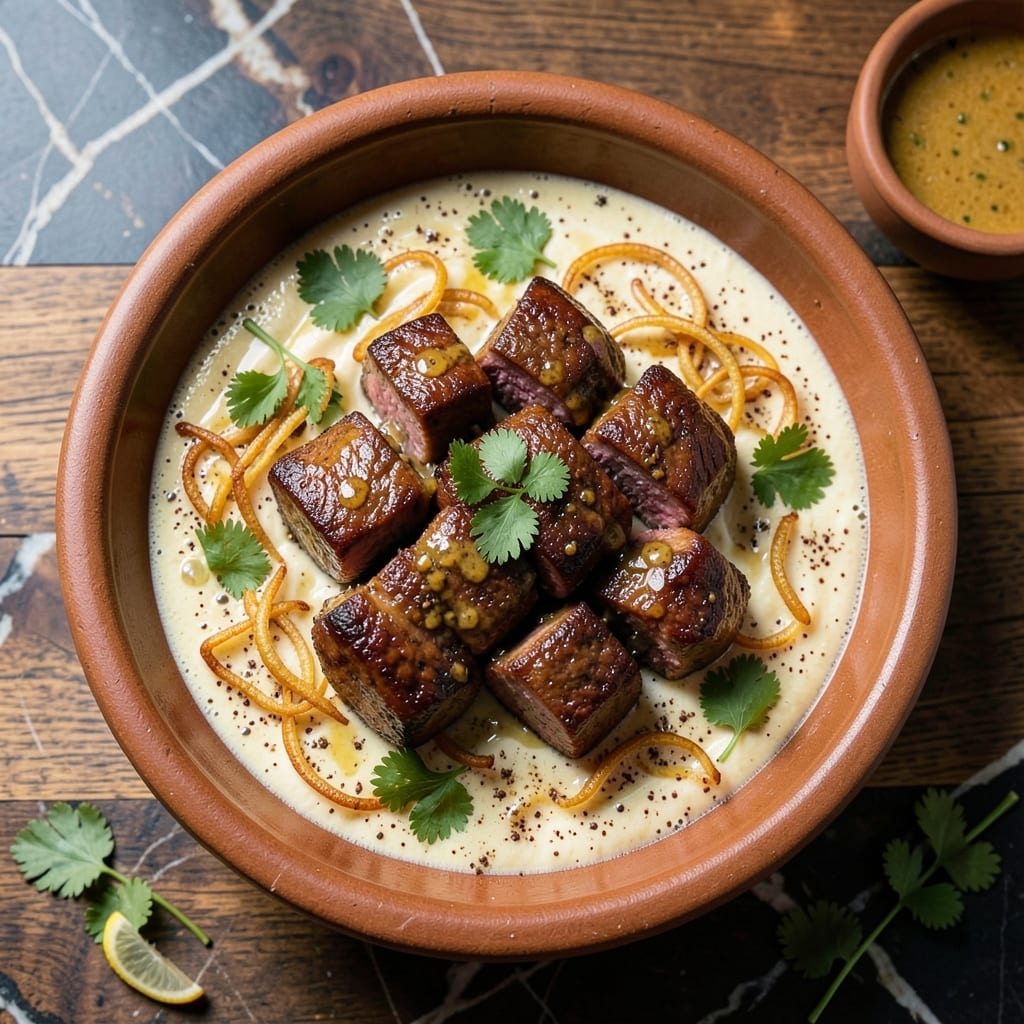
This Bangladeshi beef recipe delivers restaurant-quality tenderness and bold spices that transform tough cuts into melt-in-your-mouth perfection. The secret lies in slow-simmering—where aromatic whole spices like cinnamon, cardamom, and cloves infuse the meat over hours, creating layers of flavor that balance heat and warmth. I first made this version after discovering how traditional Bangladeshi cooking techniques elevate simple ingredients into something extraordinary.
The dish begins with a vibrant marinade of yogurt, ginger-garlic paste, and a blend of turmeric, coriander, and cumin—each spice playing its part in breaking down the meat while building complexity. After browning the beef in ghee for deep flavor, the slow simmer in tomato-based gravy develops a rich, velvety sauce that clings to every bite. This method ensures tender meat with a sauce that's neither too sweet nor overly spicy, striking the perfect balance.
What makes this recipe truly special is how it captures the essence of Bangladeshi home cooking—where spices are toasted whole for maximum aroma, and patience transforms tough cuts into something luxurious. The result is a dish that pairs beautifully with fragrant basmati rice or fluffy naan, making it ideal for family gatherings or special occasions. Every bite delivers that perfect harmony of smoky, spiced beef with a sauce that's rich yet balanced.
Once you try this method, you'll understand why this dish remains a staple in Bangladeshi cuisine. The slow cooking process not only tenderizes the meat but also allows the spices to develop their full potential, creating a flavor profile that's both comforting and exciting. Whether you're serving it for a celebration or a weeknight dinner, this recipe delivers authentic taste with minimal effort.
Ingredients for bangladeshi beef
Transform tough beef into melt-in-your-mouth perfection with these aromatic spices and slow-cooked techniques.
| Ingredient | Amount | Notes |
|---|---|---|
| Beef Chuck Roast 🥩 | 2 lb | Tough cut for slow-cooking tenderness |
| Plain Yogurt 🥛 | 1 cup | Full-fat for best marinade texture |
| Ginger-Garlic Paste 🧄 | ½ cup | Freshly made for vibrant flavor |
| Ghee 🧈 | ½ cup | Clarified butter for rich flavor |
| Ground Cumin 🌿 | 1 tbsp | Toasted for deeper aroma |
| Ground Coriander 🌿 | 1 tbsp | Freshly ground preferred |
| Turmeric Powder 🌶️ | 1 tsp | Bright yellow for color and earthiness |
| Whole Cinnamon Sticks 🌿 | 2 pieces | Toasted for aromatic depth |
| Green Cardamom Pods 🌿 | 6 whole | Lightly crushed for subtle sweetness |
| Black Cardamom Pods 🌿 | 2 whole | Toasted for smoky complexity |
| Cloves 🌶️ | 4 whole | Whole for slow infusion |
| Tomato Puree 🍅 | 1 cup | San Marzano preferred for sweetness |
| Fresh Fenugreek Leaves 🌿 | ¼ cup | Optional for authentic flavor |
| Water 💧 | 1 cup | For balancing sauce consistency |
| Salt 🧂 | 1 ½ tsp | Diamond Crystal preferred |
| Black Peppercorns 🌶️ | ½ tsp | Freshly cracked for heat |
The beef cut is critical here—chuck roast delivers that signature tender texture after hours of simmering. Look for well-marbled pieces at your local butcher or Whole Foods meat counter, where they can cut it to your preferred size. For the spices, Penzeys Spices or bulk bins at Indian grocery stores offer the freshest whole spices. Toast your cinnamon sticks, cardamom pods, and cloves in a dry pan for 30 seconds before grinding—this releases their essential oils and creates that authentic aromatic depth that defines Bangladeshi cooking. The ginger-garlic paste should be freshly made; store-bought versions often lack the vibrant punch needed for this dish.
No whole spices? Pre-ground spices work in a pinch, though you'll lose some complexity. Substitute black cardamom with an extra pinch of smoked paprika if unavailable. For the yogurt, Greek-style full-fat works best—it's thick enough to cling to the meat during marinating. The fenugreek leaves are optional but add that signature bitterness that balances the richness. If you can't find fresh fenugreek, dried fenugreek seeds at one-third the amount will work, though the flavor will be more muted. The tomato puree should be high-quality—San Marzano cans are worth the investment for their natural sweetness that prevents the sauce from becoming overly acidic.
Marinate the beef for at least 4 hours, preferably overnight, to maximize tenderness. Store any unused marinade or spices in airtight containers away from light—they'll keep for up to 3 months if properly sealed. The cooked dish reheats beautifully; simply warm in a saucepan with a splash of water for 2-3 minutes over medium heat. This recipe makes enough for leftovers—portion into containers for 3-4 days of lunches, or freeze for up to 3 months without losing quality. The spices intensify when reheated, so leftovers often taste even better the next day.
Why You'll Love This Recipe
- Foolproof Simplicity: I swear by this recipe because it’s one-pot magic—just sear the beef, dump in the yogurt and spices, then let it slow-cook. No chopping, no fuss, just hands-off perfection while you stir in that ginger-garlic paste at the end. Honestly, my slow cooker does 90% of the work.
- Rich, Tangy Depth: That yogurt marinade? It’s the secret weapon—creamy, slightly sour, and packed with cumin warmth. The ghee caramelizes the edges into crispy bits, while the chuck roast stays tender enough to melt. Between us, it’s the kind of dish that makes you reach for seconds without even thinking.
- Weeknight to Special Occasion: I make this for lazy Tuesdays and weekend gatherings—same recipe, just different sides. Serve it with steamed rice for a quick meal, or load it onto naan with pickles for a showstopper. (Yes, even on a Tuesday night.)
- Budget-Friendly Feast: A single chuck roast stretches across three meals—first as a curry, then shredded into sandwiches, and finally as a hearty stew. The yogurt and spices cost pennies, and the flavor? Ridiculously good. My wallet and my family thank me every time.
Step-by-step instructions for slow-simmered Bangladeshi beef
Transform tough beef into melt-in-your-mouth perfection through precise layering of spices and slow cooking.
Marinate the Beef for Maximum Tenderization
In a large mixing bowl, combine the 2 lb beef chuck roast with the 1 cup plain yogurt, 0.5 cup ginger-garlic paste, 1 tbsp ground cumin, 1 tbsp ground coriander, and 1 tsp turmeric powder. Massage the marinade into the beef using your hands, ensuring it penetrates all surfaces and crevices. The yogurt will begin breaking down the muscle fibers immediately, while the ginger-garlic paste infuses vibrant flavor.
Cover the bowl with plastic wrap and refrigerate for at least 4 hours, preferably overnight. This extended marinating time is crucial for achieving that signature tenderness. The acidity in the yogurt works its magic slowly, while the spices create an aromatic barrier that will develop during cooking. Real talk: if you're short on time, marinate for a minimum of 2 hours, but don't skip this step entirely—it's what transforms tough chuck into restaurant-quality beef.
Sear the Beef for Deep Flavor Development
Remove the beef from the refrigerator 30 minutes before cooking to bring it to room temperature. Heat a heavy-bottomed Dutch oven over medium-high heat and add the 0.5 cup ghee. Once the ghee is shimmering but not smoking (around 350°F), carefully add the beef in a single layer, working in batches if needed to avoid crowding.
Sear each side for 3-4 minutes until developing a deep golden-brown crust. This isn't just about color—it's about creating the Maillard reaction that forms complex flavors. I press down gently on the beef during the first minute of searing to prevent it from curling and ensure even contact with the pan. Don't walk away during this step; the beef burns quickly once it releases from the marinade. Once seared, remove the beef and set it aside on a plate.
Build the Spice Base in the Dutch Oven
In the same Dutch oven, add the 2 pieces whole cinnamon sticks, 6 whole green cardamom pods, 2 whole black cardamom pods, and 4 whole cloves. Toast these spices over medium heat for 1-2 minutes until fragrant and the spices begin to release their essential oils. This step is where the authentic Bangladeshi flavor profile begins to develop.
Add the 1 cup tomato puree and cook for 3-4 minutes until it thickens slightly and darkens in color. This reduction process concentrates the flavors and forms the foundation of your sauce. Stir occasionally to prevent burning, especially at the bottom where those spices have released their oils. The mixture should coat the back of a spoon with a rich, aromatic consistency.
Simmer the Beef Until Fork-Tender
Return the seared beef to the Dutch oven along with any accumulated juices. Pour in the 1 cup water and add the 1.5 tsp salt and 0.5 tsp black peppercorns. Bring the mixture to a gentle simmer over medium-low heat, then reduce to low heat (around 170°F) and cover with a tight-fitting lid. This is where patience pays off—the beef needs to cook slowly for 3-4 hours until it's fork-tender.
Check the beef after 2 hours by inserting a fork into the thickest part. If it pierces easily with minimal resistance, it's nearly done. If not, continue cooking and check every 30 minutes. The sauce should reduce to a thick, glossy consistency that clings to the beef. Here's the thing—this long simmer time is non-negotiable for achieving that signature melt-in-your-mouth texture that makes this dish so special.
Finish with Fenugreek and Adjust Seasoning
Once the beef is fork-tender, stir in the 0.25 cup fresh fenugreek leaves (if using) and simmer uncovered for an additional 5-7 minutes. This final step adds a distinctive bitterness that balances the richness of the dish. Taste the sauce and adjust seasoning with additional salt or pepper if needed. The fenugreek leaves will wilt and infuse their flavor into the sauce.
Let the beef rest in the sauce for 10 minutes before serving. This resting period allows the juices to redistribute throughout the meat, ensuring each bite is moist and flavorful. Serve the beef with the sauce spooned over the top and accompanied by steamed basmati rice or naan bread. The result should be beef that falls apart with gentle pressure, coated in a rich, aromatic sauce that's both complex and perfectly balanced.
Pro Tips For Making Bangladeshi Beef
- Brown the Meat First: Don’t skip the sear—get that beef chuck roast screaming hot in ghee until it’s deep golden brown. I learned this the hard way: skipping this step means your curry will taste bland and watery, no matter how much cumin you add. ---
- Whisk the Yogurt: Beat that plain yogurt until smooth before mixing it into the sauce—lumps turn to gluey messes. Use a fork or whisk, and if it’s thick, thin it slightly with water. Trust me, your future self will notice the difference. ---
- Low and Slow Wins: After the initial sear, drop the heat to a simmer and cover the pot. Let it cook for at least 2 hours—yes, even if you’re impatient. Rushing this turns tough beef into chewy disappointment. ---
- Toast the Cumin First: Bloom that ground cumin in ghee for 30 seconds until it smells nutty and fragrant. This isn’t just about flavor—it deepens the earthiness and cuts through the richness of the yogurt. Skip it, and your dish loses half its soul.
Regional styles of bangladeshi beef
Dhaka-Style Beef Bhuna
This version from Bangladesh's capital city uses a tomato-heavy gravy with less yogurt in the marinade, creating a tangier, slightly sweeter profile. The key difference? A longer simmer time (up to 5 hours) with more whole spices—including star anise and bay leaves—that develop deeper complexity. I add 1 tbsp brown sugar to the tomato puree for that signature caramelized depth. 🌶️
Chittagong Beef Rogan Josh
In Chittagong's coastal region, this dish leans into seafood-inspired flavors with lemongrass and shrimp paste (about 1 tbsp) in the marinade. The sauce incorporates 1 cup coconut milk at the end for a velvety texture, balancing the heat. Serve with steamed jasmine rice instead of basmati to complement the tropical notes. The dish is traditionally finished with 1 tsp rose water for floral elegance.
Rangpur's Smoky Beef
Rangpur's version replaces ghee with mustard oil (heat until smoking point dissipates) and adds 1 tbsp crushed fennel seeds to the spice base. The beef is parboiled for 15 minutes before searing to ensure extra tenderness. This method creates a slightly smoky aroma that pairs perfectly with flatbreads like luchi. The sauce is finished with 1 tsp tamarind paste for a tangy kick.
Sylhet's Mountain-Style
In Sylhet's hilly regions, the dish incorporates forest herbs like wild coriander and lemongrass stems (about ¼ cup chopped) into the marinade. The cooking process uses less water (just ½ cup) to create a thicker, jam-like sauce. This version often includes 1 small potato (peeled and cubed) cooked alongside the beef for heartiness. The dish is traditionally served with sticky rice to soak up the rich sauce.
Dhaka's Quick-Prep Version
For busy weeknights, Dhaka's home cooks use pre-ground spices and reduce simmering time to 2 hours by adding 1 tbsp vinegar to the marinade. The sauce is finished with 1 tsp ketchup (a modern twist) for subtle sweetness. This version works perfectly with store-bought naan and is ideal for feeding a crowd quickly without sacrificing flavor.
Authentic Biryani Adaptation
In some rural areas, this beef is prepared as a biryani-style dish by layering it with partially cooked basmati rice, saffron milk, and fried onions. After simmering the beef, the rice is added and steamed together for 15 minutes. The dish is finished with fried cashews and raisins for texture. This method creates a one-pot meal that's perfect for special occasions.
Nutrition facts
Frequently asked questions
Can I substitute beef chuck roast with another cut?
Yes, but choose wisely! For best results, use beef shank or brisket—both have excellent fat content and connective tissue that break down beautifully during slow cooking. Avoid lean cuts like sirloin, as they won't become tender enough. If using shank, trim excess fat first and add 1 extra hour to the simmering time for perfect tenderness.
How do I make this dish less spicy?
Reduce or omit the black cardamom and black peppercorns entirely—they contribute the most heat. For a milder version, use ½ tsp of each instead of the full amount. You can also add 1 tbsp honey or 1 tsp sugar to the sauce at the end to balance any lingering spice. The yogurt marinade already helps mellow the flavors naturally.
Can I make this recipe in a slow cooker? Brown the beef first in a skillet (this step is crucial for flavor), then transfer everything to your slow cooker. Cook on low for 6-7 hours or high for 4-5 hours. The slow cooker's gentle heat will achieve the same tender results. Just
What's the best way to store leftovers?
Let the dish cool completely, then store in an airtight container in the refrigerator for up to 4 days. For freezing, portion into individual containers and freeze for up to 3 months. When reheating, warm in a saucepan over medium-low heat with a splash of water to prevent drying out. The flavors actually improve after resting overnight!
Why did my beef turn out dry?
This usually happens from overcooking or not enough liquid in the pot. Always maintain a low simmer with the lid on—never a rolling boil. If your sauce reduces too much, add 2-3 tbsp water or broth during cooking. For extra moisture, try adding ½ cup coconut milk at the end. The beef should be fork-tender but still juicy, not stringy.