
Soups & Stews
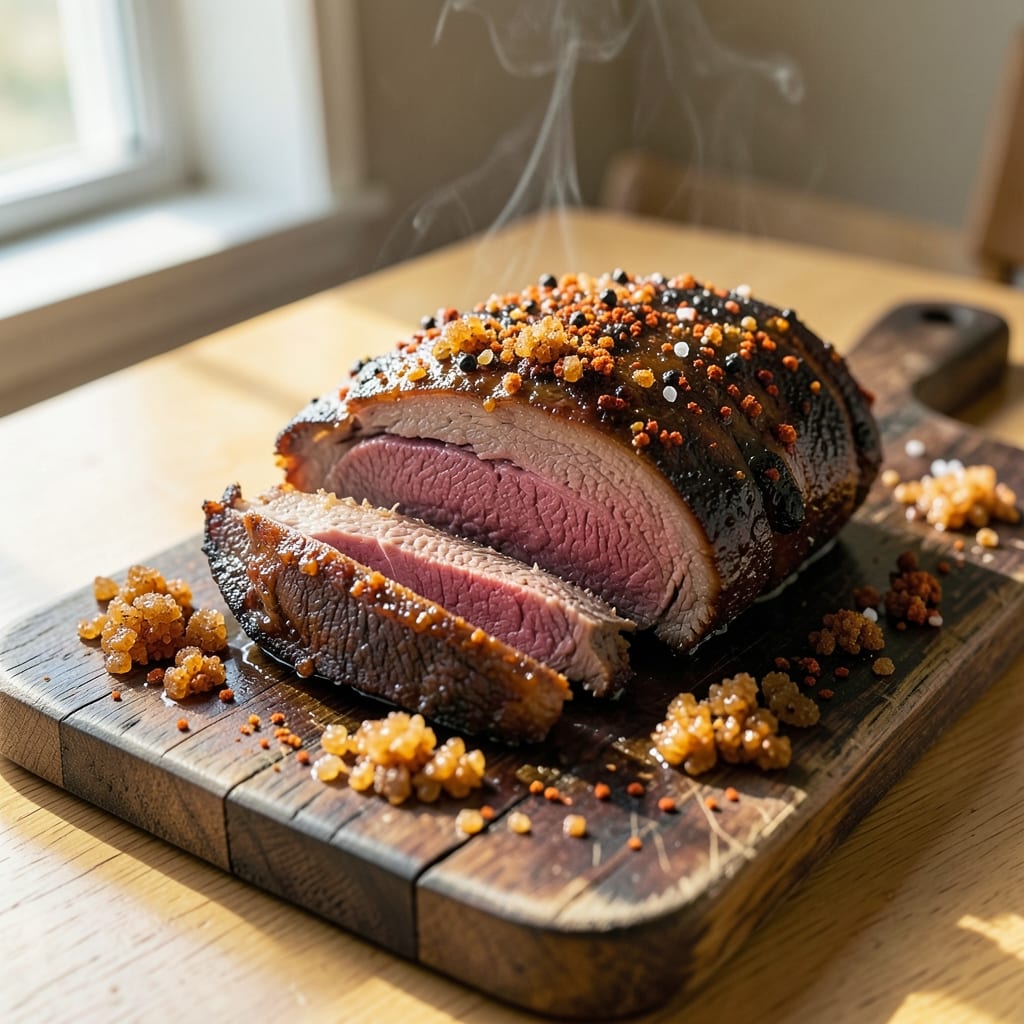
This Baltimore pit beef rub recipe transforms tough cuts into smoky, tender perfection with every bite—just like the legendary pits of Baltimore. The secret lies in balancing sweet, spicy, and smoky notes into a dry blend that clings to meat like a second skin. I developed this after years of experimenting with regional pit styles, and it delivers that signature crust without overpowering the meat.
The blend is designed for dry application before slow cooking, creating a caramelized bark that locks in moisture while adding layers of flavor. You’ll need just 6 ingredients—no fancy equipment, just precise measurements and a fine-mesh sieve for even distribution. This isn’t your average BBQ rub; it’s a foolproof method that turns any cut of beef into a crowd-pleaser.
Once applied, the rub develops a deep, smoky aroma as it cooks, forming a glossy crust that’s both tender and slightly crisp. The sweetness from brown sugar caramelizes beautifully, while the cayenne and black pepper add just enough heat to keep it interesting. Perfect for brisket, pork shoulder, or even chicken thighs, this rub works on any slow-cooked protein.
Store the mix in an airtight container for up to 3 months, ready to elevate your next pit master project. The best part? It’s a game-changer for home cooks who want restaurant-quality results without the guesswork. Let’s get started!
Ingredients for baltimore pit beef rub
Six simple spices. One legendary crust. Game-changer for pit perfection.
| Ingredient | Amount | Notes |
|---|---|---|
| Light Brown Sugar 🍚 | 1 cup | Packed, not granulated |
| Smoked Paprika 🌶️ | 2 tbsp | High-quality, not sweet |
| Ground Black Pepper 🌶️ | 1 ½ tbsp | Freshly ground preferred |
| Cayenne Pepper 🔥 | 1 ½ tsp | Adjust for heat preference |
| Kosher Salt 🧂 | 1 ½ tbsp | Diamond Crystal preferred |
| Ground Mustard 🌿 | 1 tbsp | Powdered works too |
The brown sugar is non-negotiable—it’s what gives that signature caramelized bark. Muscovado or light brown sugar works best, but regular light brown will do in a pinch. I always grab mine from Whole Foods or the bulk section at Trader Joe's—it’s worth the extra penny for that deep molasses flavor. Smoked paprika is the soul of this rub; Penzeys or McCormick Gourmet are my go-tos. Skip the sweet paprika—you want that smoky depth. For the mustard, powdered is easier to measure, but ground mustard seeds add a nice texture if you’re feeling fancy.
No smoked paprika? Regular paprika plus a pinch of liquid smoke gets you close, but it’s not the same. Short on cayenne? Red pepper flakes at half the amount work, but you’ll lose some of that sharp kick. The mustard can be swapped for Dijon powder if that’s what’s in your pantry. For a deeper smoky flavor, add a pinch of chipotle powder—it’s a secret weapon I use when I’m feeling extra ambitious. If you’re making this for a crowd, double the batch and store it in two separate jars—you’ll thank me later.
This mix keeps for 3-6 months in an airtight container, so make a big batch. I like to portion it into small glass jars—they’re perfect for gift-giving and keep the spices fresh longer. If you’ve got extra, freeze it in ice cube trays for single-use portions. The rub loses potency over time, so check the smell before using—if it doesn’t smell like smoky heaven, it’s time to make a fresh batch. Trust me, your brisket will thank you.
Why You'll Love This Recipe
- Five-Minute Mix: I swear, this rub takes less time to blend than my morning coffee. Just toss those five ingredients—light brown sugar for that caramelized sweetness, smoked paprika for depth—into a bowl, stir, and you’re done. No fancy techniques, no waiting for spices to "bloom." Honestly, I’ve made it in my car on the way to a potluck.
- Smoky-Sweet Magic: That first bite? The brown sugar caramelizes into the beef while the smoked paprika adds this warm, earthy punch—like a hug from a Baltimore summer. The cayenne gives it a slow-building heat, but the black pepper keeps it balanced. It’s the kind of flavor that makes people ask, "What’s in this?" before you even answer.
- Tailgate or Tuesday: Slap this rub on sandwich meat for a quick lunch, or let it sit on brisket for hours in the slow cooker. I’ve used it on chicken thighs for game day, on steaks when I’m feeling fancy, and even on roasted potatoes when I’m lazy. Between us, it’s my go-to for anything that needs to pop—no excuses.
Step-by-step instructions for Baltimore pit beef rub
Here's how to blend this iconic rub that delivers that signature Baltimore pit beef bark.
Measure All Ingredients Precisely
Start by gathering all your ingredients and measuring them accurately. I like to use a kitchen scale for the 1 cup light brown sugar to ensure it's packed firmly—this prevents clumping later. For the spices, use a fine-mesh measuring spoon for the 1.5 teaspoons cayenne pepper to avoid overfilling, and a standard measuring spoon for the 2 tablespoons smoked paprika.
The 1.5 tablespoons ground black pepper and 1.5 tablespoons kosher salt should be measured using the spoon-and-level method for consistency. The 1 tablespoon ground mustard adds depth and shouldn't be skipped—it's what gives this rub its signature tangy kick. Place all ingredients in a medium bowl for mixing.
Whisk the Dry Ingredients Thoroughly
Using a whisk, combine all the dry ingredients in the bowl. Start by mixing the light brown sugar with the smoked paprika and ground black pepper until they're evenly distributed. The sugar will help create a sticky, clingy texture that's perfect for pit beef.
Gradually incorporate the remaining ingredients—cayenne pepper, kosher salt, and ground mustard)—while continuing to whisk. You're aiming for a uniform, fine powder with no visible streaks of individual spices. This ensures every bite of your beef gets the same bold, balanced flavor.
Test the Rub on a Small Batch
Before committing to your entire batch, I recommend testing the rub on a small piece of beef—like a steak or even a pork chop. Rub a thin layer onto the meat and let it sit for 10 minutes at room temperature. This gives you a chance to taste and adjust the seasoning before applying it to your main cut.
After the 10-minute rest, sample the rub directly from the meat. The flavor should be complex—smoky from the paprika, sweet from the brown sugar, with a noticeable heat from the cayenne and a subtle tang from the mustard. If it's too mild, add a pinch more cayenne or salt. If it's too spicy, reduce the cayenne slightly in your full batch.
Store for Maximum Freshness
Once your rub is perfectly balanced, transfer it to an airtight container. I prefer glass jars with tight-sealing lids—they keep the spices fresh longer and allow you to see the rub's rich color. Store it in a cool, dark place like your pantry, where it'll stay potent for up to 3 months.
For best results, I like to make fresh rub for each cook session, especially if you're smoking a large cut of beef. The spices lose some of their punch over time, and the brown sugar can harden. But if you must store it, bring it to room temperature before using to prevent moisture buildup that could clump the rub.
Pro Tips For Making Baltimore Pit Beef Rub
- TOAST THE SPICES FIRST: I learned this the hard way—skipping it makes the rub smell amazing but taste flat. Lightly toast the smoked paprika and cayenne in a dry pan for 30 seconds until fragrant. The heat deepens their flavor, cutting through the sweetness of the brown sugar.
- SALT THE MEAT BEFORE RUBBING: Don’t just slather the rub on dry. Pat the beef dry, then season it with 1/2 teaspoon kosher salt per pound before applying the rub. This ensures the rub sticks and penetrates, not just clings to the surface like dust.
- DON’T SKIP THE REST: After applying the rub, let the beef sit uncovered in the fridge for at least 4 hours—or overnight if possible. I know, you’re eager to cook, but this step lets the salt and spices work their magic, locking in moisture and building that iconic crust.
- USE A MIXER FOR EVEN COATING: I used to eyeball the rub distribution, and some chunks always ended up uneven. Pulse all ingredients in a food processor for 10 seconds—just enough to break up clumps—then shake it in a jar. The result? A consistent, clingy layer that won’t flake off mid-cook.
Dietary considerations for these flavors
Gluten-Free Adaptations
This rub is naturally gluten-free, but I always double-check labels on spices like smoked paprika and ground mustard—some brands process them in shared facilities. Stick to certified gluten-free brands like Bob's Red Mill for mustard powder or Simply Organic for spices. The brown sugar is safe, but if you're avoiding all gluten traces, opt for organic cane sugar instead. 🌾
Low-Sodium Options
For those watching sodium, reduce the 1.5 tablespoons kosher salt to just 1 teaspoon—you’ll still get flavor without the salt overload. Boost umami with an extra ½ teaspoon garlic powder or ½ teaspoon onion powder to compensate. If you’re using low-sodium smoked paprika, you might need to add a pinch of celery salt for depth. Always taste before applying!
Spice-Free Versions
Skip the cayenne pepper entirely for a milder rub, but keep the 1 tablespoon ground mustard—it adds complexity without heat. For extra smokiness, increase the smoked paprika to 3 tablespoons. If you’re avoiding all spices, replace the mustard with 1 teaspoon dried thyme and 1 teaspoon dried rosemary for a herbal twist. The brown sugar and black pepper will still deliver that signature pit flavor! 🌶️
Sugar-Free Substitutes
Swap the 1 cup brown sugar for 1 cup erythritol or monk fruit blend (like Lakanto) to keep it sugar-free while maintaining the caramelized crust. For a lower-carb option, use ½ cup erythritol + ½ cup coconut sugar—the coconut sugar adds subtle molasses notes. If you’re avoiding all sweeteners, increase the smoked paprika to 3 tablespoons and add 1 teaspoon liquid smoke for depth.
Allergy-Friendly Notes
This rub is typically safe for most allergies, but always verify individual spices. For mustard allergies, replace with 1 tablespoon onion powder. If you’re avoiding paprika (due to nightshade sensitivities), use 1 tablespoon chipotle powder instead—it’s smoky and adds a hint of heat. For nut-free kitchens, ensure your brown sugar is processed in a nut-free facility, like Domino brand.
Keto-Friendly Adjustments
This rub is already keto-friendly, but if you’re strict about net carbs, skip the brown sugar entirely. Use 1 cup erythritol or allulose instead—it caramelizes beautifully and won’t spike blood sugar. The ground mustard and black pepper add zero carbs, so you can use them freely. For extra flavor, add ½ teaspoon garlic powder—it enhances the smoky notes without adding carbs. 💪
Nutrition facts
Frequently asked questions
Why does this rub create such a distinctive bark?
The secret lies in the brown sugar and smoked paprika combination. The sugar caramelizes beautifully during slow cooking, forming that signature glossy crust, while the paprika adds deep smoky notes that penetrate the meat. The ground mustard also helps create a sticky texture that clings perfectly to the surface.
Can I use this rub on other meats besides beef?
This versatile rub works beautifully on pork shoulder, chicken thighs, and even ribs. For poultry, reduce the cayenne slightly (½ teaspoon) to avoid overpowering the delicate flavor. The sweet-spicy balance makes it perfect for any slow-cooked protein.
How much rub should I use per pound of meat?
Start with 1 tablespoon of rub per pound of meat for a balanced crust. For extra flavor, increase to 1.5 tablespoons per pound, but don't overdo it—the rub is potent! Apply in an even layer and let it sit for 10 minutes before cooking to maximize adhesion.
What's the best way to store leftover rub?
Transfer the rub to an airtight container and store it in a cool, dark place for up to 3 months. For longer storage, freeze portions in ice cube trays—just thaw at room temperature before using. Avoid moisture exposure to prevent clumping.
Can I make this rub less spicy?
Yes! Reduce the cayenne pepper to ½ teaspoon or omit it entirely for a milder version. If you want to keep some heat, replace cayenne with ½ teaspoon sweet paprika instead. Always taste before applying to your meat.