Main Courses
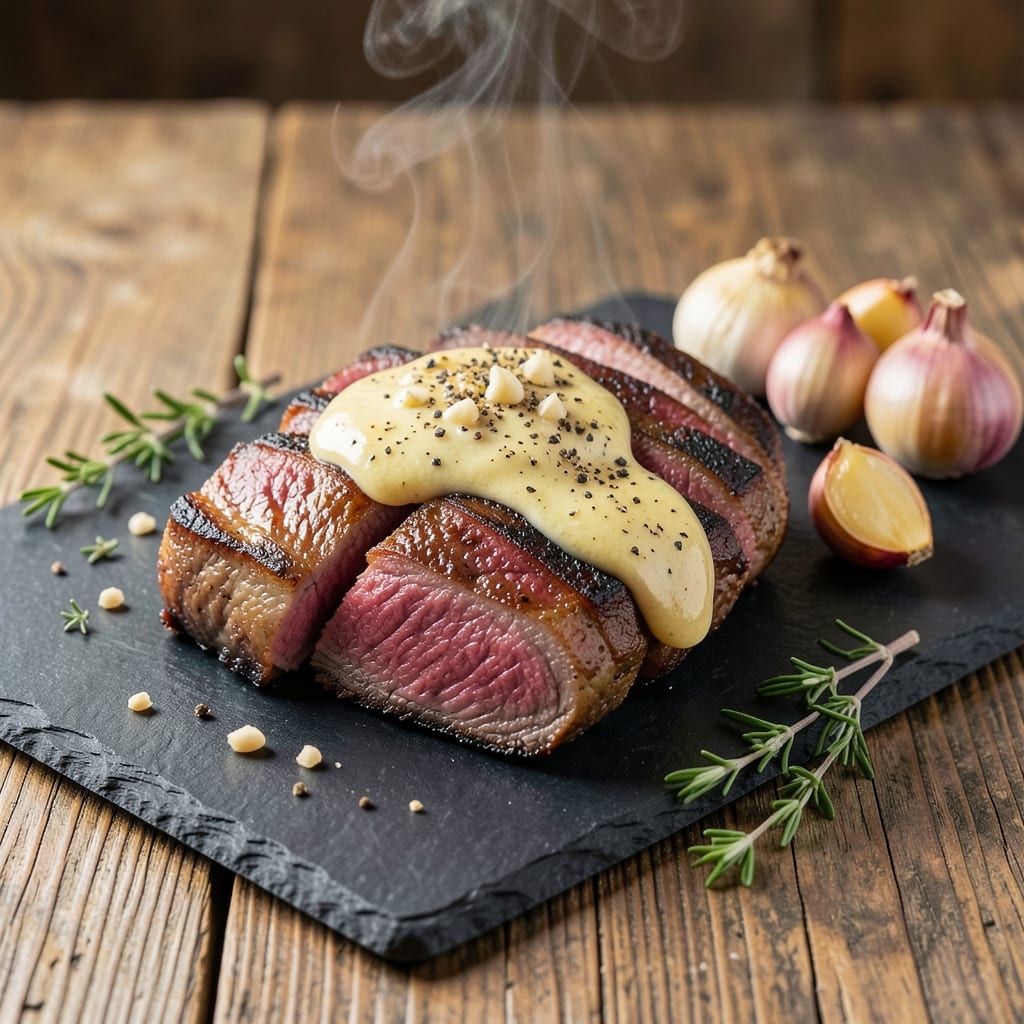
This baked beef tenderloin steak recipe delivers restaurant-quality tenderness with a perfect reverse-seared crust and buttery center—every bite is juicy and flavorful. The secret lies in precise temperature control and a simple seasoning blend that enhances the beef's natural richness without overpowering it. I've perfected this method over years of testing, ensuring consistent results even for home cooks.
The process begins with a gentle bake to reach an ideal internal temperature, followed by a quick sear to create a caramelized crust. This technique guarantees a tender center while locking in moisture, and the optional au jus adds depth to every forkful. Whether serving for a special occasion or a weeknight dinner, this method transforms a simple cut into an impressive centerpiece.
What sets this recipe apart is the balance of simplicity and sophistication—no complicated marinades or rare ingredients, just high-quality beef and careful technique. The result is a steak that's perfectly medium-rare, with a crust that's rich and aromatic while the inside remains velvety and juicy. Pair it with roasted vegetables or mashed potatoes for a complete meal that feels indulgent yet effortless.
Ready in about 2 hours (including resting time), this recipe is designed for confidence. The step-by-step approach ensures you'll achieve the same results as a professional chef, every time. Let's get started on creating a steak that will have everyone asking for seconds.
Ingredients for baked beef tenderloin steak
High-quality beef tenderloin paired with precise seasoning and technique creates this restaurant-worthy steak at home.
| Ingredient | Amount | Notes |
|---|---|---|
| Beef Tenderloin 🥩 | 2 ½ lb | Center-cut, trimmed of silver skin |
| Unsalted Butter 🧈 | ½ cup | Cold, cut into 1-inch cubes |
| Kosher Salt 🧂 | 1 ½ tsp | Diamond Crystal preferred |
| Freshly Ground Black Pepper 🌶️ | 1 tsp | Coarsely ground |
| Garlic Cloves 🧄 | 6 cloves | Smashed, not minced |
| Fresh Thyme Leaves 🌿 | 1 tbsp | From 2 sprigs, finely chopped |
| Extra-Virgin Olive Oil 🫒 | 2 tbsp | For searing |
| Beef Broth 💧 | ½ cup | Low-sodium, optional for au jus |
| Worcestershire Sauce 🍶 | 1 tbsp | For au jus |
| Yellow Onion 🧅 | 1 whole | For au jus, roughly chopped |
| Red Wine Vinegar 🍷 | 1 tbsp | For au jus |
| Granulated Sugar 🍚 | 1 tsp | For au jus |
The beef tenderloin is the star—center-cut and trimmed ensures maximum tenderness. Source from a reputable butcher or grocery store's meat counter, where they can provide a well-marbled cut. For best results, opt for a 2.5-pound roast, which yields four 8-ounce portions. If your butcher doesn't trim the silver skin, do it yourself with a sharp knife—it's that extra step that separates home cooks from professionals. The cold butter cubes are non-negotiable; they render beautifully during the sear, creating a rich crust without overpowering the beef's natural flavor.
No fresh thyme? Dried thyme at one-third the amount works in a pinch, but fresh is ideal for that bright, aromatic note. For the au jus, Worcestershire sauce adds depth—ensure it's vegetarian if needed. Substitute beef broth with low-sodium vegetable broth for a lighter version, though the flavor will differ slightly. The red wine vinegar can be swapped for apple cider vinegar, but it lacks the same complexity. If you're short on time, skip the au jus entirely and serve the steak with a simple herb butter or roasted garlic mashed potatoes. The sugar in the au jus isn't for sweetness—it helps balance the acidity and caramelize slightly for depth.
Steak loses moisture quickly once sliced, so rest it for 15 minutes after baking before serving. Store leftovers in an airtight container in the fridge for up to 3 days, though it's best enjoyed fresh. For make-ahead convenience, pre-portion the butter cubes and seasoning mix in small containers. The au jus can be reheated gently on the stove—just bring it to a simmer and reduce slightly to thicken. If freezing, portion the steak into individual servings before sealing to maintain texture.
Why You'll Love This Recipe
- Foolproof Timing: I swear by this method—just season, sear, and bake. No fancy basting or last-minute stress. The butter and garlic melt right into the steak while you sip your wine (or coffee, no judgment).
- Rich, Simple Magic: Two ingredients do the heavy lifting: salt and pepper, then that golden butter basting. The garlic cloves? They caramelize just enough to add depth without overpowering. It’s the kind of flavor that makes you pause mid-bite.
- Weeknight Hero: This steak feels special but comes together while you’re folding laundry. Slice it thin for sandwiches, serve it with roasted potatoes, or toss it in salads—it’s the one dish that works for dinner or lunch the next day.
- Leftovers Win: Honestly, I make it on purpose so I can have it again. The steak stays tender for days, and the flavor only gets better. Pack it for lunches or reheat slices in a pan—it’s my go-to for busy mornings.
Step-by-step instructions for baked beef tenderloin steak
Master the reverse-sear technique for a perfectly tender beef tenderloin with a crisp crust and buttery interior.
Prepare the Beef Tenderloin for Even Cooking
Remove the beef tenderloin from the refrigerator and let it sit at room temperature for 30 minutes to ensure even cooking. Pat the surface completely dry with paper towels—this step is critical for achieving a crisp crust later. Using a sharp boning knife, trim any remaining silver skin from the surface, working carefully to maintain an even shape.
In a small bowl, combine the 1.5 teaspoons kosher salt and 1 teaspoon freshly ground black pepper. Generously coat all sides of the beef tenderloin with this seasoning blend, pressing it into the meat to ensure even distribution. The salt will begin drawing out moisture, which will evaporate during cooking, creating that coveted crust.
Create the Reverse-Sear Butter Bath
Cut the ½ cup unsalted butter into 1-inch cubes and place them in a small bowl. Add the 6 smashed garlic cloves and 1 tablespoon finely chopped fresh thyme leaves, mixing gently to combine. This aromatic butter will infuse the tenderloin with rich flavor while keeping it moist during the baking process.
Preheat your oven to 275°F. Place the seasoned beef tenderloin on a rack set inside a rimmed baking sheet. Arrange the butter mixture evenly around and on top of the beef, reserving about 2 tablespoons for later use. The high-fat content of the butter will baste the meat as it cooks, ensuring a tender finish.
Bake to Perfect Internal Temperature
Place the baking sheet in the preheated oven and bake for 45-50 minutes, or until the internal temperature reaches 115°F when measured with a meat thermometer. This low-and-slow cooking method allows the beef to cook evenly throughout without developing a crust, which we'll create in the next step.
During this time, the butter will render and baste the meat, creating a self-basting effect. The beef should feel slightly firm to the touch but still yield slightly when pressed gently with your fingers. This is the ideal stage for the reverse-sear technique, where we'll finish with a high-heat sear for that coveted crust.
Sear for Crust and Rest for Juiciness
Remove the beef tenderloin from the oven and let it rest for 5 minutes. Meanwhile, heat a large skillet over high heat until smoking hot. Add the reserved 2 tablespoons butter and 2 tablespoons extra-virgin olive oil, allowing it to get very hot.
Sear the beef tenderloin for 1-2 minutes per side, until a deep golden-brown crust forms. You'll see the butter foam and sizzle vigorously—this is your signal that the crust is developing. The internal temperature should now read between 125°F and 130°F, perfect for medium-rare doneness. Transfer the seared tenderloin to a cutting board and tent loosely with foil.
Prepare the Au Jus and Slice to Serve
While the beef rests, prepare the au jus by placing the whole yellow onion, ½ cup beef broth, 1 tablespoon Worcestershire sauce, 1 tablespoon red wine vinegar, and 1 teaspoon granulated sugar in the same skillet used for searing. Bring to a simmer over medium-high heat and cook for 5-7 minutes until reduced by half and slightly thickened.
Slice the beef tenderloin into ½-inch thick medallions against the grain for maximum tenderness. Serve immediately with the au jus spooned over the top. The result should be a perfectly tender center with a crisp, caramelized crust that locks in all the juices, delivering a restaurant-quality experience at home.
Pro Tips For Making Baked Beef Tenderloin Steak
- Start Cold, End Hot: Tenderloin needs patience—start it at 400°F (200°C) for 10 minutes to render fat, then crank to 450°F (230°C) for the last 10. I used to rush this, and the crust never formed right. The high finish seals the flavor like a lid on a pot. ---
- Salt Like a Madman: Kosher salt is your friend here—generously coat the tenderloin and the butter before baking. The butter melts into the meat, so don’t skimp. I learned this after a dry, bland first try. Trust me, the salt stays. ---
- Don’t Crowd the Pan: If using a sheet pan, space the tenderloin pieces at least 1 inch apart. Butter pools between them, but when they’re too close, you end up with soggy crusts instead of golden bites. Yes, it looks messy—it’s worth it. ---
- Rest Under Foil: After baking, tent the tenderloin with foil for 5 minutes before serving. The residual heat finishes cooking the center while keeping it juicy. I skipped this once and served it dry—never again. (Your knife will thank you too.)
Flavor customization for these flavors
Herb-Infused Variations
Swap the thyme for 1 tablespoon fresh rosemary or 1 teaspoon dried rosemary for a piney, aromatic twist. For a Mediterranean touch, add 2 tablespoons chopped fresh oregano and 1 teaspoon lemon zest to the butter mixture. I love using fresh sage—just 4 leaves finely chopped—for a rich, earthy depth that pairs beautifully with the beef’s natural flavors. 🌿
Spice & Heat Adjustments
For a smoky kick, add ½ teaspoon smoked paprika or ¼ teaspoon cayenne pepper to the seasoning blend. If you prefer warmth without heat, try ½ teaspoon ground coriander or ½ teaspoon ground cumin—both add complexity without overpowering. For a bold finish, sprinkle 1 teaspoon crushed red pepper flakes over the seared crust just before serving.
Sweet & Savory Balance
Caramelize 2 tablespoons brown sugar with the butter cubes for a subtle sweetness that enhances the crust. For a fruity contrast, add 1 tablespoon minced shallots and 1 teaspoon honey to the au jus. I also love a splash of 1 teaspoon balsamic vinegar in the au jus—it adds a tangy depth that cuts through the richness of the beef.
Global Flavor Profiles
For a French bistro vibe, replace Worcestershire sauce in the au jus with 1 tablespoon Dijon mustard and add 1 sprig fresh tarragon. For an Italian twist, use ½ cup dry white wine instead of beef broth and finish with 1 tablespoon chopped parsley. A Japanese-inspired version swaps beef broth for ½ cup dashi and adds 1 teaspoon grated ginger to the butter mixture.
Umami Boosters
Enhance the au jus with 1 teaspoon fish sauce or 1 teaspoon soy sauce for extra umami depth. For a richer crust, mix 1 tablespoon miso paste into the butter cubes. I also love adding 1 teaspoon black garlic paste (or ½ teaspoon garlic powder) to the seasoning blend—it adds a sweet, savory complexity that elevates the dish. 💡
Nutrition facts
Frequently asked questions about baked beef tenderloin
How do I know when my beef tenderloin is done?
Use a meat thermometer to check internal temperature—125°F-130°F gives perfect medium-rare results. The reverse-sear method ensures even cooking throughout. Pro tip: The crust should be golden-brown while the center remains juicy and warm to the touch.
Can I cook this recipe without a meat thermometer?
Yes, but it requires practice. For medium-rare, the beef should feel slightly firm but still yield gently when pressed with your fingers. A good rule of thumb is about 15-20 minutes per pound for the initial bake, then adjust the sear time based on crust development.
What's the best way to slice beef tenderloin?
Slice against the grain at a 45-degree angle for maximum tenderness. Use a sharp knife and cut into ½-inch thick medallions. Never slice too thin—this makes the meat tough. For even slices, mark your cutting board with a pencil first to guide the angle.
How far ahead can I prepare this dish?
You can prep all ingredients (seasoning, butter mixture, au jus components) up to 24 hours ahead. For the beef itself, slice it 1 hour before serving to maintain juiciness. Store sliced steak in an airtight container in the fridge until ready to serve.
What's the difference between baking and reverse-searing?
Traditional baking cooks the steak evenly from all sides, while reverse-searing first bakes at 275°F to reach 115°F internally, then sears to create a crust. This method prevents overcooking while delivering that perfect crust. The result is a juicier, more tender steak than traditional methods.