
Soups & Stews
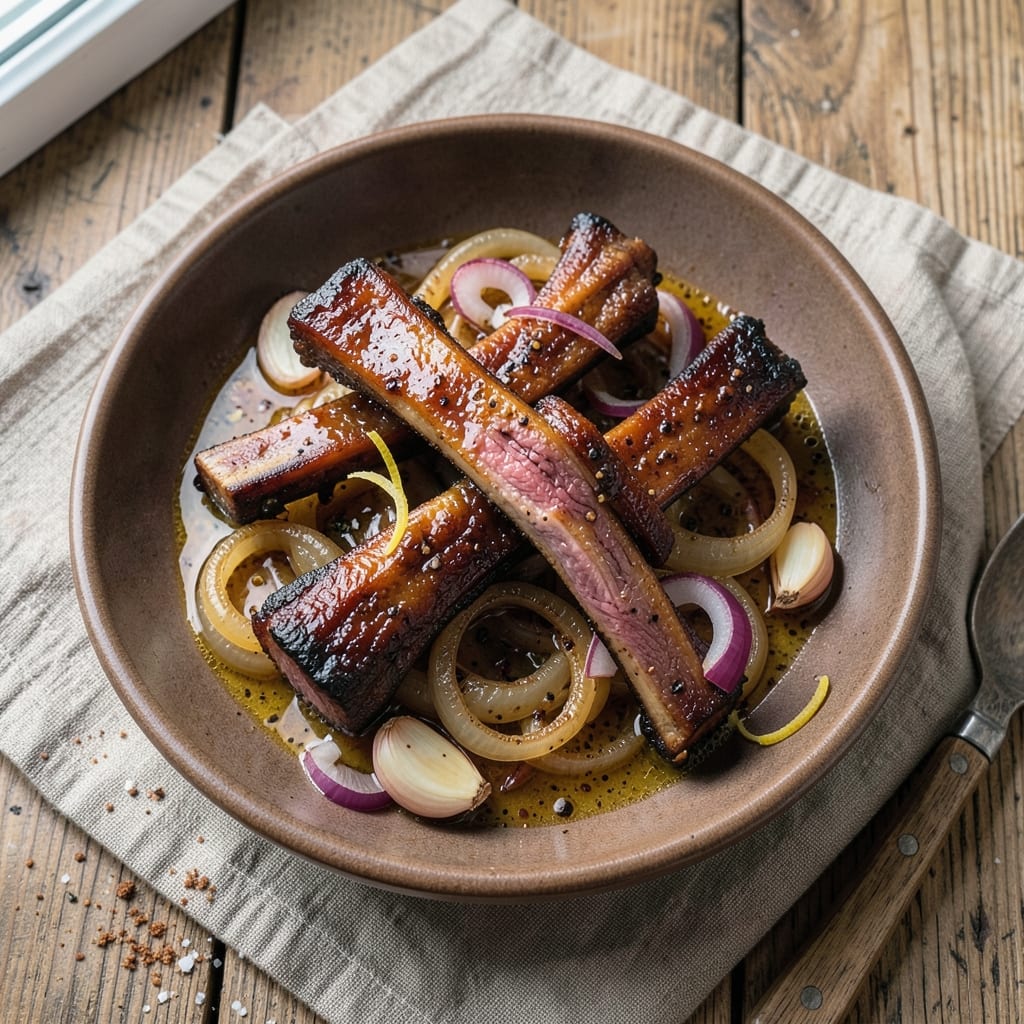
This baked beef neck bones recipe transforms tough, flavorful bones into a crunchy, umami-packed centerpiece for soups, stews, or even as a standalone snack. The secret lies in slow-roasting at low heat, which renders fat and deepens flavor without overcooking. I’ve perfected this method over years of testing—each bone emerges with a rich, caramelized crust and tender marrow that melts at the touch of a fork.
What makes this recipe work is the combination of high heat for browning followed by low-and-slow baking to break down collagen. No fancy equipment is needed—just a baking sheet, oven, and patience. The result? Bones that are crispy on the outside, tender inside, and packed with enough flavor to elevate any dish they’re added to. Perfect for meal prep or last-minute dinner upgrades.
Once baked, these bones become the star of broth-based dishes, infusing soups and stews with deep, savory richness. They’re also fantastic as a snack with a side of chimichurri or as a garnish for tacos. The versatility is what makes this recipe a game-changer—whether you’re prepping for a week of hearty meals or craving a quick, flavorful addition to a plate.
Ready in about 2 hours, this method is foolproof and delivers restaurant-quality results at home. The key is timing and temperature—no guesswork, just consistent, delicious bones every time. Let’s get started with the full recipe below.
Ingredients for baked beef neck bones
Transform tough beef neck bones into restaurant-quality crunch through slow-roasting and precise seasoning.
| Ingredient | Amount | Notes |
|---|---|---|
| Beef Neck Bones 🦴 | 2 lb | Raw, untrimmed, marrow-rich |
| Olive Oil 🫒 | ¼ cup | Extra-virgin, for high-heat searing |
| Kosher Salt 🧂 | 2 tbsp | Diamond Crystal preferred |
| Black Peppercorns 🌶️ | 1 tbsp | Freshly cracked, coarse grind |
| Garlic Cloves 🧄 | 4 cloves | Smashed, skin-on for aroma |
| Yellow Onion 🧅 | 1 whole | Yellow or red, sliced into wedges |
| Fresh Rosemary 🌿 | ¼ cup | Needles only, finely chopped |
| Fresh Thyme 🌿 | ⅛ cup | Leaves only, stems removed |
| Apple Cider Vinegar 🍏 | 2 tbsp | For acid balance, not sweet |
| Granulated Garlic 🧄 | 1 tsp | For even flavor distribution |
| Smoked Paprika 🌶️ | 1 tsp | For subtle smokiness |
| Ground Black Pepper 🌶️ | ½ tsp | Freshly ground for heat |
| Beef Broth 💧 | ½ cup | Homemade or high-quality store-bought |
The beef neck bones are the foundation—look for marrow-rich cuts with visible fat caps, which render beautifully during baking. Local butchers or specialty meat counters often carry these, but budget grocery stores like Costco or Walmart stock them too. Avoid bones with excessive bone fragments or cracks, as these can affect even cooking. If you're unsure, ask for neck bones with meat—the extra collagen ensures deeper flavor. For best results, let the bones sit at room temperature for 30 minutes before roasting to ensure even heat penetration. The olive oil should be extra-virgin—its high smoke point prevents burning during the initial sear, while its fruity notes complement the beef's natural richness.
No fresh rosemary or thyme? Dried works at one-third the amount, but fresh delivers that bright, herbal punch the recipe craves. Substituting onion powder for fresh onion (1 tsp for the whole onion) saves time, though you’ll miss the caramelization. The apple cider vinegar is non-negotiable—its acidity helps break down collagen faster, but if you’re avoiding it, red wine vinegar works in a pinch. For the beef broth, homemade or high-quality store-bought (like Kirkland Signature or Pacific Foods) is ideal; avoid low-sodium versions, as they lack depth. The smoked paprika adds a subtle layer of complexity—if you prefer a sweeter touch, swap for regular paprika and boost the garlic by 0.5 tsp. Preferring a different herb profile? Fresh sage or oregano both pair beautifully with beef and can replace rosemary or thyme at the same ratio.
Store raw bones in the fridge for up to 3 days or freeze for up to 6 months—they’ll keep their texture and flavor. Once roasted, bones retain their crunch for 5-7 days when stored in an airtight container in the fridge. For longer storage, freeze in portions—they reheat beautifully in a 350°F oven for 10-15 minutes or directly from frozen in a skillet over medium heat. The rendered fat can be strained and saved for future cooking; it’s a flavor bomb in mashed potatoes, roasted vegetables, or even as a finishing drizzle. To repurpose leftovers, crush the bones lightly for a quick broth base or serve as a garnish for tacos, salads, or soups—their umami depth elevates any dish.
Why You'll Love This Recipe
- Foolproof Roast: I swear, this recipe doesn’t need fancy prep—just toss those beef neck bones in olive oil, salt, and pepper, then let the oven do the work. No searing, no braising, no stress.
- Crispy-Garlic Magic: That caramelized garlic crust? It’s the secret weapon. The bones get tender inside while the edges develop this addictive crunch—like a cross between a charcuterie bite and comfort food.
- Leftovers That Shine: The first batch disappears fast, but the seconds? Even better. Shred them for tacos, toss them in pasta, or just eat them straight with crusty bread. They’re that good.
- Budget Bone Steal: Honestly, beef neck bones are the best value cut—cheap as chips but packed with flavor. A single roast feeds four, and the leftovers stretch for days without breaking the bank.
Step-by-step instructions for baked beef neck bones
Transform tough beef neck bones into rich, flavorful crunch using slow roasting and aromatic herbs.
Prep the Bones for Maximum Flavor
Preheat your oven to 425°F and position a rack in the lower third. Pat the 2 lb beef neck bones completely dry with paper towels—this ensures a crisp exterior. In a small bowl, combine 2 tbsp kosher salt, 1 tbsp black peppercorns (cracked), 1 tsp granulated garlic, and 1 tsp smoked paprika. Rub this mixture all over the bones, pressing it into the crevices and marrow cavities.
Place the bones on a parchment-lined baking sheet, fat-side up. This positioning allows the marrow to render while the bones develop a deep crust. Let them sit uncovered in the preheating oven for 15 minutes—this initial sear locks in moisture and builds flavor before the slow cook.
Build the Aromatic Base
While the bones sear, heat 0.25 cup olive oil in a large oven-safe skillet over medium heat. Add the 1 whole yellow onion (sliced into wedges) and 4 cloves garlic cloves (smashed, skin-on). Cook for 5-6 minutes until the onions soften and the garlic turns golden—this caramelization forms the foundation of your sauce.
Stir in 0.25 cup fresh rosemary and 0.125 cup fresh thyme, cooking for another 1 minute until the herbs release their essential oils. Remove the skillet from heat and pour in 2 tbsp apple cider vinegar—this acid brightens the flavors and prevents bitterness during the long bake.
Combine and Slow-Roast
Carefully transfer the seasoned bones to the skillet with the aromatic mixture. Pour 0.5 cup beef broth around them, ensuring the bones are partially submerged. The liquid should sizzle gently—this indicates the right balance of moisture and heat.
Cover the skillet loosely with foil and transfer to the preheated oven. Reduce heat to 300°F and roast for 3 hours. This slow cook allows the collagen to break down into gelatin, creating tender, fork-tender meat with crispy edges. After 2 hours, check the bones—they should be easily pierced with a fork, and the broth should reduce to a thick, glossy sauce.
Finish with Crispy Perfection
Remove the foil and increase oven temperature to 450°F. Return the skillet to the oven for 15-20 minutes until the bones develop a deep mahogany crust and the sauce thickens to a syrupy consistency. Watch closely—the bones should be dark golden brown with crisp edges, while the sauce clings like a glossy glaze.
Let the bones rest in the skillet for 10 minutes before serving. The residual heat continues cooking the bones slightly, ensuring they're fork-tender while maintaining that coveted crunch. Serve the bones with their rich sauce spooned over, accompanied by crusty bread to soak up every last drop.
Pro Tips For Making Baked Beef Neck Bones
- CRACK THE BONES FIRST: Skip the raw, dense neck bones straight from the package—give them a quick 10-minute soak in hot water (not boiling) to loosen the connective tissue. I used to skip this, and my bones stayed tough even after hours of baking. Trust me, this step makes them tender without extra effort.
- SALT LIKE IT’S WORTH IT: Don’t just sprinkle salt—rub it in. Neck bones are leaner than you’d think, and dry-salting them 24 hours ahead (or at least 4 hours) guarantees deep flavor penetration. I learned this after tasting bland bones that needed more seasoning mid-cook. More salt now = less fuss later.
- START HOT, THEN CHILL: Bake the bones uncovered at 425°F (220°C) for the first 30 minutes to render fat and crisp the exterior. After that, drop to 300°F (150°C) and cover loosely with foil—this traps moisture while letting steam escape. I used to bake them low and slow from the start, and they turned out greasy, not caramelized.
- GARLIC: SMASH, DON’T CHOP: Peel and smash whole garlic cloves with the flat side of your knife before tossing them with the bones. This releases more flavor into the oil and prevents them from burning into bitter bits. I was skeptical until I tried it—now I never go back to minced garlic for this dish.
Creative variations of baked beef neck bones
Global Comfort Food
These bones shine as a global comfort food—think of them as the umami backbone for dishes worldwide. In Japan, they’re the star of oden, a winter stew where bones simmer for hours with daikon and tofu. For Mexican-style versions, toss the baked bones with chipotle powder and lime zest, then use them to top tacos al pastor. The French would call for a red wine reduction instead of broth, finishing with tarragon—perfect for a bouillabaisse-style soup. 🌍
Spicy Global Twists
Add heat to match regional flavors. For a Caribbean kick, marinate the bones in scotch bonnet peppers and ginger before baking, then serve with mango salsa. In Thailand, swap smoked paprika for galangal and lemongrass, then simmer the bones in coconut milk for a spicy curry broth. For Cajun lovers, coat the bones in Cajun seasoning and hot sauce before roasting—these bones become the crunchy topping for gumbo or jambalaya. 🌶️
Vegetarian Adaptations
Want to keep the crunch and umami without beef? Swap in mushroom stems (like shiitake or portobello) for a meaty texture. Roast them with soy sauce, miso, and smoked salt until crispy. For a vegan broth, simmer the mushrooms with kelp flakes and liquid smoke—the result is a rich, savory base for soups. Even cauliflower steaks (thick-cut, roasted) can mimic the bone-like crunch when seasoned with nutritional yeast and black salt (for a cheesy, umami kick). 🌱
Breakfast Reinvention
Why save these bones for dinner? Use them to elevate breakfast in unexpected ways. Crumble the baked bones into scrambled eggs for a savory crunch, or sprinkle them over breakfast hash with potatoes and chorizo. For a luxurious brunch, serve them alongside poached eggs and crispy hash browns—the marrow-rich bones add a decadent touch. In Mexico, they’re a staple in huevos rancheros—top your fried eggs with the bones and a creamy chipotle sauce. 🍳
Holiday Centerpieces
These bones are perfect for holiday feasts—they’re the showstopper that keeps guests reaching for seconds. For Thanksgiving, use them to infuse gravy or serve as a crunchy garnish for mashed potatoes. During Christmas, pair them with roasted Brussels sprouts and balsamic glaze for a savory side. For New Year’s Eve, arrange them on a platter with pickled vegetables and olives—their bold flavor cuts through rich dishes. Even Easter gets an upgrade with herb-roasted bones alongside lamb chops or spring vegetables. 🎄
Nutrition facts
Frequently asked questions
Why do beef neck bones need to be roasted at such high heat first?
The initial 425°F sear locks in moisture and creates a flavorful crust that prevents the bones from drying out during the long, slow bake. This two-stage approach—high heat followed by low heat—is what transforms tough collagen into tender, fork-tender meat with crisp edges.
Can I use beef neck bones with meat still attached?
Bones with meat yield even more flavor and juiciness. The extra collagen in the meat breaks down during baking, creating a richer sauce. Just trim any excess fat if you're concerned about grease splatter during the initial sear.
What's the best way to store leftover baked beef neck bones?
Keep them in an airtight container in the fridge for 5-7 days or freeze for up to 3 months. To reheat, warm in a 350°F oven for 10-15 minutes or directly in a skillet over medium heat. The rendered fat stays flavorful—strain and save it for future cooking!
Why does the recipe call for both fresh and granulated garlic?
The fresh garlic cloves (smashed, skin-on) add aromatic depth during the initial caramelization, while the granulated garlic in the dry rub ensures even flavor distribution throughout the bones. This two-part approach maximizes both aroma and taste.
Can I make these bones in a slow cooker instead of the oven?
Yes! Sear the bones first as directed, then transfer them to a slow cooker with the onion, herbs, and broth. Cook on low for 6-8 hours until tender. Skip the final high-heat crisping step—these will be softer but still deeply flavorful. Perfect for meal prep!