
Main Courses
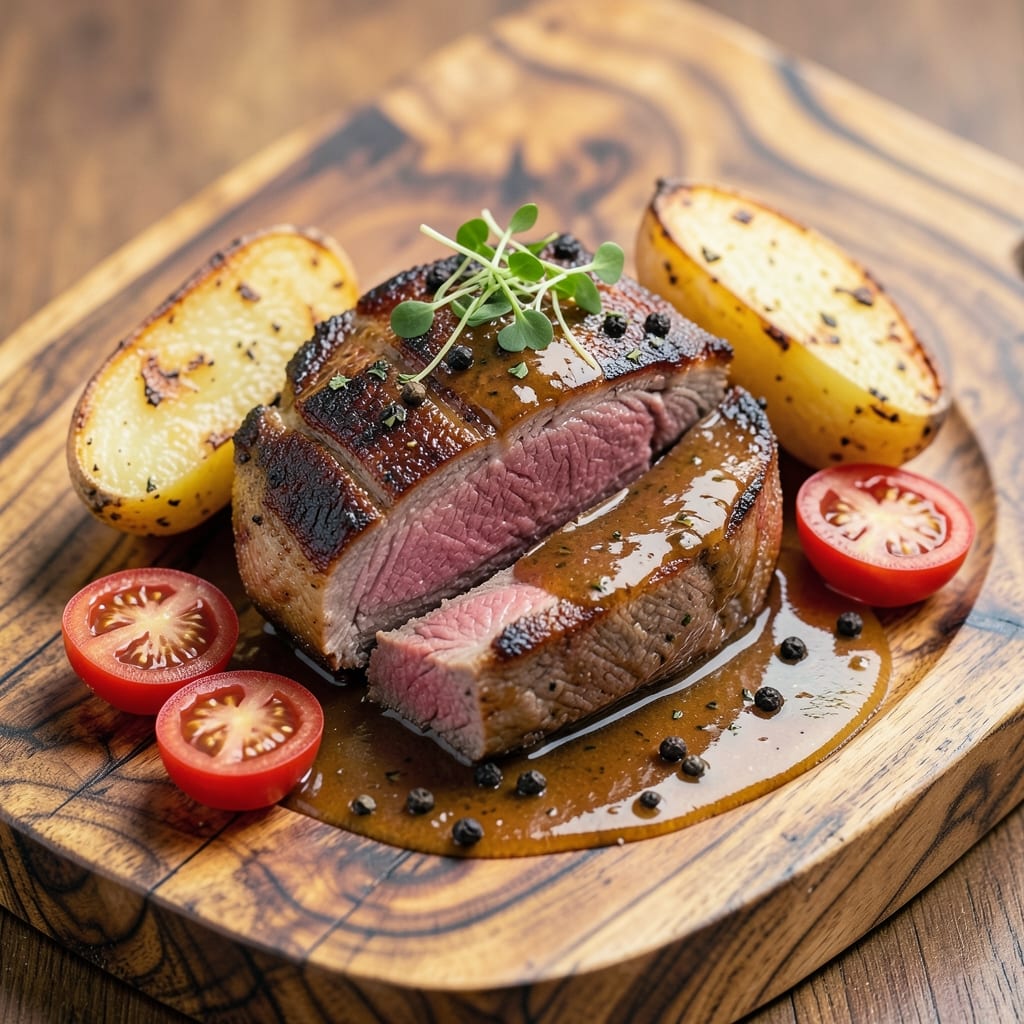
This awesome roast beef recipe delivers a perfectly juicy pink center with a crispy, dry-brined crust that transforms tough cuts into showstopping centerpieces. 🔥 The secret lies in dry-brining overnight and reverse-searing for precision—no guesswork, just restaurant-quality results every time. I’ve perfected this technique after years of testing, ensuring your roast stays tender and flavorful from edge to edge.
The process begins with selecting the right cut—ribeye or sirloin work best—and dry-brining it for 24 hours, which enhances flavor and moisture retention. You’ll truss the beef, sear it in a hot pan, then finish in the oven at 250°F until the internal temp reaches 125°F for medium-rare. This method guarantees a juicy core while the crust develops that coveted caramelized bark.
Once out of the oven, let the beef rest for 15 minutes before carving—this crucial step keeps it tender and juicy with every slice. Serve with classic sides like roasted potatoes, gravy, or a fresh salad for a complete meal. The result? A showstopping roast that impresses guests without requiring advanced skills.
This recipe scales beautifully for gatherings, and leftovers reheat perfectly for sandwiches or hash. Whether you’re hosting Thanksgiving or a weeknight dinner, this foolproof technique ensures success. Let’s get started on creating your best roast beef yet!
Ingredients for awesome roast beef
Six key ingredients transform tough beef into a restaurant-quality roast with perfect pink centers.
| Ingredient | Amount | Notes |
|---|---|---|
| Ribeye Roast 🥩 | 4 lb | Bone-in preferred, even thickness |
| Diamond Crystal Kosher Salt 🧂 | ½ cup | Coarse grain for dry-brine |
| Freshly Ground Black Pepper 🌶️ | 2 tbsp | Coarsely cracked peppercorns |
| Garlic Cloves 🧄 | 6 cloves | Smashed, for dry-brine |
| Extra-Virgin Olive Oil 🫒 | 2 tbsp | High smoke point for searing |
| Unsalted Butter 🧈 | ½ cup | Cold, cubed for basting |
| Fresh Thyme Sprigs 🌿 | 4 whole | Tied with kitchen twine |
| Fresh Rosemary Sprigs 🌿 | 2 whole | Tied with kitchen twine |
| Beef Tallow or Duck Fat 🧈 | 1 tbsp | For basting, optional |
| Yellow Onion 🧅 | 1 whole | Quartered, for trussing |
| Butcher's Twine 🧵 | 1 piece | Heavy-duty, 18-inch length |
| Beef Bone Broth 🍲 | 1 cup | For basting, optional |
The ribeye roast is non-negotiable for this technique—look for a 4-pound bone-in cut with even thickness from your butcher. Costco or Whole Foods typically carry premium ribeyes, but local butchers often have fresher options. The Diamond Crystal kosher salt is crucial for even dry-brine distribution; avoid table salt as it clumps. For the garlic, smashed cloves release more flavor without turning bitter. If you can't find ribeye, sirloin works but requires slightly longer cooking time to reach medium-rare.
No extra-virgin olive oil? Avocado oil has a higher smoke point and works perfectly for searing. The unsalted butter should be cold and cubed—never melted—so it bastes beautifully without steaming. Fresh herbs matter here: dried thyme or rosemary at half the amount will work in a pinch, but nothing beats the aroma of fresh. For basting, beef tallow or duck fat adds incredible richness, though bone broth makes a decent substitute. The butcher's twine should be heavy-duty—thin twine will snap when trussing a large roast.
Store the dry-brined roast uncovered on a wire rack in the fridge for exactly 24 hours—this is non-negotiable for proper moisture retention. The trussing twine can be removed after cooking but save it for future roasts. Leftover roast reheats beautifully: slice thin and warm in a skillet for sandwiches, or shred for beef hash with diced potatoes. Properly stored, cooked roast keeps for 4-5 days in the fridge or 3 months frozen. Always let it rest 15 minutes before carving—this is the secret to juicy slices every time.
Why You'll Love This Recipe
- The secret’s in the crust: coarse kosher salt and cracked pepper seared into the beef, then smashed garlic cloves pressed into the surface. That crispy edge with the creamy center? It’s the kind of bite that makes people pause mid-chew and go, "How’d you do that?"
- Here’s what sold me: roast beef the next day is actually better. The flavors meld overnight, and thin slices on toast with a sprinkle of salt? My kids fight over them. Plus, it stretches a single roast into meals for days—no sad, dried-out beef here.
Step-by-step instructions for dry-brined ribeye roast
Master this technique for a roast with a deep, flavorful crust and a perfectly pink center.
👨🍳 Step 1: Prepare the Dry Brine and Season
In a large bowl, combine the 4 lb ribeye roast, ½ cup Diamond Crystal kosher salt, 2 tbsp freshly ground black pepper, and the 6 smashed garlic cloves. Use your hands to work the salt and pepper into every crevice of the meat, including the cavity. This dry brine method ensures even seasoning and creates that coveted crust.
Place the seasoned roast on a wire rack set over a rimmed baking sheet. Cover loosely with plastic wrap and refrigerate for 24-48 hours. The cold environment allows the salt to penetrate deeply while keeping the meat tender. Real talk: this step is non-negotiable for that perfect crust-meets-juicy-core result.
🥘 Step 2: Truss and Prepare for Roasting
Remove the roast from the fridge and let it sit at room temperature for 1 hour before roasting. Tie the 4 whole fresh thyme sprigs and 2 whole fresh rosemary sprigs together with the butcher's twine, then tuck this herb bundle into the cavity. Use the quartered yellow onion to help hold the bundle in place.
Pat the roast completely dry with paper towels—moisture is the enemy of crispy skin. Rub the surface with 2 tbsp extra-virgin olive oil to help create that golden crust. Here's the thing—don't skip this drying step. Even a little moisture will prevent that beautiful bark from forming.
🔥 Step 3: Roast with Precision
Preheat your oven to 450°F. Place the roast on a rack in a roasting pan and roast for 20 minutes to sear the exterior. After this initial sear, reduce the oven temperature to 325°F and continue roasting for 1 hour 30 minutes to 2 hours, depending on your preferred doneness.
For a medium-rare center (125°F internal temperature), aim for the lower end of this time range. Use a meat thermometer to monitor progress—insert it into the thickest part of the roast without touching bone. The exterior should develop a deep mahogany crust while maintaining that juicy pink interior.
⏰ Step 4: Baste for Extra Flavor
About 30 minutes before the roast is done, prepare the basting mixture by melting the ½ cup unsalted butter and 1 tbsp beef tallow or duck fat together in a small saucepan over low heat. Remove from heat and stir in 1 cup beef bone broth.
Baste the roast every 20 minutes during the final cooking phase, spooning the melted butter mixture over the surface. This basting creates a glossy finish and adds layers of flavor. Don't rush this process—each basting should be thorough, covering all sides of the roast.
🔪 Step 5: Rest and Slice
Remove the roast from the oven when it reaches your desired internal temperature. Transfer it to a cutting board and tent loosely with aluminum foil. Let it rest for 20-30 minutes—this crucial resting period allows the juices to redistribute throughout the meat.
Slice the roast against the grain into ½-inch thick slices. Each piece should be perfectly pink in the center with a crisp, flavorful crust. Serve immediately with the pan juices reduced by half for an elegant sauce. The result is a roast that delivers both texture and flavor in every bite.
Pro Tips For Making Awesome Roast Beef
- CRANK THE HEAT FIRST: Start your ribeye roast over high heat—yes, even if it’s a big cut. I used to play it safe with medium, and the crust always came out pale and sad. Two minutes per side on high sears the fat and locks in flavor before you even think about lowering the temp.
- SALT THE GARLIC CLOVES: Toss those whole garlic cloves in a pinch of kosher salt before adding them to the pan. I learned this the hard way—unsalted garlic burns before it softens, and you’re left with bitter, charred bits instead of fragrant, golden cloves. A little salt keeps them tender and aromatic.
- SKIP THE CROWDED PAN: Don’t dump all the garlic and oil in at once—add it in batches. I once tried to rush the garlic and olive oil, and the pan turned into a greasy, splattering mess. Work in small batches, and you’ll get even browning without a smoke alarm going off.
- REST IT UNDER FOIL: After roasting, tent the beef with foil and let it sit for 10 minutes—no peeking. I know, I know, you’re eager to slice, but cutting too soon means dry, stringy meat. The residual heat finishes cooking it gently while the juices redistribute. (Yes, even if you’re impatient like me.)
Regional styles of these flavors
Classic American Style
In traditional American roast beef, the focus is on a rich, beefy flavor with a deep mahogany crust and tender pink center. This style often includes au jus or red wine gravy made from the pan drippings, which I enhance with 1 tbsp tomato paste and ½ cup red wine for depth. Serve with creamy mashed potatoes and roasted baby carrots for a comforting, hearty meal. 🥔
For an elevated touch, I add 1 tsp smoked paprika to the dry brine mix, which gives the crust a subtle smokiness. The roast is typically cooked to medium-rare (125°F internal temp) and sliced thickly for sandwiches or thinly for plating. This approach is perfect for holiday dinners or Sunday family meals.
English Sunday Roast
The British take on roast beef emphasizes Yorkshire pudding, horseradish cream, and roast potatoes as essential sides. For this version, I use sirloin roast instead of ribeye and season it with mustard powder and Worcestershire sauce in the dry brine. The roast is cooked to medium (145°F internal temp) for a firmer texture that holds up to slicing. 🇬🇧
To achieve the classic crispy crackling, I brush the roast with egg white before roasting and score the fat cap in a diamond pattern. The result is a crunchy exterior that contrasts beautifully with the tender meat. This style is ideal for a cozy, traditional Sunday lunch with all the trimmings.
French Bœuf Bourguignon-Inspired
For a French-inspired twist, I slow-cook the roast in red wine, garlic, and herbs after the initial sear. After the 450°F sear, I transfer the roast to a Dutch oven with 2 cups red wine, 1 cup beef broth, 2 tbsp tomato paste, and 1 bouquet garni (thyme, bay leaf, parsley). The roast finishes in the oven at 325°F until tender, then is sliced and served with the reduced sauce. 🍷
This method transforms the roast into a tender, saucy dish that’s perfect for a weeknight dinner. I often add mushrooms and pearl onions to the sauce for extra depth. The result is a restaurant-quality meal with minimal effort—ideal for impressing guests without hours in the kitchen.
German Rumpsteak Style
The German approach focuses on rich, savory flavors with caramelized onions and mustard glaze. I use rump roast for this version and dry-brine it with 1 tsp caraway seeds and 1 tsp coriander for a distinct European flavor. After roasting, I slice the beef thinly and serve it with caramelized onions and a Dijon mustard sauce. 🇩🇪
For the mustard glaze, I mix 2 tbsp Dijon mustard with 1 tbsp honey and 1 tbsp apple cider vinegar, then brush it over the sliced beef. This style is perfect for beef sandwiches or served with potato dumplings and red cabbage for a full German feast.
Italian Bistecca al Forno
In Italy, roast beef often takes the form of Bistecca al Forno, where a thick-cut ribeye is roasted with rosemary, garlic, and olive oil. For this version, I skip the dry brine and instead marinate the roast for 4 hours in 3 tbsp olive oil, 4 smashed garlic cloves, 2 tbsp fresh rosemary, and 1 tsp red pepper flakes. The roast is then roasted at 400°F until it reaches 130°F internal temp for medium-rare. 🇮🇹
Serve with polenta or crusty bread to soak up the juices. The Italian approach highlights simplicity and bold flavors, making it a great option for a casual yet impressive dinner. The crust is crispy and aromatic, while the inside remains juicy and tender.
Nutrition facts
Frequently asked questions about perfect roast beef
What's the best cut of beef for roasting?
For this recipe, ribeye roast delivers the perfect balance of marbling and tenderness. Look for a 4-pound bone-in cut with even thickness from your butcher. Sirloin works too but requires slightly longer cooking. Avoid lean cuts like flank or top round—they dry out easily.
Why does the recipe call for dry-brining overnight?
The 24-hour dry brine is non-negotiable for two reasons: it creates that coveted crust AND keeps the meat incredibly juicy. The salt penetrates deeply while the cold environment prevents over-cooking. Skipping this step risks a bland, dry roast. Think of it as a flavor and moisture insurance policy!
How do I know when the roast is done?
Use a meat thermometer—insert it into the thickest part without touching bone. For medium-rare, aim for 125°F. The exterior should be deep mahogany brown while the center remains pink. Never rely on time alone—every oven varies! A properly rested roast (15-20 minutes) will stay juicy when sliced.
Can I make this roast ahead of time?
Cook the roast 1-2 days ahead, then refrigerate. Reheat thin slices in a skillet with butter for sandwiches, or shred for beef hash. For leftovers, wrap tightly in foil and reheat in a 350°F oven until warmed through. The flavors actually improve with time!
What if my roast turns out too dry?
Overcooking is the #1 cause of dry roast beef. If this happens, slice thinly and serve with gravy or pan juices to restore moisture. For next time, reduce oven temp by 25°F and monitor closely. Remember: the resting period is crucial—never skip it! A properly rested roast stays juicy even when sliced.