
Soups & Stews
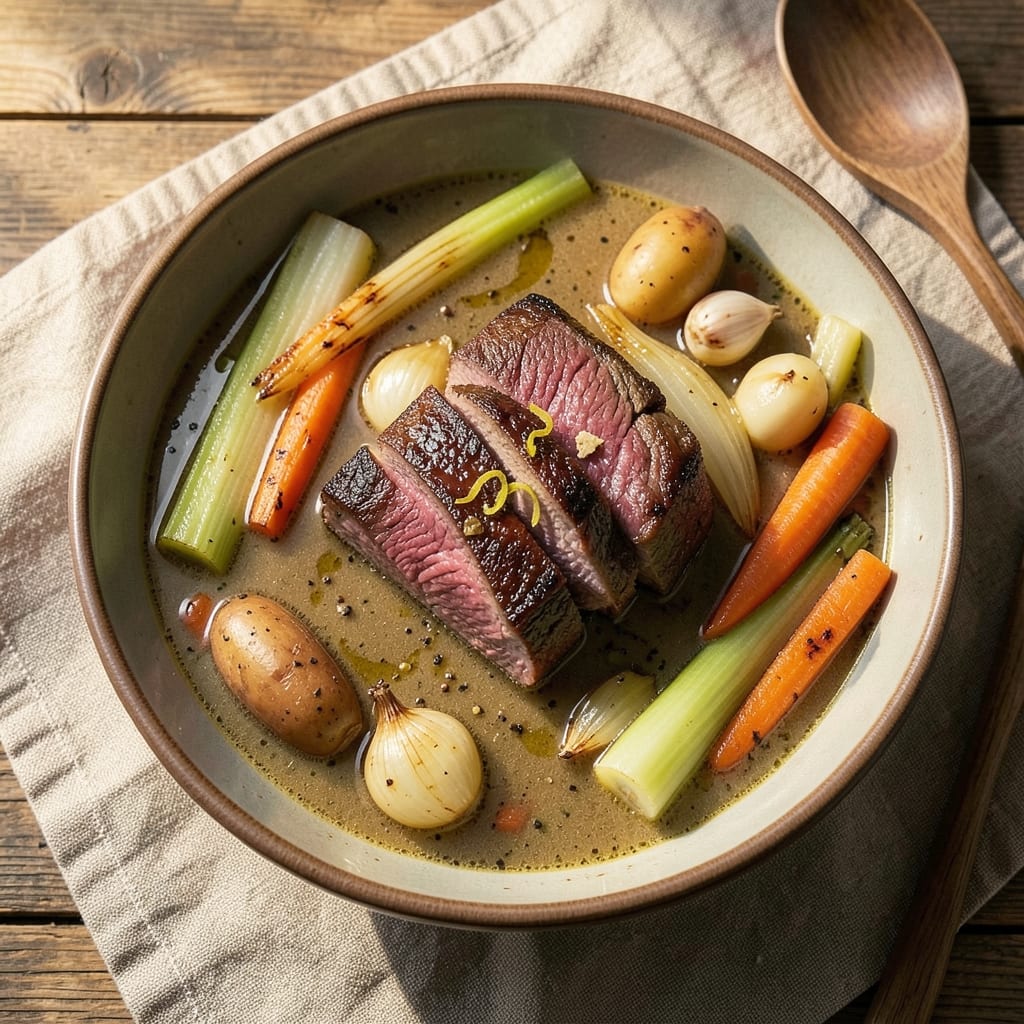
This award-winning vegetable beef soup recipe in the slow cooker transforms simple ingredients into a slow-cooked masterpiece that wins over even the most skeptical soup lovers. The secret lies in caramelizing the vegetables first—creating deep, sweet flavors that build into a rich, umami-packed broth. What makes it truly special is how the slow cooker tenderizes the beef while letting all those aromatics meld together over hours.
Professional chefs swear by this method because it balances hearty beef with vibrant vegetables without overpowering either. The slow cooker does all the work while you prep other dishes, ensuring you return to a pot filled with aromatic steam and layers of flavor that taste like a restaurant-quality meal. The caramelized roots add natural sweetness that cuts through the richness of the beef, creating harmony in every spoonful.
By the time it's done, you'll have a soup that's deeply savory, with tender beef that falls apart at the touch of a spoon and vegetables that are perfectly soft yet still hold their shape. The broth will be rich enough to coat the back of your throat but light enough to let the vegetables shine. This isn't just soup—it's a comforting, award-worthy dish that makes weeknight dinners feel special.
The best part? It's a foolproof method that works for beginners and seasoned cooks alike. Let's get started on creating this slow-cooked umami bomb that will have everyone asking for seconds.
Ingredients for award winning vegetable beef soup recipe slow cooker
Transform simple pantry staples into an award-winning slow-cooked masterpiece with deep umami and caramelized roots.
| Ingredient | Amount | Notes |
|---|---|---|
| Chuck Roast 🥩 | 2 lb | Trimmed of excess fat |
| Yellow Onions 🧅 | 2 whole | Medium-sized, sliced |
| Carrots 🥕 | 3 medium | Peeled, cut into chunks |
| Celery Stalks 🌿 | 4 whole | Trimmed, chopped |
| Russet Potatoes 🥔 | 2 medium | Peeled, cut into chunks |
| Garlic Cloves 🧄 | 6 cloves | Minced, fresh preferred |
| Tomatoes 🍅 | 1 can | San Marzano, crushed |
| Beef Broth 💧 | 4 cups | Low-sodium preferred |
| Red Wine 🍷 | ½ cup | Dry, bold variety |
| Tomato Paste 🍅 | 2 tbsp | Smooth, no sugar added |
| Olive Oil 🫒 | 2 tbsp | Extra-virgin, for caramelizing |
| Fresh Thyme 🌿 | ½ ounce | Or 1 tsp dried |
| Bay Leaves 🌿 | 2 whole | For depth of flavor |
| Salt 🧂 | 1 ½ tsp | Kosher or sea salt |
| Black Pepper 🌶️ | ½ tsp | Freshly ground |
The chuck roast is non-negotiable—its marbling ensures tender, flavorful beef that falls apart effortlessly. Costco or Whole Foods carry high-quality cuts, but any well-marbled chuck from your local butcher works. Trim excess fat to avoid greasy soup, but leave some for flavor. For vegetables, organic carrots and potatoes add natural sweetness when caramelized, but conventional works too. The key is cutting them evenly—about 1.5-inch chunks—for consistent cooking. Fresh thyme and bay leaves elevate the broth, so don’t skimp on quality; Penzeys or bulk bins at Trader Joe’s offer premium options.
No red wine? Substitute with extra beef broth and 1 tbsp balsamic vinegar—it mimics the acidity beautifully. Swap San Marzano tomatoes for any canned crushed tomatoes, but San Marzano’s superior flavor is worth the splurge. Prefer dried thyme? Use one-third the amount, but fresh is ideal. For a deeper umami punch, add 1 tsp soy sauce or Worcestershire (ensure vegetarian-friendly if needed). The tomato paste can be omitted if you dislike its intensity, but it adds a concentrated sweetness that balances the richness. If your slow cooker is small, reduce the broth by 1 cup to avoid overflow.
This soup tastes even better the next day as flavors meld further. Store in an airtight container in the fridge for up to 5 days or freeze for 3 months. For meal prep, portion into individual containers—each serving reheats perfectly. To revive texture, add a splash of water or broth when reheating. The caramelized vegetables keep their sweetness when stored properly, making this a versatile dish for lunches or dinners. Leftovers transform into a quick soup base for future meals—simply add fresh veggies and broth.
Why You'll Love This Recipe
- Deep Umami Magic: That chuck roast? It melts into the broth, but the real star is the caramelized onions and celery—sweet, earthy, and layered with garlic and thyme. Between us, the first sip makes me pause mid-spoonful like, "Wait, how is this so good?"
- Leftovers That Feel Fresh: This soup actually improves the next day. The potatoes get softer, the broth deepens, and I’ve reheated portions straight from the fridge for lunch without a second thought. (Yes, even on a Tuesday night.)
- Budget-Friendly Crowd-Pleaser: A single chuck roast stretches to feed six, and the veggies? Basic, cheap, and always on sale. My roommates used to tease me for making the same soup weekly—until they tried it. Now they beg for seconds.
Step-by-step instructions for slow-cooked umami vegetable beef soup
This method transforms humble ingredients into a rich, layered soup with deep caramelized flavors.
Sear and Deglaze the Chuck Roast
Heat a large Dutch oven over medium-high heat. Add the 2 tablespoons olive oil and let it shimmer. Pat the 2 lb chuck roast completely dry with paper towels—this ensures a proper sear. Working in batches if needed, sear the roast on all sides until deeply browned, about 4-5 minutes per side. The goal is to develop a rich, caramelized crust that will infuse the broth with umami depth.
Once browned, remove the roast and set it aside. Immediately add the sliced 2 whole yellow onions, chopped 4 whole celery stalks, and 3 medium carrots to the pot. Cook for 5-6 minutes until the vegetables begin to soften and release their natural sugars. This step builds the flavor foundation. Deglaze the pot by pouring in the ½ cup red wine, scraping up all the browned bits from the bottom with a wooden spoon. Let the wine simmer for 2 minutes until reduced by half.
Build the Flavor Base with Tomatoes and Herbs
Return the seared chuck roast to the pot. Stir in the 1 can crushed tomatoes, 2 tablespoons tomato paste, 6 minced garlic cloves, ½ ounce fresh thyme (or 1 teaspoon dried), and 2 whole bay leaves. Sprinkle with 1 teaspoon salt and ½ teaspoon black pepper. The combination of tomatoes and tomato paste creates a thick, flavorful paste that will deepen as it cooks. Stir well to combine all ingredients, ensuring the roast is fully coated in the mixture.
Pour in the 4 cups beef broth and bring the mixture to a gentle boil. Once boiling, reduce heat to medium-low and let it simmer uncovered for 10 minutes. This initial simmer helps dissolve any remaining surface flavors and begins breaking down the meat fibers. You'll notice the liquid darken slightly as the flavors meld together—a visual cue that the base is developing properly.
Slow Cook Until Fork-Tender
Carefully transfer the entire contents to your slow cooker. Add the peeled and chunked 2 medium russet potatoes and stir gently to distribute them evenly. The potatoes will absorb the rich broth and become silky as they cook. Set the slow cooker to low heat and cook for 6-8 hours, or until the chuck roast is fork-tender and easily pulls apart with minimal resistance.
Here's the thing—patience is key. The slow cooking process allows the connective tissues in the chuck roast to break down completely, resulting in melt-in-your-mouth texture. Check the internal temperature of the roast using a meat thermometer; it should reach 200-205°F for maximum tenderness. If you're short on time, you can switch to high heat for the final 2-3 hours, but monitor closely to prevent overcooking.
Finish and Adjust Seasoning
Once the meat is tender, remove the chuck roast from the slow cooker and let it rest for 5 minutes before shredding it directly into the pot using two forks. This resting period allows the juices to redistribute, ensuring every bite remains moist. Discard the bay leaves and adjust the seasoning if needed. Taste the broth and add more salt or black pepper as necessary—remember, the potatoes will absorb some of the liquid, so season to taste at the end.
The soup should have a thick, velvety consistency with visible chunks of vegetables and tender beef. If it's too thick, stir in ½ cup hot water or beef broth to reach your desired texture. Serve immediately, garnished with additional fresh thyme if desired. The aroma alone will tell you this is a winner—the deep, savory scent of slow-cooked beef and caramelized vegetables will have your kitchen smelling like a home-cooked masterpiece.
Pro Tips For Making Award Winning Vegetable Beef Soup Recipe Slow Cooker
- SEAR THE ROAST FIRST: I used to toss that chuck roast straight into the slow cooker, and the soup always tasted bland. Now I brown it hard in a skillet—5 minutes per side—before transferring. The crust locks in flavor and prevents the meat from turning mushy later.
- CUT POTATOES UNIFORM: I learned this the hard way—uneven potatoes mean some get mushy while others stay hard. Dice them into 1-inch cubes so they cook evenly. Russets break down fast, so don’t skip this step.
- ADD CELERY LAST: Celery gets bitter if it cooks too long. Toss it in during the final 30 minutes of slow cooking—it’ll stay crisp and bright, adding texture without overpowering the broth.
- USE COLD WATER: Starting with cold water keeps the chuck from cooking too fast and drying out. Fill the slow cooker halfway, then add the roast and veggies. The water will heat gradually, giving you melt-in-your-mouth beef.
Wine and beer pairings for this award winning vegetable beef soup recipe slow cooker
Red Wine Pairings
A bold, dry Cabernet Sauvignon from Napa Valley is my go-to choice for this rich soup. Its deep berry and black currant notes complement the caramelized roots and umami beef perfectly, while its tannins stand up to the hearty texture. Look for a 2020 vintage with 14-15% ABV—just enough body to match the soup's depth without overpowering it. 🍷
For a lighter but still robust option, try a Syrah from the Rhône Valley. Its peppery, smoky undertones enhance the thyme and bay leaves in the soup, creating a beautiful harmony. A 2019 Crozes-Hermitage with 13.5% ABV works wonderfully, offering bright acidity to cut through the richness.
Beer Pairings
A malty Belgian Dubbel like Westmalle Trappist adds a perfect contrast with its caramel and raisin notes that mirror the caramelized vegetables. The slight sweetness balances the savory beef, while the alcohol content cleanses your palate between spoonfuls. 🍺
For beer lovers who prefer something lighter, a crisp German Helles Lager (like Weihenstephaner Original) provides refreshing carbonation and subtle malt sweetness. Its clean finish lets the soup's flavors shine without competition, making it ideal for warm days.
Non-Alcoholic Options
Craft a sparkling hibiscus iced tea by steeping 2 tbsp dried hibiscus flowers in 4 cups hot water for 10 minutes, then chilling and adding 1 tbsp agave syrup. The tartness complements the soup's richness beautifully. Serve over ice with a slice of lemon for brightness.
For a savory match, try sparkling apple cider with a dash of cinnamon. The effervescence cuts through the soup's richness, while the apple's natural sweetness echoes the caramelized vegetables. A Martinelli's Sparkling Cider works perfectly for this purpose.
Wine and Beer Storage
Store your Cabernet Sauvignon in a cool, dark place (like a wine fridge) to maintain its freshness. Once opened, finish it within 3-5 days or transfer to the fridge for extended storage. For beer, keep bottles upright in the fridge to preserve carbonation—once opened, consume within 2-3 days.
For the Belgian Dubbel, decant it for 30 minutes before serving to let its complex flavors open up. This step reveals hidden notes that pair even better with the soup's depth. 💫
Nutrition facts
Frequently asked questions
Can I use ground beef instead of chuck roast in this slow-cooker recipe?
You can substitute, but the texture will differ. Ground beef cooks much faster and won't develop the same tender, shreddable quality. For best results, use 1 lb ground beef (80/20 blend) and add it directly to the slow cooker after the initial searing step. Cook on high for 2-3 hours instead of low, and reduce broth by 1 cup since ground beef releases more liquid. The flavor will be rich but less melt-in-your-mouth.
How do I prevent the soup from becoming too watery?
Start with the full 4 cups broth, then adjust at the end. If it's too thin, let it cool slightly and simmer uncovered on the stovetop for 5-10 minutes to reduce. For extra thickness, mash some of the cooked potatoes against the pot's side to release starch. The caramelized vegetables will naturally thicken the broth as they break down during slow cooking.
Can I make this soup ahead of time for meal prep?
This recipe actually tastes better the next day! Store in an airtight container in the fridge for up to 5 days. Reheat gently on the stove over medium-low heat, stirring occasionally. Add 1-2 tbsp water or broth if it thickens too much. For freezing, portion into individual containers—each serving reheats perfectly. The flavors deepen overnight, making it ideal for busy weeknights.
What's the secret to making this award-winning flavor?
The magic comes from three key steps:
- Searing the beef deeply to build umami,
- Caramelizing the vegetables for natural sweetness, and
- Slow cooking on low to tenderize the meat. The red wine and tomato paste create a rich base, while fresh thyme and bay leaves add aromatic depth. Don't skip the resting period before shredding—it ensures juicy beef in every bite.
Can I add other vegetables to this recipe?
Try adding 1 cup diced zucchini or bell peppers in the last 1-2 hours of cooking—they hold up well. For heartier soups, include ½ cup chopped kale or spinach at the very end. Avoid starchy veggies like corn or peas—they can make the soup too thin. The original carrots, potatoes, and celery provide perfect balance, but