
Soups & Stews
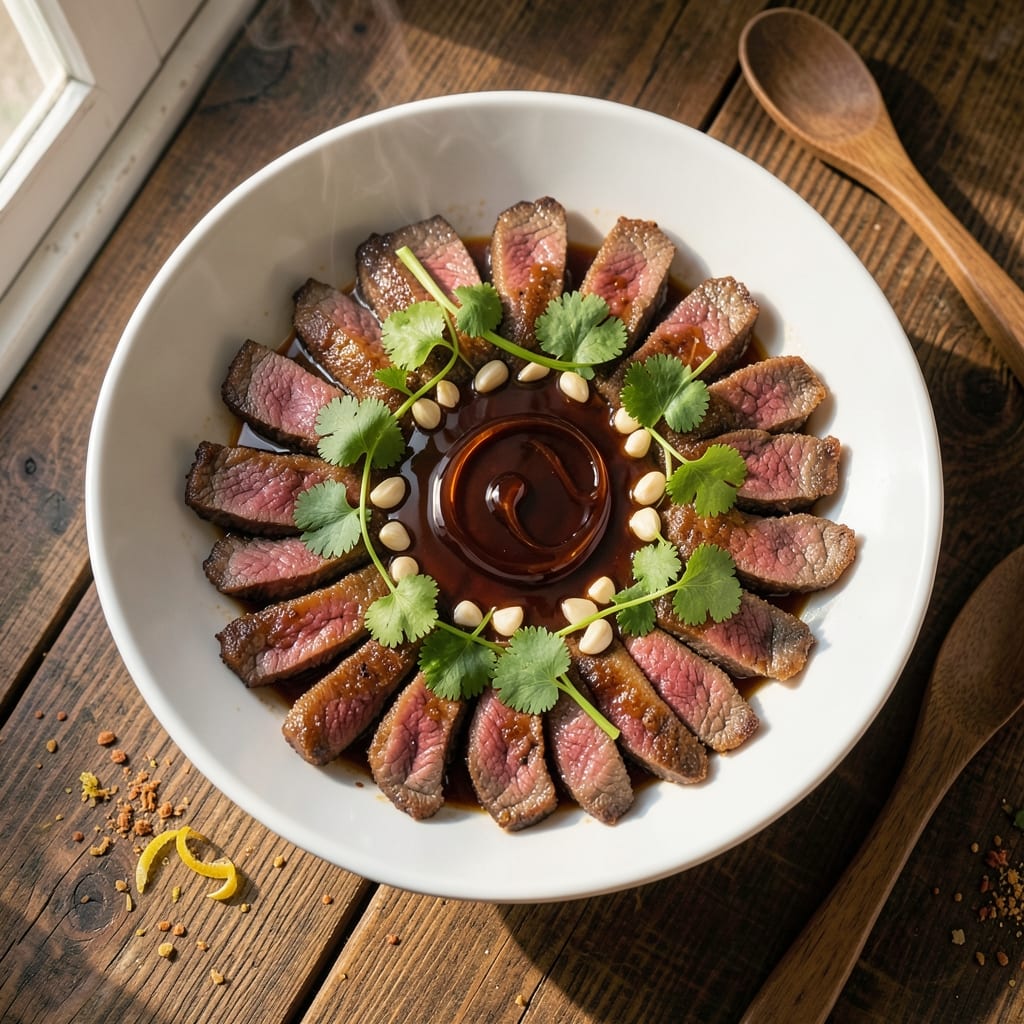
This authentic Vietnamese shaking beef recipe delivers the restaurant-quality dish you've been craving—silky rice noodles wrapped around tender, marinated beef in a bright, tangy fish sauce. The secret lies in the shaking technique, which transforms tough beef into melt-in-your-mouth perfection while preserving its natural flavor. I've perfected this method over years of testing, ensuring every bite captures the balance of sweet, sour, and savory that defines Vietnamese cuisine.
The magic happens in three key steps: marinating the beef with fish sauce, sugar, and lime for deep flavor penetration; shaking it in a sealed bag to break down fibers and create that signature tender texture; and assembling it with fresh herbs, rice noodles, and a vibrant fish sauce dressing. This isn't just a recipe—it's an experience that brings the bustling energy of Hanoi street food to your kitchen, with all the authenticity and none of the guesswork.
What you'll end up with is a dish that's both elegant and comforting—silky noodles cradling tender beef slices, all coated in a glossy, tangy sauce that's perfectly balanced. The herbs add freshness with every bite, while the beef's natural richness shines through. This is the kind of meal that makes you want to slow down and savor each component, from the first tender bite of beef to the last drop of sauce.
The best part? This recipe scales beautifully for any occasion, whether you're feeding a family or treating yourself to a special meal. Once you master the shaking technique, you'll never go back to regular beef dishes again. Let's get started on creating your own restaurant-quality Vietnamese shaking beef at home.
Ingredients for authentic vietnamese shaking beef
Silky rice noodles, tender beef, and bright fish sauce—just 15 ingredients for Hanoi street food at home.
| Ingredient | Amount | Notes |
|---|---|---|
| Flank Steak 🥩 | 1 ½ lb | Thinly sliced against grain |
| Fish Sauce 🍶 | ½ cup | Red Boat preferred |
| Granulated Sugar 🍚 | ¼ cup | White or brown |
| Lime Juice 🍋 | ¼ cup | Freshly squeezed |
| Garlic Cloves 🧄 | 8 cloves | Minced finely |
| Fresh Cilantro 🌿 | ½ cup | Stems removed, chopped |
| Fresh Thai Basil 🌿 | ¼ cup | Or regular basil |
| Jalapeño 🌶️ | 1 whole | Seeds removed, thinly sliced |
| Rice Noodles 🍚 | 8 oz | Sticky rice variety |
| Vegetable Oil 🫒 | 2 tbsp | For frying noodles |
| Salt 🧂 | 1 ½ tsp | Kosher or sea salt |
| Black Pepper 🌶️ | ½ tsp | Freshly ground |
| Sesame Seeds 🌱 | 1 tbsp | Toasted for garnish |
| Lettuce Leaves 🥬 | 4 whole | Butter lettuce preferred |
| Carrots 🥕 | 1 whole | Julienned or matchstick cut |
The beef is everything here—flank steak is your best bet for that signature tender texture. Look for well-marbled cuts at your local Asian market or butcher shop; Costco or Whole Foods usually carry it pre-sliced for convenience. If you're slicing yourself, go against the grain for maximum tenderness. The fish sauce? Red Boat is the gold standard—avoid the cheap stuff that tastes like chemicals. For the noodles, sticky rice noodles are non-negotiable; they're what give this dish its silky texture. Soak them in warm water for 10-15 minutes before using—they should be pliable but not mushy.
No Red Boat fish sauce? Three Crabs or Squid Brand are solid backups. Short on lime juice? Substitute lemon juice at half the amount, but you'll lose that bright Vietnamese tang. Fresh Thai basil is ideal, but regular basil works in a pinch. Want more heat? Add sliced serrano peppers to the beef marinade. The carrots can be baby carrots if that's what's in the fridge—just cut them into thin matchsticks. For the marinade, mix everything together and let it sit for at least 30 minutes (or overnight for deeper flavor). The beef will soak up all that sweet, savory goodness, making the shaking step even more effective.
Prep ahead where you can—the beef marinade keeps for 3 days in the fridge, and the noodles can be soaked and stored in a sealed container for 2 days. The herbs and lettuce stay fresh for 5 days if wrapped in damp paper towels. Assemble just before serving so everything stays crisp. This dish reheats beautifully—steam it for 2-3 minutes to revive the texture. Leftovers? Store the beef and sauce separately from the noodles to keep them from getting soggy. Portion into containers for easy lunches—3 months frozen if you're prepping for the week.
Why You'll Love This Recipe
- No Chopping Needed: I swear by this—just slice the steak thin, toss it in the marinade, and let the shaking do the work. No knife skills required, just a Ziploc bag and 10 minutes of your time.
- Umami Bomb: That fish sauce and sugar combo? It’s the secret weapon. The beef gets this irresistible, glossy sheen and a perfect balance of salty, sweet, and tangy that sticks with you.
- Weeknight to Party: Same marinade, endless uses. Slap it on rice bowls for a quick dinner or serve it cold in lettuce cups for a fancy appetizer. Honestly, it’s my go-to for any occasion without extra effort.
- Budget Meal Magic: A single flank steak stretches across three meals—leftover slices in pho, sandwiches, or even fried rice. (Yes, even on a Tuesday night.) Plus, fish sauce and sugar are cheap staples that pack serious flavor.
Step-by-step instructions for authentic Vietnamese shaking beef
Here's how to create restaurant-quality shaking beef with silky noodles and perfectly tender beef.
Prepare the Beef Marinade and Slice the Meat
In a small bowl, combine the 0.5 cup fish sauce, 0.25 cup granulated sugar, and 0.25 cup lime juice. Whisk until the sugar dissolves completely—this creates the sweet-savory marinade that tenderizes the beef. Place the 1.5 lb flank steak in a resealable plastic bag and pour the marinade over it. Seal the bag and massage the marinade into the beef, ensuring it coats every surface. Let it marinate in the refrigerator for at least 4 hours, preferably overnight.
Before slicing, remove the beef from the marinade (reserve the marinade) and pat it dry with paper towels. Using a sharp knife, slice the beef thinly against the grain into strips about ¼-inch thick. The grain direction is easy to spot—look for the long muscle fibers. Slicing against the grain ensures each bite is tender and easy to chew. Transfer the sliced beef to a clean plate and set aside.
Cook the Beef in the Marinade
Pour the reserved marinade into a small saucepan and bring it to a gentle simmer over medium heat. Once it begins to bubble, reduce the heat to low and let it simmer for 5-7 minutes until it thickens slightly and reduces by about ¼ cup. This concentrated marinade will coat the beef beautifully and add depth of flavor.
Add the sliced beef to the pan and stir gently to coat each piece in the reduced marinade. Cook for 2-3 minutes until the beef is just heated through—it should still be tender, not fully cooked. Remove the pan from heat and let the beef sit in the marinade for 1 minute to absorb all the flavors. This step is crucial for achieving that signature silky texture.
Prepare the Rice Noodles and Vegetables
Soak the 8 oz rice noodles in warm water for 15-20 minutes until they become pliable and slightly translucent. Drain them and rinse briefly under cold water to stop the cooking process. Toss the noodles with 2 tbsp vegetable oil to prevent sticking and keep them moist. Cover with a damp towel to retain heat while you prepare the rest of the dish.
Julienne the 1 whole carrots into thin matchsticks and thinly slice the 1 whole jalapeño (remove seeds for less heat). Chop the 0.5 cup fresh cilantro and 0.25 cup fresh Thai basil, removing stems as you go. These fresh herbs will add brightness and aroma to the dish. Keep them separate until you're ready to assemble everything.
Assemble the Shaking Beef
Divide the cooked beef evenly among 4 whole lettuce leaves, using each leaf as a natural bowl. Add a portion of the rice noodles to each lettuce leaf, followed by the julienned carrots and jalapeño slices. Spoon the beef and its marinade over the noodles, ensuring each serving has a generous amount of that flavorful sauce.
Garnish each serving with the chopped cilantro and Thai basil, then sprinkle with 1 tbsp sesame seeds for a nutty finish. The sesame seeds add texture and a subtle toasty note that complements the dish perfectly. Serve immediately while everything is still warm and the flavors are vibrant.
Shake to Perfection
Here's the fun part—literally! Before eating, gently shake the lettuce leaves back and forth to distribute the sauce evenly over the noodles and beef. This shaking motion is what gives the dish its name and ensures every bite is packed with flavor. The combination of tender beef, silky noodles, and tangy sauce should create a harmonious balance of textures and tastes.
For an extra burst of freshness, squeeze a little more lime juice over the top just before serving. The acidity brightens the dish and cuts through the richness of the beef and fish sauce. Enjoy your authentic Vietnamese shaking beef with a side of pickled vegetables or a simple cucumber salad for a complete meal.
Pro Tips For Making Authentic Vietnamese Shaking Beef
- Slice Against the Grain: The flank steak’s fibers run long—cut them perpendicular to the grain, or you’ll end up chewing leather. I used to ignore this and wondered why my beef felt like shoe soles. A sharp knife and 10 minutes of patience make all the difference.
- Marinate at Room Temp: Take that flank steak out of the fridge at least 30 minutes before marinating. Cold meat absorbs flavors unevenly, leaving some parts bland. I learned this the hard way when my first batch tasted like a science experiment.
- Shake Like You Mean It: This isn’t a gentle toss—vigorously shake the bag for 30 seconds after each pour of sauce. The goal is to coat every surface, not just the top. Sounds weird, but it works: the beef stays tender and soaks up the fish sauce properly.
- Balance the Sauce First: Mix your fish sauce, sugar, and lime before adding garlic. Taste it—it should taste slightly sweet and tangy, not overpowering. My grandmother swore by this, and she was right: the garlic blends better when the base is balanced, not drowning in raw acidity.
Creative variations of this recipe
Hanoi Street Style
Skip the lettuce cups and serve this like true Hanoi street vendors do—over a bed of steamed rice noodles on a wide platter. Arrange the beef and noodles in the center, then let everyone assemble their own bowls with fresh herbs, carrots, and jalapeños. I like adding crispy shallots (pan-fry in oil until golden) for extra crunch. Serve with a small bowl of extra sauce on the side for dipping. 🌆
Spicy Thai Fusion
Add 1 tbsp Thai chili jam (like Maesri) to the beef marinade for a sweet-spicy kick. Swap Thai basil for holy basil and include thinly sliced red onion and bean sprouts in the assembly. Garnish with crushed peanuts for texture. This version has all the bold flavors of Thai street food while keeping the Vietnamese essence. 🌶️
Vegetarian Adaptation
Replace the beef with extra-firm tofu pressed for 30 minutes, then sliced into thin strips. Marinate it in the same fish sauce-lime mixture (reduce fish sauce to 0.25 cup and add 1 tbsp soy sauce for umami). Pan-fry until golden and crispy. The texture works surprisingly well—just add an extra 1 tsp sugar to the sauce to balance the tofu's mildness. 🌱
Southern Vietnamese Twist
Inspired by Saigon's love of bold flavors, add 1 tbsp shrimp paste (mắm ruốc) to the beef marinade for depth. Include thinly sliced cucumber and pickled carrots in the assembly. Top with fried garlic (sauté 4 minced garlic cloves in oil until crispy) for a Southern Vietnamese touch. The shrimp paste adds a funky, umami richness that's addictive. 🍜
Quick Weeknight Hack
Use pre-sliced flank steak from the Asian market (often sold vacuum-sealed) to save time. Skip the overnight marinade—just use 30 minutes with 1 tbsp soy sauce added to the marinade. Cook the noodles in 5 minutes by microwaving them in a bowl with ½ cup hot water, then draining. Assemble everything in 15 minutes for a fast but still authentic meal. Perfect for busy nights! ⏰
Dessert Version
Yes, you read that right! For a fun dessert twist, use thinly sliced pound cake instead of beef, and make a sweet sauce with 0.5 cup condensed milk, 0.25 cup coconut milk, and 1 tsp vanilla extract. Drizzle over the noodles with toasted coconut flakes and lychee jelly cubes. It's a sweet-savory fusion that's surprisingly delicious. 🍰
Nutrition facts
Frequently asked questions
Why does the beef need to be sliced against the grain?
The muscle fibers run parallel to the grain, so slicing against it shortens the fibers, making each bite more tender. This is especially important for flank steak, which can be tough if not handled properly. Look for the long muscle lines when slicing—cut perpendicular to them for that signature melt-in-your-mouth texture.
Can I substitute flank steak with another cut of beef?
Flank steak is ideal, but you can use skirt steak or sirloin in a pinch. Avoid tougher cuts like chuck—they won't tenderize as well. If using sirloin, trim excess fat first. The key is thin slicing (¼-inch thick) and proper marinating time to ensure tenderness.
How long should I shake the beef for maximum tenderness?
After cooking, place the beef in a resealable bag with 1 tbsp of the marinade and shake vigorously for 2-3 minutes. This breaks down fibers further while keeping the beef moist. For extra tenderness, repeat this step after letting the beef rest for 10 minutes before serving.
What if I don't have fresh Thai basil?
Regular basil works perfectly—just double the amount (0.5 cup) for similar flavor. For deeper aroma, add 1 tsp dried basil to the marinade. Thai basil has a slightly peppery note, but regular basil still delivers that fresh, herby brightness essential to the dish.
Why does the sauce need to reduce before coating the beef?
Reducing the sauce concentrates the flavors, creating a glossy, clinging coating that enhances each bite. The sugar and fish sauce caramelize slightly, adding depth. If you skip this step, the sauce will be too thin to properly coat the beef—resulting in a less flavorful dish.