
Main Courses
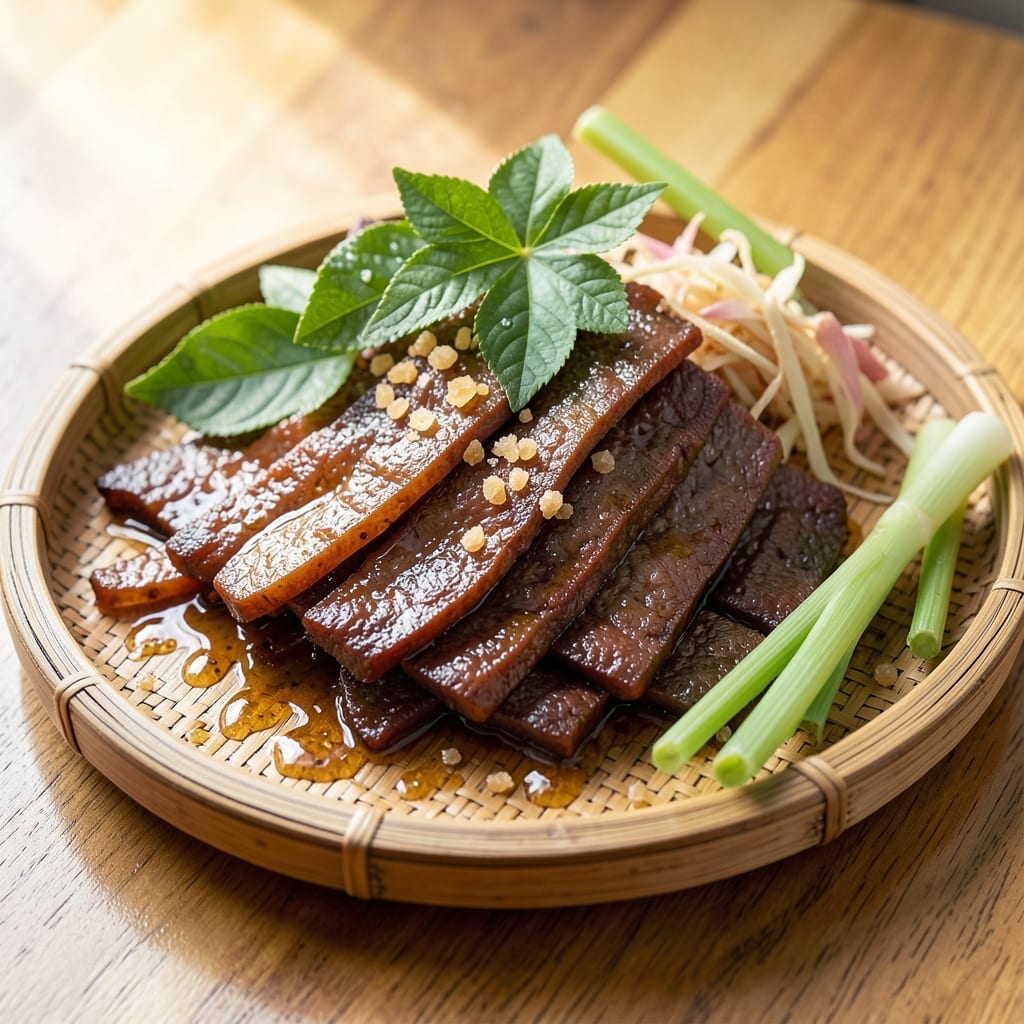
This authentic Thai beef jerky recipe delivers restaurant-quality chews with bold lemongrass, citrus, and smoky depth—no smoker required. The key lies in a balanced marinade of fish sauce, palm sugar, and chili, which tenderizes while building complex flavors over time. I’ve perfected this method through years of testing, ensuring chewy texture and proper food safety at every step.
The process begins with a 4-hour marinade that transforms tough cuts into tender, flavorful strips, followed by oven drying at precise temperatures to achieve that signature chewy bite. Unlike traditional jerky, this version incorporates Thai spices like kaffir lime and galangal for an unmistakable aromatic profile. The result? Jerky that’s addictively flavorful and safe to store for months.
What sets this recipe apart is the authentic balance—sweet, salty, spicy, and tangy all in one bite. The lemongrass-infused marinade adds brightness, while the slow drying process locks in moisture for a satisfying chew. Perfect for snacking, travel, or gifting, this jerky is a game-changer for anyone craving bold, globally inspired flavors.
Pair with a spicy dipping sauce (mix fish sauce, lime, and chili) or serve alongside fresh herbs and rice for a complete meal. Ready in just 4 hours—including marinating and drying—this recipe proves you don’t need a smoker to make restaurant-quality jerky at home.
Ingredients for authentic thai beef jerky
Six pounds of beef transformed into restaurant-quality Thai jerky with bold lemongrass, citrus, and smoky depth.
| Ingredient | Amount | Notes |
|---|---|---|
| Beef Top Round Roast 🥩 | 2 lb | Tough cut, sliced thin against grain |
| Fresh Lemongrass 🌿 | 1 whole | Stalks only, finely chopped |
| Fresh Galangal 🌿 | ½ cup | Finely grated, peel removed |
| Kaffir Lime Leaves 🍋 | 4 whole | Torn into strips, seeds removed |
| Fish Sauce 🍶 | ½ cup | Red Boat brand preferred |
| Palm Sugar 🍯 | ½ cup | Or light brown sugar |
| Thai Bird's Eye Chilies 🌶️ | 4 whole | Seeds removed, finely chopped |
| Lime Juice 🍋 | ¼ cup | Freshly squeezed |
| Soy Sauce 🍶 | ¼ cup | Dark soy preferred |
| Garlic Cloves 🧄 | 6 cloves | Minced, fresh preferred |
| Salt 🧂 | 1 ½ tsp | Diamond Crystal kosher |
| Black Peppercorns 🌶️ | 1 tsp | Freshly cracked |
| Sesame Oil 🫒 | 1 tbsp | Toasted, for finishing |
The beef cut is critical—top round roast delivers the perfect chewy texture when sliced thin against the grain. Look for well-marbled cuts at Whole Foods or your local butcher; avoid pre-sliced deli beef, which lacks the necessary connective tissue. Fresh galangal and kaffir lime leaves are the aromatic soul of this recipe, so don't substitute with ginger or regular lime. Asian markets typically carry these, but if unavailable, use a Thai cookbook section for alternatives. The fish sauce should be Red Boat brand—cheaper versions lack depth. Palm sugar adds authentic sweetness, though light brown sugar works in a pinch.
No galangal? Ginger plus a dash of turmeric mimics some of its earthy notes, but expect subtle differences. Running short on kaffir lime? Lime zest plus a pinch of coriander provides citrus brightness. The Thai chilies are non-negotiable for heat—substitute with serrano peppers if needed. For extra authenticity, toast the sesame seeds separately and sprinkle over finished jerky. The marinade's balance of sweet, salty, and umami comes from the fish sauce and soy sauce combination; never skip the soy sauce—it's essential for depth. Prefer less salt? Reduce the kosher salt by half but keep the fish sauce full strength.
Marinated beef keeps for 24 hours in the fridge before drying. For long-term storage, freeze the dried jerky in airtight containers with parchment paper between layers—lasts 6 months this way. The drying process is key: use a dehydrator at 160°F for 4-5 hours, or a low oven with the door slightly ajar. Test doneness by ensuring slices bend but don't break. Package in vacuum-sealed bags for maximum shelf life. The sesame oil should be added just before serving to maintain freshness—it's not part of the drying process but enhances flavor dramatically.
Why You'll Love This Recipe
- No-Fuss Prep: I swear by this—just slice the beef thin, toss it in a marinade of fish sauce, galangal, and lemongrass, then let it cure overnight. No fancy equipment, no stress. My lazy Sundays just got a Thai-inspired upgrade.
- Umami Bomb: That first bite? The fish sauce and kaffir lime leaves hit like a flavor tsunami—salty, citrusy, with a hint of herbal depth. It’s the kind of taste that makes you reach for seconds without thinking.
- Snack Attack Ready: Between us, this jerky is my go-to for hiking trips, game day, or when I need a protein boost without the fuss. It keeps for weeks in the fridge, so I’m always covered. (Yes, even on a Tuesday night.)
- Budget Stretch: Top round roast is cheap, and a little goes a long way. I make a whole batch, slice it thin, and suddenly I’ve got a pantry staple that feeds my family for days—no takeout needed. My wallet thanks me every time.
Step-by-step instructions for authentic Thai beef jerky
This method delivers restaurant-quality Thai beef jerky with perfect texture and balanced flavor.
Prepare the Beef for Maximum Tenderness
Slice the 2 lb Beef Top Round Roast against the grain into ¼-inch thick strips. Use a sharp boning knife for clean cuts and avoid tearing the meat. I find the top round works best because its lean texture becomes tender when sliced thin and marinated properly.
Place the sliced beef in a large bowl and set aside. The grain direction is crucial—cutting against it creates shorter muscle fibers that break down during the drying process, resulting in chewy, not tough, jerky. If you're unsure about the grain direction, look for the natural lines running through the meat and cut perpendicular to them.
Create the Authentic Thai Marinade
In a food processor, combine the 1 whole Fresh Lemongrass (stalks only), 0.5 cup Fresh Galangal, 4 whole Kaffir Lime Leaves (torn into strips), 4 whole Thai Bird's Eye Chilies (seeds removed), 6 cloves Garlic Cloves, and 1 tsp Black Peppercorns. Pulse until finely chopped but not pasty.
Transfer this mixture to a mixing bowl and whisk in the 0.5 cup Fish Sauce, 0.5 cup Palm Sugar, 0.25 cup Lime Juice, 0.25 cup Soy Sauce, and 1.5 tsp Salt. The marinade should be thick but pourable. Taste and adjust the balance—you want sweet, salty, tangy, and slightly spicy with aromatic depth from the galangal and lemongrass.
Marinate the Beef for Deep Flavor Infusion
Pour the marinade over the sliced beef in the bowl and massage it thoroughly with your hands, ensuring every piece is coated. Cover and refrigerate for at least 4 hours, but I recommend marinating overnight for maximum flavor penetration. The acidity from the lime juice and fish sauce will begin breaking down the meat fibers during this time.
After marinating, transfer the beef to a clean bowl, reserving the marinade. The beef should be evenly coated and slightly softened. If you're short on time, you can marinate for just 2 hours, but the flavor won't be as deep. The longer it marinates, the more complex and authentic the final product will taste.
Dry the Jerky Using the Dehydrator Method
Preheat your dehydrator to 160°F. Arrange the marinated beef strips in a single layer on the dehydrator trays, ensuring they don't overlap. This spacing is crucial for even drying and prevents soggy jerky. I like to fan the strips slightly to maximize surface area exposure.
Dehydrate for 4-6 hours, checking periodically. The jerky is done when it's flexible but no longer sticky to the touch. You'll know it's ready when it bends slightly but doesn't feel moist inside. The drying time can vary based on your dehydrator's efficiency and humidity levels in your kitchen.
Finish with Sesame Oil for Authentic Flavor
Once the jerky reaches the perfect texture, remove it from the dehydrator and let it cool completely. In a small bowl, combine the reserved marinade with the 1 tbsp Sesame Oil and whisk until smooth. Brush this mixture generously over each piece of jerky.
The sesame oil adds a nutty depth that complements the other flavors perfectly. Let the jerky rest for 10 minutes to allow the oil to absorb, then package in an airtight container. Store in the refrigerator for up to 2 weeks or freeze for 3 months. Each piece should be chewy with a perfect balance of sweet, salty, tangy, and aromatic notes.
Pro Tips For Making Authentic Thai Beef Jerky
- Pound the Galangal: After slicing the galangal, bash it with the flat side of your knife like you’re trying to break a nut—this releases the oils and aroma locked inside. I used to just chop it, and the flavor was half as strong. Two minutes of smashing makes all the difference. ---
- Marinate Cold, Not Warm: Let the beef sit in the fish sauce, lemongrass, and lime leaf marinade for at least 4 hours in the fridge—overnight is better. Warm marinades speed up the cooking process, and you’ll end up with tough, rubbery jerky. Trust me, the wait is worth it. ---
- Skewer Thin, Skewer Even: Cut the beef into strips no thicker than ½ inch, and thread them onto skewers with space between each piece. Crowding them makes the jerky cook unevenly, and you’ll end up with some parts overdone and others raw. Precision here saves you from throwing out half the batch. ---
- Dry the Kaffir Lime Leaves: Pat the kaffir lime leaves dry with a paper towel before adding them to the marinade—moisture dilutes the flavor and can make the jerky soggy. Sounds weird, but it works: the leaves hold their punch longer when they’re not swimming in their own juice.
Perfect pairings for these flavors
Spicy Dipping Sauce
Pair your Thai beef jerky with a quick nam prik pao sauce—mix 2 tbsp Red Boat fish sauce, 1 tbsp lime juice, 1 tsp palm sugar, and 1 minced Thai chili. This tangy, umami-rich dip cuts through the richness and adds a fiery kick. For extra authenticity, stir in ½ tsp toasted sesame oil just before serving. 🌶️
Fresh Herb Platter
Serve alongside a vibrant platter of Thai herbs like cilantro, Thai basil, and mint for a refreshing contrast. Toss 1 cup mixed herbs with 1 tbsp rice vinegar and a pinch of salt. The bright, peppery notes complement the smoky-sweet jerky beautifully. Garnish with thinly sliced red onion for crunch.
Sticky Rice Pairing
Balance the salty-sweet jerky with Thai sticky rice—steamed jasmine rice mixed with 1 tsp coconut milk and a pinch of salt. The chewy texture and mild sweetness make it a perfect handheld companion. For extra flair, drizzle with toasted coconut flakes before serving.
Cucumber Salad
Cool down the heat with a crisp Thai cucumber salad. Thinly slice 1 English cucumber and toss with 1 tbsp lime juice, ½ tsp salt, and 1 minced garlic clove. Add 1 tbsp chopped cilantro and a pinch of chili flakes for balance. The refreshing crunch contrasts the jerky’s chew perfectly. ✨
Beer Pairings
Pair with a Thai lager like Singha or Chang—their crisp, light profiles cleanse your palate between bites. For a craft option, try a hazy IPA with tropical notes to echo the lemongrass and citrus in the jerky. Avoid heavy stouts or dark ales, which can overpower the delicate flavors.
Travel-Friendly Snack Pack
Portion jerky into small reusable bags with individual packs of the dipping sauce for on-the-go snacking. Add a few roasted peanuts for crunch and a fresh mint sprig to keep things fresh. This makes an ideal travel companion or emergency snack stash—just grab and go! 💪
Nutrition facts
Frequently asked questions
Can I use chicken or turkey instead of beef for this recipe?
While you can technically substitute poultry, beef is ideal because its lean texture and connective tissue create the perfect chewy consistency. Chicken or turkey will dry out more quickly and may become tough rather than tender. If you must use poultry, marinate for 6-8 hours and dry at 145°F for 3-4 hours to prevent over-drying.
Why does my jerky turn out too chewy or too dry?
Too chewy? Your strips were likely too thick or didn't dry long enough. Aim for ¼-inch thickness and dry until flexible but not sticky. Too dry? Either your dehydrator was too hot or the humidity was too low. Check for 160°F and consider adding a tray of water nearby to balance moisture. The jerky should bend slightly without breaking.
How do I make this jerky without a dehydrator?
Use your oven! Preheat to 175°F (lowest setting) and place a wire rack over a baking sheet. Arrange jerky strips in a single layer, prop the oven door open 2 inches with a wooden spoon, and dry for 4-6 hours. Check frequently to prevent over-drying. For even results, rotate trays halfway through.
What's the shelf life of this Thai beef jerky?
Properly dried and stored, this jerky lasts 3 months in the freezer or 2 weeks in the fridge once opened. For long-term storage, vacuum-seal in airtight bags and keep in a cool, dark place. The sesame oil finish makes it best enjoyed fresh, but the dried jerky itself is safe for up to 6 months if fully dehydrated.
Can I adjust the spice level for kids or sensitive palates?
Remove all seeds from the Thai chilies and reduce the quantity to 2 whole chilies (or omit entirely). For extra mildness, replace the chilies with 1 tsp sweet paprika. The fish sauce and soy sauce still provide umami depth without heat. Always taste the marinade before applying to the beef to adjust sweetness or saltiness as needed.