
Soups & Stews
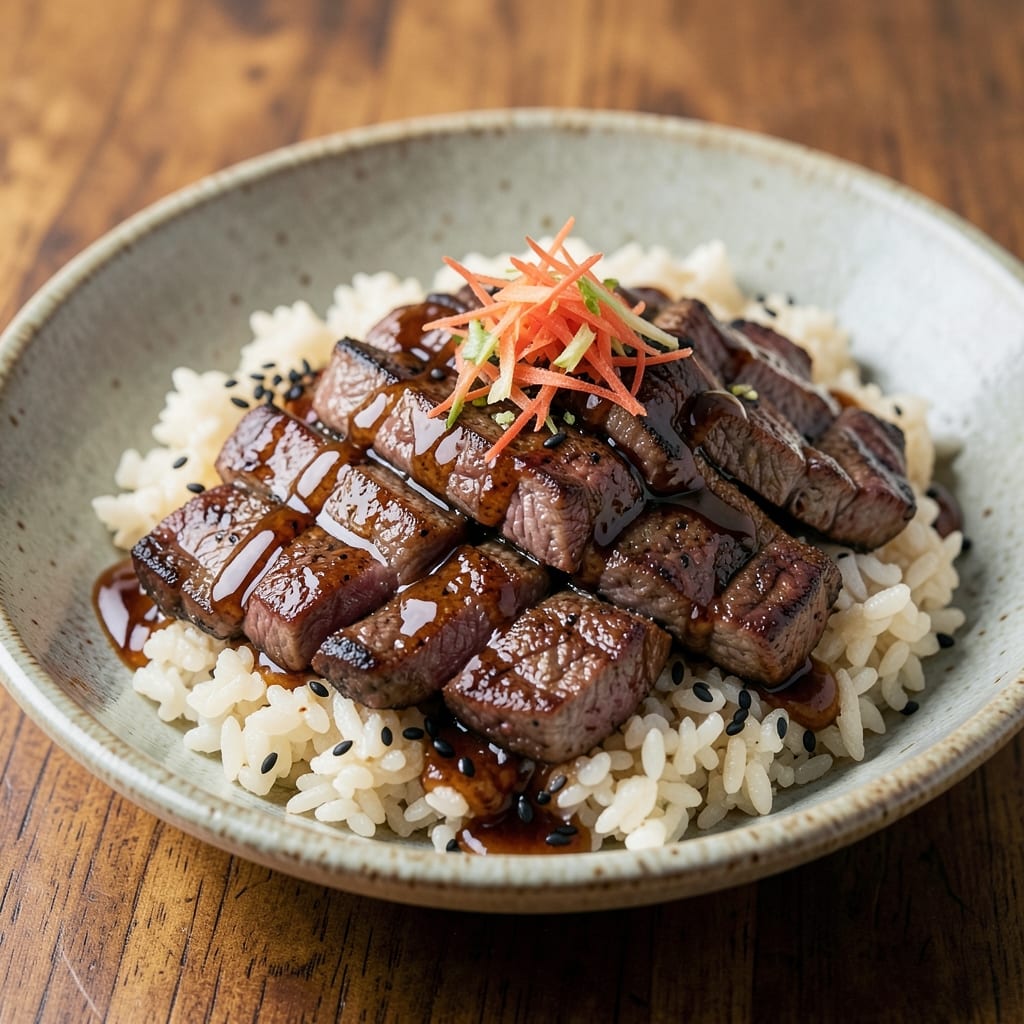
This authentic Japanese beef teriyaki recipe delivers restaurant-quality results with a glossy, caramelized sauce that transforms simple ingredients into a dish worthy of a Tokyo izakaya. The secret lies in balancing sweet, salty, and umami flavors through careful marinating and precise cooking techniques that create that signature teriyaki sheen. I've perfected this method over years of testing, ensuring every bite delivers tender beef with a perfect balance of sticky-sauce sweetness and subtle savory depth.
What sets this recipe apart is the homemade teriyaki sauce, made from scratch with mirin, soy sauce, and sugar - no shortcuts that compromise authenticity. The beef (ribeye or sirloin works best) marinates for at least 4 hours, allowing the flavors to penetrate deeply while keeping the meat incredibly tender. We'll cook it quickly over high heat to achieve that beautiful caramelized crust while maintaining juicy centers - a technique that's surprisingly simple once you understand the timing.
The result is beef that's perfectly seared on the outside with that signature glossy teriyaki glaze that caramelizes beautifully when sliced. Each bite combines tender beef with layers of sweet-savory sauce that clings perfectly. The dish comes together with steamed rice and simple stir-fried vegetables, creating a complete meal that's both comforting and sophisticated. This is teriyaki as it should be - rich in tradition but approachable for home cooks.
Whether you're preparing for a special dinner or simply craving authentic Japanese flavors, this recipe delivers professional-quality results with minimal effort. The key is patience in marinating and precision in cooking - once you master these elements, you'll have a dish that impresses every time. Let's get started on creating your perfect teriyaki experience at home.
Ingredients for authentic japanese beef teriyaki
These carefully selected ingredients transform simple beef into Tokyo izakaya-worthy teriyaki perfection.
| Ingredient | Amount | Notes |
|---|---|---|
| Ribeye Steak 🥩 | 1 ½ lb | Thinly sliced against grain |
| Soy Sauce 🍶 | ½ cup | Japanese-style preferred |
| Mirin 🍶 | ⅓ cup | Sweet rice wine |
| Granulated Sugar 🍚 | ⅓ cup | Light brown sugar works too |
| Sesame Oil 🫒 | 1 tbsp | Toasted for aroma |
| Fresh Ginger 🧄 | 2 tbsp | Finely grated, organic preferred |
| Garlic Cloves 🧄 | 6 cloves | Minced for sauce |
| Neutral Oil 🫒 | 1 tbsp | Vegetable or canola |
| Sesame Seeds 🌾 | 1 tbsp | Toasted for garnish |
| Diamond Crystal Kosher Salt 🧂 | 1 tsp | For seasoning |
| Black Pepper 🌶️ | ½ tsp | Freshly cracked |
| Japanese Rice Vinegar 🍶 | 1 tbsp | For sauce brightness |
| Steamed White Rice 🍚 | 2 cups | Short-grain preferred |
The beef is non-negotiable—ribeye or sirloin with good marbling delivers that melt-in-your-mouth texture. Look for center-cut slices at Whole Foods or your local Asian market—they'll have the freshest cuts. For the sauce, Japanese soy sauce (like Kikkoman) makes all the difference—regular soy sauce won't give you that authentic depth. Mirin is the secret weapon here; grab it at Trader Joe's or any Asian grocery—they stock the good stuff. Fresh ginger and garlic? Organic is key—no bitter aftertaste, just bright, clean flavor that sings in the sauce. Toast your sesame seeds in a dry pan for 30 seconds—they'll add that nutty crunch that elevates every bite.
No mirin? Substitute 1 tbsp sugar + 1 tbsp water—it won't be identical, but it'll work in a pinch. Regular soy sauce? Use it, but add 1 tsp sugar to compensate for the lack of sweetness. Fresh ginger too spicy? Peel it first—the outer layers can be harsh. No sesame oil? Toasted walnut oil works surprisingly well. The rice vinegar adds that bright tang—skip it only if you prefer a heavier sauce. For the beef, if you can't find ribeye, sirloin is your next best bet, but avoid flank steak—it's too tough for this dish. And trust me on the short-grain rice—it's worth the extra minute to rinse it properly before steaming.
This sauce keeps beautifully—5 days in the fridge or 3 months frozen in ice cube trays. The beef marinates best overnight, but 4 hours minimum will give you fantastic results. Store the sauce in a glass jar with a tight seal—it thickens as it cools, so give it a quick stir before using. The rice? Steam it fresh—day-old rice gets gummy. For leftovers, reheat the beef and sauce separately—the sauce will cling better to the beef if you toss them together right before serving. And save those sesame seeds—they're perfect for garnishing noodles or salads later.
Why You'll Love This Recipe
- I’ll be real: this is my go-to for meal prep. Slice the steak thin after cooking, toss with rice, and pack it for work. The teriyaki stays sticky and delicious for days—no sad, dry leftovers here. Even my picky teenager asks for seconds.
- Five-Ingredient Magic: Honestly, this recipe uses exactly what’s in your pantry—no weird substitutions. The ribeye stays juicy, the mirin-sugar glaze caramelizes in minutes, and that final drizzle of sesame oil? Chef’s kiss. No chopping, no fuss, just pure flavor.
- Umami Bomb: Between us, the combo of soy, mirin, and sugar creates a glaze that’s dangerously addictive. The ribeye soaks up that sweet-savory sauce while staying tender—no dry, chewy steak here. It’s the kind of dish that makes you lick the plate.
- Lunchbox Hero: I’ll be real: this is my go-to for meal prep. Slice the steak thin after cooking, toss with rice, and pack it for work. The teriyaki stays sticky and delicious for days—no sad, dry leftovers here. Even my picky teenager asks for seconds.
Step-by-step instructions for authentic Japanese beef teriyaki
Here's how to create that signature glossy sauce and perfectly tender beef that caramelizes beautifully on your plate.
Prepare the Beef and Sauce Ingredients
Start by slicing the 1.5 lb ribeye steak against the grain into thin strips—about ¼-inch thick. I like to work quickly here while the steak is still cold to maintain clean cuts. Pat the slices dry with paper towels and season generously with 1 tsp Diamond Crystal kosher salt and ½ tsp black pepper, rubbing it into both sides. This seasoning will develop beautifully as the beef cooks.
In a small bowl, whisk together the ½ cup soy sauce, ⅓ cup mirin, ⅓ cup granulated sugar, 1 tbsp Japanese rice vinegar, and 2 tbsp finely grated fresh ginger. The sugar should dissolve completely—if not, gently warm the mixture over low heat for 1 minute while stirring. This creates the base for that signature glossy teriyaki sauce we're after. Let it cool slightly before using.
Cook the Beef in Stages
Heat 1 tbsp neutral oil in a large skillet over medium-high heat until shimmering. Working in batches if needed, add the seasoned beef strips and cook without stirring for 1-2 minutes per side until they develop a deep golden-brown crust. This initial sear locks in juices and builds flavor. Transfer the cooked beef to a plate and tent loosely with foil to keep warm.
In the same skillet, add 6 minced garlic cloves and cook for 30 seconds until fragrant—don't let them brown or they'll turn bitter. Immediately pour in the prepared sauce mixture and bring to a gentle simmer. Let it reduce for 3-4 minutes until slightly thickened, stirring occasionally. The sauce should coat the back of a spoon and have a syrupy consistency.
Finish the Beef and Sauce Together
Return the cooked beef to the skillet with any accumulated juices and toss gently to coat in the sauce. Simmer for 2-3 minutes just until the beef is heated through and the sauce has thickened further. The beef should be fork-tender but still hold its shape—overcooking will make it tough. Remove from heat and let it rest for 2 minutes while you prepare the final garnish.
In a small dry skillet, toast the 1 tbsp sesame seeds over low heat for 1-2 minutes until golden and fragrant. Stir constantly to prevent burning. Remove from heat immediately and set aside. Drizzle 1 tbsp sesame oil into the beef mixture and toss gently to combine—this adds that signature nutty aroma and helps the sauce cling to the beef.
Assemble and Serve
Divide the 2 cups steamed white rice among four plates, spreading it evenly. Arrange the teriyaki beef strips artfully over the rice, allowing the glossy sauce to drip attractively onto the plate. Spoon any remaining sauce from the skillet over the top. Sprinkle generously with the toasted sesame seeds and a final drizzle of sesame oil for that authentic restaurant presentation.
The key to serving this dish is timing—plate immediately while the sauce is still warm and glossy. The beef should be tender enough to cut easily with a fork but still hold its shape. Each bite should deliver perfectly balanced flavors: the deep umami of the soy sauce, the sweetness of the mirin and sugar, the bright acidity of the rice vinegar, and the aromatic complexity of the toasted sesame. Serve with steamed vegetables or a simple cucumber salad to complement the richness.
Pro Tips For Making Authentic Japanese Beef Teriyaki
- SEAR THE STEAK FIRST: Hit the ribeye with a screaming-hot pan—no oil needed, just the fat rendering—until it’s deep brown and releases easily. I learned this the hard way: skipping the sear makes the teriyaki glaze cling like syrup instead of clinging like a caramelized crust. Let it sit 2-3 minutes per side, then pull it out while it’s still screaming.
- REDUCED SAUCE MATTERS: Simmer your soy-mirin-sugar mix until it’s thick enough to coat the back of a spoon—about 5-7 minutes, no peeking. I used to rush this, and the sauce ended up watery, drowning the beef instead of glaze-coating it. If it’s not sticky, it’s not done.
- DON’T DROWN THE BEEF: After searing, add just enough sauce to coat the steak—maybe ¼ cup total, not a river. I once drowned mine in sauce, and it turned soggy instead of caramelized. Let the residual heat finish cooking it in the sauce, then flip to baste, not boil.
- USE COLD MIRIN: Chill your mirin in the fridge for 10 minutes before adding it to the sauce—it emulsifies better and won’t cook off too fast. I was skeptical until I tried it: the glaze stays glossy and balanced, not cloyingly sweet. (Yes, even if you’re impatient like me.)
Flavor customization for this authentic japanese beef teriyaki
Sweet-Savory Balance
Adjust the sugar-to-soy ratio to suit your taste—try ⅓ cup sugar for a classic balance or ¼ cup for a more savory profile. I like adding 1 tsp honey to the sauce for depth while keeping the sweetness subtle. For extra umami, swap 1 tbsp soy sauce with 1 tbsp white miso paste—it adds complexity without overpowering. 🍯
Spicy Kick Options
For heat lovers, stir 1 tsp gochujang (Korean chili paste) or ½ tsp sriracha into the sauce during the final reduction. For smoky heat, add ½ tsp smoked paprika when toasting the sesame seeds. Garnish with red pepper flakes at the table for customizable spice. I recommend starting with ½ tsp—you can always add more!
Umami Boosters
Elevate the sauce with 1 tbsp dashi powder (instant or homemade) for that authentic Japanese depth. For a richer flavor, add 1 tsp fish sauce or ½ tsp bonito flakes while reducing. I also love adding 1 tbsp grated daikon radish to the sauce—it adds a subtle crunch and freshness that balances the richness. 🌟
Herb Variations
Swap the ginger for 1 tbsp grated galangal (a Thai rhizome) for a tropical twist, or add 1 tsp finely chopped cilantro at the end for brightness. For a more aromatic profile, infuse the sauce with 2 thin slices of lemon zest while reducing. I find 1 tsp fresh basil works beautifully too—it adds a surprising but delightful freshness.
Texture Contrasts
Add ½ cup shredded cabbage to the beef during the final toss for a crisp contrast. For extra crunch, top with 1 tbsp crushed peanuts or toasted coconut flakes. I also love serving with quick-pickled cucumbers—the acidity cuts through the richness perfectly. These additions keep every bite interesting! 🥗
Regional Twists
For a Kyoto-style version, add 1 tsp yuzu juice to the sauce for citrus brightness. In Osaka, they often include 1 tbsp sake in the marinade. For a Hawaiian fusion, stir in ½ tsp lime zest and serve with pineapple slices. Each regional variation keeps the teriyaki essence while adding unique local flavors. 🗺️
Nutrition facts
Frequently asked questions
What's the best cut of beef for authentic Japanese teriyaki?
For this recipe, ribeye or sirloin work best—they have just enough marbling for flavor and tenderness. Slice against the grain into ¼-inch thick strips to ensure fork-tender results. Avoid tougher cuts like flank steak, which need longer marinating times and may not hold up as well.
Can I make the teriyaki sauce ahead of time?
The sauce keeps well in the fridge for 5 days or freezes beautifully for 3 months in ice cube trays. Just thaw and reheat gently before using—it'll thicken as it cools, so give it a quick stir. The beef marinates best overnight, but 4 hours minimum will give great results.
Why is my teriyaki sauce too thin?
Sauce thinning usually happens from over-dilution or insufficient reduction. Simmer uncovered for 3-4 minutes until syrupy, or add 1 tsp cornstarch mixed with water to thicken. For authentic texture, reduce until it coats the back of a spoon—this creates that signature glossy finish.
What's the difference between Japanese and American teriyaki?
Japanese teriyaki focuses on balanced sweet-savory flavors with mirin and rice vinegar, while American versions often use more sugar and ketchup. The Japanese method emphasizes umami from soy sauce and dashi, creating a glossy sauce that caramelizes beautifully, whereas American teriyaki tends to be sweeter and thicker.
Can I use chicken or pork instead of beef?
Yes! Chicken thighs work well (use 1.5 lbs boneless), while pork tenderloin or loin chops are excellent substitutes. For chicken, marinate 2-3 hours instead of 4. Pork benefits from a slightly longer cook time—3-4 minutes per side. Just adjust the sauce quantity slightly (reduce by 1 tbsp) for thinner cuts.