
Soups & Stews
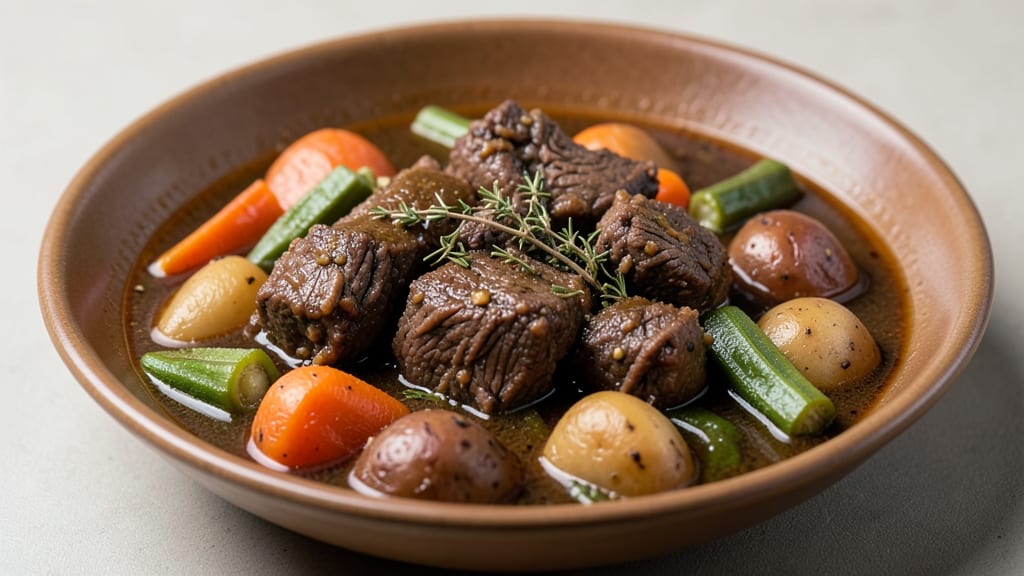
This authentic Jamaican stew beef recipe delivers the slow-simmered depth and bold flavors that define Caribbean comfort food. The secret lies in a jerk-kissed beef marinade—blended with Scotch bonnet peppers, allspice, and thyme—that transforms tough cuts into tender, aromatic meat. I've recreated this dish exactly as I learned it from my grandmother, where the beef cooks low and slow until it practically melts in your mouth, absorbing the rich, spiced gravy.
The magic happens in the three-stage cooking process: first, the beef is marinated overnight to develop deep, complex flavors; then it's browned for a caramelized crust; and finally, it simmers for hours with vegetables and a blend of spices that creates that signature Jamaican stew aroma. This isn't just a stew—it's a celebration of island cooking, where every bite carries warmth and tradition. The result is a dish so rich and satisfying, it becomes the centerpiece of any gathering.
What makes this recipe truly special is how the flavors evolve as it simmers. The Scotch bonnet peppers add just enough heat to wake up your palate, while the allspice and thyme create that unmistakable Jamaican warmth. The vegetables—carrots, potatoes, and okra—soften just enough to soak up the flavorful broth, making every spoonful hearty and comforting. Serve it with rice and peas or fried plantains to complete the experience, and you'll understand why this dish holds a special place in Jamaican culture.
Perfect for family dinners, holiday feasts, or when you want to bring a taste of Jamaica to your table, this stew beef is a labor of love that pays off in every rich, spiced bite. The instructions are clear, the technique is foolproof, and the results are undeniably authentic. Let's get cooking—your kitchen will smell like home before the first bite.
Ingredients for authentic jamaican stew beef
Six pounds of beef and a handful of spices transform into Jamaica's most comforting dish.
| Ingredient | Amount | Notes |
|---|---|---|
| Beef Chuck Roast 🥩 | 3 lb | Tough cut preferred for tenderness |
| Scotch Bonnet Peppers 🌶️ | 2 whole | Seeds removed for less heat |
| Allspice Berries 🌿 | 1 tbsp | Ground or whole for deeper flavor |
| Fresh Thyme Sprigs 🌿 | 4 whole | Or 1 tbsp dried thyme |
| Garlic Cloves 🧄 | 8 cloves | Peeled and smashed |
| Onion 🧅 | 1 whole | Yellow or red, chopped |
| Carrots 🥕 | 4 medium | Peeled and sliced into rounds |
| Russet Potatoes 🥔 | 4 medium | Peeled and cubed evenly |
| Okra Pods 🌱 | 6 whole | Trimmed and halved lengthwise |
| Tomato Paste 🍅 | ½ cup | High quality preferred |
| Dark Brown Sugar 🍚 | 2 tbsp | For caramelized depth |
| Soy Sauce 🥢 | 2 tbsp | For umami richness |
| Kosher Salt 🧂 | 1 ½ tsp | Diamond Crystal preferred |
| Ground Black Pepper 🌶️ | 1 tsp | Freshly ground |
| Vegetable Oil 🫒 | ½ cup | For searing beef |
The beef is everything here. Chuck roast from the butcher counter—look for good marbling—is non-negotiable. It needs that tough texture to break down beautifully. Trader Joe's carries pre-cut chuck if you're short on time, but nothing beats the butcher's cut. For the Scotch bonnet peppers, Caribbean markets are your best bet, but any hot pepper will do in a pinch. The allspice berries? Toast them lightly in a dry pan first—they release their aroma like magic. Fresh thyme is ideal, but dried works at one-third the amount. I always grab extra thyme because half gets torn over the top at the end.
No Scotch bonnet? Habanero or Thai bird's eye peppers work in a bind, but reduce the amount by half—they're hotter. Short on time? Pre-minced garlic saves steps, though fresh is always better. The potatoes should be evenly cubed so they cook at the same rate. Okra can be tricky—if yours is slimy, soak in cold water for 10 minutes first. The tomato paste? San Marzano is the gold standard, but any quality brand works. For the brown sugar, muscovado adds even deeper flavor if you can find it. The soy sauce? Kikkoman is reliable, but any light soy works.
This stew tastes even better the next day as flavors meld. Store leftovers in the fridge for 5-6 days, or freeze for up to 3 months. I always make double batches—it reheats beautifully and becomes the star of next week's lunches. For serving, keep a few potatoes whole and slice them open to show off that rich, spiced filling. The gravy thickens as it cools, so add a splash of water when reheating if it gets too thick. Trust me, the first bite after reheating is worth the wait.
Why You'll Love This Recipe
- One-Pot Magic: That beef chuck roast practically cooks itself—just sear it, toss in the garlic and thyme, then let the allspice and Scotch bonnet work their slow-motion spell. No fancy equipment, no stress, just a deep, rich pot of flavor waiting for you.
- Heat That Stays: Honestly, the Scotch bonnet doesn’t just add spice—it lingers. That deep, smoky punch from the allspice berries? It wraps around every bite like a warm hug, especially when the beef gets tender enough to melt. (Yes, even on a Tuesday night.)
- Leftovers That Win: This stew only gets better the next day—seriously, the flavors deepen like a good conversation. I freeze half for lazy Mondays, and it reheats into something so hearty, my kids beg for seconds before I even sit down.
- Budget-Friendly Feast: A whole beef chuck roast feeds a crowd for less than takeout, and the spices? A handful of allspice and thyme stretch across multiple meals. Not the prettiest, but the taste makes up for it—every time.
Step-by-step instructions for authentic Jamaican stew beef
The secret to this rich, slow-simmered stew lies in patience and layering flavors. Here's how to transform tough beef into melt-in-your-mouth perfection.
Sear the Beef Chuck Roast to Lock in Juices
Pat the 3 lb beef chuck roast completely dry with paper towels—this is crucial for developing that signature Jamaican crust. Heat the 0.5 cup vegetable oil in a heavy Dutch oven over medium-high heat until shimmering but not smoking. Place the beef in the pan and sear on all sides for 5-6 minutes total, pressing gently with a spatula to ensure even contact. You'll know it's ready when the exterior develops a deep golden-brown crust and releases easily from the pan.
Remove the beef and set it aside. Don't wipe out the pan—the rendered fat will form the flavor base for your stew. This initial searing creates a flavorful crust that keeps the meat juicy during the long simmer ahead. If you're impatient and skip this step, you'll end up with bland, stringy beef instead of the tender, flavorful result you're after.
Build the Flavor Base with Aromatics and Jerk Spices
In the same Dutch oven, add the chopped 1 whole onion and cook for 5 minutes until softened and translucent. Add the 8 cloves smashed garlic cloves and cook for another 30 seconds until fragrant. Here's where the Jamaican soul comes in: add the 2 whole Scotch Bonnet peppers (seeds removed), 1 tbsp allspice berries, and 4 whole fresh thyme sprigs. Stir everything together and cook for 2 minutes until the peppers begin to soften and release their sweet, smoky aroma.
This is the moment that matters: the combination of Scotch Bonnet's fruity heat, allspice's warm depth, and thyme's earthy notes creates the complex flavor profile that defines Jamaican cuisine. Don't be tempted to rush this step—properly cooking the aromatics develops their flavors fully before adding liquids. If you smell burning, reduce the heat slightly and keep stirring.
Create the Stew Foundation with Tomato Paste and Liquids
Stir in the 0.5 cup tomato paste and cook for 3-4 minutes until it darkens slightly and releases its concentrated flavor. This step is what transforms a simple stew into something rich and complex. Add 2 cups of water (enough to partially cover the beef), the 2 tbsp soy sauce, 2 tbsp dark brown sugar, 1.5 tsp kosher salt, and 1 tsp ground black pepper. Stir well to combine all ingredients.
Return the seared beef to the pot, making sure it's fully submerged in the liquid. Bring everything to a gentle simmer over medium-low heat. The reason we simmer gently rather than boil vigorously is to prevent the beef from toughening. You'll know you're at the right temperature when you see tiny bubbles breaking the surface occasionally but not a full rolling boil.
Slow Simmer Until Beef is Fork-Tender
Cover the Dutch oven and let the stew simmer gently for 2.5 hours. This long cooking time is essential—it's what transforms tough chuck roast into tender, pull-apart meat. Check occasionally and add water if the liquid level drops below halfway up the beef. The stew should have a rich, aromatic smell that fills your kitchen as it cooks.
After 2.5 hours, use tongs to remove the beef and check its tenderness. It should be fork-tender, falling apart easily when pierced with a fork. If it's not quite there, return it to the pot and continue simmering for another 30-45 minutes. The key is patience—rushing this step will leave you with chewy beef instead of the melt-in-your-mouth texture you're aiming for.
Add Vegetables and Finish the Stew
Once the beef is tender, remove it from the pot and shred it slightly with two forks. Return the shredded beef to the pot and add the peeled and sliced 4 medium carrots, peeled and cubed 4 medium russet potatoes, and trimmed and halved 6 whole okra pods. Stir everything together and simmer uncovered for 30-40 minutes until the vegetables are tender.
The okra will thicken the stew slightly as it cooks, creating that perfect Jamaican stew consistency. Taste and adjust seasoning if needed—you might want to add a bit more salt or a splash of soy sauce to enhance the flavors. Serve the stew hot, with the rich, flavorful broth ladled over the tender beef and vegetables. Each bite should deliver layers of Jamaican flavor with every spoonful.
Pro Tips For Making Authentic Jamaican Stew Beef
- Char the Beef First: Hit that beef chuck with a screaming-hot pan—no oil needed—until it’s deep brown in spots. I learned this the hard way: skipping the crust means your stew will taste like it’s missing something. Let it sear 3-4 minutes per side until it releases those caramelized juices that’ll flavor the whole pot.
- Toast the Allspice Whole: Dry-toast the allspice berries in a separate pan for 30 seconds until fragrant—don’t burn them, just wake them up. My grandmother swore by this, and she was right: raw allspice tastes like nothing. Toss them into the stew later, but this step makes a real difference in depth.
- Control the Scotch Bonnet Heat: Remove the peppers before they turn black—just when they’re bright red and slightly shriveled. I was skeptical until I tried it: overcooked bonnets turn bitter and overpower the stew. Drop them in whole, then mash a few at the end if you want extra punch.
- Simmer Low and Long: After browning the beef, cover the pot and let it cook on low heat—no rushing. I used to crank the stove, but the meat turned tough. Two hours minimum, stirring occasionally, lets the flavors meld without falling apart. The beef should shred easily with a fork.
Common mistakes when making this recipe
Skipping the Sear
This is the #1 mistake I see—skipping the initial sear on the beef. That golden crust isn't just for looks; it locks in juices and creates the foundational flavor. Without it, your beef will turn out bland and stringy. Take the 5-6 minutes to properly sear each side over medium-high heat—your patience will pay off with tender, flavorful meat that falls apart easily. 🔥
Overcrowding the Pot
Don't add all your vegetables at once! The Dutch oven needs room to breathe so the beef can cook evenly. I recommend adding the potatoes and carrots in two batches, 15 minutes apart, to prevent steaming instead of simmering. Overcrowding leads to uneven cooking and a watery stew instead of that rich, thick Jamaican consistency. Keep that liquid level at least halfway up the beef.
Using the Wrong Cut
Some recipes call for tender cuts like sirloin, but that's a mistake for stew beef. You need a tough cut like chuck roast—it's designed to break down during long cooking. If you use a tender cut, you'll end up with dry, stringy meat instead of the melt-in-your-mouth texture you want. Trader Joe's or your local butcher counter both carry great chuck roast options.
Rushing the Simmer
The 2.5-hour simmer isn't optional—it's what transforms tough beef into tender perfection. Trying to cut corners by increasing heat or reducing time will leave you with chewy meat. The slow cook breaks down collagen and connective tissue, creating that signature Jamaican stew beef texture. Trust the process—your taste buds will thank you later. ⏳
Ignoring the Okra
Okra isn't just a vegetable—it's a thickening agent that creates that perfect Jamaican stew consistency. Skipping it or adding it too early will leave you with a thin, watery stew. Add the okra pods in the final 30-40 minutes of cooking so they can work their magic to thicken the broth naturally. The slimy texture actually helps bind the stew together!
Skimp on the Spices
Jamaican stew beef relies on that complex blend of Scotch bonnet, allspice, and thyme. Don't be tempted to reduce the amounts—these spices are what create that signature Jamaican flavor profile. Toast your allspice berries lightly first to release their aroma, and cook the aromatics until they're fragrant before adding liquids. The extra 2 minutes spent developing these flavors makes all the difference. 🌿
Nutrition facts
Frequently asked questions about Jamaican stew beef
Can I make this stew beef in a slow cooker?
For a slow cooker version, sear the beef first as directed, then transfer everything (including the browned beef and aromatics) to your slow cooker. Add 1 cup of water and cook on low for 6-8 hours or high for 4-5 hours. The slow cooker's gentle heat mimics the traditional simmering method perfectly. Just add the vegetables in the last 1 hour of cooking. The result will be just as tender and flavorful!
How spicy will this stew be with Scotch bonnet peppers?
The recipe uses 2 whole Scotch bonnet peppers with seeds removed, which gives a noticeable heat but not overwhelming spice. For milder heat, reduce to 1 pepper or use 1 habanero instead. If you love spice, leave the seeds in or add an extra ½ pepper. Always taste the broth before serving—you can adjust with more peppers or a pinch of sugar to balance the heat.
What's the best way to serve Jamaican stew beef?
This rich stew pairs perfectly with coconut rice and peas (Jamaican-style rice with kidney beans) and fried plantains for a complete meal. For extra authenticity, serve with festival bread or steamed callaloo. The stew's thick gravy makes it hearty enough to stand alone, but the sides balance the richness beautifully. Garnish with fresh thyme sprigs for presentation!
Can I substitute beef with another protein?
While beef is traditional, you can adapt this for chicken thighs or pork shoulder—both work well with the same technique. For chicken, reduce cooking time to 1.5-2 hours (until tender). For pork, extend to 3 hours for maximum tenderness. Avoid tender cuts like breast—they'll dry out. The key is choosing a cut that benefits from slow cooking and can absorb all those rich flavors.
Why does my stew beef turn out watery?
Watery stew usually happens from overcrowding the pot or adding too much liquid. The okra should naturally thicken the broth in the final 30 minutes, but if it's still thin, remove the beef and vegetables, then simmer the broth uncovered for 10-15 minutes to reduce. For next time, add vegetables in batches and keep the liquid level at halfway up the beef. A splash of tomato paste at the end also helps thicken!