
Main Courses
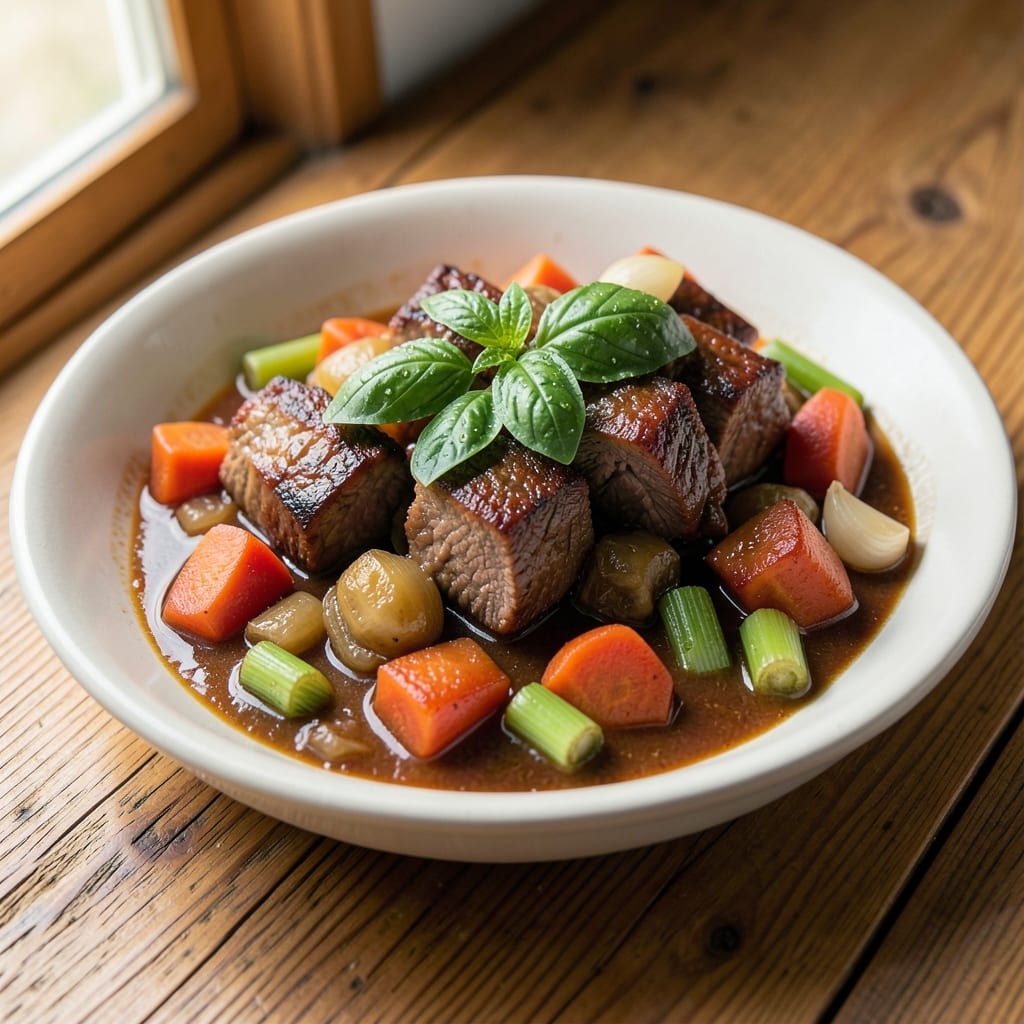
This authentic Italian beef ragu transforms tough cuts of beef into melt-in-your-mouth strands of flavor through slow simmering—just like Nonna used to make. The secret lies in a proper soffritto base of onions, carrots, and celery, gently caramelized before the meat joins the pot. This isn’t your quick weeknight sauce; it’s a labor of love that rewards patience with deep, complex umami that clings to every strand of pasta.
What sets this recipe apart is the attention to technique: browning the beef in batches for maximum flavor, deglazing with red wine to dissolve those precious browned bits, and simmering low and slow for hours. The result? A rich, velvety sauce where the beef practically dissolves into the tomato base, creating those signature filamenti—long, tender threads that twirl beautifully around al dente pasta. No shortcuts here, just time-honored Italian tradition that delivers restaurant-quality results at home.
By the time your ragu is ready, your kitchen will smell like an Italian trattoria, and every bite will be a symphony of flavors—savory, slightly sweet, with just a hint of acidity from the tomatoes. The sauce clings perfectly to tagliatelle or pappardelle, creating a dish that’s both comforting and impressive. This is the kind of meal that makes you want to slow down and savor every forkful.
Serve with a sprinkle of fresh parsley and a glass of Chianti for the full experience. The leftovers? Even better the next day as the flavors deepen. Let’s get started on this authentic Italian beef ragu that’s worth the wait.
Ingredients for authentic italian beef ragu
Pantry staples meet Italian tradition for this slow-cooked beef masterpiece.
| Ingredient | Amount | Notes |
|---|---|---|
| Chuck Roast 🥩 | 2 lb | Pre-cubed for even cooking |
| Yellow Onions 🧅 | 2 whole | Medium size, finely chopped |
| Carrots 🥕 | 3 whole | Medium size, peeled and chopped |
| Celery Stalks 🌿 | 3 whole | Fresh, chopped into small pieces |
| Garlic Cloves 🧄 | 6 cloves | Fresh, minced for deep flavor |
| Extra-Virgin Olive Oil 🫒 | ½ cup | For high-quality flavor |
| Dry Red Wine 🍷 | 1 cup | Bold variety like Chianti |
| Crushed Tomatoes 🍅 | 2 cups | San Marzano preferred |
| Tomato Paste 🍅 | 2 tbsp | For concentrated flavor |
| Fresh Rosemary 🌿 | 1 tbsp | Chopped, for aromatic depth |
| Fresh Thyme 🌿 | 1 tbsp | Leaves only, finely chopped |
| Fresh Parsley 🌿 | ¼ cup | Chopped, for garnish |
| Beef Broth 💧 | 2 cups | Homemade or high-quality |
| Salt 🧂 | 1 ½ tsp | Diamond Crystal preferred |
| Ground Black Pepper 🌶️ | ½ tsp | Freshly ground for best flavor |
The chuck roast is non-negotiable here—its collagen-rich fat melts into the sauce, creating those signature filamenti. Costco or Whole Foods carry it pre-cubed, saving you chopping time. Look for cuts with good marbling; it’s worth the extra few cents. Fresh San Marzano tomatoes from the Italian market section make a world of difference compared to regular crushed tomatoes. The soffritto trio—onions, carrots, celery—should be finely chopped so they dissolve into the sauce rather than remain identifiable pieces. If you’re in a rush, baby carrots and pre-chopped celery from the store will work in a pinch.
No red wine? Beef broth with a splash of balsamic vinegar mimics the acidity and depth. Fresh herbs are ideal, but dried thyme and rosemary at half the amount will do. The tomato paste can be swapped for an extra tablespoon of crushed tomatoes if you’re avoiding it, though it adds that unmistakable umami punch. Trader Joe’s has a great squeeze tube of tomato paste that’s perfect for this—no waste, and it lasts for months. If you’re using pre-cubed beef, pat it dry with paper towels before browning to ensure a good sear. The garlic should be minced, not pressed—it releases more flavor when cooked this way.
This ragu tastes even better the next day as the flavors meld. Store leftovers in an airtight container in the fridge for up to 5 days, or freeze for 3 months. I like to portion it into individual containers so I can reheat just what I need. The sauce thickens as it cools, so a splash of beef broth or water will help loosen it when reheating. If you’re making this ahead for a dinner party, freeze it in the sauce alone—just add fresh pasta when ready to serve. The aroma alone will have your guests thinking you spent all day in the kitchen.
Why You'll Love This Recipe
- One-Pot Simplicity: I swear by this—just brown the chuck roast, toss in the onions, carrots, celery, and garlic, then let it slow-cook. No fancy techniques, no extra pots. The only prep is chopping the veggies (and honestly, my daughter does that now while I stir).
- Umami Bomb: That slow-simmered chuck roast? It melts in your mouth, but the real magic is the caramelized onions and garlic cloves—deep, savory, and rich. The carrots and celery add sweetness that balances everything perfectly. It’s the kind of dish where every bite makes you close your eyes.
- Leftovers That Shine: This recipe actually tastes better the next day. I make a double batch on Sundays, freeze half, and reheat it for lazy nights. Serve it over pasta, polenta, or even mashed potatoes—it’s my go-to for when I don’t want to cook but still crave something hearty.
- Budget-Friendly Feast: Chuck roast is cheap, and this recipe stretches it across multiple meals without sacrificing flavor. The onions, carrots, and celery are pantry staples, so I’m not breaking the bank. Plus, it feeds four easily, meaning fewer takeout nights and more money saved. Win-win.
Step-by-step instructions for authentic Italian beef ragu
This is where the magic happens—slow cooking transforms simple ingredients into rich, flavorful ragu.
Sear the Chuck Roast for Deep Flavor
Heat the 0.5 cup extra-virgin olive oil in a large, heavy pot over medium-high heat until shimmering. Pat the 2 lb chuck roast dry with paper towels and cut it into 1-inch cubes—this ensures even cooking. Working in batches, add the meat to the pot and sear for 2-3 minutes per side until deeply browned. You want that caramelized crust, which carries incredible flavor into the sauce.
As you sear, remove the meat and set it aside. Don't crowd the pot—this prevents the temperature from dropping too much. The goal is to develop that rich, meaty foundation for your ragu. Once all the meat is browned, you'll have a pot filled with golden, crispy bits that will form the base of your sauce.
Build the Aromatic Vegetable Base
In the same pot, add the finely chopped yellow onions, peeled and chopped carrots, and chopped celery stalks. Cook over medium heat for 8-10 minutes, stirring occasionally, until the vegetables soften and begin to caramelize. This step is crucial—it develops the sweet, deep flavors that form the backbone of your ragu.
Add the minced garlic cloves and cook for another 1 minute until fragrant. You'll smell that aromatic punch of garlic—this is when the magic really starts. Be careful not to let the garlic burn, as it can turn bitter quickly. Once the garlic is golden, you're ready to deglaze the pot and build your sauce.
Deglaze with Wine and Incorporate Tomatoes
Pour in the 1 cup dry red wine and scrape up all the browned bits from the bottom of the pot with a wooden spoon. This deglazing step captures all the meaty flavor that would otherwise stick to the pot. Let the wine simmer for 3-4 minutes until it reduces by half and the alcohol cooks off—this ensures a smooth, rich sauce without any harsh wine flavors.
Next, stir in the 2 cups crushed tomatoes and 2 tbsp tomato paste. The paste will thicken the sauce and add a concentrated tomato flavor. Add the 1 tbsp chopped fresh rosemary, 1 tbsp chopped fresh thyme, 1.5 tsp salt, and 0.5 tsp ground black pepper. Stir everything together and bring the mixture to a gentle simmer. This is where the flavors start to meld and deepen.
Slow-Simmer the Ragu for Richness
Return the seared chuck roast cubes to the pot and pour in the 2 cups beef broth. Stir to combine, then reduce the heat to low and cover the pot with a lid. Let the ragu simmer gently for 2.5 to 3 hours, stirring occasionally, until the meat is fork-tender and the sauce has thickened into a rich, velvety consistency. This slow cooking process is essential—it breaks down the meat and infuses it with all the aromatic flavors.
Check the ragu after 2 hours—if it's too watery, uncover the pot and simmer for another 30 minutes to reduce it further. You want a sauce that coats the back of a spoon but still has a silky texture. The meat should pull apart easily with a fork, indicating it's tender and ready to be served over your favorite pasta.
Finish with Fresh Parsley and Serve
Once the ragu is perfectly tender, stir in the 0.25 cup chopped fresh parsley. This bright, fresh herb cuts through the richness of the ragu and adds a pop of color. Taste and adjust the seasoning if needed—you might need a little more salt or pepper to balance the flavors. The ragu should be rich, savory, and deeply aromatic, with layers of umami and herbal notes.
Serve the ragu immediately over al dente pasta, such as pappardelle or tagliatelle, and top with extra parsley if desired. The ragu should cling to the pasta beautifully, creating a dish that's hearty, comforting, and full of authentic Italian flavor. Enjoy the fruits of your slow-cooked labor—this is the kind of dish that tastes even better the next day, so don't hesitate to make extra for leftovers!
Pro Tips For Making Authentic Italian Beef Ragu
- Brown the Chuck Twice: First sear the roast in one piece until deeply browned—this locks in flavor. Then cut it against the grain and brown the slices again briefly in the same pot. I learned this the hard way: skipping the second sear leaves your ragu tasting like it’s missing something. High heat. Seriously, crank it up until the meat is dark in spots.
- Soften the Sofritto Slowly: Sauté onions, carrots, and celery until the onions turn translucent, not golden—this takes 15-20 minutes on medium-low. Celery burns faster than you think, so watch it. My grandmother swore by this, and she was right: rushed sofritto means bland ragu later. (Yes, even if you’re impatient like me.)
- Deglaze with Wine First: After browning the meat, immediately pour in the red wine and let it bubble for 2-3 minutes before adding tomatoes. This pulls all the meaty bits off the pot—what I call "liquid gold." Skip this, and you’re left scraping burnt bits off later. (Your future self will thank you.)
- Skim the Fat, Not the Foam: Let the ragu simmer uncovered for the first 30 minutes, then skim only the foam rising to the top—leave the fat. The foam is protein scum; the fat keeps your ragu rich. I used to dump everything, and the texture suffered. Now I use a spoon to fish out just the bad stuff.
Creative variations of these flavors
Northern Italian Twist
For a lighter, more elegant ragu, try the Emilian approach from Bologna. Replace half the beef with pork shoulder (about 1 lb) and add ½ cup dry white wine instead of red. Emilian ragù traditionally includes pancetta (diced) for extra depth—about ½ cup—and a splash of milk (¼ cup) at the end to tenderize the meat further. Serve over fresh egg tagliatelle with a sprinkle of Parmigiano-Reggiano. The result is a slightly sweeter, more refined sauce that still packs umami punch. 🍷
Southern Italian Heat
Bring the bold flavors of Calabria by adding ½ cup spicy Calabrian chili paste to your tomato mixture. This fiery region’s cuisine embraces heat, so include 1-2 fresh red chili peppers (minced) and a pinch of red pepper flakes for extra kick. Finish with fresh basil instead of parsley, and serve over orecchiette pasta for that signature "ear" shape that clings beautifully to the sauce. Pair with a bold Aglianico red wine to stand up to the heat. 🌶️
Vegetarian Adaptation
Swap the beef for 2 cups finely chopped mushrooms (cremini or portobello) and 1 cup lentils (cooked) for a hearty vegetarian version. Boost umami with 1 tbsp soy sauce and 1 tsp miso paste in the tomato mixture. Use walnut oil instead of olive oil for a richer base, and top with nutritional yeast for a cheesy depth. This version works perfectly over whole wheat pappardelle or as a filling for stuffed zucchini boats. 🌱
Quick Weeknight Hack
Short on time? Use pre-cubed beef stew meat (from the store) and reduce simmering to 1.5 hours with a splash of balsamic vinegar (2 tbsp) to mimic wine’s acidity. Skip the soffritto and use 1 jar (24 oz) marinara sauce as your tomato base—just add 1 extra tbsp tomato paste for thickness. Serve over rotini pasta for a faster, still-flavorful meal. This version still delivers that filamenti effect without the 3-hour wait. ⏰
Wine Country Pairing
Elevate your ragu with a Chianti Classico Riserva—its bright acidity and cherry notes cut through the richness beautifully. For a white wine option, try a Vermentino from Sardinia, which balances the dish’s depth with citrus brightness. If you prefer beer, a Malty Italian amber ale (like Birra del Borgo) complements the caramelized flavors without overpowering. Always let the wine or beer breathe alongside your ragu for 10-15 minutes before serving to enhance the experience. 🍷
Nutrition facts
Frequently asked questions
Why does authentic Italian beef ragu take so long to cook?
The slow simmering (2.5-3 hours) is essential to break down the tough chuck roast into tender filamenti (umami-rich threads) that cling perfectly to pasta. This method also allows all the flavors—wine, tomatoes, herbs—to meld into a rich, velvety sauce. Patience is key for that restaurant-quality texture!
Can I use ground beef instead of chuck roast?
Technically yes, but it won't give you the same luxurious texture. Ground beef cooks much faster and lacks the collagen that melts into the sauce, creating those signature filamenti. For a quicker version, try pre-cubed beef stew meat (simmer for 1.5 hours)—it's the next best option.
What's the best pasta to serve with this ragu?
Traditional choices are tagliatelle or pappardelle—their flat, wide surfaces catch the sauce beautifully. For a rustic touch, try bucatini or orecchiette. Avoid small shapes like penne, as they won't hold enough sauce. Cook pasta al dente (1 minute less than package instructions) so it can finish cooking in the hot ragu.
How do I fix ragu that's too watery?
Simmer uncovered for 15-20 minutes to reduce the liquid, stirring occasionally. If it's still too thin, mix 1 tbsp cornstarch with 2 tbsp cold water, stir into the sauce, and simmer for 5 more minutes. Never add flour directly—it can make the sauce grainy.
Can I make this ragu in a slow cooker?
Brown the meat first, then transfer everything to the slow cooker and cook on low for 6-8 hours or high for 4-5 hours. The slow cooker maintains gentle heat, which is perfect for tenderizing the beef. Just check occasionally and add a splash of broth if needed.