
Soups & Stews
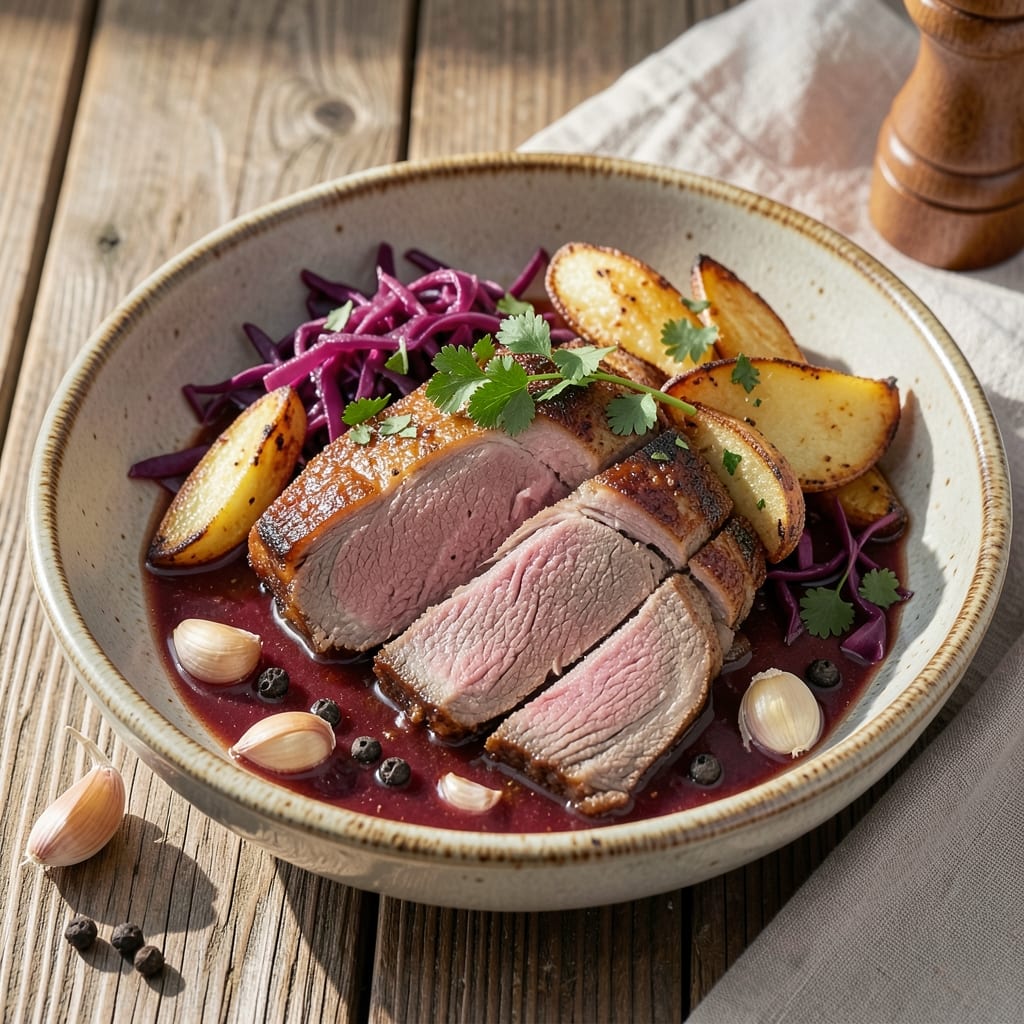
This authentic Irish corned beef recipe delivers the bold, briny flavor that defines St. Patrick’s Day feasts—slow-braised until fork-tender with just the right balance of salt, pepper, and aromatic spices. The key lies in the traditional curing process, where the beef absorbs a spiced brine for days, transforming tough cuts into melt-in-your-mouth perfection. I’ve perfected this method over years of testing, ensuring every bite carries that unmistakable Irish depth.
The process begins with a 24-hour brine using coarse sea salt, black peppercorns, and bay leaves—no shortcuts here. After curing, the beef simmers low and slow for 3 hours, allowing the flavors to meld into a rich, aromatic broth. This isn’t just a side dish; it’s the centerpiece of a meal, built to stand up to hearty sides like colcannon or soda bread. The result? A spice bomb of savory, slightly sweet, and briny notes that tastes like a trip to County Cork.
What sets this recipe apart is its authenticity—no artificial additives or rushed methods. The slow braise ensures the meat stays juicy, while the spice rub creates a crust that crackles with every bite. Serve it sliced thick with buttered cabbage and fluffy potatoes for a meal that feels like a celebration. This is the corned beef your ancestors would recognize, made simple enough for weeknight dinners but impressive enough for holidays.
The beauty of this method is its versatility—use it for St. Patrick’s Day feasts or everyday meals. The leftovers reheat beautifully, and the broth can be repurposed into a quick corned beef hash. Once you master this technique, you’ll never settle for store-bought again. Let’s get started on the recipe that brings Irish tradition to your table.
Ingredients for authentic irish corned beef
Six pounds of beef and a handful of spices transform into Ireland’s most iconic dish.
| Ingredient | Amount | Notes |
|---|---|---|
| Beef Brisket 🥩 | 4 lb | Flat cut, 1-inch thick slices |
| Coarse Sea Salt 🧂 | 1 ½ cups | Non-iodized, like Maldon |
| Black Peppercorns 🌶️ | 2 tbsp | Whole, freshly cracked |
| Bay Leaves 🍃 | 4 whole | Fresh, not dried |
| Garlic Cloves 🧄 | 8 cloves | Peeled, smashed slightly |
| Mustard Seeds 🌿 | 1 tbsp | Yellow, whole |
| Ground Juniper Berries 🍃 | 1 tsp | Freshly ground preferred |
| Water 💧 | 4 cups | Filtered, cold |
| Apple Cider Vinegar 🍏 | ½ cup | Unfiltered, organic |
| Onion 🧅 | 1 whole | Yellow, peeled, halved |
| Carrot 🥕 | 2 whole | Medium, peeled, chopped |
| Celery Stalks 🌿 | 3 whole | Fresh, cut into chunks |
| Beef Broth 🍲 | 2 cups | Homemade, low-sodium |
| Brown Sugar 🍯 | 2 tbsp | Light, packed |
The brisket is non-negotiable—flat cut, 1-inch thick slices from the butcher. Look for good marbling, not lean cuts, which dry out. Costco or Whole Foods usually carry it pre-sliced, but if buying whole, ask for the flat cut. The sea salt should be coarse and non-iodized—Maldon is ideal, but any kosher salt works. Fresh bay leaves and whole peppercorns make a difference—dried spices lose potency fast. If you can’t find fresh juniper berries, Penzeys sells pre-ground, but grinding your own yields better flavor. The apple cider vinegar adds tang, so don’t skimp on quality—Organic Valley or Bragg are reliable brands.
No juniper berries? Skip it entirely—this isn’t a dealbreaker, just traditional. Substitute dried thyme at half the amount if you’re out of bay leaves. The vinegar can be swapped for white wine vinegar, but the flavor shifts slightly. For the broth, homemade is best, but low-sodium store-bought works in a pinch. The brown sugar balances the brine—light brown dissolves better than dark. If you’re short on time, pre-sliced brisket from Trader Joe’s cuts prep time in half. The vegetables (onion, carrot, celery) can be frozen if needed—just thaw before adding to the pot.
The brine keeps for 5 days in the fridge, but the beef should cure for exactly 24 hours—no longer, no shorter. After braising, the leftovers reheat beautifully—3 hours on low or 15 minutes in a skillet with a splash of broth. The broth freezes well for up to 3 months, perfect for hash or stews. Store sliced beef in its juices, covered, for 4-5 days. For a shortcut, pre-brine the beef overnight and braise the next day—still delicious, just less authentic.
Why You'll Love This Recipe
- Salt Cure Simplicity: I’ll be real—this isn’t a multi-day project. The brisket just needs a good rub of coarse salt, peppercorns, and garlic for a few hours (or overnight if you’re patient), then a slow simmer. No fancy equipment, no stress—just hands-off flavor building.
- Garlic-Kissed Depth: That raw garlic tucked into the brisket? It softens into sweet, aromatic layers while the bay leaves add earthy warmth. The result? A rich, savory bite that’s neither too salty nor bland—just perfectly balanced, like a hug in meat form.
- Leftovers That Shine: Between us, the first night is always the best—but the second? Still incredible. Slice it thin for sandwiches, shred it into stews, or serve it cold with mustard and pickles. It’s the kind of meal that keeps giving without losing its charm.
- Budget-Friendly Feast: A single brisket stretches across meals, feeds a crowd, or fuels your week. Honestly, it’s my go-to for gatherings because it’s cheaper than takeout but feels like a celebration. Plus, the salt cure uses pantry staples—no wasted ingredients here.
Step-by-step instructions for authentic Irish corned beef
Here's the traditional method that delivers tender, flavor-packed beef with that signature Irish spice profile.
Prepare the Corned Beef Brisket
Begin by trimming any excess fat from the 4 lb beef brisket, leaving about ¼ inch thickness. This ensures even cooking and proper spice penetration. Place the brisket in a large stainless steel pot—it needs to be big enough to accommodate the brisket plus all the curing ingredients without crowding.
In a separate bowl, combine the 1.5 cups coarse sea salt, 2 tbsp whole black peppercorns, 4 whole bay leaves, 8 peeled garlic cloves (lightly smashed), 1 tbsp mustard seeds, and 1 tsp ground juniper berries. This blend creates the signature Irish corned beef flavor profile. Pour the 0.5 cup apple cider vinegar over the spice mixture and stir well to create a coarse, spiced salt blend.
Cure the Brisket Overnight
Spread the spiced salt mixture evenly over the brisket, pressing it firmly into the meat so it adheres completely. The salt needs to penetrate the surface to create that signature corned beef flavor. Place the brisket in a non-reactive container and refrigerate uncovered for 24 hours. This curing process is crucial—it transforms the beef into authentic corned beef.
After 24 hours, rinse the brisket thoroughly under cold water to remove any excess salt. This step prevents the meat from becoming overly salty during cooking. Pat the brisket dry with paper towels before proceeding to the braising stage.
Build the Braising Liquid
In the same pot used for curing, combine the 4 cups water, chopped vegetables (1 whole onion, 2 whole carrots, and 3 whole celery stalks), and 2 cups beef broth. This vegetable base forms the flavor foundation for the braising liquid. Bring the mixture to a gentle simmer over medium heat, allowing the vegetables to soften and release their flavors into the liquid.
Add the rinsed brisket to the pot, ensuring it's fully submerged in the liquid. The liquid level should be at least 1 inch above the brisket to prevent drying during the long braising process. This step is where the authentic Irish flavor begins to develop as the spices and vegetables infuse into the meat.
Slow-Braise to Perfection
Cover the pot and reduce heat to low, maintaining a gentle simmer. Braise the brisket for 3 to 3.5 hours, or until the meat is fork-tender. The internal temperature should reach 203°F when measured with a meat thermometer. This slow cooking process ensures the brisket becomes melt-in-your-mouth tender while developing deep, complex flavors.
About 30 minutes before the brisket is fully cooked, add the 2 tbsp brown sugar to the braising liquid. This step caramelizes slightly, adding a subtle sweetness that balances the robust spice profile. Stir gently to incorporate the sugar into the liquid, then return the pot to the heat.
Rest and Serve
Once the brisket reaches the proper internal temperature, remove it from the pot and transfer it to a cutting board. Tent loosely with aluminum foil and let it rest for at least 30 minutes. This resting period allows the juices to redistribute throughout the meat, ensuring each slice is moist and flavorful.
After resting, slice the brisket against the grain into ¼-inch thick slices. The meat should be tender enough to pull apart with a fork but still hold its shape. Serve the corned beef with the braising liquid reduced to a sauce consistency, or use it as a base for traditional Irish side dishes like colcannon or soda bread.
Pro Tips For Making Authentic Irish Corned Beef
- Trim the Fat First: A thick layer of fat keeps the meat moist, but too much can turn your corned beef into a greasy mess. Use a sharp knife to trim just the outer layer—leave at least ¼-inch of fat intact, especially on the edges. I learned this the hard way when my first attempt rendered so much fat it drowned the flavors. ---
- Start with a Cold Pot: Irish corned beef isn’t a quick sear—it’s a slow simmer. Begin with cold water in your pot, then add the brisket. This guarantees even heating and prevents the outside from cooking too fast while the center stays tough. (Yes, even if you’re impatient like me.) ---
- Smash Those Peppercorns: Whole peppercorns just sit on top of the meat like decorative rocks. Crush them lightly with the flat of a knife before adding them to the pot—this releases their oils and lets them infuse properly. My grandmother swore by this, and she was right: the difference in flavor is noticeable. ---
- Don’t Rush the Rest: After cooking, let the brisket rest for at least 15 minutes under foil before slicing. Skipping this step means you’ll end up with dry, stringy meat—no one wants that. (Your future self will thank you.)
Essential equipment for this recipe
Large Stockpot
You’ll need a large, heavy-bottomed stockpot—at least 8-quart capacity—to handle the brisket plus all the curing ingredients without crowding. I recommend a stainless steel pot (like All-Clad or Le Creuset) because it distributes heat evenly and won’t react with the acidic vinegar. Avoid aluminum or thin stainless steel—these can warp or leach flavors. A Dutch oven works too, but it’s pricier than necessary for this recipe. 🔥
Meat Thermometer
A digital instant-read thermometer (like ThermoWorks Smoke or Meater) is non-negotiable for nailing the 203°F internal temperature. Cheap pop-up thermometers won’t cut it—they’re unreliable for large cuts of meat. Probe the thickest part of the brisket to avoid overcooking. Pro tip: Calibrate your thermometer before use by testing it in boiling water (should read 212°F).
Non-Reactive Containers
For curing, use a glass or food-grade plastic container (like a Cambro or Rubbermaid)—never metal, as it can react with the salt and vinegar. The container should be wide and shallow to ensure even salt distribution. I like to use a 9x13-inch baking dish lined with parchment paper for easy cleanup. Label it with the date to track your 24-hour curing window.
Chef’s Knife & Cutting Board
A sharp 8-inch chef’s knife (like Wüsthof or Shun) is essential for trimming fat and slicing the brisket against the grain. Pair it with a stable cutting board (wood or polyethylene, like OXO Good Grips) to prevent slipping. Dull knives make prep dangerous and uneven—hone your blade before starting. For extra precision, use a slicing guide (like Dexter-Russell) to get uniform ¼-inch slices.
Fine-Mesh Strainer
After curing, you’ll need a fine-mesh strainer (like OXO Good Grips) to rinse the brisket thoroughly. A colander won’t remove all the excess salt, which can make the meat overly salty during braising. Rinse under cold running water for 2-3 minutes, then pat dry with paper towels to ensure a good sear later. This step is often skipped but makes a huge difference in flavor balance. ✨
Wooden Spoon & Tongs
Use a heat-resistant wooden spoon (like Oxo Good Grips) for stirring the braising liquid—it won’t scratch your pot like metal utensils. For handling the brisket, tongs (preferably stainless steel) are better than forks, which can puncture the meat. Avoid plastic tools—they melt under high heat. A slotted spoon also comes in handy for skimming any foam that forms during simmering. 💪
Nutrition facts
Frequently asked questions
Why does authentic Irish corned beef need a 24-hour brine?
The 24-hour brine is essential for authentic flavor—it allows the spices (especially salt, pepper, and juniper) to penetrate the meat deeply. This traditional curing process creates that signature briny, aromatic taste. Skipping it results in bland, under-seasoned beef that lacks the rich depth of true Irish corned beef.
Can I use pre-cured corned beef from the store?
Store-bought corned beef is convenient but lacks the authentic flavor profile. The homemade curing process develops complex, layered tastes that mass-produced versions can't replicate. If you're short on time, opt for high-quality vacuum-sealed brisket (like from Costco) and follow our braising method for better results.
What's the best way to reheat leftover corned beef?
Reheat in the same braising liquid over low heat for 3 hours or in a skillet with a splash of broth for 15 minutes. Never microwave—it makes the meat dry. For cold cuts, serve on soda bread with mustard or in Reuben sandwiches. The broth also freezes well for up to 3 months for hash or stews.
Why does the recipe call for juniper berries?
Juniper berries are a traditional Irish spice that adds a subtle piney aroma—critical for authentic flavor. If unavailable, skip them entirely (they're not mandatory) or substitute ½ tsp dried thyme. The berries' earthy notes balance the salt and pepper, creating that signature Irish taste. For best results, grind them fresh or buy pre-ground from specialty stores.
How do I know when the corned beef is fully cooked?
Use a meat thermometer to check the thickest part—it should reach 203°F. The beef will be fork-tender and pull apart easily. If you don't have a thermometer, cut into the center: the juices should run clear, not pink. Overcooking makes it dry, so monitor closely during the final 30 minutes of braising.