
Soups & Stews
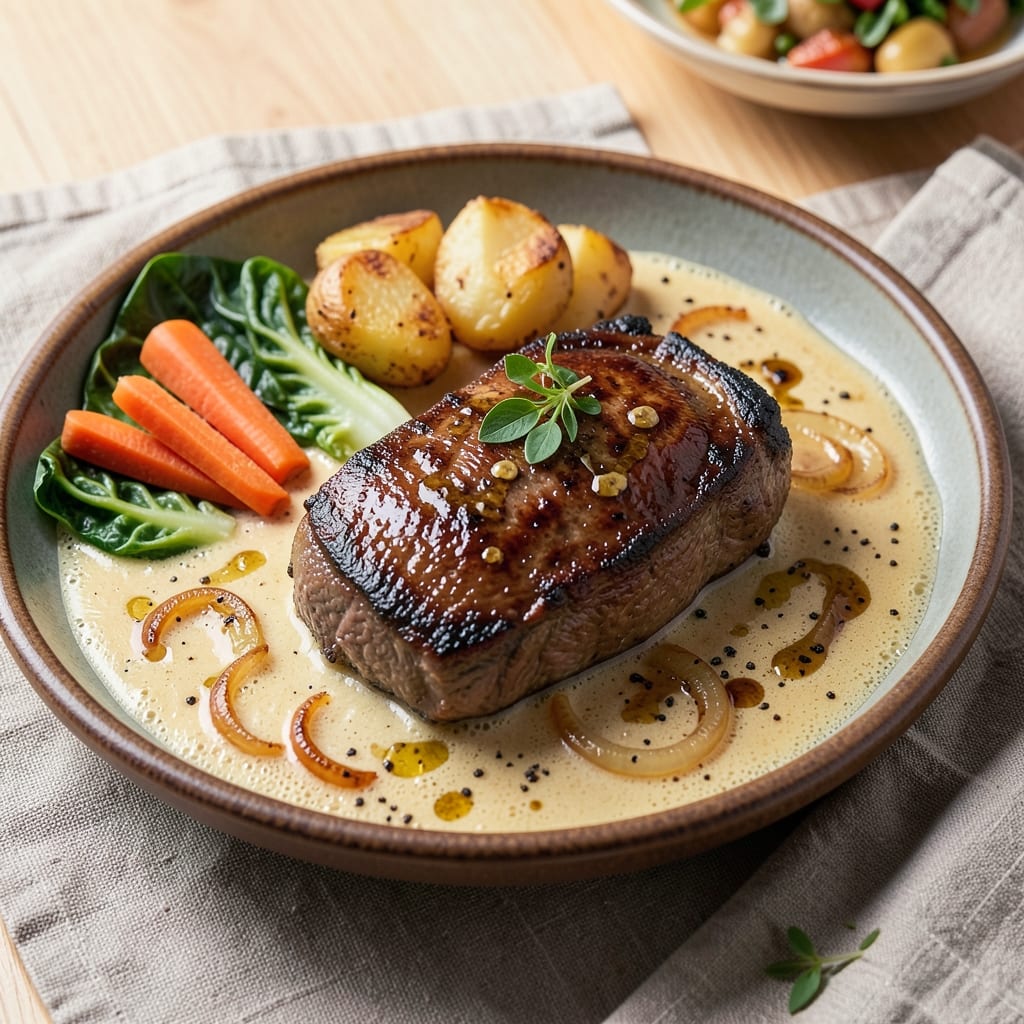
This authentic beef pares recipe transports you straight to Filipino home kitchens with its rich, slow-braised flavors. 💛 The secret lies in tender beef and potatoes simmered until caramelized, creating a dish that's both hearty and deeply comforting. Unlike quick versions, this method respects tradition—using whole spices, soy sauce, and vinegar for that signature balance of sweet, savory, and tangy. What makes this recipe special is its simplicity paired with depth. You'll start with beef chuck cut into chunks, then layer in potatoes, carrots, and cabbage for a one-pot meal that feeds a crowd. The slow simmer (about 2 hours) breaks down the meat into melt-in-your-mouth tenderness while developing a glossy, caramelized sauce that coats every bite. The result is a dish that's as visually appealing as it is flavorful—golden-brown edges on the potatoes, tender beef that falls apart easily, and a sauce thick enough to cling to every ingredient. It's the kind of meal that disappears quickly, leaving only empty plates and satisfied smiles. Perfect for family gatherings or cozy weeknight dinners, this beef pares delivers restaurant-quality results with minimal effort. Let's get started!
Ingredients for authentic beef pares
Six hearty ingredients transform into this Filipino comfort classic with slow-braised tenderness.
| Ingredient | Amount | Notes |
|---|---|---|
| Beef Chuck Roast 🥩 | 2 ½ lb | Cut into 1.5-inch chunks |
| Russet Potatoes 🥔 | 3 lb | Cut into 2-inch chunks |
| Green Cabbage 🥬 | 1 whole | Cut into wedges, core removed |
| Carrots 🥕 | 1 ½ lb | Cut into 2-inch chunks |
| Onion 🧅 | 1 whole | Yellow, sliced into wedges |
| Garlic Cloves 🧄 | 8 cloves | Minced for aroma |
| Coconut Milk 🥥 | 1 can | 13.5 oz can, full-fat preferred |
| Soy Sauce 🍶 | ½ cup | Dark soy for color |
| Cane Vinegar 🍋 | ¼ cup | White vinegar substitute |
| Brown Sugar 🍚 | ¼ cup | Lightly packed |
| Bay Leaves 🌿 | 2 whole | Dried for infusion |
| Black Peppercorns 🌶️ | 1 tsp | Crushed for heat |
| Salt 🧂 | 1 ½ tsp | Kosher or sea salt |
| Vegetable Oil 🫒 | 2 tbsp | For searing beef |
The beef chuck is non-negotiable—look for well-marbled cuts at Costco or your local butcher. The potatoes should be firm and unblemished; Russets hold up best to long cooking. Cabbage is best fresh, but if using pre-shredded, rinse well to remove any slimy residue. For the coconut milk, full-fat is essential—it creates that signature creamy sauce. I always grab Thai Kitchen brand from the Asian market; it's consistently rich and affordable. If you can't find dark soy sauce, regular soy sauce plus a pinch of sugar works in a pinch.
No brown sugar? White sugar works fine, but the molasses notes in brown add depth. Vinegar substitute? Lemon juice at half the amount brightens the dish. The garlic can be roasted (wrap cloves in foil, microwave 2 minutes) for a sweeter flavor, but raw works too. If you're short on time, pre-cut veggies from the grocery store save 20 minutes—just make sure they're fresh. The bay leaves add subtle earthiness; if you're sensitive to their flavor, use just one. And trust me on the peppercorns—crushing them releases more flavor than pre-ground powder.
This dish tastes even better the next day as flavors meld. Store in an airtight container for up to 5 days in the fridge, or freeze portions for 3 months. I double the recipe and freeze half for lazy weeknights. The sauce thickens as it cools, so add a splash of water or coconut milk when reheating. For serving, garnish with fresh cilantro if you're feeling fancy—Asian markets always have big bunches for cheap. Leftovers reheat beautifully; just cover with a lid and warm on low heat.
Why You'll Love This Recipe
- One-Pot Magic: I swear by this recipe for lazy Sundays—just toss everything (beef, potatoes, cabbage, carrots) into a Dutch oven with onions and broth, then let it simmer. No chopping like a pro, no fancy techniques—just hands-off perfection.
- Deep, Savory Soul: That beef chuck roast turns unbelievably tender, practically falling apart when you cut it, while the potatoes soak up all the rich, herby broth. Here’s what sold me—the way the cabbage softens just enough to stay crisp in spots, adding that perfect bite.
- Leftovers I Actually Crave: Between us, this dish tastes better the next day. The flavors meld into something heartier, and I’ve reheated portions for lunch three days in a row without a single complaint. (Yes, even on a Tuesday night.)
- Budget-Friendly Feast: A chuck roast and a few veggies stretch to feed four for under $15, and it’s the kind of meal that makes you feel like you’re treating everyone—without the restaurant price tag. Honestly, it’s my go-to for when the grocery budget’s tight but the hunger’s not.
Step-by-step instructions for slow-braised beef pares
Here's the traditional method that delivers deep, aromatic flavors through slow braising.
🔥 Step 1: Sear the Beef for Maximum Flavor
Heat a heavy Dutch oven over medium-high heat until very hot. Add the 2 tablespoons vegetable oil and swirl to coat. Working in batches if needed, add the 2.5 lb beef chuck roast cut into 1.5-inch chunks, leaving space between pieces. Let them sear undisturbed for 3-4 minutes until deeply browned on all sides.
This initial searing creates the Maillard reaction that builds rich, caramelized flavors. Don't crowd the pan—the beef needs room to develop that perfect crust. Once all pieces are browned, transfer them to a plate and set aside. You'll notice the beef releases easily when properly browned.
👨🍳 Step 2: Build the Aromatic Base
In the same Dutch oven, add the sliced 1 whole onion and 1.5 lb carrots cut into 2-inch chunks. Cook for 5 minutes until softened and beginning to caramelize. Add the 8 cloves minced garlic and crushed 1 tsp black peppercorns, stirring for 30 seconds until fragrant.
Here's where the authentic flavors develop. The onions and carrots should be tender but not mushy, with just a hint of color change. Add the 2 whole bay leaves and 1.5 tsp salt now—they'll infuse throughout the cooking process. The peppercorns will add subtle heat that balances the sweetness later.
🥘 Step 3: Layer Vegetables and Braising Liquid
Return the seared beef to the Dutch oven. Add the 3 lb russet potatoes cut into 2-inch chunks and the 1 whole green cabbage cut into wedges (core removed). In a separate bowl, whisk together the 1 can coconut milk, 0.5 cup soy sauce, 0.25 cup cane vinegar, and 0.25 cup brown sugar.
Pour this liquid mixture over the vegetables and beef. The cabbage should be partially submerged but not drowning—just enough liquid to come about halfway up the vegetables. The coconut milk adds richness while the vinegar and soy sauce create that signature umami depth. The brown sugar will caramelize slightly during braising, adding natural sweetness.
🔥 Step 4: Braise Until Tender and Flavorful
Bring the mixture to a gentle simmer over medium heat, then immediately reduce heat to low. Cover tightly with a lid and transfer to a preheated 300°F oven. Braise for 3-4 hours, turning the beef occasionally, until the beef is fork-tender and the vegetables are completely soft.
This slow cooking transforms tough beef into melt-in-your-mouth tenderness. The potatoes should be falling apart when pierced with a fork, and the cabbage should be wilted but still holding its shape. The liquid should reduce to a thick, glossy sauce that coats everything. If it looks dry before the beef is tender, add ¼ cup water and continue cooking.
⏰ Step 5: Rest and Serve for Maximum Flavor
Remove the Dutch oven from the oven and let the beef pares rest for 15-20 minutes before serving. This resting period allows the juices to redistribute throughout the meat and vegetables, ensuring every bite is moist and flavorful.
Serve family-style directly from the Dutch oven, letting everyone scoop up the beef and vegetables along with the rich braising liquid. The cabbage will be tender with a slight bite, the potatoes creamy, and the beef incredibly tender with deep, complex flavors from the slow braising process. Each component should be infused with the aromatic blend of coconut, soy, and subtle vinegar sweetness.
Pro Tips For Making Authentic Beef Pares
- SEAR THE CHUCK FIRST: I learned this the hard way—skipping the sear means flavorless beef. Brown that roast in batches over medium-high heat until it’s deep golden, then pull it out and let it rest. The crust locks in juices and makes the difference between "meh" and "wow."
- PARBOIL POTATOES TWICE: This isn’t the prettiest method, but it’s the tastiest. First boil the Russets for 5 minutes, drain, then boil again for 3 minutes before adding to the pot. The double-dip keeps them creamy without falling apart—no one likes mushy potatoes in their pares.
- SAUTÉ ONIONS LOW AND SLOW: After burning three batches, I finally figured out: onions need patience. Cook them on low heat for 10-12 minutes until soft and translucent, not crispy. If they brown too fast, you’ll end up with bitter bits instead of sweet, caramelized flavor.
- ADD CABBAGE LAST: Sounds weird, but it works: toss the cabbage in just before serving. Overcooking turns it slimy, and no one wants that in their pares. Keep it crisp by adding it raw or barely wilted at the end—it’ll still soften slightly from the residual heat.
Health benefits of authentic beef pares
Protein Powerhouse
This dish delivers high-quality protein with every bite—about 50 grams per serving from the beef chuck. That's roughly 25% of your daily protein needs in one meal, perfect for muscle maintenance and recovery. The slow braising process preserves amino acids better than quick cooking methods. 💪
Balanced Carbs
The 3 pounds of russet potatoes provide complex carbohydrates that fuel your body with sustained energy. Each serving offers about 45 grams of carbs, with fiber from the cabbage adding digestive benefits. This combo keeps you full for hours, making it ideal for hearty meals.
Healthy Fats
The coconut milk contributes medium-chain triglycerides (MCTs), which support brain function and metabolism. A 1-can serving provides about 15 grams of healthy fats, while the beef adds monounsaturated fats that support heart health. The balance of fats, protein, and carbs makes this a satisfying, nutrient-dense meal.
Vitamin Boost
You'll get a vitamin C boost from the cabbage and carrots—about 30% of your daily needs per serving. These veggies also provide vitamin A for eye health and folate for cell repair. The slow cooking preserves these nutrients better than boiling or steaming.
Low-Calorie Comfort
Despite its rich flavors, this dish is surprisingly moderate in calories—around 450-500 calories per serving. The combination of lean beef, fiber-rich veggies, and coconut milk creates a filling meal without excessive calories. It's the perfect balance for comfort food that won't derail your diet.
Digestive Benefits
The cabbage and carrots provide dietary fiber, supporting gut health and digestion. The slow cooking process makes the vegetables easier to digest while retaining their nutrients. Plus, the bay leaves and peppercorns add subtle digestive benefits, aiding in natural detoxification. 🌿
Nutrition facts
Frequently asked questions
Can I substitute beef chuck with another cut?
While beef chuck is ideal for its marbling and tenderness, you can use chuck roast or brisket in a pinch. Avoid lean cuts like sirloin—they won't develop the same rich flavor. If using brisket, cut it into 1.5-inch chunks and trim excess fat to prevent greasiness.
How do I make this recipe faster?
For a quicker version, use a pressure cooker: Sear the beef as directed, then add all ingredients and pressure cook for 45 minutes on high. The beef will still be tender, though slightly less caramelized. For stovetop, reduce braising time to 1.5 hours instead of 3-4, but check frequently to avoid drying.
Why does my beef pares taste too salty?
Dark soy sauce is highly concentrated—use ¼ cup instead of ½ cup if you're sensitive to salt. Balance the flavor by adding 1 tablespoon sugar or 2 tablespoons vinegar to counteract saltiness. Taste as you go! The potatoes and cabbage will also absorb excess salt during braising.
Can I make this dish in a slow cooker?
Brown the beef first, then transfer everything to your slow cooker. Cook on low for 7-8 hours or high for 4-5 hours. The slow cooker's gentle heat mimics oven braising perfectly. Add ¼ cup water if the mixture looks dry before the beef is tender.
What's the best way to store leftovers?
Let the beef pares cool completely, then store in an airtight container for up to 5 days in the fridge. For freezing, portion into individual servings and freeze for 3 months. Reheat gently on the stovetop with a splash of water or coconut milk—never microwave directly from frozen. The flavors actually improve overnight!